
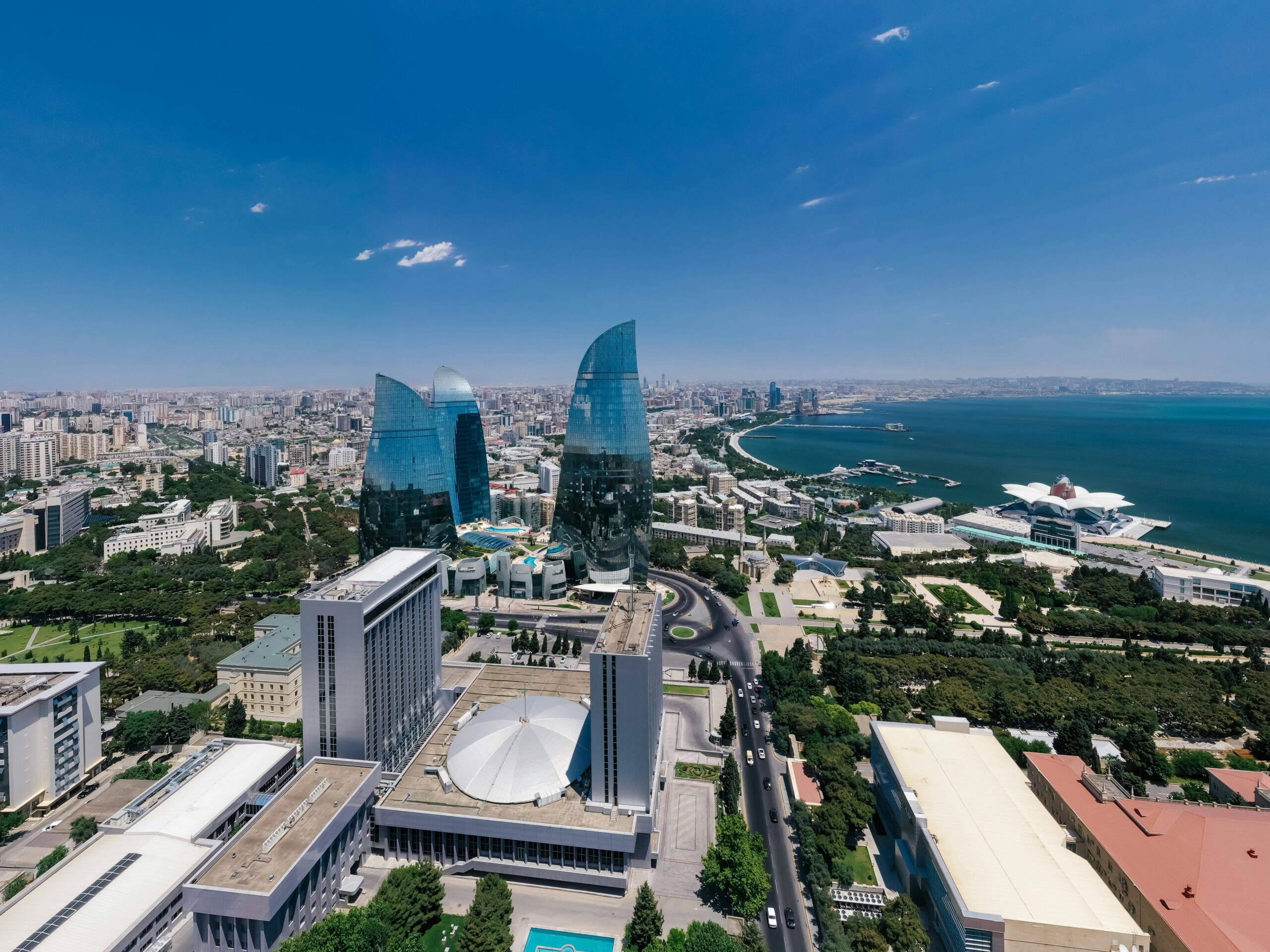
After years of tension in the South Caucasus, Azerbaijan is entering a new phase — one defined increasingly by stability, openness, and regional confidence. As peace agreements take hold and borders begin to soften, the country’s tourism sector is preparing for what may be its most ambitious period of growth yet.
The CEO of the Azerbaijan Tourism Board describes this moment as a “new confidence in the region.” But the deeper story goes beyond optimism. It reflects political change, economic diversification, infrastructure investments, and a shifting global interest in the Caucasus as an emerging destination for cultural discovery, wellness travel, outdoor adventure, and sustainable tourism.
This expanded article explores not only what peace means for Azerbaijan’s tourism industry but also the broader factors shaping the region’s transformation — including new travel corridors, cultural revival, environmental challenges, and the country’s strategic role between Europe and Asia.
1. The Impact of Peace on Azerbaijan’s Tourism Landscape
For decades, tourism growth in Azerbaijan was limited by geopolitical instability in the region. As peace agreements reduce tensions, the country is now experiencing:
- Higher traveler confidence
- Greater regional mobility
- Improved international perception
- Increased investment from airlines, hotels, and tour operators
Peace brings predictability — a crucial ingredient for tourism.
2. Why Azerbaijan Is Positioning Itself as the Caucasus’ Next Major Destination
A. A Strategic Crossroads Between East and West
Azerbaijan sits between:
- Europe
- Central Asia
- The Middle East
This geographic advantage allows the country to market itself as a multicultural gateway with influences from all directions.
B. Rapid Infrastructure Growth
Major investments include:
- expanded road networks
- upgraded airports in Baku, Nakhchivan, and Ganja
- modern rail links
- new hospitality developments
- improved regional connectivity to the Caspian Sea
These upgrades make remote regions more accessible to travelers.
C. A Diverse Tourism Portfolio
Azerbaijan offers a broader range of experiences than many realize:
- Cultural tourism: Baku’s blend of modern architecture and ancient UNESCO-listed heritage
- Nature tourism: Caucasus Mountains, mud volcanoes, lakes, and national parks
- Culinary tourism: fusion of Turkic, Persian, and Eastern European cuisines
- Wellness tourism: mineral springs, spa resorts, and therapeutic retreats
- Winter sports: new ski resorts like Shahdag and Tufandag
- Silk Road heritage: caravan routes, ancient trade cities, and archaeological sites
This diversity positions Azerbaijan as a year-round destination.
D. Visa Simplification and Traveler-Friendly Policies
Azerbaijan’s ASAN Visa system offers:
- online visa applications
- fast processing times
- increased eligibility for dozens of countries
This shift dramatically reduces friction for first-time visitors.
3. What the Original Reporting Didn’t Fully Cover
To understand the country’s tourism transformation, several additional dynamics must be considered.
A. Regional Collaboration Is Growing
With peace returning, Azerbaijan is exploring:
- cross-border tourism routes
- joint cultural heritage zones
- shared nature reserves
- Silk Road revival initiatives
This could create a multi-country tourism corridor connecting the South Caucasus more fluidly.
B. Domestic Tourism Is Expanding Rapidly
Azerbaijanis are traveling more within their own country, driven by:
- new attractions
- improved rural infrastructure
- wellness retreats
- mountain resorts
- government incentives for local travel
Domestic tourism stabilizes the sector even when international travel fluctuates.
C. Sustainability Challenges Are Emerging
Tourism expansion comes with risk:
- strain on natural landscapes
- waste management issues
- pressure on mountain ecosystems
- climate change impact on ski seasons
- overdevelopment concerns in sensitive areas
Azerbaijan must balance growth with environmental stewardship.
D. Cultural Revival as a Tourism Asset
Peace has allowed greater focus on restoring:
- historical monuments
- ancient mosques and churches
- craft traditions
- music and performing arts
- village-based cultural tourism
These efforts appeal to travelers seeking authenticity rather than generic resort experiences.
E. Azerbaijan’s “Branding Shift”
The country is redefining its tourism identity, moving from oil-driven modernization toward:
- heritage
- nature
- gastronomy
- wellness
- adventure
This transition aligns with global travel trends.
4. Key Regions Poised for Tourism Growth
1. Baku
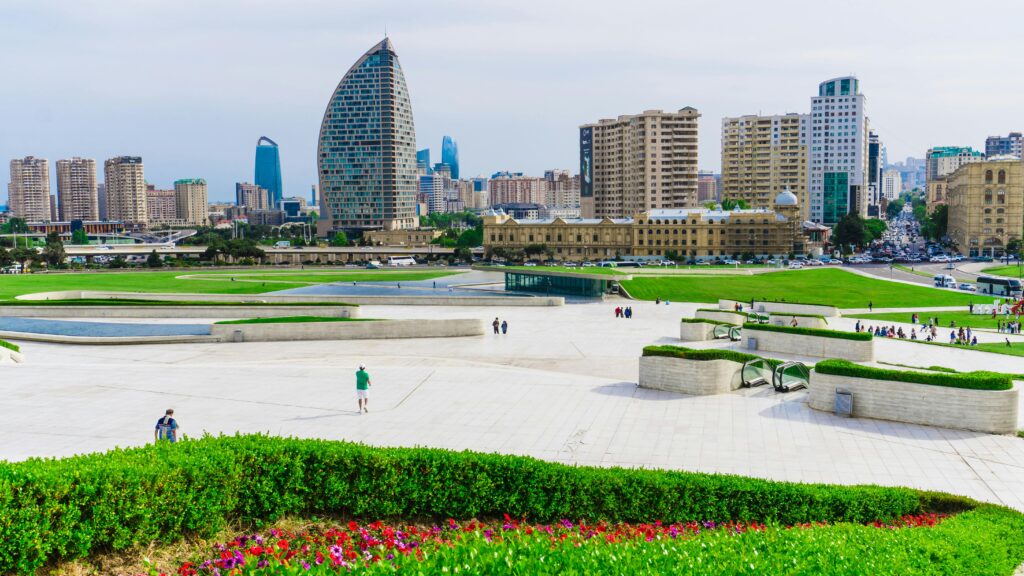
Modern cityscapes, museums, Formula 1, cultural festivals, seaside promenades.
2. Gabala & Qabala
Leafy forests, ski slopes, adventure parks, family resorts.
3. Sheki
UNESCO-listed wooden palaces, Silk Road heritage, handicraft markets.
4. Ganja
Historic architecture, wine tourism, gateway to Lake Goygol.
5. Nakhchivan
Isolated but striking — mountains, tombs, thermal spas.
6. Karabakh & surrounding regions
Post-conflict reconstruction aims to transform them into cultural and ecotourism destinations.
5. The Tourism Board’s Vision: What Comes Next?
Azerbaijan aims to:
- attract over 10 million annual visitors within the decade
- expand hospitality training through international partnerships
- grow adventure tourism in the Caucasus mountains
- strengthen the MICE sector (Meetings, Incentives, Conferences, Exhibitions)
- develop “smart tourism zones” with digital infrastructure
- promote sustainable rural tourism
The long-term goal: position Azerbaijan as one of Eurasia’s most dynamic tourism hubs.
Frequently Asked Questions
Q1: Is Azerbaijan safe to visit now?
Yes. Peace agreements and enhanced security have significantly improved regional stability.
Q2: Why is tourism increasing so quickly?
Better infrastructure, simplified visas, increased flight connections, and global interest in new destinations.
Q3: Do you need a visa to enter Azerbaijan?
Many nationalities can apply for an easy online ASAN visa. Others may require embassy approval.
Q4: What are the top attractions?
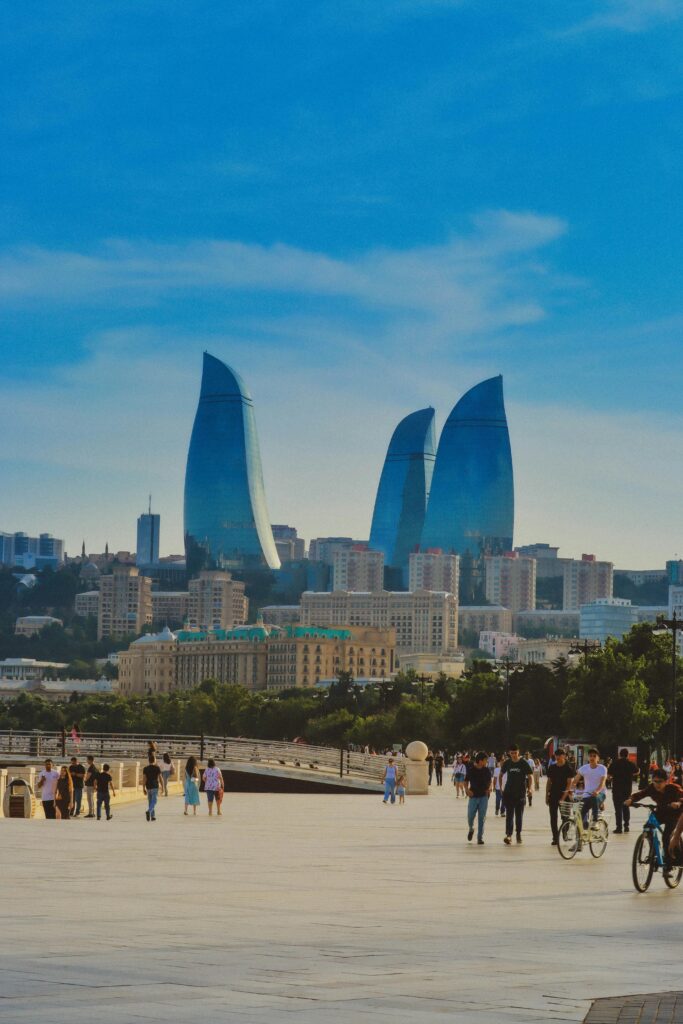
Baku’s Old City, Flame Towers, Gobustan rock carvings, Sheki, Gabala, Shahdag ski resort, and Caspian Sea promenades.
Q5: Is Azerbaijan expensive?
It’s more affordable than Western Europe or Gulf countries. Mid-range travel is easier than luxury-only destinations.
Q6: Can you travel independently or only on tours?
Independent travel is very common. Public transport and regional buses are improving.
Q7: What languages are spoken?
Azeri is the main language; many people also speak Russian, and English is growing in tourism centers.
Q8: When is the best time to visit?
Spring and autumn offer the best weather. Winter is ideal for skiing; summer is warm but great for mountain retreats.
Q9: Are there eco-friendly tourism options?
Yes — national parks, rural guesthouses, organic farms, and community-based tourism initiatives.
Final Thoughts
Azerbaijan’s tourism renaissance is more than a marketing campaign — it is the result of structural reforms, regional peace, cultural revitalization, and economic diversification. As stability increases and infrastructure expands, the country is emerging as one of the most intriguing and accessible destinations in the Caucasus.
From modern skylines to ancient caravan routes and mountain villages, Azerbaijan offers a rich blend of past and future. Peace has given the nation a rare opportunity — and it is using it to redefine its role on the world tourism stage.
Sources Euro News

