For decades, real-time language translation felt like science fiction. Instant conversations between people speaking different languages were often portrayed in futuristic movies, requiring expensive equipment or highly advanced computers.
Today, that vision is rapidly becoming reality—and it doesn’t necessarily require a premium smartphone or costly hardware.
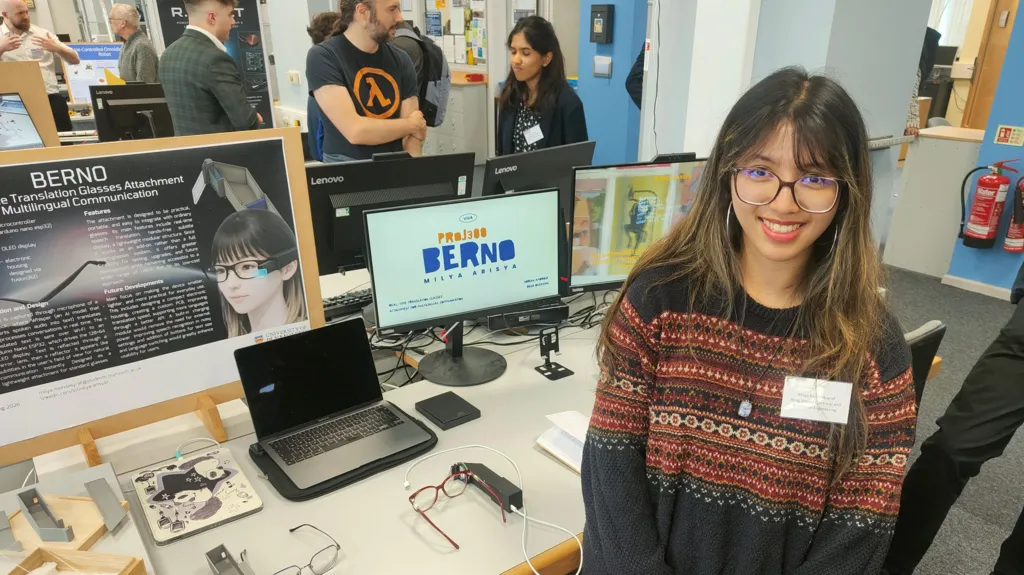
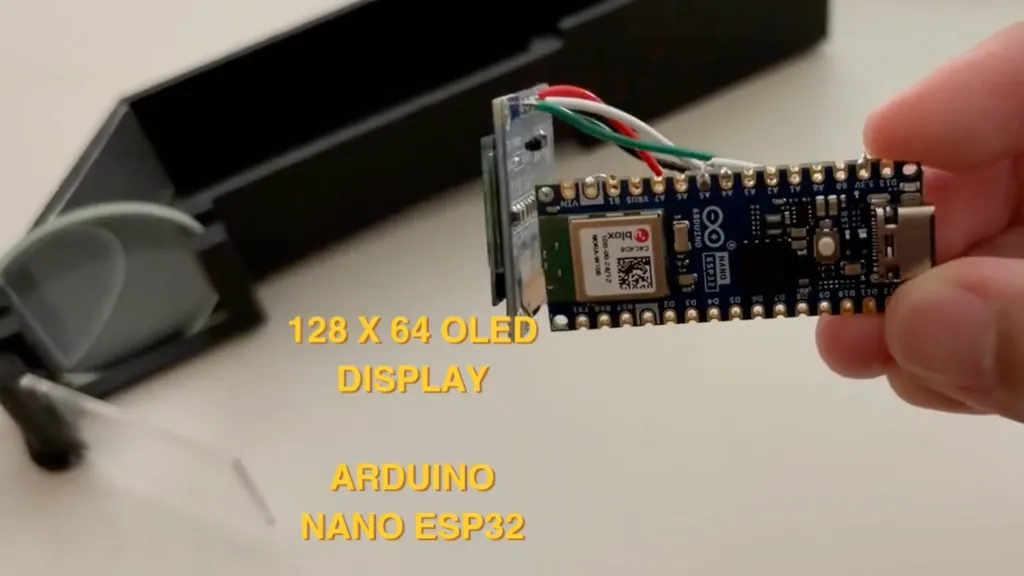
A university student has demonstrated that an inexpensive translation device costing around £30 (approximately US$40) can translate spoken conversations in real time. The project highlights how advances in artificial intelligence, speech recognition, and open-source software are making powerful language technologies more affordable and accessible than ever before.
The achievement represents more than an impressive engineering project. It illustrates a broader trend: AI-powered translation is becoming increasingly available to students, travelers, businesses, healthcare providers, and educators, regardless of budget.
Why Real-Time Translation Matters
Language remains one of the biggest barriers to communication worldwide.
Every day, millions of people encounter situations where they cannot fully understand another language.
Examples include:
- International travel
- Business meetings
- University classrooms
- Medical appointments
- Emergency situations
- Customer service
- Immigration procedures
- Online collaboration
Professional interpreters remain invaluable for legal, medical, and diplomatic settings, but they are not always available or affordable.
Real-time translation technology helps bridge this gap.
How Real-Time Translation Works
Although the experience feels almost magical, several AI technologies operate together behind the scenes.
Step 1: Speech Recognition
The device first listens to a person’s voice.
Automatic Speech Recognition (ASR) converts spoken words into digital text.
Modern AI systems can recognize:
- Different accents
- Speaking speeds
- Background noise
- Multiple languages
Speech recognition has improved dramatically over the past decade thanks to deep learning.
Step 2: Language Detection
The AI identifies which language is being spoken.
Many modern systems can automatically distinguish between dozens or even hundreds of languages without requiring users to select one manually.
Step 3: Machine Translation
Once speech has been converted into text, an AI translation model generates an equivalent sentence in another language.
Unlike older systems that translated word by word, today’s neural machine translation considers:
- Grammar
- Context
- Idioms
- Sentence structure
This generally produces more natural translations.
Step 4: Speech Synthesis
Finally, text-to-speech technology converts the translated sentence into spoken audio.
The listener hears the translation almost immediately.
Modern AI voices increasingly sound natural, making conversations smoother and easier to follow.
Why a £30 Device Is Significant
Traditional translation hardware often costs hundreds of pounds or dollars.
Lower-cost devices demonstrate that AI is becoming:
- More affordable
- More portable
- More energy efficient
- Easier to build using readily available components
Students, hobbyists, and independent developers can now create practical AI-powered products using:
- Single-board computers
- Microcontrollers
- Open-source software
- Cloud AI services
- Affordable microphones and speakers
This lowers the barrier to innovation.
Open-Source AI Is Driving Innovation
Many affordable AI projects rely on open-source technologies.
Developers can build translation systems using freely available frameworks for:
- Speech recognition
- Machine translation
- Text-to-speech synthesis
- Natural language processing
Open-source communities encourage collaboration, allowing developers worldwide to improve accuracy, expand language support, and reduce costs.
This democratization of AI enables smaller teams and students to create tools that were once only possible for major technology companies.
Who Could Benefit?
Travelers
Visitors can communicate with taxi drivers, restaurant staff, hotel employees, and local residents more confidently.
Students
International students can participate more comfortably in lectures, group projects, and campus life.
Healthcare
Translation devices can assist patients and healthcare workers with everyday communication.
However, professional interpreters remain essential for complex medical discussions and informed consent.
Businesses
Companies operating internationally can reduce communication barriers during meetings, customer support, and negotiations.
Emergency Responders
Police officers, firefighters, and disaster relief teams may benefit from rapid communication when language differences create challenges.

Challenges That Still Exist
Although AI translation has improved dramatically, it is not perfect.
Accents and Dialects
Regional accents can affect recognition accuracy.
Some dialects remain underrepresented in AI training data.
Idioms and Cultural Expressions
Literal translations may miss cultural meaning.
For example, sayings, jokes, and regional slang often require human interpretation.
Background Noise
Busy airports, restaurants, or crowded streets can reduce speech recognition accuracy.
Better microphones and noise-cancellation technology help but cannot eliminate every challenge.
Specialized Vocabulary
Technical fields such as medicine, engineering, or law often require highly specialized terminology.
Mistakes in these areas can have serious consequences.
Privacy and Security Considerations
Many translation systems process speech using cloud servers.
Users should understand:
- Whether conversations are recorded.
- How voice data is stored.
- Whether information is encrypted.
- How long recordings are retained.
Some newer devices perform translation locally on the device itself, improving privacy while reducing dependence on internet connectivity.
Offline AI is becoming increasingly practical as processors become more powerful.
Offline vs. Cloud Translation
Both approaches have advantages.
Cloud-Based Translation
Advantages:
- Higher accuracy
- Frequent updates
- Large language models
- Broad language support
Limitations:
- Requires internet access
- Potential privacy concerns
- Data usage costs
Offline Translation
Advantages:
- Works without internet
- Better privacy
- Faster response in remote areas
- Lower long-term operating costs
Limitations:
- Smaller AI models
- Fewer supported languages
- Less contextual understanding
Future devices will likely combine both methods, using offline translation by default and cloud services when higher accuracy is needed.
The Future of Wearable Translation
Portable translation devices are only the beginning.
Researchers are developing technologies such as:
- AI-powered earbuds that translate conversations as you listen.
- Smart glasses that display translated subtitles in real time.
- AR systems that translate signs and menus instantly.
- Voice assistants capable of multilingual conversations.
- Wearable badges for workplace communication.
As AI models become smaller and more efficient, real-time translation will likely become a standard feature in many everyday devices.
Will AI Replace Language Learning?
Probably not.
Translation technology removes communication barriers, but learning another language offers benefits that AI cannot fully replicate.
Language learning helps people:
- Understand culture.
- Build stronger relationships.
- Improve career opportunities.
- Enhance memory and cognitive skills.
- Appreciate literature, humor, and history.
AI should be viewed as a communication aid rather than a replacement for multilingual education.
The Bigger Picture
The £30 translation device demonstrates an important shift in technology.
Powerful AI tools are no longer limited to multinational corporations with enormous research budgets.
Affordable hardware, open-source software, and rapidly advancing machine learning models are enabling students, independent inventors, and small businesses to build solutions that solve real-world problems.
This democratization of AI could accelerate innovation across many fields, from education and healthcare to accessibility and global communication.
Frequently Asked Questions (FAQs)
1. How does a real-time translation device work?
It combines speech recognition, automatic language detection, AI-powered machine translation, and text-to-speech technology to translate spoken conversations almost instantly.
2. Why is a £30 translation device important?
Its low cost shows that powerful AI applications are becoming more affordable and accessible, making real-time translation available to more people instead of only those who can afford expensive devices.
3. Can these devices work without an internet connection?
Some models support offline translation using AI models stored on the device, while others rely on cloud computing for higher accuracy and broader language support.
4. Are AI translation devices completely accurate?
No. They perform well in many everyday situations but can struggle with slang, heavy accents, background noise, technical terminology, and culturally specific expressions.
5. Will AI translation replace learning foreign languages?
Unlikely. AI makes communication easier, but learning another language provides cultural understanding, stronger interpersonal connections, and cognitive benefits that technology cannot fully replace.
Conclusion
A low-cost, student-built translation device illustrates how quickly artificial intelligence is reshaping global communication. What once required specialized equipment and substantial funding can now be achieved with affordable components and powerful AI software.
As translation technology continues to improve, language barriers will become less intimidating for travelers, students, businesses, and communities around the world. Yet the true value of these innovations lies not only in translating words but also in fostering understanding between people from different cultures.
The future of communication is likely to be one where technology makes conversations easier, while human curiosity and empathy continue to give those conversations meaning.
Sources BBC