

Kawaguchi, a fast-growing city in Saitama Prefecture, has become one of Japan’s most diverse urban communities. With foreign residents now making up a notable share of the population, the city’s schools are experiencing rapid change—especially as more children arrive with little or no Japanese language ability.
To meet this need, a growing network of volunteer language supporters has stepped in to help foreign students adapt, communicate, and thrive. What began as small, community-based efforts has evolved into a structured support system that fills a critical gap in Japan’s education landscape.
While the original reporting highlights the core program, the story is far deeper. This expanded article explores how the volunteer system really works, the challenges foreign children face in Japanese schools, what the city and local organizations are building for the future, and why this model may hold lessons for the rest of Japan.

1. Kawaguchi’s Growing Diversity
Kawaguchi has experienced a rapid increase in residents from China, Nepal, Vietnam, the Philippines, Brazil, and other countries.
Families come for jobs, education, and affordability compared to Tokyo, but the shift has placed new pressures on schools.
Key challenges include:
- children entering classrooms with little or no Japanese ability
- limited bilingual teaching staff
- cultural differences in learning styles
- a shortage of official government interpreters
- parents unfamiliar with Japanese school systems
Volunteer language supporters have become a lifeline in addressing these needs.
2. What Volunteer Language Supporters Do
Volunteers—often retirees, university students, bilingual residents, or former educators—help foreign students with:
- Japanese language learning (daily lessons, homework help, pronunciation)
- Subject comprehension (math, science, social studies)
- Classroom translation
- Emotional support and cultural guidance
- Communication with teachers
- Orientation during the first months of schooling
Some volunteers speak the student’s native language; others teach using simple Japanese or visual tools.
Their presence often determines whether a child adapts smoothly or falls behind.
3. Why These Volunteers Are So Important
A. Schools Lack Dedicated Language Teachers
Most public schools don’t have full-time Japanese-as-a-Second-Language (JSL) instructors. Volunteers fill the gap.
B. Students Need More Than Academic Help
Newcomer children often struggle with:
- loneliness
- culture shock
- bullying
- identity confusion
Volunteers become trusted adults who help bridge cultural and emotional divides.
C. Parents Need Support Too
Many foreign parents:
- can’t read Japanese notices
- don’t understand school rules
- struggle to communicate with teachers
Volunteers help translate documents, interpret during meetings, and explain expectations.
D. Early Intervention Prevents Long-Term Educational Disadvantage
Without support, foreign students can quickly fall behind, limiting future academic pathways.
4. What the Original Reporting Didn’t Fully Cover
To give a more comprehensive understanding, here are significant details not fully explored in the primary article.
A. The System Is Still Underfunded and Patchy
While volunteers are invaluable, the reliance on unpaid labor highlights a structural issue:
- There is no national mandate for multilingual support in schools.
- Resources vary widely between municipalities.
- Some children wait months for help.
Kawaguchi’s program works well compared to many cities, but it represents a stopgap solution, not a systemic fix.
B. Language Support Must Go Beyond Japanese
Students often need bilingual help—especially in math and science, where comprehension gaps widen quickly.
Schools rarely have materials in:
- Chinese
- Nepali
- Vietnamese
- Tagalog
- Portuguese
Volunteers are often the only ones who can provide culturally relevant explanations.
C. High Mobility Among Foreign Families
Many families move frequently for work. Children may transfer schools multiple times, making consistent support essential.
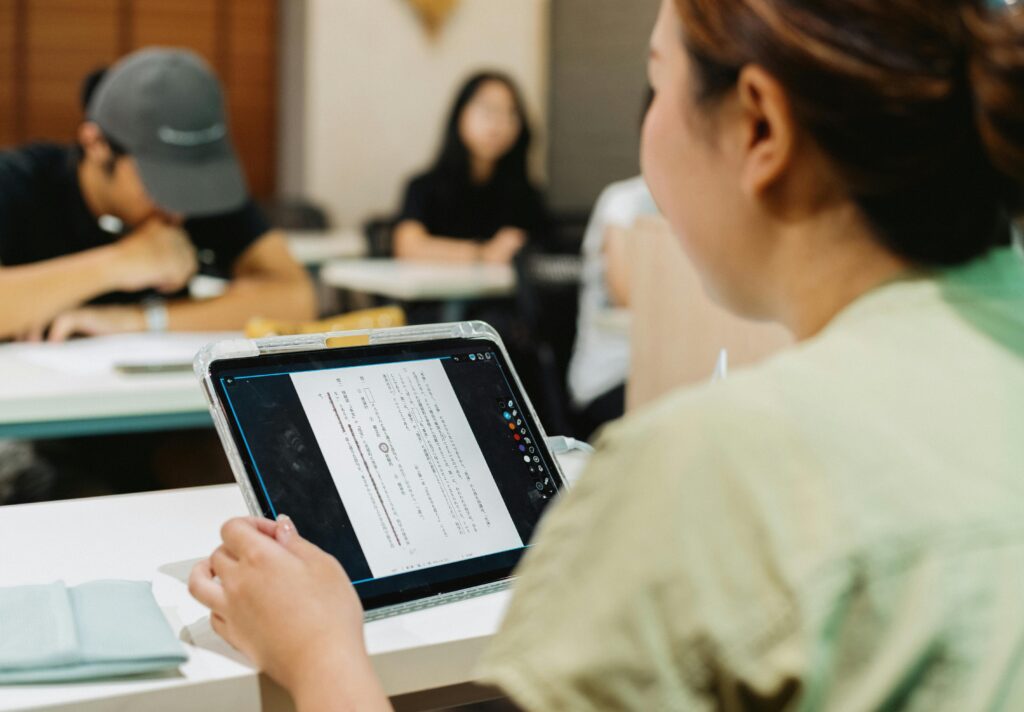
D. Cultural Education Is as Important as Language
Volunteers often teach:
- classroom etiquette
- group work norms
- how to interact with teachers
- seasonal customs
- school-lunch rules
This “unwritten curriculum” is critical for social integration.
E. Training for Volunteers Is Improving—but Still Limited
Some municipalities offer workshops on:
- basic Japanese teaching methods
- trauma-sensitive support
- child protection rules
But many volunteers rely on personal experience rather than formal training.
F. Long-Term Integration Issues
Even when students learn Japanese well, they face:
- entrance exam disadvantages
- fewer academic recommendations
- discrimination or stereotyping
- lack of higher education pathways for non-native speakers
Support needs to follow students beyond elementary school.
5. How Kawaguchi’s Model Could Influence National Change
Japan’s foreign population continues to rise, yet its education system was designed for linguistic homogeneity. Kawaguchi’s volunteer network shows:
- community-based solutions can work
- local governments can partner with residents to close gaps
- flexible, low-cost interventions make a huge difference
- early support reduces long-term burden
As more municipalities study Kawaguchi’s model, this could push national policymakers toward:
- standardizing multilingual education
- funding JSL positions
- revising entrance exams for language learners
- creating bilingual administrative systems
The program is not just supporting children—it is changing expectations of what inclusive education in Japan looks like.
Frequently Asked Questions
Q1: Why do foreign children struggle in Japanese schools?
Because most enter without Japanese ability, encounter cultural differences, and receive limited official language support.
Q2: Who are the volunteer language supporters?
Bilingual residents, retirees, university students, local NGOs, and sometimes foreign-born volunteers with multilingual skills.
Q3: Do volunteers replace teachers?
No. They supplement classroom teaching by providing one-on-one or small-group assistance.
Q4: Are volunteers trained?
Some receive training from NGOs or city programs, but many rely on personal experience and informal guidance.
Q5: What languages are most in demand?
Chinese, Nepali, Vietnamese, Tagalog, Portuguese, Spanish, and English—reflecting Kawaguchi’s diverse population.
Q6: Are these programs government-funded?
Partially. Municipal budgets support coordination, but most labor is unpaid.
Q7: What impact does support have on students?
It improves:
- academic performance
- school attendance
- emotional well-being
- peer relationships
- long-term educational outcomes
Q8: Is Kawaguchi unique?
No, but it is one of the more advanced municipalities. Other cities are now following its example.
Q9: What challenges remain?
- insufficient funding
- shortage of bilingual staff
- growing student numbers
- lack of national policy
- inconsistent support across schools
Final Thoughts
Kawaguchi’s volunteer language support system is not just an act of kindness—it’s a crucial bridge between Japan’s rapidly diversifying society and an education system still learning how to adapt.
By empowering foreign children to understand, to communicate, and to belong, volunteers are shaping the future of multicultural Japan—one classroom, one conversation, and one child at a time.
Sources nippon.com

