
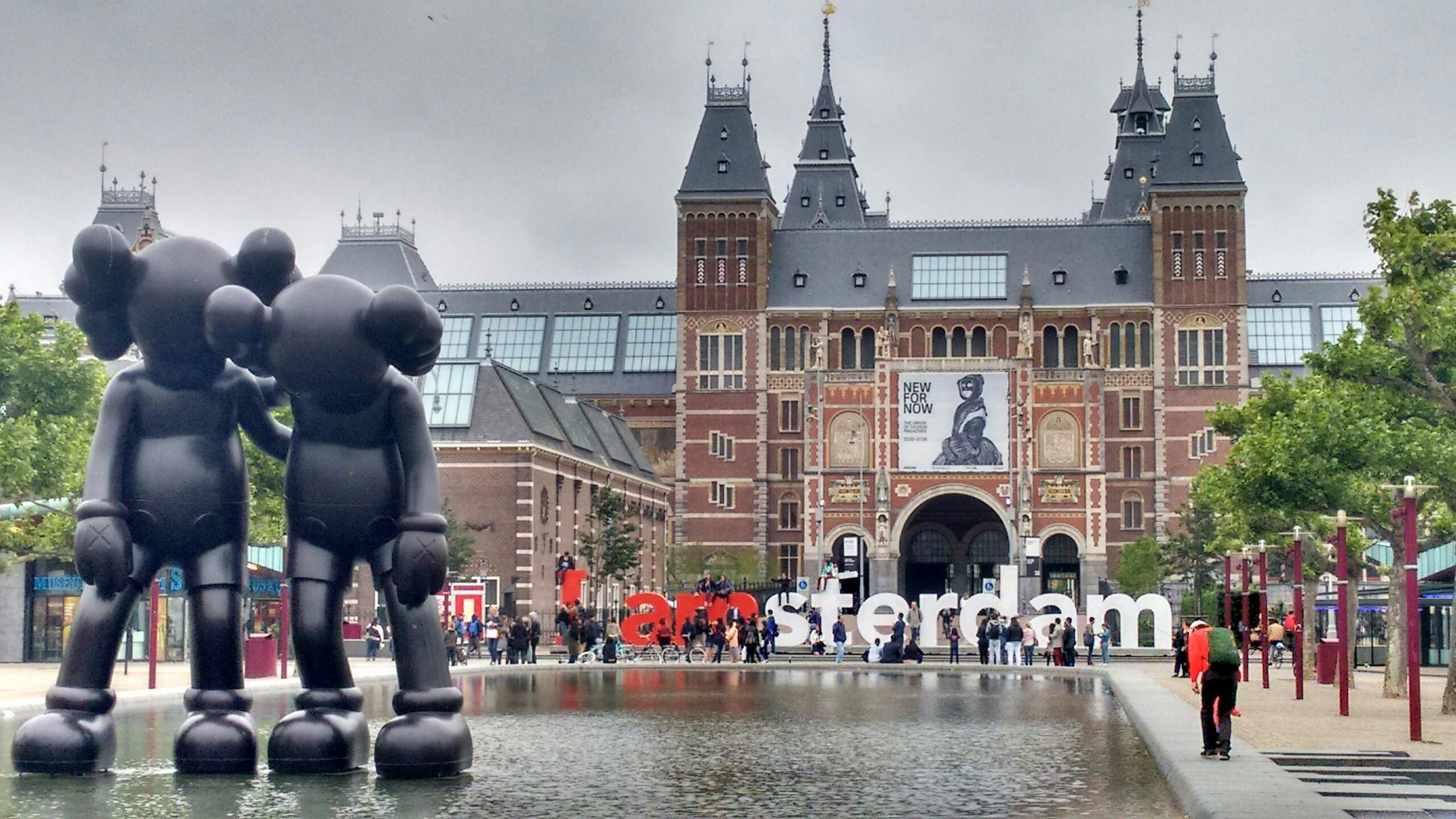
Amsterdam is no stranger to debates about overtourism. But in 2025, the situation escalated from civic angst to legal action: city residents, organized under the banner “Amsterdam Heeft een Keuze” (“Amsterdam Has a Choice”), are suing the municipal government, arguing that it has failed to honor its commitments and protect the livability of neighborhoods from the pressures of mass tourism.
This is a striking development. It not only reflects deep frustration among residents, but also signals a turning point: in cities around the world, tourism is no longer just a policy issue—it’s a matter of rights, quality of life, and legal accountability.
Let’s unpack what’s going on, what’s at stake, and how this fits into broader global trends.
What’s Driving the Legal Action
1. The 20‑Million Overnight Stay Cap, and the Broken Promise
In 2021, after mounting pressure from citizens, Amsterdam’s municipal government adopted a bylaw aiming to cap annual tourist overnight stays at 20 million. Under the ordinance, the city also pledged to take “corrective action” once a threshold of 18 million was breached. The idea was to keep tourism growth within sustainable limits and protect neighborhoods from being overwhelmed.
But residents say the promise has not been honored:
- Overnight stays have exceeded the cap for multiple consecutive years (e.g. ~22 million in 2023, ~23–24 million forecast in 2025).
- The city’s measures (higher tourist tax, restrictions on new hotel construction or holiday rentals, limits on river cruises, “stay away” campaigns) are deemed by the plaintiffs to be too weak or poorly enforced.
- The residents’ lawsuit argues that the city is effectively violating its own ordinance by allowing the number of tourist stays to persistently exceed the agreed ceiling without “effective measures” to reverse the trend.
- They are calling for stronger action: further hikes in tourist tax, buying back hotel permits, stricter regulation of short-term rentals, banning tourists from certain cannabis cafés in central districts, among others.
In sum, the residents contend that the city is negligent with respect to its own rules and thus failing to live up to the social contract.
2. Localized Impacts: Quality of Life Under Siege
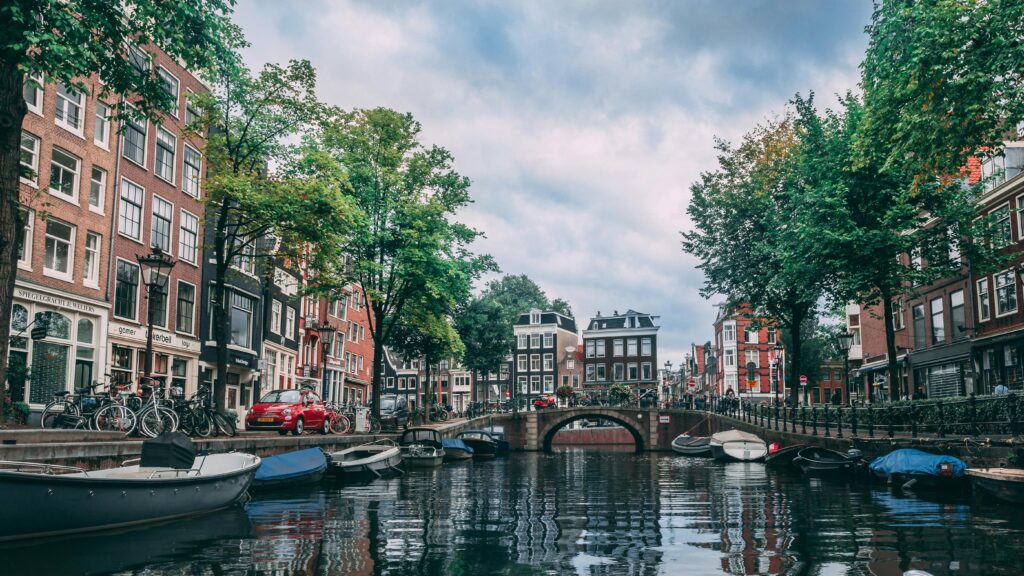
Beyond aggregate numbers, the lawsuit is grounded in the everyday burdens that many Amsterdammers say they experience:
- Crowded streets, sidewalks blocked by tourist traffic, noise, litter and overflowing bins.
- Disruption around viral or social‑media‑driven “Instagrammable” or TikTok-famous snack shops (e.g. Fabel Friet) which draw crowds into residential streets. Neighbors have challenged operating licenses for such businesses, arguing their presence interferes with peaceful living.
- Strain on public services, increased waste management costs, pressure on local infrastructure (transport, utilities, public spaces).
- A perception that the city is increasingly oriented toward visitors at the expense of residents: catering to party tourists, stag groups, or edge-case behaviors (e.g. open cannabis use) in the central neighborhoods.
3. Funding and Mobilization
To mount the legal case, Amsterdam Has a Choice has raised funds (circa €50,000) with backing from multiple residents’ associations. They have prepared a detailed summons (26 pages) to the city council. The challenge is not just legal — it’s political, symbolic, and deeply civic.
One striking aspect: the plaintiffs argue that additional revenues (from raising tourist taxes) could more than cover the municipal costs imposed by tourism (street cleaning, infrastructure, mitigation). They see the tax not just as a deterrent but as a redistributive tool.
How the City Has Responded and What It’s Already Doing
Amsterdam has not been idle. The municipal administration points to several existing or planned interventions:
- Tourist tax: Already among the highest in Europe, set at 12.5 % of overnight stay costs.
- Hotel construction ban / restrictions: New hotels can only be built under tight conditions (e.g. when another closes, or lack of increase in total bed capacity, or only if sustainable design is incorporated).
- Limits on short‑term rentals and holiday lets: Stricter licensing, zoning, enforcement.
- “Stay away” campaigns: Messages discouraging budget‑oriented, party‑driven tourism.
- Restrictions in Red Light District / cannabis cafés: Bans or tighter rules for non-residents or open-use in central zones.
- Cruise and river tourism limits: Reducing cruise ship docking in central areas, limiting river cruise operations.
- Bar and café hours: Adjusting opening times to reduce night-time disturbances.
- Future package of additional measures: The city plans to present further interventions by end of 2025 to bring tourist numbers back toward the 20 million target.
Still, city officials caution that there is “no single button” that solves overtourism instantly. Some measures—zoning, legal enforcement, behavioral shifts—take time, and come with trade-offs.
Broader Context: Amsterdam in the Global Overtourism Crisis
Amsterdam is not alone in grappling with the tension between tourism and resident livability. The city mirrors trends seen in Venice, Barcelona, Barcelona’s “tourist tax” debates, Dubrovnik’s crowd caps, and more. Yet some specifics make Amsterdam’s case distinct:
- Social media–driven hotspots: Amsterdam is feeling intense pressure from micro-phenomena — viral cafes, snack shops, and Instagram locations that attract flash mobs in residential zones.
- Legal mobilization by residents: Lawsuits filed by citizens against municipal authorities over tourism policy are still relatively rare, marking Amsterdam’s claim as a potential precedent.
- Strong legal-political commitments: The existence of the 20 million cap and associated obligations gives residents legal grounds that may be more concrete than in cities that only have soft guidelines.
- Dense urban fabric & narrow streets: Amsterdam’s canals, narrow alleys, and compact geography make crowding more acutely felt than in a more sprawling tourist city.
- Balancing resident economy and tourist economy: Amsterdam’s economy is significantly tied to tourism (hotels, museums, hospitality), so curbs on numbers risk negative economic impacts, adding a delicate balancing act.
Thus, Amsterdam’s lawsuit is both local and emblematic of the widening conflict over who gets priority in city spaces: residents or visitors.
Possible Outcomes and Risks
What might happen next? Several scenarios:
| Scenario | Likely consequence | Challenges / risks |
|---|---|---|
| City forced to intensify measures | Court orders or legal pressure push Amsterdam to adopt stronger limits (e.g. further cap, permit buybacks, stricter enforcement) | Pushback from tourism businesses, job losses, legal appeals, revenue drop |
| Partial legal victory / settlement | City and plaintiffs negotiate compromise: incremental changes, pilots, adjusted metrics | Enforcement complexity, symbolic rather than structural change |
| City defends status quo successfully | Court rules city has discretion; residents may lose or appeal | Public trust erodes, protests intensify, political fallout |
| Legislative change at national level | National or provincial laws introduced to regulate tourist flows, support cities | Complex legal frameworks, jurisdictional conflicts, resistance from tourism industry |
Risks include damaging Amsterdam’s brand, unsettling business investment, pushing tourism toward other Dutch cities (spillover), and political polarization between residents and tourism stakeholders.
Lessons and Broader Implications
- Resident agency and legal tools: Citizens are increasingly using legal frameworks to hold local governments accountable for quality of life amid tourist pressure.
- Beyond caps — enforcement matters: Setting limits is one thing; enforcing them, monitoring compliance, and sustaining political will are harder.
- Smart taxation & reinvesting in communities: Tourist levies can be designed to discourage excess and reinvest in urban upkeep, social infrastructure, or housing relief.
- Decentralization of tourism flows: Encouraging visitors to discover peripheral or underappreciated neighborhoods can spread load.
- Aligning tourism with cultural authenticity: Curtailing overtourism may also help preserve the character, diversity, and heritage of neighborhoods rather than turning them into homogenized “tourist zones.”
- Global ripple effects: What happens in Amsterdam may embolden similar actions in other cities facing overtourism — for example, parts of Spain, Italy, Japan, or Southeast Asia.
Frequently Asked Questions (FAQ)
Q: What is the “20 million overnight stays” cap about?
It’s a municipal bylaw passed around 2021 that aims to limit annual tourist overnight stays in Amsterdam to 20 million. It also includes a trigger (18 million) at which corrective action should begin.
Q: Why are residents suing the city now?
Because they assert that the city has repeatedly breached the cap, allowed tourist numbers to grow without sufficiently effective interventions, and neglected its own ordinance. Their patience ran out, and they see legal action as a tool to enforce accountability.
Q: What do residents want from the lawsuit?
They demand stronger regulatory action: higher tourist taxes, stricter limits on hotel and rental capacity, permit buybacks, better enforcement in cannabis cafés and key neighborhoods, and more aggressive measures to bring tourist flows within sustainable bounds.
Q: Are there other legal actions by residents in Amsterdam?
Yes — beyond this case, some residents have challenged operating licenses of viral shops in residential neighborhoods (e.g. the popular “Fabel Friet” chip shop), contending they harm livability by attracting crowds, litter, and noise.
Q: What has the city already done to curb mass tourism?
Measures include raising tourist tax, restricting new hotel developments, limiting short-term rentals, curbing river cruises, launching “stay‑away” campaigns, regulating cannabis café access, adjusting bar/café hours, and planning further interventions.
Q: If successful, could this case influence other cities?
Potentially, yes. A legal precedent where residents force municipal accountability over tourism could inspire similar suits elsewhere, especially in cities struggling with overtourism like Barcelona, Venice, Lisbon, or Kyoto.
Q: What are the risks for Amsterdam’s economy if tourist numbers are cut?
Tourism supports many jobs, small businesses, museums, hospitality, and services. Cuts could harm revenues, reduce staffing, and shift tourist spending elsewhere unless mitigated by promoting higher-value tourism, diversifying exports, or reinventing business models.
Q: Can the city realistically bring tourism back to 20 million overnight stays?
It is a steep challenge. Even with ambitious enforcement, behavior change, and legal backing, traffic, day-trippers, short-stay apartments, and viral social media-driven crowds present complex problems. It’s uncertain whether the 20 million cap is effectively enforceable in practice without major structural changes.
Q: How long might the legal process take?
Court proceedings, appeals, and policy adjustments can take months or even years. The interim period is fraught: both sides will maneuver, public debate will intensify, and pilot policies may be introduced.
Q: Will such legal pressure worsen tensions between residents and tourists?
Possibly. Some tourists may feel unwelcome, or perceive restrictions as hostile. Businesses may push back, citing loss of revenue. The city risks a polarizing narrative unless communication, fairness, and transition plans are carefully handled.

Sources The Independent

