
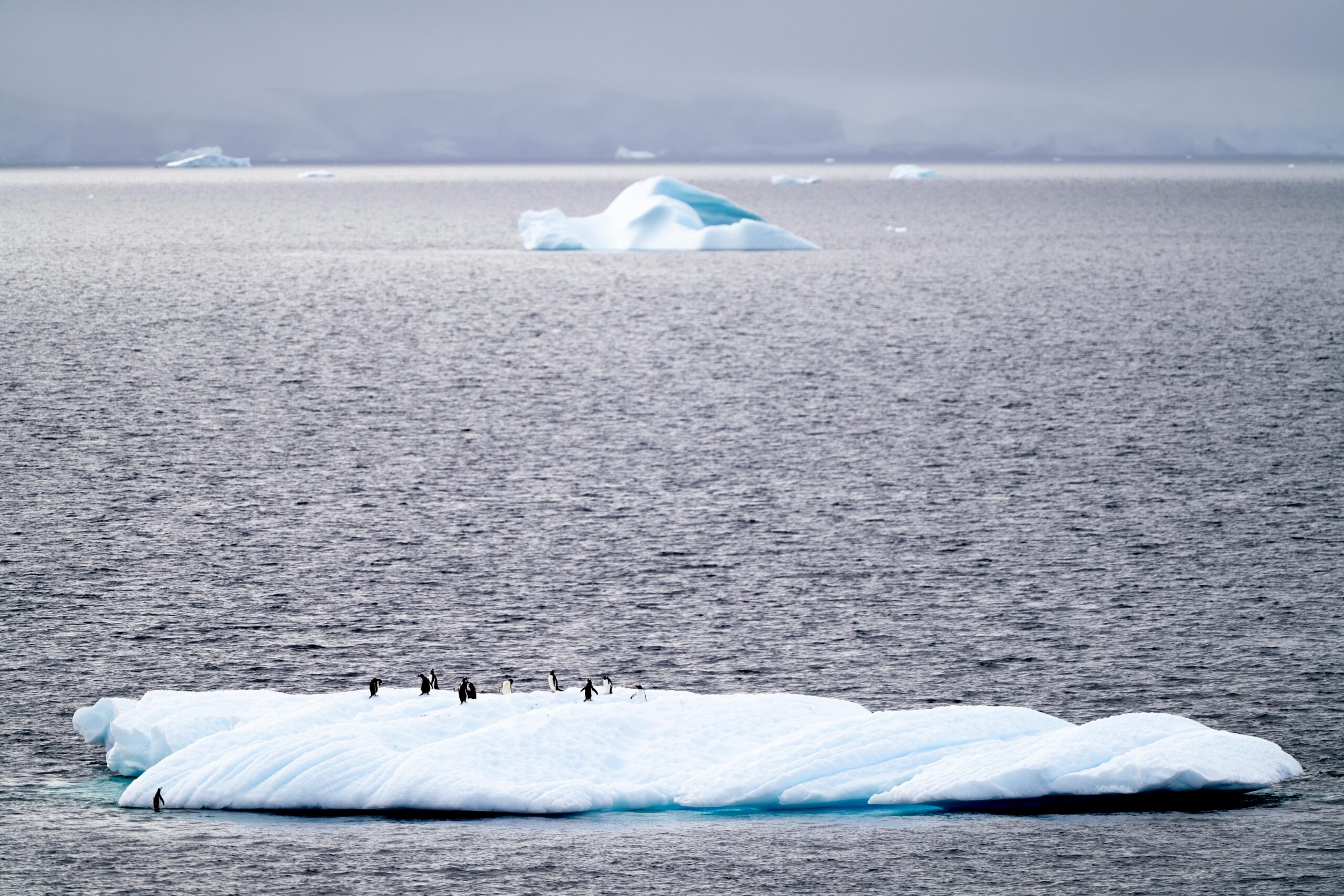
Antarctica, long regarded as one of the last untouched wildernesses on Earth, is facing mounting pressure from a rapidly expanding tourism industry. Scientists, environmental experts, and conservation groups are increasingly warning that rising visitor numbers could expose the frozen continent to contamination, invasive species, and potentially devastating disease outbreaks.
As expedition cruises and luxury travel experiences attract more visitors each year, concerns are growing that Antarctica’s fragile ecosystem may be approaching a critical tipping point.
What was once an isolated destination for researchers and explorers is now becoming one of the world’s fastest-growing adventure tourism markets—and experts say the environmental risks are escalating alongside it.
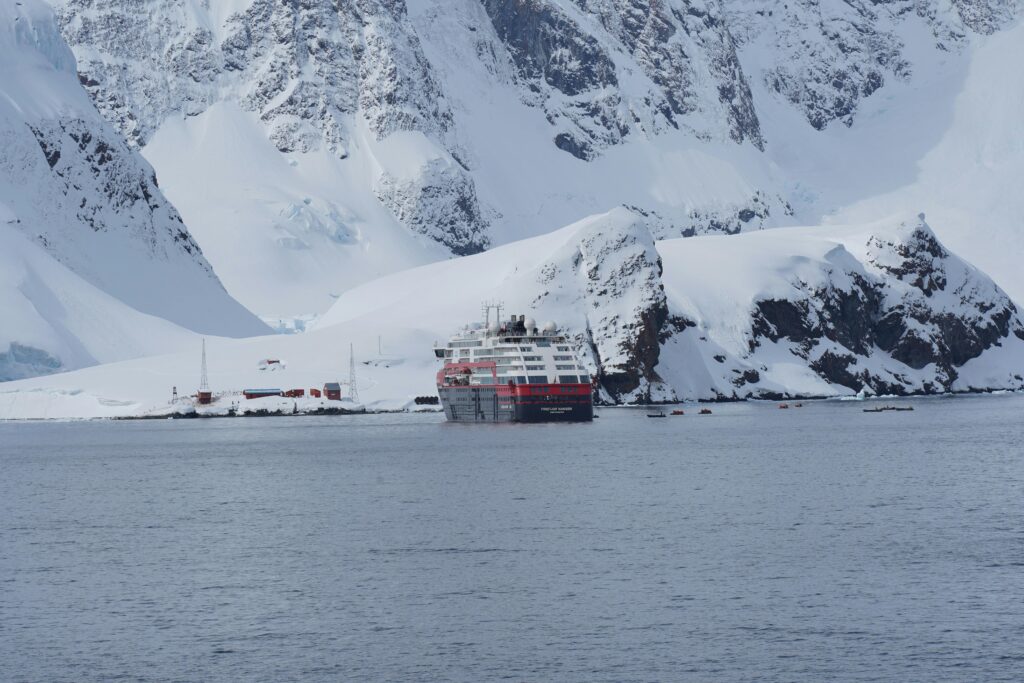
The Rise of Antarctic Tourism
Tourism to Antarctica has surged dramatically over the past two decades.
Modern travelers are increasingly drawn by:
- Wildlife encounters
- Iceberg landscapes
- Adventure tourism
- Climate-focused travel experiences
- Luxury expedition cruises
Improved ship technology and rising demand for “bucket-list” destinations have made Antarctic travel more accessible to affluent travelers worldwide.
Tour operators now offer:
- Helicopter excursions
- Polar kayaking
- Camping on ice
- Luxury suites
- Scientific tourism experiences
Some voyages cost tens of thousands of dollars per passenger.
Why Antarctica Is So Environmentally Fragile
Antarctica’s ecosystem evolved in extreme isolation over millions of years.
Because of this:
- Native species have limited resistance to outside pathogens
- Ecosystems recover very slowly from disturbances
- Biodiversity is highly specialized and delicate
Even small environmental disruptions can have long-lasting consequences.
For example:
- Foot traffic can damage rare moss beds
- Foreign microbes can alter local ecosystems
- Wildlife disturbances can affect breeding cycles
- Pollution can persist for decades in cold environments
Unlike many ecosystems elsewhere on Earth, Antarctica lacks strong natural defenses against invasive organisms.
The Growing Fear of Disease Introduction
One of the biggest concerns surrounding tourism expansion is the possibility of introducing diseases to Antarctic wildlife.
Scientists worry that humans could unintentionally carry:
- Viruses
- Bacteria
- Fungi
- Parasites
through:
- Clothing
- Boots
- Equipment
- Food supplies
- Waste materials
Even microscopic contamination may threaten vulnerable species.
Bird Flu and Wildlife Health Risks
Recent global outbreaks of highly pathogenic avian influenza have intensified fears about disease transmission in polar regions.
Species potentially at risk include:
- Penguins
- Seals
- Skuas
- Petrels
- Albatrosses
Because Antarctic wildlife populations evolved in isolation, many animals may have little or no immunity to introduced pathogens.
A major disease outbreak could devastate entire breeding colonies.
Some researchers fear that warming temperatures and increased human activity may create conditions that allow diseases to spread more easily.
Biosecurity Challenges in Antarctica
Biosecurity refers to measures used to prevent harmful organisms from entering sensitive ecosystems.
Antarctica presents unique biosecurity challenges because:
- It is remote
- Monitoring is difficult
- Multiple countries operate there
- Tourism traffic is rising rapidly
Visitors may accidentally introduce:
- Seeds
- Soil microbes
- Insects
- Rodents
- Marine organisms
through ships, luggage, or clothing.
Even a single invasive species could disrupt fragile ecological balances.
Climate Change Is Making the Situation Worse
Climate change is increasing Antarctica’s vulnerability in several ways.
Warmer Temperatures
Rising temperatures may help non-native species survive longer in polar environments.
Melting Ice Opens New Routes
Shrinking sea ice has expanded access for:
- Cruise ships
- Research vessels
- Tourist landings
Remote regions that were previously inaccessible are now seeing increased human activity.
Wildlife Stress
Many Antarctic species are already under pressure from:
- Habitat loss
- Food shortages
- Changing migration patterns
Additional disease exposure could intensify those stresses.
Tourism’s Economic Appeal
Despite environmental concerns, Antarctic tourism generates significant economic benefits.
The industry supports:
- Cruise companies
- Port cities
- Tour operators
- Hospitality sectors
- Research logistics providers
Gateway cities such as:
- Ushuaia
- Punta Arenas
have become major hubs for Antarctic expeditions.
For some regions, polar tourism contributes millions of dollars annually.
Are Current Regulations Strong Enough?
Antarctica is governed through the Antarctic Treaty System, an international agreement focused on peaceful use and environmental protection.
Tourism operators often follow guidelines established by:
- The International Association of Antarctica Tour Operators (IAATO)
Existing measures include:
- Visitor limits at landing sites
- Wildlife distancing rules
- Mandatory boot cleaning
- Waste management protocols
However, critics argue current systems rely too heavily on voluntary compliance and self-regulation.
Scientists Are Calling for Stricter Controls
Many experts now advocate:
- Visitor caps
- Expanded protected zones
- Stricter ship regulations
- Stronger disease surveillance
- Mandatory environmental monitoring
Some conservationists believe parts of Antarctica should become permanently off-limits to tourism.
Others argue tourism can support conservation by increasing global awareness of climate change.
The Ethical Debate Around Antarctic Tourism
The tourism boom has sparked ethical questions about whether humans should commercialize one of Earth’s last wildernesses.
Critics argue:
- Luxury tourism contradicts environmental protection goals
- Cruise ships contribute to carbon emissions
- Fragile ecosystems should not be exposed to unnecessary risk
Supporters counter that:
- Tourism inspires environmental awareness
- Visitors often become climate advocates
- Responsible tourism can fund conservation initiatives
The debate reflects broader global tensions between economic growth and environmental preservation.
Technology and Environmental Monitoring
Scientists are increasingly using advanced technologies to monitor tourism impacts.
Tools include:
- Satellite tracking
- Drone surveillance
- Environmental DNA sampling
- Wildlife sensors
- AI-powered ecological analysis
These systems help researchers detect contamination risks and monitor ecosystem changes more accurately.
The Future of Antarctic Tourism
Most analysts expect Antarctic tourism to continue growing unless stricter international limits are introduced.
Potential future policies may include:
- Quotas on visitor numbers
- Carbon taxes for polar travel
- Enhanced biosecurity inspections
- Larger protected marine zones
- Restrictions on large cruise ships
As climate change reshapes polar regions, Antarctica may become both more accessible and more vulnerable.
Frequently Asked Questions (FAQs)
1. Why is Antarctic tourism increasing?
Growing interest in adventure travel, climate awareness, and luxury expedition cruises has made Antarctica an increasingly popular destination.
2. What are the biggest environmental risks from tourism?
Major concerns include:
- Disease introduction
- Invasive species
- Wildlife disturbance
- Pollution
- Carbon emissions
3. Why are scientists worried about contamination?
Antarctica’s ecosystem evolved in isolation, making wildlife and habitats especially vulnerable to foreign microbes and organisms.
4. Can tourists bring diseases to Antarctica?
Yes. Humans can unintentionally transport pathogens, bacteria, fungi, or invasive species through clothing, equipment, and ships.
5. What is biosecurity?
Biosecurity refers to measures designed to prevent harmful organisms or diseases from entering sensitive environments.
6. Does climate change increase the risks?
Yes. Warmer temperatures and melting ice may help invasive species survive while increasing human access to remote Antarctic regions.
7. Are there rules regulating Antarctic tourism?
Yes. Tourism is governed under the Antarctic Treaty System and guidelines established by organizations like IAATO.
8. Could tourism permanently damage Antarctica?
Scientists warn that uncontrolled tourism growth could create long-term environmental impacts if protections are not strengthened.
Final Thoughts
Antarctica’s tourism boom reflects humanity’s growing desire to explore the planet’s most remote and extraordinary places. But it also highlights a difficult reality: the more accessible Antarctica becomes, the more vulnerable it may be to irreversible change.
As visitor numbers rise and climate pressures intensify, the challenge facing governments, scientists, and the tourism industry is becoming increasingly urgent. Protecting Antarctica will likely require stronger international cooperation, stricter environmental safeguards, and a careful rethinking of how much human activity the continent can safely sustain.
The future of Earth’s last great wilderness may depend on decisions being made today.
Sources Los Angeles Times

