
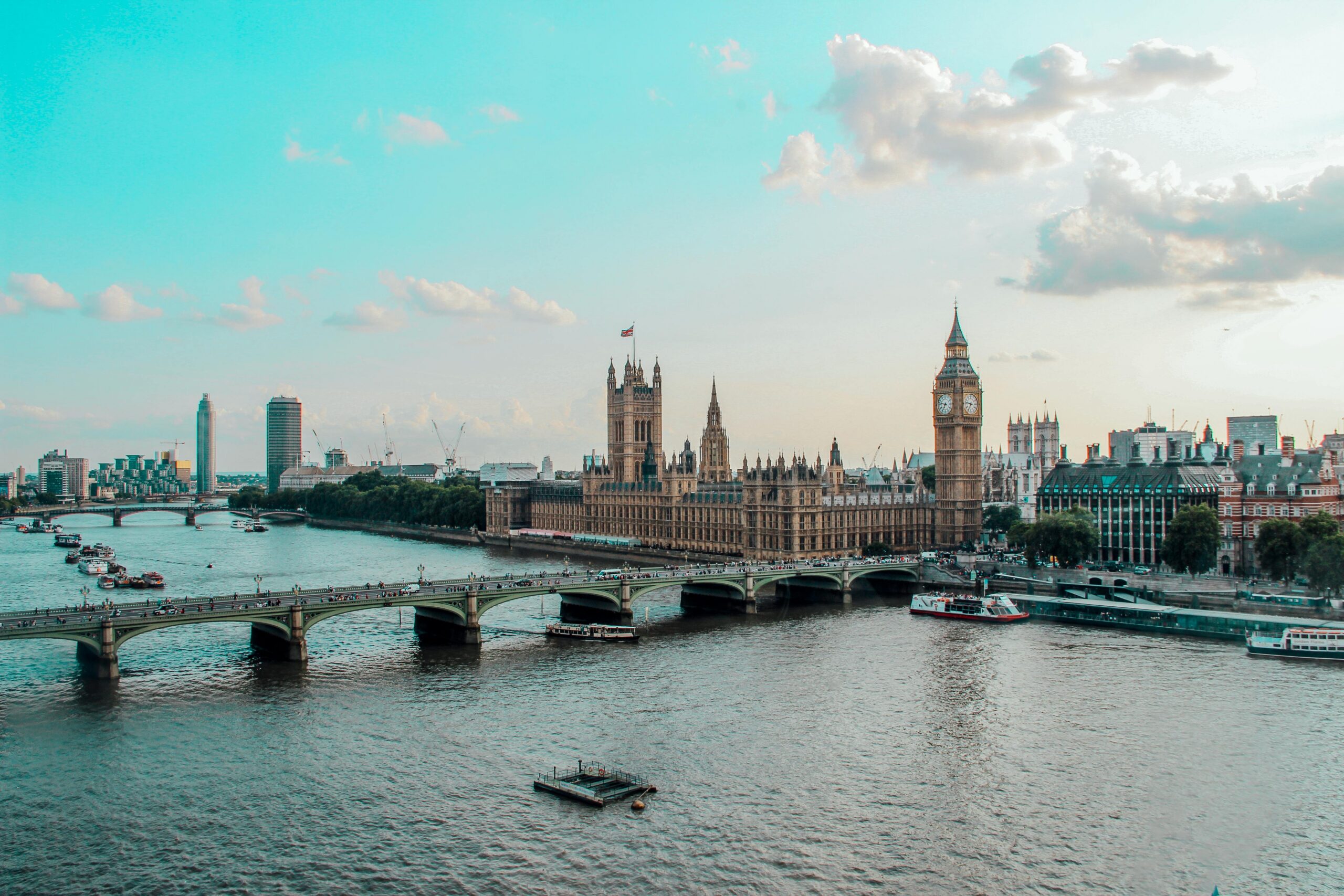
The United Kingdom has long been one of the world’s most popular travel destinations. From the historic streets of London and Edinburgh to the scenic landscapes of the Lake District and the Scottish Highlands, the country attracts tens of millions of international visitors every year. However, industry leaders are increasingly warning that rising travel taxes and higher transportation costs could undermine the UK’s competitiveness in the global tourism market.
Recent comments from British Airways CEO Sean Doyle have reignited the debate over whether the UK’s tax policies are discouraging tourists from visiting the country. According to Doyle, Britain risks falling behind tourism powerhouses such as France, Spain, and Japan because visitors face significantly higher travel-related costs when choosing the UK as a destination.
The Air Passenger Duty Problem
At the center of the controversy is the UK’s Air Passenger Duty (APD), a tax charged on passengers departing from UK airports.
The tax varies according to flight distance and class of travel. Following recent increases, passengers on some long-haul premium flights can pay more than £250 in APD alone. Even economy travelers face additional costs that many competing destinations do not impose at similar levels.
Critics argue that APD has evolved from a modest aviation levy into one of the highest passenger taxes in the world. Government revenues from APD have grown substantially over the past two decades, generating billions of pounds annually for the Treasury.
For families, the impact can be particularly significant. A family of five traveling internationally may face hundreds of pounds in additional charges before accounting for airfare, accommodation, food, and other travel expenses.
Tourism Is a Major Economic Engine
Tourism contributes billions of pounds to the British economy every year. The sector supports hotels, restaurants, transportation companies, entertainment venues, museums, retail businesses, and hundreds of thousands of jobs.
Before the COVID-19 pandemic, international tourism represented one of Britain’s strongest service exports. Although visitor numbers have largely recovered, growth has been slower than in several competing destinations.
The UK government has set ambitious goals for increasing international visitor numbers over the coming decade. However, industry leaders argue that achieving these targets will be difficult if travel to Britain remains more expensive than alternative destinations.
Why Tourists Are Choosing Other Countries
Global tourism has become intensely competitive.
Countries such as:
- Spain
- France
- Japan
- Portugal
- Turkey
have invested heavily in tourism infrastructure, streamlined visa systems, destination marketing campaigns, and visitor-friendly transportation networks.
Japan provides an especially interesting case study. Once considered a relatively niche destination for Western travelers, it has experienced explosive tourism growth over the past decade. Industry observers point to a combination of government support, infrastructure investment, and competitive travel costs as key drivers of its success.
In contrast, many visitors view the UK as increasingly expensive due to a combination of:
- Air passenger taxes
- High hotel prices
- Expensive rail travel
- Currency fluctuations
- Rising restaurant and entertainment costs
When travelers compare destinations, even small cost differences can influence decisions.
The Rail Cost Factor
The debate extends beyond air travel.
Sean Doyle has also highlighted the cost of rail travel within Britain. Many international visitors are surprised by the price of train tickets compared with transportation systems in continental Europe or East Asia.
Countries such as Japan, France, and Germany offer extensive tourist rail passes that make nationwide travel relatively straightforward and affordable. By contrast, Britain’s fragmented rail system can be difficult for visitors to navigate, particularly during peak travel periods.
If tourists perceive domestic travel as expensive or complicated, they may shorten their stays or choose alternative destinations altogether.

Environmental Goals Versus Economic Growth
Supporters of APD argue that aviation should contribute to environmental objectives.
Air travel generates carbon emissions, and taxation can encourage airlines and passengers to consider environmental costs. Governments around the world are under pressure to meet climate targets, making aviation taxation politically attractive.
However, opponents argue that current APD revenues are not specifically earmarked for environmental projects. They contend that the tax functions primarily as a revenue-raising mechanism rather than a climate policy tool.
This creates an ongoing policy dilemma:
- Reduce taxes to encourage tourism and economic growth.
- Maintain or increase taxes to generate government revenue and support environmental goals.
Finding the right balance remains one of the biggest challenges facing policymakers.
The Wider Debate Over Tourist Taxes
The discussion extends beyond aviation.
Some policymakers have explored introducing local tourist levies on overnight stays in hotels, guesthouses, and other accommodations. Supporters argue that these charges could fund local infrastructure and tourism services. Critics warn they would further increase the cost of visiting Britain and reduce competitiveness.
Many European cities already impose tourist taxes, but opponents note that visitors often accept these charges because the underlying travel costs are lower than those in Britain.
Can the UK Reach 50 Million Annual Visitors?
The UK has set ambitious long-term tourism targets, including attracting around 50 million international visitors annually.
Reaching that goal will require more than marketing campaigns. Industry experts suggest several priorities:
1. Review Air Passenger Duty
Many airlines advocate reducing APD, particularly on long-haul routes, to improve competitiveness.
2. Improve Rail Accessibility
Simplifying ticketing systems and introducing tourist rail passes could make travel within Britain more attractive.
3. Invest in Regional Tourism
London remains the primary gateway for many visitors, but regions across England, Scotland, Wales, and Northern Ireland offer significant growth opportunities.
4. Enhance Airport Infrastructure
Modern airports and efficient border processing improve the visitor experience.
5. Strengthen International Marketing
Competing destinations spend heavily on global tourism promotion, and Britain must continue showcasing its cultural, historical, and natural attractions.
Conclusion
The debate over tourism taxes reflects a broader question about Britain’s economic future. Tourism remains one of the country’s most valuable industries, generating employment, investment, and international visibility.
While taxes such as Air Passenger Duty generate important government revenue, critics argue they may also discourage visitors and limit tourism growth. As countries around the world compete aggressively for travelers, the UK faces increasing pressure to ensure that its tax and transportation policies support, rather than hinder, its tourism ambitions.
Whether policymakers choose to reform APD or maintain the status quo, the outcome could play a significant role in determining Britain’s position in the global tourism market over the next decade.
Frequently Asked Questions (FAQ)
1. What is Air Passenger Duty (APD)?
APD is a tax charged on passengers departing from UK airports. The amount depends on travel distance and ticket class.
2. Why are airlines criticizing APD?
Airlines argue that APD increases travel costs, discourages international visitors, and makes the UK less competitive compared with other tourism destinations.
3. Does the UK have one of the highest aviation taxes in the world?
Industry leaders, including British Airways CEO Sean Doyle, have stated that UK aviation taxes are among the highest internationally.
4. How important is tourism to the UK economy?
Tourism contributes billions of pounds annually and supports hundreds of thousands of jobs across hospitality, transportation, retail, and entertainment sectors.
5. Could reducing tourism taxes increase visitor numbers?
Many economists and industry groups believe lower travel costs could boost tourism demand, although the exact impact would depend on broader economic conditions and traveler preferences.
Sources The TImes

