
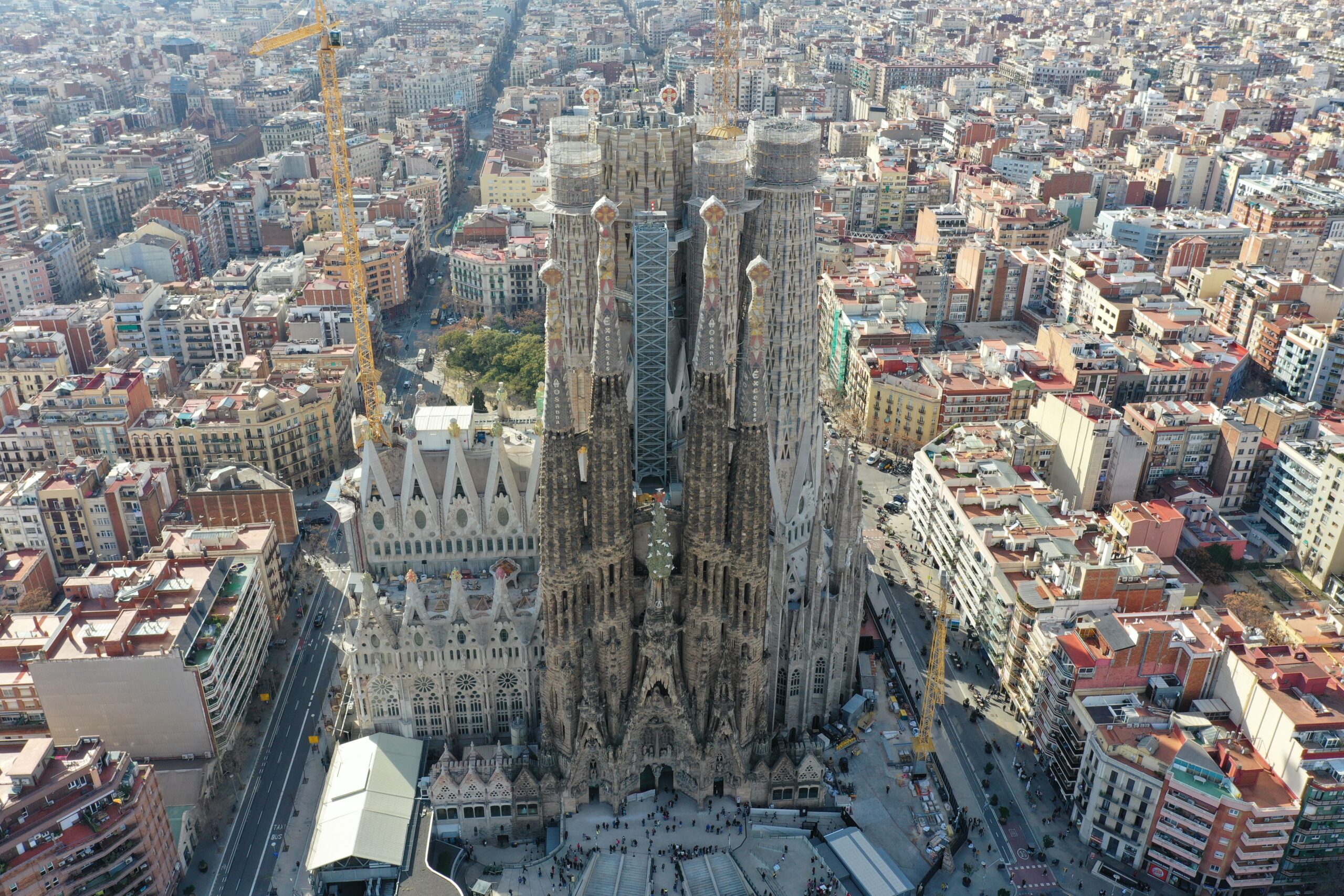
For more than 140 years, the soaring towers of Barcelona’s iconic basilica have symbolized ambition, faith, artistic genius, and unfinished dreams. Now, after generations of architects, craftsmen, engineers, and builders have contributed to the project, the legendary Sagrada Família is approaching completion.
For many, this milestone represents the culmination of a vision first imagined by the celebrated architect Antoni Gaudí in the late 19th century. Yet as the basilica nears its final chapter, a new controversy is emerging. Instead of universal celebration, the project has become intertwined with a growing backlash against mass tourism in Barcelona.
The debate highlights a challenge facing many of the world’s most popular destinations: how can cities preserve cultural treasures while protecting the quality of life of the people who live alongside them?
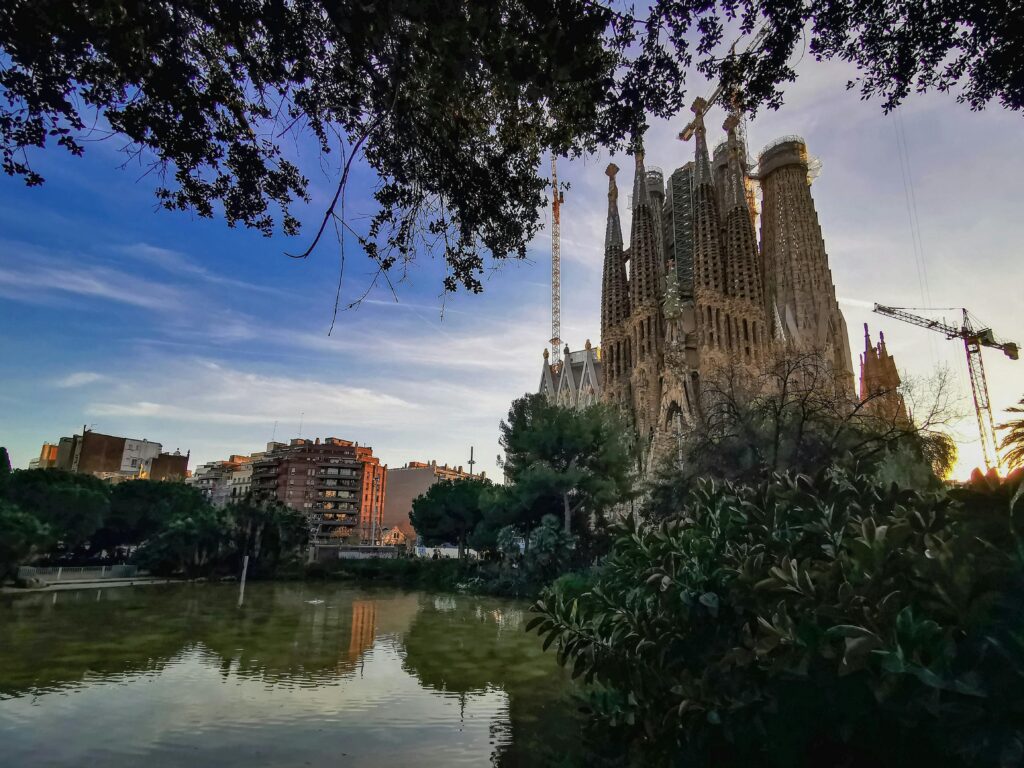
A Cathedral Unlike Any Other
Construction on the Sagrada Família began in 1882.
When Gaudí assumed control of the project in 1883, he transformed what was initially a conventional church design into one of the most ambitious architectural projects in history.
His vision combined:
- Gothic architecture
- Art Nouveau influences
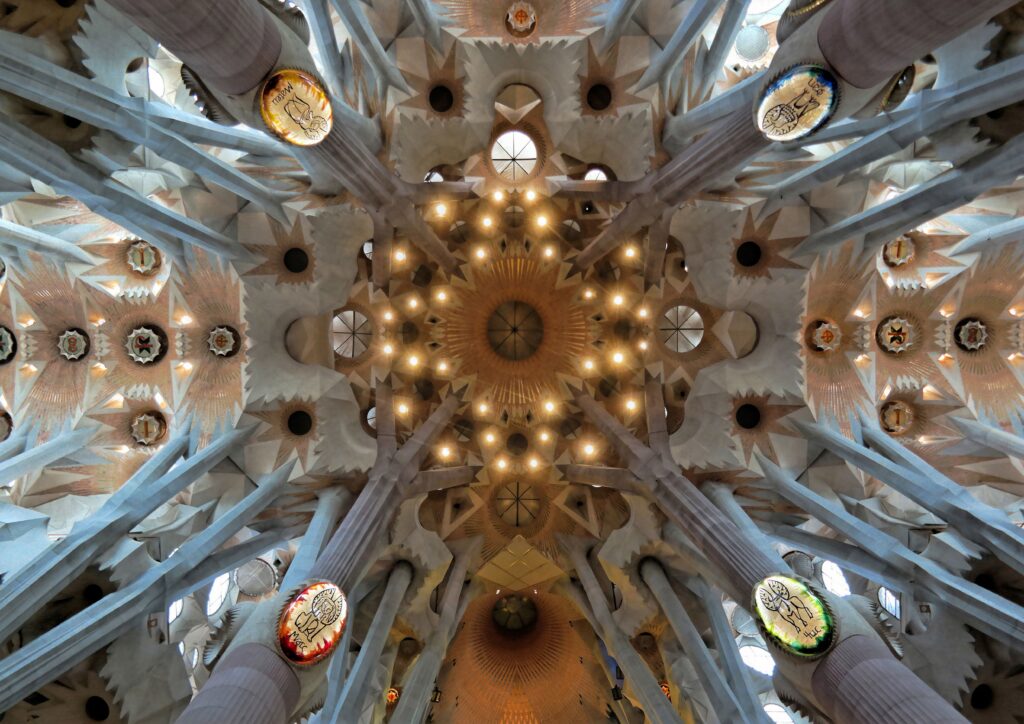
- Natural forms inspired by forests, mountains, and organic geometry
- Deep religious symbolism
- Advanced structural engineering concepts
Gaudí devoted the final years of his life almost entirely to the basilica, famously declaring that “my client is not in a hurry,” referring to God.
When he died in 1926 after being struck by a tram, less than a quarter of the structure had been completed.
Why Has Construction Taken So Long?
The Sagrada Família’s lengthy construction timeline is the result of multiple factors.
Reliance on Private Funding
Unlike many major religious monuments, the basilica has been funded primarily through donations and, later, visitor ticket revenue.
Construction speed depended heavily on available funding.
Political Instability
Spain experienced periods of political turmoil, including the devastating Spanish Civil War.
During the war, parts of Gaudí’s workshop were destroyed, and many original plans and models were damaged.
Engineering Complexity
The basilica’s design was centuries ahead of its time.
Modern construction techniques, computer modeling, and digital fabrication technologies have only recently made some of Gaudí’s concepts practical to build.
Pandemic Disruptions
The COVID-19 pandemic caused tourism revenue to collapse, significantly slowing construction progress due to reduced ticket sales.
The Final Push Toward Completion
The remaining work focuses primarily on:
- The central Tower of Jesus Christ
- Decorative sculptural elements
- The Glory Façade
- Urban integration projects surrounding the basilica
When completed, the central tower will rise approximately 172.5 meters (566 feet), making it the tallest church structure in Europe.
Gaudí intentionally designed the tower to remain slightly shorter than nearby natural elevations, reflecting his belief that human creations should not surpass the works of nature.
A Tourism Magnet Unlike Any Other
The Sagrada Família has evolved into one of Europe’s most visited landmarks.
Before the pandemic, the basilica attracted millions of visitors annually, generating substantial revenue for:
- Hotels
- Restaurants
- Tour operators
- Retail businesses
- Transportation services
Tourism contributes significantly to Barcelona’s economy, supporting tens of thousands of jobs and generating billions of euros in economic activity.
The basilica has become both a cultural icon and an economic engine.
However, success has created new challenges.
The Rise of Tourism Fatigue
Many Barcelona residents argue that the city has become a victim of its own popularity.
Concerns frequently raised include:
Overcrowding
Popular neighborhoods can become difficult for residents to navigate during peak tourist seasons.
Rising Housing Costs
The growth of short-term rentals has been linked to increased housing prices and reduced availability for local residents.
Noise and Congestion
Heavy visitor traffic affects public transportation, streets, and public spaces.
Loss of Local Identity
Some residents fear historic neighborhoods are increasingly catering to visitors rather than serving local communities.
These concerns have fueled protests and broader debates about the future of tourism in Barcelona.
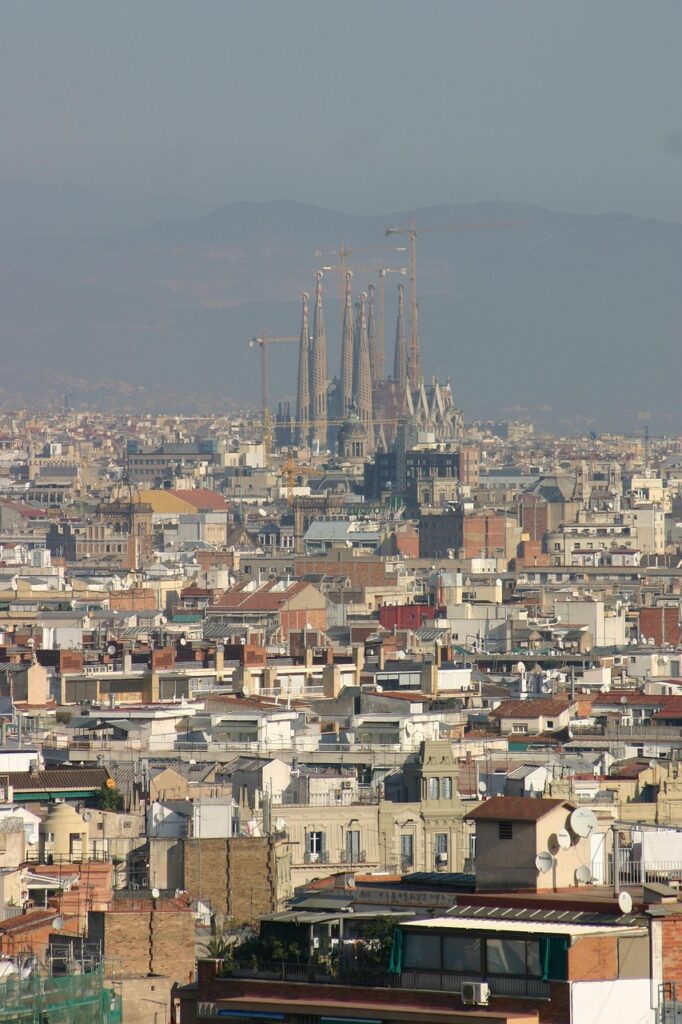
Why the Sagrada Família Has Become a Symbol
The basilica itself is not the cause of Barcelona’s tourism challenges.
Instead, it has become a symbol of a broader issue.
For critics of mass tourism, the continuing expansion of infrastructure around the monument represents:
- More visitors
- Increased congestion
- Additional commercial development
- Greater pressure on surrounding neighborhoods
Supporters counter that the basilica is one of the world’s great cultural achievements and remains essential to the city’s identity and economy.
The debate reflects competing visions for Barcelona’s future.
The Urban Planning Controversy
One of the most contentious issues involves plans surrounding the basilica’s future urban layout.
For decades, discussions have centered on completing aspects of Gaudí’s original vision, including large-scale public spaces and access routes around the structure.
Some proposals could require significant changes to nearby streets and properties.
Residents have raised concerns about:
- Potential displacement
- Property impacts
- Neighborhood disruption
- Increased tourist flows
Urban planners face the difficult task of balancing historical preservation with modern community needs.
How Technology Helped Finish Gaudí’s Dream
One often overlooked aspect of the project is the role of modern technology.
Today’s builders use:
- 3D modeling
- Digital scanning
- Artificial intelligence-assisted analysis
- Computer-aided design
- Advanced stone-cutting machinery
These technologies allow architects to interpret Gaudí’s surviving models and reconstruct highly complex geometric forms with unprecedented accuracy.
Ironically, a structure conceived in the 19th century is being completed using some of the most advanced engineering tools of the 21st century.
Lessons for Global Tourism Destinations
Barcelona’s experience is not unique.
Cities worldwide face similar tensions between economic growth and quality of life.
Examples include:
- Venice
- Amsterdam
- Kyoto
- Dubrovnik
- Prague
Many destinations are experimenting with:
- Tourist taxes
- Visitor caps
- Cruise ship restrictions
- Short-term rental regulations
- Sustainable tourism initiatives
The goal is to preserve cultural heritage while maintaining livable communities.
What Completion Could Mean for Barcelona
The completion of the Sagrada Família will likely trigger renewed global attention.
Potential benefits include:
- Increased tourism revenue
- Enhanced international visibility
- New cultural opportunities
- Additional investment
However, it may also intensify existing debates about visitor management and urban sustainability.
Barcelona’s response could become a model for other cities confronting similar challenges.
A Monument That Outlived Its Creator
Very few construction projects span multiple centuries.
Even fewer become symbols of both artistic triumph and modern social debate.
The Sagrada Família represents more than architecture. It embodies the persistence of human imagination across generations.
As cranes finally begin disappearing from Barcelona’s skyline, the basilica may be nearing completion—but the conversation surrounding tourism, urban identity, and cultural preservation is only beginning.
The next chapter in the story of the Sagrada Família will not be written by architects alone. It will be shaped by residents, visitors, policymakers, and future generations who must decide how to balance global admiration with local realities.
Frequently Asked Questions (FAQ)
1. When will the Sagrada Família be completed?
Major construction is expected to be substantially completed during the coming years, although decorative and surrounding urban development work may continue beyond the primary construction milestones.
2. Why did the Sagrada Família take more than 140 years to build?
The long timeline resulted from limited funding, the Spanish Civil War, the destruction of original plans, engineering challenges, and interruptions such as the COVID-19 pandemic.
3. Why are some Barcelona residents protesting tourism?
Residents cite overcrowding, rising housing costs, neighborhood disruption, increased noise, and concerns about the city’s cultural identity being altered by mass tourism.
4. What makes the Sagrada Família architecturally unique?
Gaudí combined Gothic and Art Nouveau styles with nature-inspired geometry, innovative engineering concepts, and extensive religious symbolism, creating one of the world’s most distinctive buildings.
5. How many tourists visit the Sagrada Família each year?
Before the pandemic, the basilica welcomed millions of visitors annually and ranked among the most visited attractions in Europe, making it one of Spain’s most important tourism destinations.
Sources The Wall Street journal

