
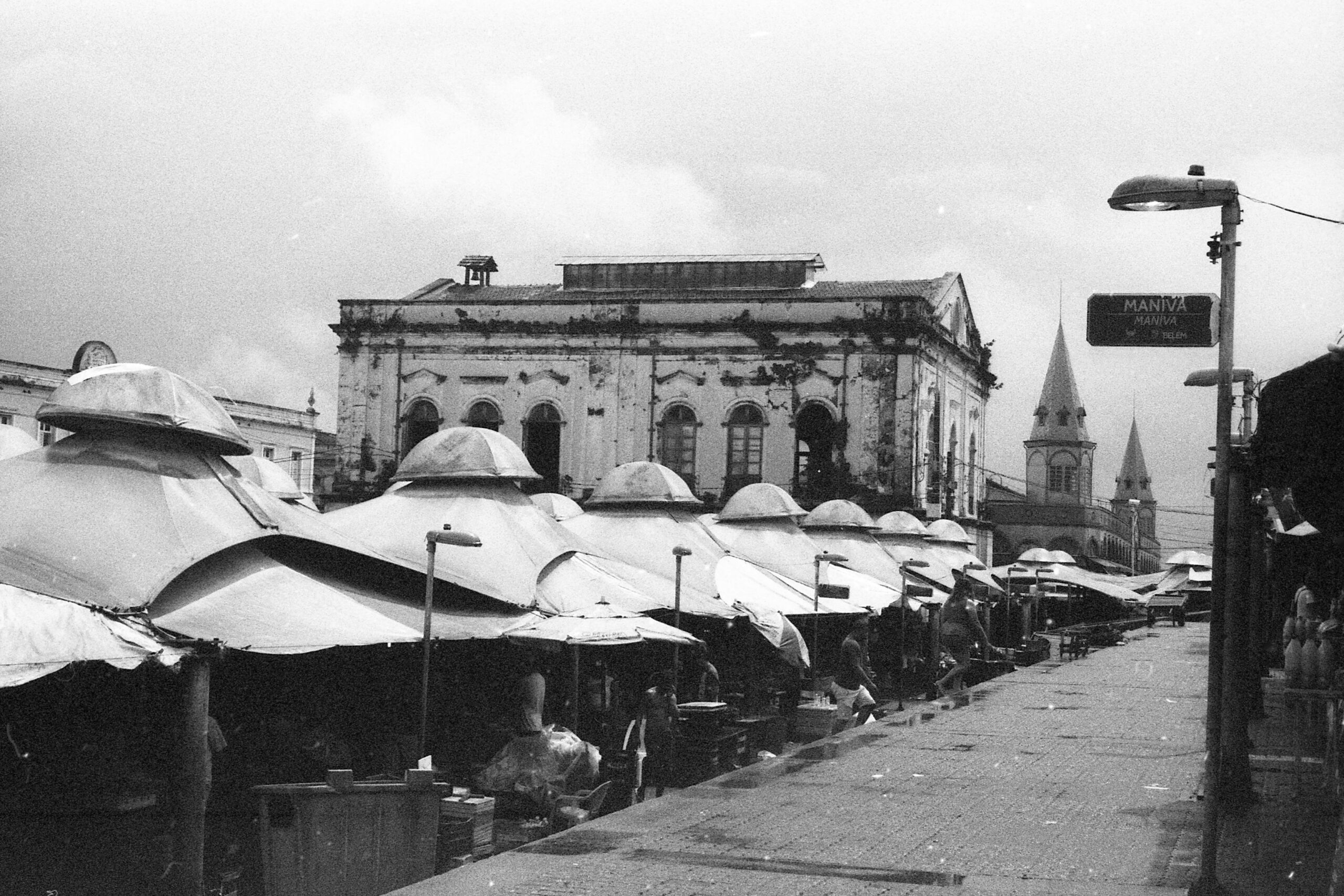
A Market Transformed
In the riverside city of Belém at the mouth of the Amazon sits the iconic Ver-o-Peso Market — a sprawling open-air marketplace known for its fishmongers, herbal-medicine stalls, riverboat traders, and Amazonian crafts. For decades, it has embodied the sensory overload of Amazon life: the smell of fresh açaí being mashed, fishermen unloading dawn catches, and vendors calling out in regional dialects.
Recently, though, the market has undergone a dramatic shift. Fewer rats scurry between the stalls. More tourists arrive with cameras and guided tours. Some vendors say their long-time customers feel pushed aside. Others welcome the change as long overdue modernisation.
And this shift isn’t accidental — it’s tied to Belém preparing to host the global COP30 climate summit, a high-visibility event that has put the entire city under a development spotlight.
Why the Timing Matters
Hosting a massive global conference has brought pressure to “clean up” public spaces, improve infrastructure and make markets more tourist-friendly. That means rat-control campaigns, new lighting, resurfaced walkways, vendor reorganisations and stricter hygiene requirements.
In a place like Ver-o-Peso — a market historically defined by its raw, organic chaos — these changes have become especially noticeable. The question now is whether this transformation enhances the experience, or strips away the authenticity that made the market famous.
What the Tourist Surge Looks Like
1. A Shift in What’s Being Sold
Traditional stalls selling fish, herbs and Amazonian staples now sit beside more polished stands offering souvenirs, packaged goods, and photo-friendly displays crafted for visitors.
2. Rising Prices and Changing Customer Base
Some visitors enjoy the upgrades, but locals report higher prices and fewer stalls catering to everyday shoppers. What used to be a “for-the-community” market is increasingly doubling as a tourism hub.
3. Fewer Rats — But at a Cost
While the reduction in vermin improves hygiene and comfort, some locals say the “sanitised” environment feels less alive, less tied to the river and fishing culture that defines the Amazon region.
4. Major Infrastructure Upgrades
New pathways, improved drainage, expanded lighting and reorganised vendor rows have made the market more walkable and more photogenic — but also less gritty and less spontaneous.
Why These Changes Raise Big Questions
Authenticity vs. Sanitization
Ver-o-Peso’s charm has always come from its raw edges — the mix of boats, wildlife, mud, noise and humanity. Too much clean-up risks turning it into a curated “show” rather than an organic Amazonian bazaar.
Local Livelihoods vs. Tourism Economics
If rents rise for stall owners or more space is allocated to tourist-friendly vendors, traditional sellers might find themselves squeezed out. Local shoppers may discover fewer affordable options as the market shifts toward visitor spending.
Environmental and Cultural Trade-Offs
Intensive pest-control, infrastructure replacements and cosmetic upgrades come with ecological impacts. They also alter the longstanding river-market relationship that has defined the city’s identity.
Who Gets to Shape the Future?
As Belém modernises for international attention, locals worry that decisions are being made for foreign visitors rather than the communities who rely on Ver-o-Peso daily.
What the Original Coverage Missed
- The market’s deep ecological roots: Ver-o-Peso is tied to river rhythms, fishing patterns and traditional herbal medicine — not just commerce.
- Voices of long-time vendors: Many are caught between tradition and the financial lure of tourism.
- Ripple effects on nearby neighborhoods: As the market upgrades, surrounding areas face gentrification pressure, changing property values and shifting demographics.
- Environmental footprint of modernization: New building materials, chemical pest-control and rising electricity demand alter the market’s thin ecological balance.
- COP30’s broader influence: Housing shortages, rising prices and city-wide infrastructure projects all shape the market’s future.
The Bigger Picture
Ver-o-Peso’s transformation reflects a broader tension: how do cities preserve cultural heritage while embracing global attention? As the world prepares to visit Belém for a historic climate summit, the city is polishing itself for visitors. But in doing so, it risks dulling some of the authenticity that made it special.
Markets evolve — but they also tell stories. Ver-o-Peso is still alive, still vibrant, still worth visiting. Yet its next chapter will depend on how well Belém balances tourist appeal with local soul.
Frequently Asked Questions
Q: Why are there fewer rats at the market now?
A: The city has intensified pest-control and sanitation efforts ahead of major tourism growth and COP30 preparations, reducing visible rodents significantly.
Q: Is the market still worth visiting?
A: Yes — it remains one of Brazil’s most unique markets. But expect a mix: part authentic Amazonian experience, part tourist-oriented.
Q: Are traditional vendors being pushed out?
A: Some report rising rents and competition from new stalls targeting tourists, though the full impact varies by section of the market.
Q: How is the climate summit connected to all this?
A: Belém is upgrading infrastructure across the city to host global delegates. Ver-o-Peso is one of the most visible areas to receive rapid improvements.
Q: Is the market losing its authentic feel?
A: Some locals say yes — that the cleaner, more organised environment looks less like a historic Amazon port and more like a polished attraction. Others welcome the improved hygiene and safety.
Q: What’s the best time to visit the market?
A: Early morning, when fishermen arrive with fresh catches and vendors set up. It’s the most authentic window into daily life.
Q: Are prices higher now?
A: In some sections, especially tourist-oriented zones. Local produce prices vary, but some longtime shoppers report noticeable increases.
Q: How can visitors be respectful?
A: Support traditional vendors, ask before taking photos, avoid blocking paths in busy aisles, tip appropriately, and be mindful that this is a working market, not just a tourist attraction.
Sources The New York Times

