
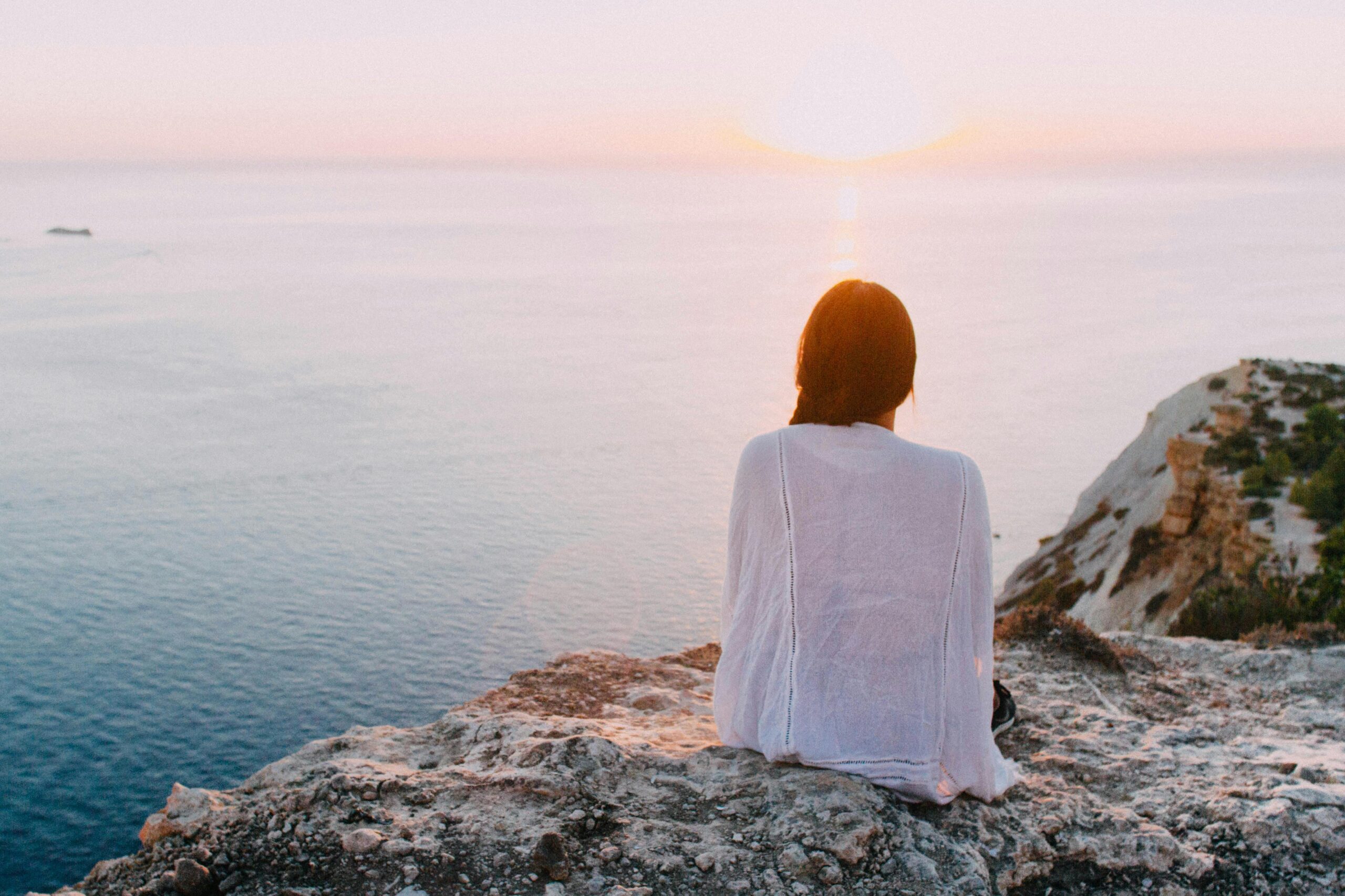
The Balearic Islands—long seen as Mediterranean havens for sun-seekers and Instagrammers—are pushing back against what local officials now call “predatory” selfie tourism. As TikTok and Instagram influencers continue to drive massive crowds to fragile natural spots and remote villages, authorities across Mallorca, Menorca, and Ibiza are fighting to reclaim their cultural and ecological spaces.
From Paradise to Pressure Cooker
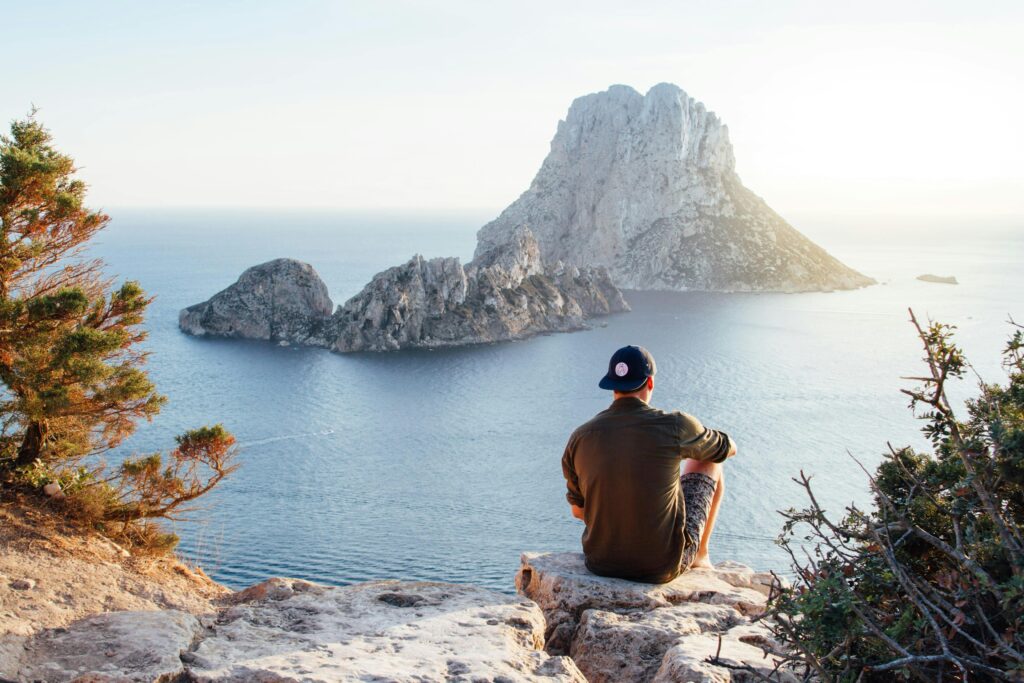
Over the past five years, places like the tiny village of Biniaraix, the remote cove of Caló des Moro, and Ibiza’s es Vedrà cliffs have gone from local secrets to global must-visits—thanks to viral drone shots and “hidden gem” travel reels. The result?
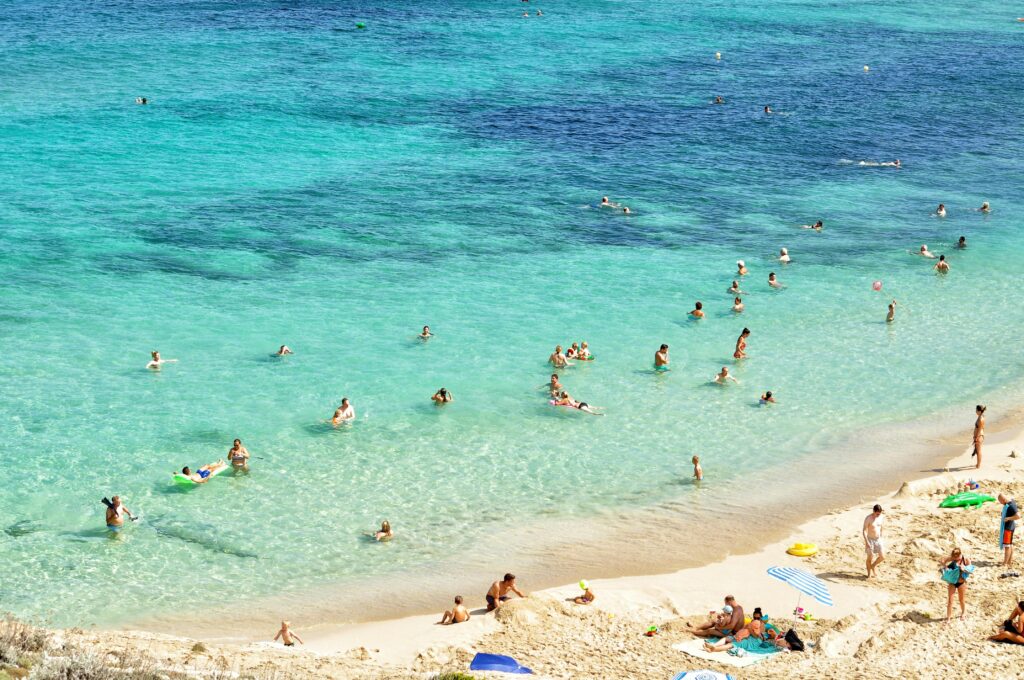
- Overtourism spikes: Up to 15,000 people visit Caló des Moro on a single summer weekend, often lining up at dawn just to snap a few photos.
- Local strain: Villages built for a few hundred residents are facing traffic jams, overflowing bins, and blocked emergency routes.
- Environmental damage: Cliffside trails are eroding faster than they can be repaired. Water shortages are intensifying as summer demand outpaces sustainable levels.
The New Pushback
1. Restricted Access to Natural Sites
The regional government is rolling out a permit system for top-trending hotspots. Caló des Moro and Torrent de Pareis will limit access to 500 visitors per day starting July 1, with advance booking required via a new Balearic environment app.
2. Fines for Off-Limits Selfies
In Ibiza, local police now fine tourists who trespass into protected ecological areas to get drone shots or cliffside yoga pics. Fines range from €300 to €3,000, depending on damage or disruption caused.
3. Social Media Accountability
Balearic tourism boards are urging influencers to geo-blur sensitive locations and include sustainability disclaimers. Some creators are already responding: major Spanish travel accounts now tag posts with messages like “Respect local residents” and “Leave no trace.”
Local Voices Speak Out
- Maria Ripoll, Biniaraix Council Member: “We’ve gone from welcoming guests to managing chaos. The right to peace and safety for residents must come before likes and shares.”
- Environmentalists: Groups like GOB Mallorca argue that unchecked tourism is contributing to coastal degradation, biodiversity loss, and water overuse. They’re lobbying for stricter caps on short-term rentals and cruise ship arrivals.
- Residents: Many express mixed feelings. While tourism supports local economies, there’s growing fatigue with noise, crowds, and disrespectful behavior—especially during the summer high season.
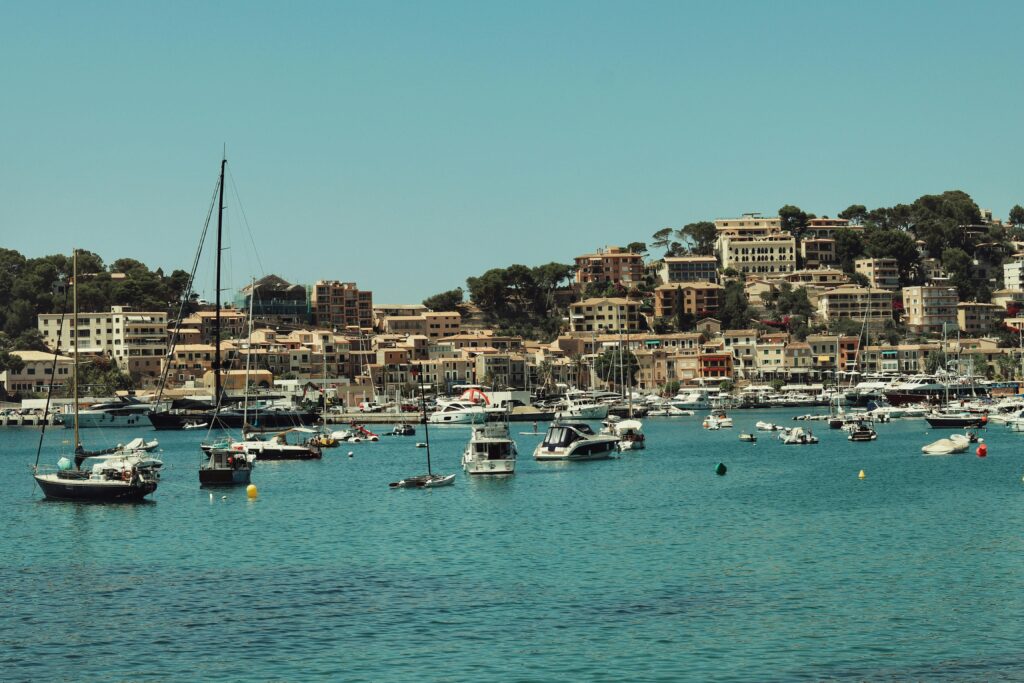
Tourism Models in Transition
Balearic officials aren’t looking to shut tourism down—but to reshape it. New initiatives include:
- Slow Tourism Incentives: Discounts on eco-tours, off-season travel, and village homestays.
- Education Campaigns: Airport signage now reminds travelers to “visit mindfully,” while hotels distribute guides on low-impact travel.
- Tech-Driven Solutions: A new heatmap tool alerts tourists to over-capacity areas in real time and suggests alternative spots nearby.
Frequently Asked Questions
Q: What is “selfie tourism”?
A: It refers to travel driven largely by social media exposure, where travelers visit a location primarily to photograph it, often crowding small or fragile spaces.
Q: Why are the Balearic Islands reacting now?
A: After years of steadily growing strain, summer 2024 saw record overcrowding, leading to safety concerns and environmental warnings.
Q: Can I still visit Caló des Moro or es Vedrà?
A: Yes—but from July 2025, you may need a timed entry permit, especially during peak months. Check the official Balearic tourism app for updates.
Q: Are fines really being enforced?
A: Yes. In May 2025, over 200 fines were issued in Ibiza alone for unauthorized drone use, cliff-edge trespassing, and off-path hiking.
Q: What are alternatives to crowded sites?
A: Try inland hiking routes in Serra de Tramuntana, visit less-publicized coves on Menorca’s northern coast, or explore Ibiza’s heritage villages like Sant Joan.
Q: How are influencers responding?
A: Some now include ethics disclaimers, avoid naming fragile locations, or collaborate with local tourism boards on responsible campaigns.
Q: Are other destinations doing this too?
A: Yes. Venice, Amsterdam, and parts of Iceland have introduced visitor caps, tourist taxes, and campaign restrictions to reduce overtourism.
Q: How does this affect cruise ships?
A: Palma de Mallorca’s port authority now limits cruise ship arrivals to three per day. Environmental groups are lobbying to lower this further.
Q: Is this hurting the economy?
A: Not yet—but officials say future tourism must prioritize quality over quantity to remain sustainable and support long-term local livelihoods.
Q: What can tourists do to help?
A: Travel in shoulder seasons, stay longer in fewer places, avoid over-tagged spots, use reusable water bottles, and respect residential areas.
Sources The Guardian

