
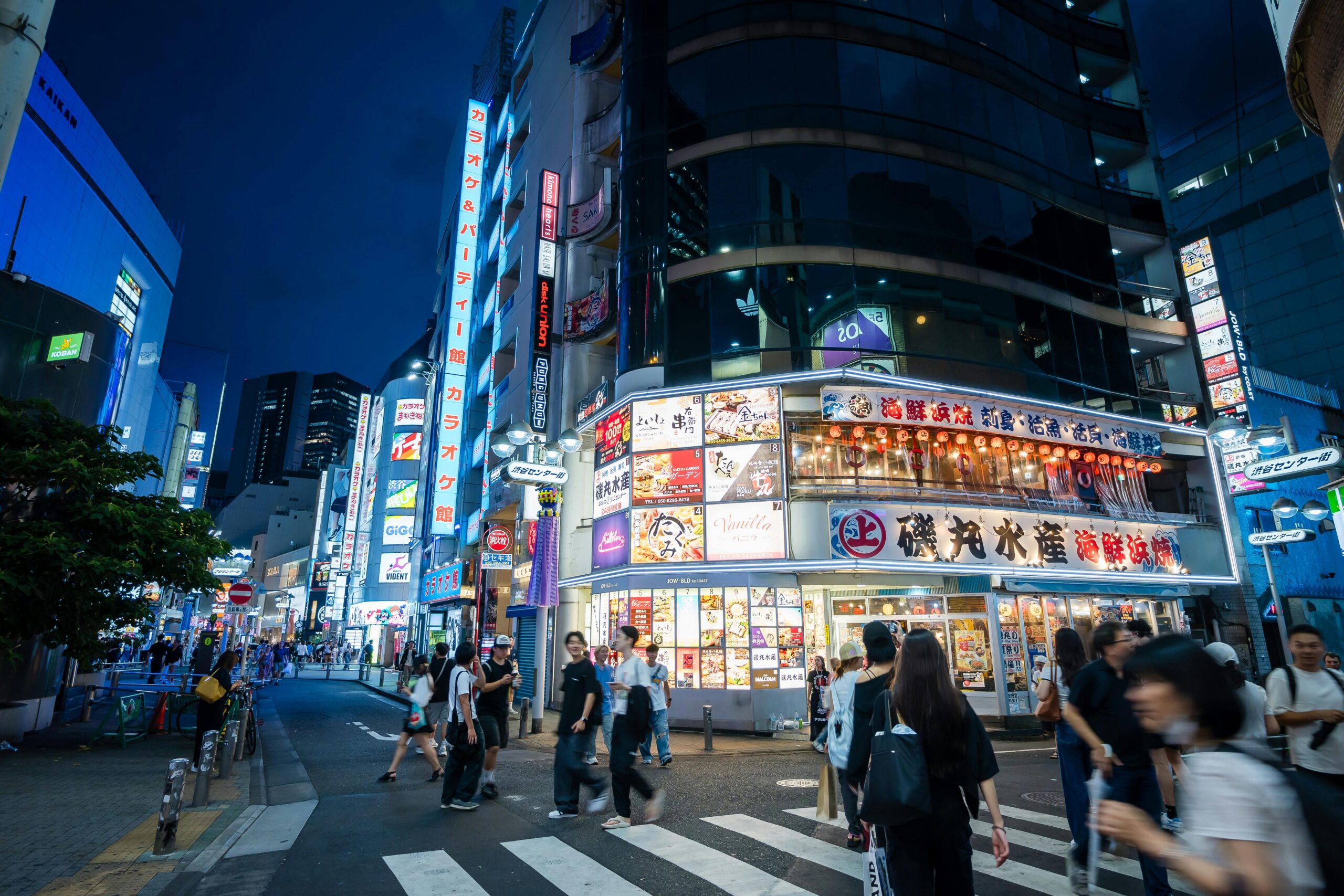
Late May 2025 saw an unexpected plunge in bookings for trips to Japan, as a wave of anxiety swept through Asia’s travel market. The trigger was a resurfaced manga by artist Ryo Tatsuki—dubbed Japan’s “New Baba Vanga”—which predicts a major natural disaster striking in July 2025. Major travel agencies and airlines, especially in Hong Kong, reported double-digit cancellation rates as worried travelers reconsidered or postponed their plans.

Who Is Ryo Tatsuki, the “New Baba Vanga”?
Ryo Tatsuki first gained attention for uncanny forecasts: her 1999 comic Watashi ga Mita Mirai (The Future I Saw) purportedly foresaw events like the 2011 Tōhoku earthquake and high-profile celebrity deaths. A “complete edition” republished in 2021 added chilling new predictions: a devastating tsunami and quake in July 2025. Her reputation for accuracy has since inspired both fascination and fear.
Tourism Take-off Grounded by Prophecy
In 2024, nearly 2.7 million Hong Kong residents traveled to Japan. But since the prophecy’s revival, agencies like CLS Holiday saw a “big shift” in customer preferences, with cancellations spiking by 20–30%. Clients cited the manga’s July date as reason enough to stay home.
Government and Expert Reassurances
Japan’s Cabinet Office quickly reminded the public that “predicting earthquakes by date, time and place is not possible based on current scientific knowledge.” Officials emphasized Japan’s world-class seismic monitoring and strict building codes designed to mitigate quake risks, even as they acknowledged the power of rumors.
Airlines and Travel Firms on Edge
Airlines serving routes from Hong Kong and Taiwan reported a 15% drop in load factors for June and July. Some carriers began offering more flexible rebooking policies, while travel insurers noted an uptick in policy amendments tied to “natural-disaster concerns.” A viral video from a Hong Kong outlet—featuring a feng shui master urging viewers to avoid Japan—further stoked unease.
A Nation Prepared—But Jitters Persist
Japan endures more than 1,500 measurable tremors yearly, and its disaster-readiness drills and infrastructure are among the most advanced globally. Yet this episode underscores how cultural storytelling—manga and fortune-telling in particular—can ripple into real-world economic swings. As the July date approaches, industry watchers say clear scientific updates and visible safety measures will be key to restoring traveler confidence.

Frequently Asked Questions
Q: Who exactly is Ryo Tatsuki?
A: A Japanese manga artist whose editions of Watashi ga Mita Mirai claim to document predictive dreams, including major quakes and tsunamis.
Q: Can her predictions be scientifically validated?
A: No—Japan’s seismic authorities and global experts agree that pinpointing earthquakes by date or location remains impossible.
Q: How severe are the cancellations?
A: Travel agencies report a 20–30% uptick in canceled Japan bookings from Hong Kong and Taiwan since the prophecy resurfaced.
Q: Which regions are most affected?
A: Hong Kong leads with the highest cancellation rates, followed by Taiwan and parts of Southeast Asia where Tatsuki’s work is widely read.
Q: What are airlines doing in response?
A: Many have introduced free rebooking windows for Japan-bound flights and are reminding customers of their safety records and flexible fare options.
Q: Will travel insurance cover these cancellations?
A: Policies vary—standard plans typically cover cancellations for official natural-disaster warnings but not for rumors or unverified forecasts.
Q: Has the Japanese government offered any incentives?
A: Beyond public reassurances, the Japan National Tourism Organization is ramping up promotional campaigns highlighting earthquake-safety measures and low-risk seasons.
Q: Could this panic spread to other destinations?
A: Similar phenomena have occurred when viral rumors target specific locales; experts warn that unchecked panic can fuel broader tourism downturns.
Q: What’s the best way to plan a Japan trip now?
A: Book refundable or change-permitted fares, insure against official natural-disaster advisories, and consult reputable seismic-monitoring sources for up-to-date safety information.
Q: Is July 2025 travel still advisable?
A: Yes—while understandable concerns exist, Japan’s robust disaster-management infrastructure and historical preparedness make it one of the safest countries to visit in quake-prone regions.
Sources CNN

