
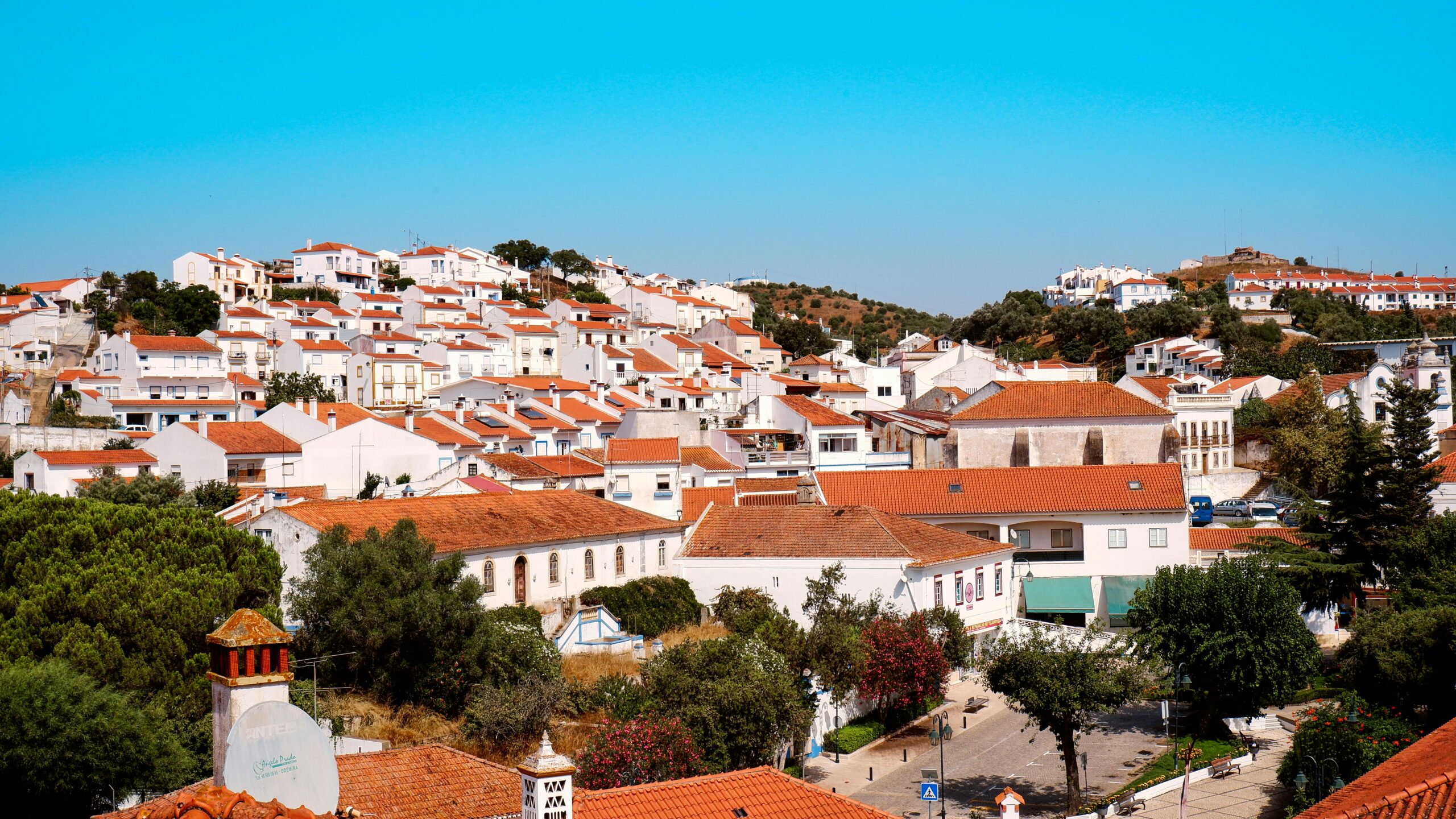
Portugal has long been celebrated for its beauty—sun-soaked beaches in the Algarve, vibrant streets of Lisbon, and the cultural richness of Porto. Yet beyond these iconic destinations lies a vast, often overlooked interior filled with historic villages, landscapes, and authentic cultural experiences.
As highlighted in the Euronews article, Portugal is now making a strategic move to boost regional tourism through €11 million in targeted investments. But this initiative is more than just a funding program—it represents a broader shift toward sustainable tourism, regional development, and economic balance.

Why Portugal Is Turning Inland
1. The Problem of Coastal Concentration
For decades, tourism in Portugal has been heavily concentrated in:
- Lisbon
- Porto
- Algarve
This has led to:
- Overcrowding in major cities
- Rising living costs
- Strain on infrastructure
2. Untapped Potential of Inland Regions
Portugal’s interior offers:
- Historic villages and medieval towns
- Wine regions like the Douro Valley
- National parks and reserves
Despite this, many areas:
- Receive fewer tourists
- Face economic stagnation
- Experience population decline
The €11 Million Investment Plan
1. Key Objectives
The funding aims to:
- Promote lesser-known destinations
- Improve tourism infrastructure
- Support local economies
2. Types of Projects Funded
Investments are being directed toward:
- Cultural heritage restoration
- Eco-tourism development
- Digital tourism platforms
- Local business support
3. Regional Focus
Target areas include:
- Central Portugal
- Alentejo region
- Northern inland communities
Infrastructure and Experience Enhancement
1. Improving Accessibility
Efforts include:
- Upgrading roads and transport links
- Enhancing signage and navigation
- Developing-friendly facilities
2. Digital Transformation
Technology is playing a key role:
- Smart tourism apps
- Online booking systems
- Virtual guides and maps
3. Sustainable Facilities
Projects emphasize:
- Eco-friendly
- Renewable energy use
- Low-impact tourism infrastructure
Cultural Tourism as a Core Strategy
1. Preserving Heritage
Portugal’s inland regions are rich in:
- Historical architecture
- Traditional crafts
- Local festivals
Investment helps:
- Restore landmarks
- Promote cultural identity
- Attract niche travelers
2. Authentic Experiences
Travelers increasingly seek:
- Local cuisine
- Rural lifestyles
- Community-based tourism
The Rise of Nature and Eco-Tourism
1. Outdoor Activities
Inland Portugal offers:
- Hiking and cycling routes
- Wildlife observation
- River and kayaking
2. Sustainable Travel Trends
Eco-conscious travelers are drawn to:
- crowded destinations
- Environmentally responsible experiences

Economic and Social Impact
1. Supporting Local Economies
Tourism growth can:
- Create jobs
- Boost small businesses
- Encourage entrepreneurship
2. Combating Rural Depopulation
By attracting visitors and investment:
- Younger generations may stay
- Communities can thrive
3. Balanced National Development
Reducing reliance on coastal tourism helps:
- Distribute economic benefits
- Strengthen regional resilience
Challenges to Overcome
1. Awareness and Marketing
Many inland destinations:
- Lack global recognition
- Require stronger promotion
2. Infrastructure Gaps
Some regions still need:
- Better links
- Improved accommodations
3. Maintaining Authenticity
Growth must be managed to avoid:
- Overdevelopment
- Loss of cultural identity
Portugal in the Context of Global Tourism Trends
1. Shift Toward “Slow Travel”
Travelers are increasingly:
- Spending more time in fewer places
- Seeking meaningful experiences
2. Avoiding Overtourism
Countries worldwide are:
- Promoting alternative destinations
- Encouraging off-the-beaten-path travel
3. Digital Nomad Appeal
Inland regions may attract:
- Remote workers
- Long-term visitors
Opportunities for Travelers
1. Discover Hidden Gems
Visitors can explore:
- Medieval villages
- Scenic vineyards
- Quiet countryside landscapes
2. Unique Cultural Encounters
Opportunities include:
- Local festivals
- Traditional food experiences
- Artisan workshops
3. Affordable Travel
Inland destinations often offer:
- Lower accommodation costs
- Better value experiences
The Future of Inland Tourism in Portugal
1. Gradual Growth
Tourism is expected to:
- Increase steadily
- Remain more sustainable than mass tourism hubs
2. Integration with National Strategy
Portugal aims to:
- Align tourism with sustainability goals
- Promote year-round travel
3. Long-Term Vision
The ultimate goal is to create:
- A balanced tourism ecosystem
- Stronger regional economies
- A more resilient travel industry
Frequently Asked Questions (FAQs)
1. Why is Portugal investing in inland tourism?
To reduce overcrowding in coastal areas and promote economic development in less-visited regions.
2. What regions are being targeted?
Central Portugal, Alentejo, and northern inland areas.
3. What types of projects are funded?
Infrastructure improvements, cultural preservation, eco-tourism, and digital initiatives.
4. Is inland Portugal worth visiting?
Yes, it offers authentic experiences, natural beauty, and fewer crowds.
5. How does this benefit local communities?
By creating jobs, supporting businesses, and encouraging regional growth.
6. Will tourism increase significantly?
Growth is expected to be gradual and sustainable.
7. What makes inland Portugal unique?
Its combination of history, culture, nature, and authenticity.
Conclusion
Portugal’s €11 million investment in inland tourism marks a strategic shift toward a more balanced, sustainable, and inclusive travel economy. By unlocking the potential of its lesser-known regions, the country is not only diversifying its offerings but also strengthening its cultural and economic foundations.
For travelers, this means a chance to discover a different side of Portugal—one that is quieter, richer in tradition, and deeply connected to the country’s roots. And for Portugal, it represents a future where tourism benefits are shared more evenly across the entire nation.
Sources Euro News

