
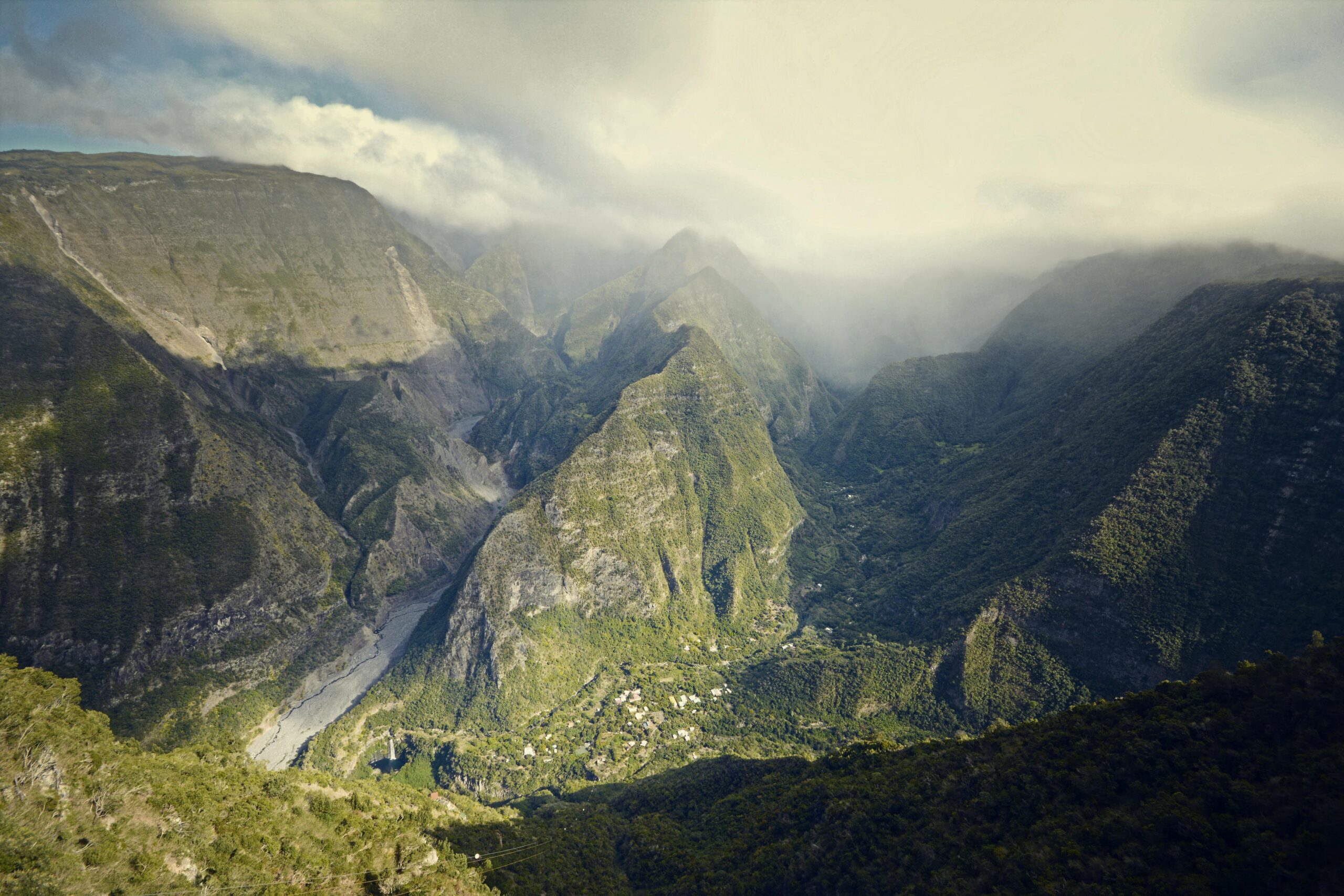
Iao Valley, one of Maui’s most iconic and culturally significant sites, has long drawn visitors with its lush greenery, dramatic peaks, and deep historical roots. However, recent announcements of extended closures—highlighted in the SFGATE article—signal a broader shift in how Hawaii is managing tourism and protecting fragile environments.
While the closure may inconvenience travelers, it reflects a deeper priority: balancing conservation, cultural respect, and sustainable tourism. This article expands on the issue, exploring the environmental, cultural, and economic factors behind the decision—and what it means for the future of travel in Hawaii.

What Is Iao Valley?
1. A Natural and Cultural Landmark
Located in Maui’s West Maui Mountains, Iao Valley is known for:
- The iconic Iao Needle (a towering rock formation)
- Dense tropical rainforest
- Scenic hiking trails and streams
2. Historical Significance
Iao Valley holds deep cultural importance:
- Site of the Battle of Kepaniwai (1790), a pivotal moment in Hawaiian history
- Sacred land for Native Hawaiians
- A place tied to spiritual and ancestral heritage
Why Is Iao Valley Closing?
1. Environmental Restoration
Heavy visitor traffic has led to:
- Soil erosion
- Damage to vegetation
- Strain on ecosystems
Closure allows for:
- Habitat restoration
- Trail repair
- Long-term environmental protection
2. Infrastructure Upgrades
Facilities in the valley require:
- Maintenance and modernization
- Improved safety features
- Better visitor management systems
3. Sustainable Tourism Goals
Authorities aim to:
- Reduce overcrowding
- Protect resources
- Create a more balanced visitor experience
The Impact of Overtourism
1. Environmental Stress
High visitor numbers can cause:
- Pollution
- Trail degradation
- Wildlife disruption
2. Cultural Concerns
For local communities:
- Sacred sites may be disrespected
- Cultural meaning can be overshadowed by tourism
3. Visitor Experience Decline
Overcrowding leads to:
- Limited access
- Reduced tranquility
- Less meaningful experiences
Hawaii’s Broader Tourism Strategy
1. Shift Toward Regenerative Tourism
Hawaii is moving beyond sustainability to:
- Restore ecosystems
- Give back to local communities
- Encourage responsible travel
2. Visitor Management Systems
Measures include:
- Reservation systems
- Capacity limits
- Timed entry
3. Education and Awareness
Efforts focus on:
- Teaching visitors about cultural respect
- Promoting environmental responsibility
Economic Implications
1. Short-Term Impact
Closures may result in:
- Reduced visitor numbers
- Loss of revenue for nearby businesses
2. Long-Term Benefits
Sustainable practices can:
- Preserve attractions for future tourism
- Maintain Hawaii’s global appeal
- Support stable economic growth

Alternatives for Visitors
While Iao Valley is closed, Maui offers many other attractions:
1. Natural Sites
- Haleakalā National Park
- Road to Hana
- Coastal beaches and reserves
2. Cultural Experiences
- Hawaiian cultural centers
- Local festivals and events
- Guided heritage tours
3. Eco-Tourism Activities
- Snorkeling and marine exploration
- Hiking in less crowded areas
- Wildlife observation
The Role of Travelers
1. Responsible Tourism
Visitors can help by:
- Respecting closures and regulations
- Following Leave No Trace principles
- Supporting local businesses
2. Cultural Sensitivity
Travelers should:
- Learn about Hawaiian traditions
- Respect sacred spaces
- Engage with local communities respectfully
Lessons for Global Tourism
Iao Valley’s closure reflects a global trend:
1. Protecting Fragile Destinations
Many sites worldwide are:
- Limiting access
- Implementing conservation measures
2. Redefining Tourism Success
Success is shifting from:
- High visitor numbers → sustainable experiences
3. Community-Centered Tourism
Local voices are increasingly:
- Shaping tourism policies
- Influencing development decisions
The Future of Iao Valley
1. Reopening with Restrictions
When reopened, visitors may expect:
- Limited daily
- Reservation requirements
- Enhanced facilities
2. Improved Experience
Future visits could offer:
- Less crowded
- Better infrastructure
- More meaningful engagement
3. Long-Term Preservation
The goal is to ensure:
- Environmental health
- Cultural integrity
- Sustainable tourism balance
Frequently Asked Questions (FAQs)
1. Why is Iao Valley closed?
To allow for environmental restoration, infrastructure improvements, and better visitor management.
2. How long will the closure last?
Closures may last several months, depending on restoration and upgrade timelines.
3. Can tourists still visit Maui?
Yes, Maui offers many attractions and experiences.
4. Will Iao Valley reopen?
Yes, but likely with new rules to manage visitor numbers and protect the site.
5. What is overtourism?
It occurs when too many visitors negatively impact a destination’s environment and community.
6. How can travelers help?
By respecting regulations, practicing responsible tourism, and supporting local communities.
7. Why is Iao Valley culturally important?
It is a sacred site with deep historical and spiritual significance for Native Hawaiians.
Conclusion
The closure of Iao Valley is not just a temporary inconvenience—it is a reflection of a deeper in how destinations approach tourism. By prioritizing preservation over access, Maui is taking a proactive step toward safeguarding one of its most treasured landscapes.
For travelers, this is an opportunity to rethink how we explore the world. Respecting nature, honoring culture, and embracing sustainable practices are no longer optional—they are essential to ensuring that places like Iao Valley remain vibrant for generations to come.

Sources SFGate

