
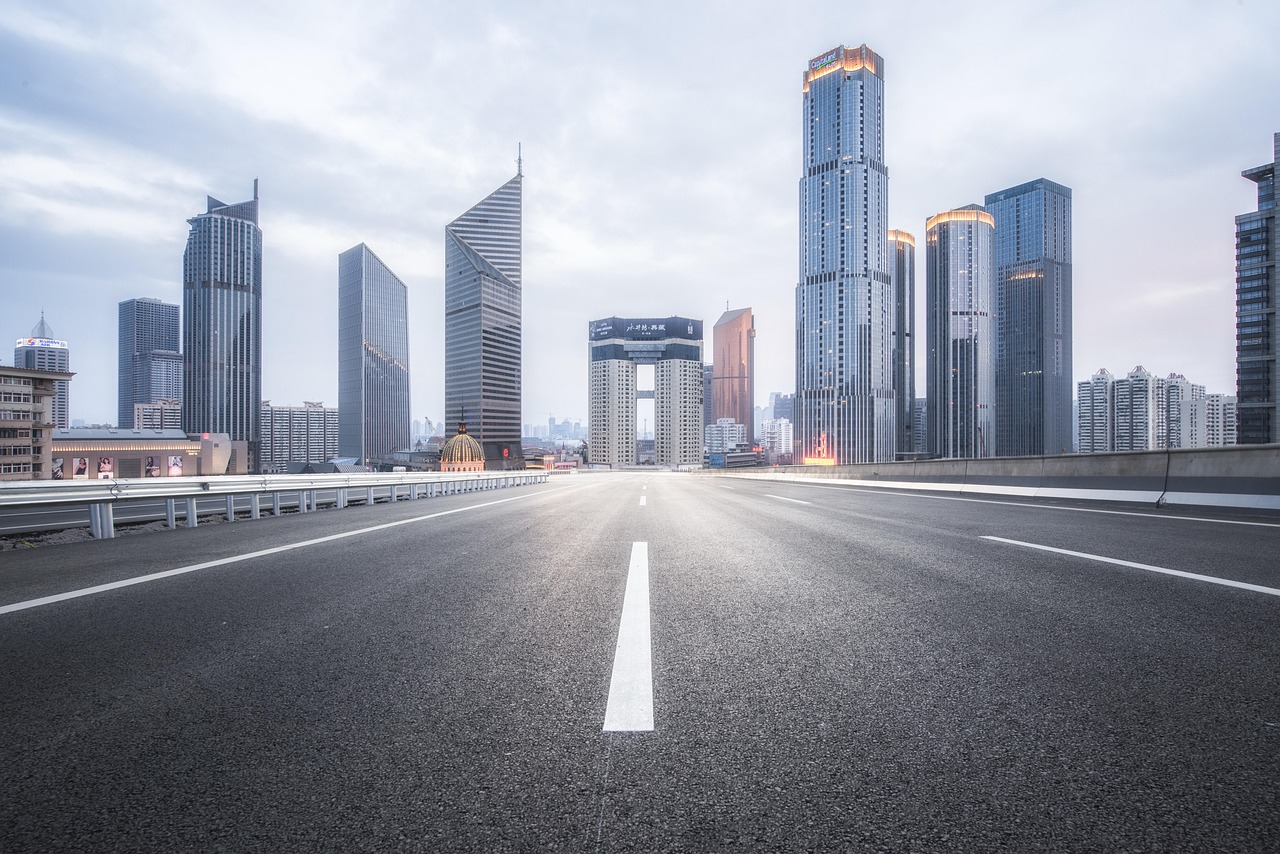
After years of travel restrictions, political tension, and negative headlines, China is re-emerging as a destination that feels exciting again—especially to younger, digitally native travelers. Viral influencers, eased entry rules, and a renewed global curiosity about Chinese cities, culture, and innovation are reshaping perceptions faster than traditional tourism campaigns ever could.
The idea that “China travel is cool again” isn’t just about one internet personality or a fleeting trend. It reflects a deeper shift in how travel decisions are made today, where pop culture, social media, affordability, and authenticity matter as much as geopolitics.
This article expands on that shift—exploring why interest is returning, who is driving it, what makes China appealing now, and what challenges still remain.

From Closed Borders to Curiosity
For much of the early 2020s, China felt distant—physically and psychologically. Strict pandemic controls, visa hurdles, and tense international relations cooled tourism dramatically. Even after borders reopened, travelers hesitated.
What’s changed?
- Eased visa and transit policies for select nationalities
- Pent-up curiosity after years of limited access
- Content-driven discovery, where real-time experiences replace official messaging
- A generational shift toward curiosity over caution
Travelers are no longer waiting for perfect clarity—they’re following stories.
The Power of Influencers and Viral Travel
Why Influencers Matter More Than Ads
Younger travelers increasingly trust:
- livestreams
- vlogs
- short-form social video
- unfiltered, real-time reactions
When popular creators show themselves navigating Shanghai metros, ordering street food, or interacting with locals, it humanizes a country that often feels abstract in news coverage.
This isn’t propaganda—it’s experiential proof.
Travel as Entertainment
For Gen Z and younger millennials, travel content is entertainment first and aspiration second. China’s:
- hyper-modern skylines
- bullet trains
- neon nightlife
- ancient temples
- tech-forward daily life
translate exceptionally well on camera.
What Makes China Appealing Right Now
1. Value and Infrastructure
Compared to many Western destinations, China offers:
- high-speed rail at low cost
- affordable food and accommodation
- world-class infrastructure
- cashless convenience
For travelers watching budgets, China feels efficient rather than expensive.
2. Visual Contrast
Few countries offer such dramatic contrasts:
- 5,000-year-old heritage sites next to megacities
- rural villages a train ride from tech hubs
- traditional markets beside AI-powered malls
This contrast fuels curiosity and repeat visits.
3. Safety and Predictability
Despite geopolitical narratives, many travelers report:
- low street crime
- efficient public transport
- reliable services
For solo travelers, especially, predictability matters.

What the Original Commentary Often Misses
A. China’s Domestic Tourism Machine
China’s travel infrastructure wasn’t built for foreigners—it was built for its own massive domestic tourism market. Foreign travelers now benefit from:
- seamless booking systems
- enormous hotel capacity
- constant service innovation
The scale is unmatched.
B. Cultural Soft Power Is Decentralized Now
China’s renewed appeal isn’t driven by official tourism boards. It’s driven by:
- food culture
- fashion
- gaming
- nightlife
- internet humor
- youth culture
Soft power today is crowdsourced.
C. Travel Curiosity Is Separating From Politics
Many travelers—especially younger ones—are increasingly willing to:
- separate government policy from people and culture
- travel for firsthand understanding
- resist simplified narratives
Travel becomes a form of personal education.
D. Friction Still Exists
Despite renewed interest, challenges remain:
- limited foreign credit card acceptance (outside major apps)
- language barriers beyond big cities
- restricted access to some digital platforms
- occasional scrutiny at borders
The difference now is that many travelers consider these manageable trade-offs.
The Role of Technology
Travel in China is deeply digital:
- QR-code payments
- super-apps for transport, food, and tickets
- AI translation tools
- facial recognition systems
For tech-curious travelers, China feels like a glimpse of the future—both exciting and thought-provoking.
Is This a Lasting Trend or a Moment?
Several indicators suggest durability:
- steady rise in flight bookings
- increasing long-stay travelers
- growth in independent (non-group) tourism
- repeat visits among younger travelers
China may not return to pre-2019 mass tourism levels immediately, but the composition of travelers is changing—toward younger, more adventurous, and more digitally fluent visitors.
Frequently Asked Questions
Is China easy to travel to now?
Easier than in recent years, though visa requirements still apply for many travelers.
Is it safe for tourists?
Most visitors report high levels of personal safety and reliable infrastructure.
Do you need to speak Mandarin?
It helps, but translation apps and basic phrases are usually sufficient in major cities.
Can foreigners use mobile payments?
Yes, increasingly—many platforms now support foreign cards, though setup takes planning.
Why are influencers changing perceptions so fast?
Real-time, unscripted content feels more trustworthy than official messaging.
Is travel to China political?
Some see it that way, but many travelers frame it as cultural curiosity and personal experience.
Will tourism keep growing?
Gradually, especially among younger and independent travelers.
Final Thoughts
China’s travel revival isn’t about hype—it’s about rediscovery. A new generation of travelers is choosing firsthand experience over secondhand narratives, curiosity over caution, and culture over commentary.
In a world where travel inspiration increasingly comes from phones rather than brochures, China’s blend of history, futurism, affordability, and sheer scale makes it uniquely compelling.
“Cool again” may sound casual—but in today’s attention economy, it’s powerful.

Sources Bloomberg

