
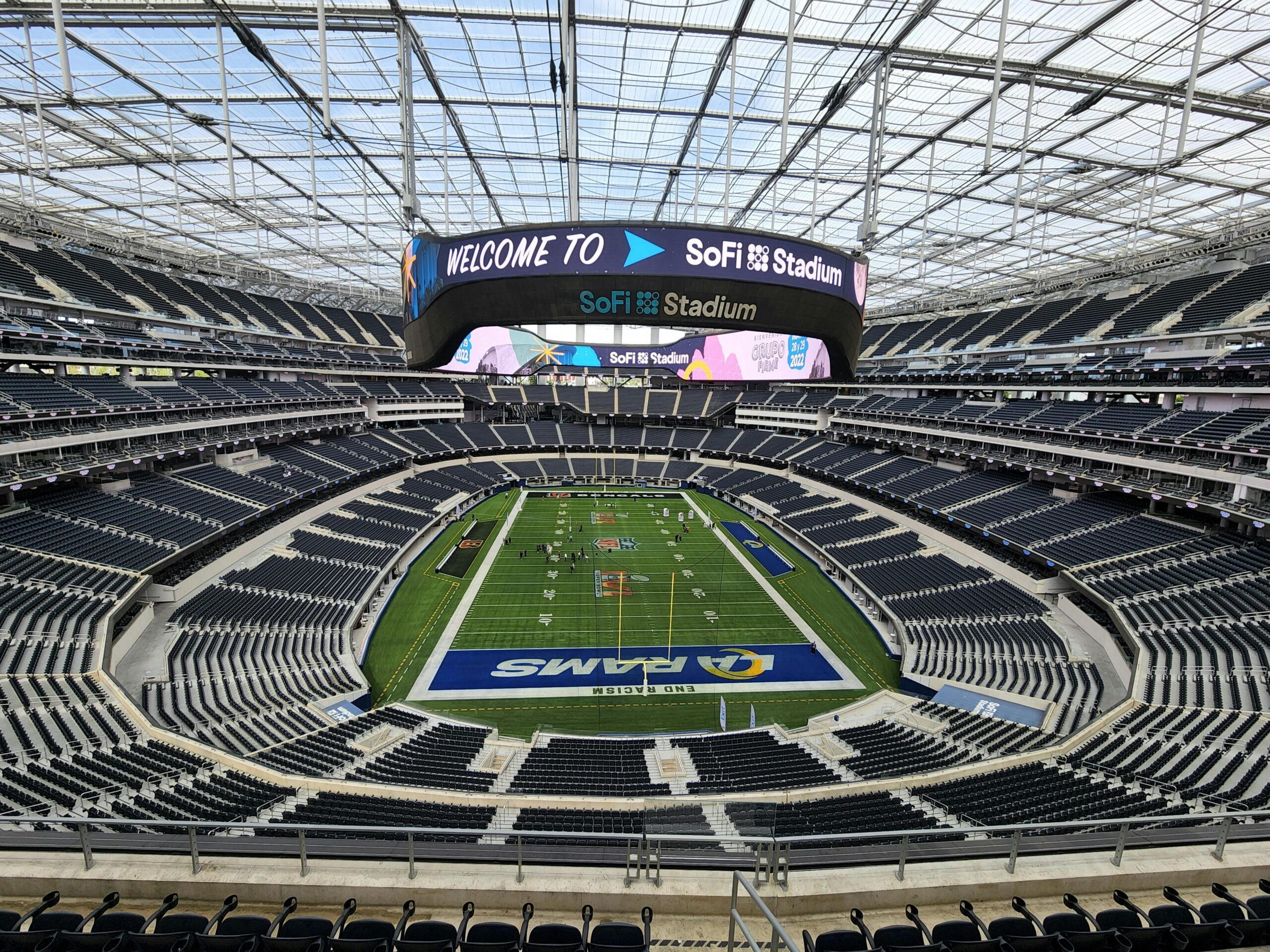
When the Washington Commanders and Miami Dolphins took the field in Madrid this season, the biggest surprise wasn’t the crowd size or the buzz in the stadium — it was how often interpreters froze mid-sentence trying to explain football terminology. Phrases like “pistol formation” and “shotgun formation” don’t translate neatly, and literal translations often make the sport sound more confusing, not less.
This moment highlights one of the NFL’s biggest hurdles in its global expansion: the language of the game itself. To a lifelong soccer or rugby fan, terms such as “blitz,” “tight end,” “cover-two,” and “on-side kick” carry no intuitive meaning. Turning global spectators into true fans requires more than exporting the sport — it requires translating its vocabulary and culture.
Below is a deeper, more comprehensive look at how and why the NFL is tackling this challenge, and the areas the original coverage didn’t fully explore.
Why Terminology Matters More Than You Think
1. First Impressions Shape Long-Term Interest
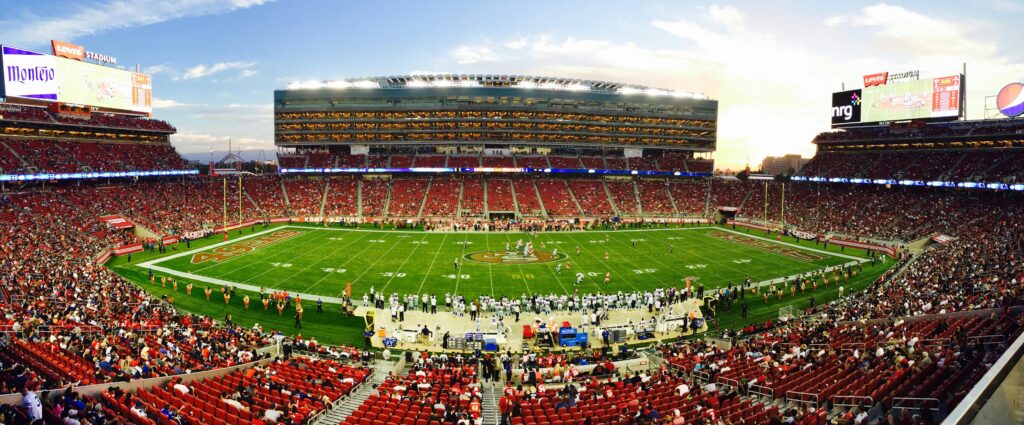
International fans show up excited — the atmosphere, the showmanship, and the novelty draw them in. But if they can’t follow what’s happening on the field, the excitement fades fast. “Fun but confusing” audiences rarely turn into passionate fans.
2. Casual Curiosity Doesn’t Build a Lasting Fan Base
When commentators must explain the basics in every broadcast, conversations can’t evolve. If local media never reaches deeper strategic analysis, fans never get that “aha” moment that makes them feel like insiders.
3. Local Journalists and Commentators Are the Gatekeepers
In many countries, the sport’s growth depends heavily on local sports reporters. But if explaining a simple defensive scheme requires a full lesson, momentum disappears. Without a shared language, analysis can’t flourish.
What the NFL Is Doing Behind the Scenes
Global Markets Program
Teams are given marketing rights in specific countries, letting them build year-round presence through events, fan clubs, youth programs, and merchandise — not just a single yearly game.
Expanding the International Schedule
The NFL is ramping up to as many as eight regular-season games abroad in a single season. These games serve as anchors for building communities, not one-off spectacles.
Localized Commentary & Content
The league has invested in local-language broadcasts, glossaries, simplified terminology, visuals explaining formations, and media training so analysts can break down plays clearly.
Grassroots & Player Pathway Programs
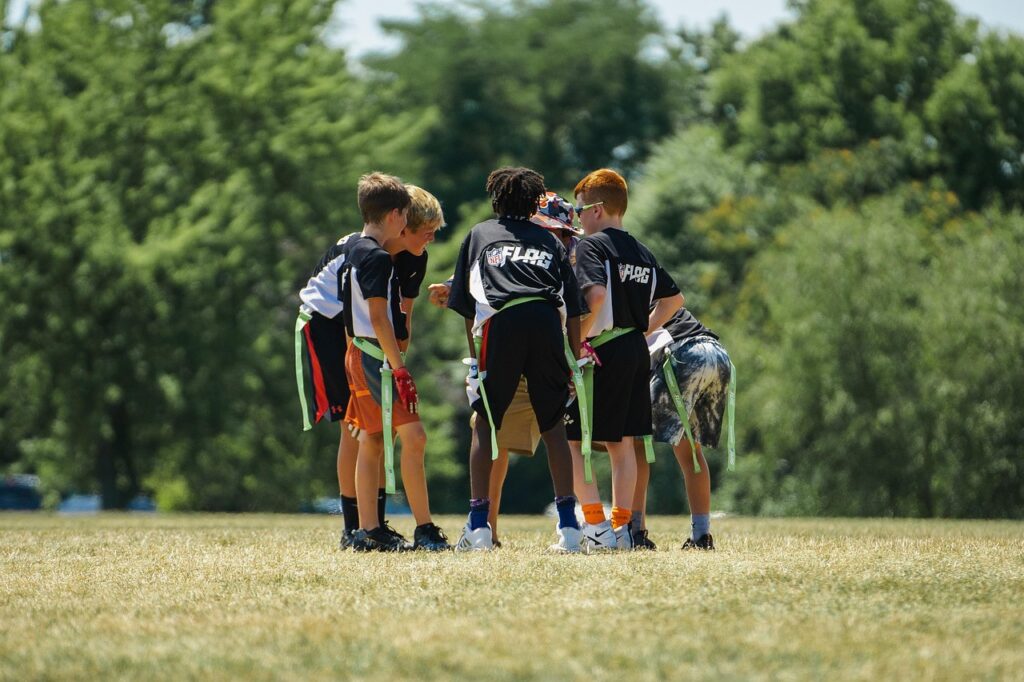
Youth flag-football, local training camps, and the International Player Pathway create pipelines for foreign-born athletes — which in turn helps foreign audiences feel represented.
Why Spain Has Become a Critical Test Market
Spain is a unique proving ground for the NFL because:
- English isn’t widely used day-to-day, so translation challenges show up immediately.
- Competition with soccer is intense — new sports must work harder to earn attention.
- American football concepts and metaphors have no cultural equivalents.
- Success in Spain becomes a template for Latin America and Europe, where similar linguistic and cultural barriers exist.
The Biggest Challenges Ahead
No Natural Cultural Analog
American football relies on military metaphors, technical roles, and play-calling language unfamiliar to most global fans.
Too Many Fans Feel Behind
If spectators constantly struggle with terminology, the game feels inaccessible.
Spectacle vs Sustainability
A filled stadium is easy; long-term fandom takes consistent, localized engagement.
Media Knowledge Gap
Local commentators need time to master the sport deeply enough to teach it to audiences.
Measuring Global Success Accurately
Beyond ticket sales, the NFL must track streaming growth, fan-club participation, merchandise demand, and repeat viewership.
What the Original Article Missed
To create a clearer, fuller picture, here are key elements not covered in the previous reporting:
- The Global Markets Program — the backbone of long-term international fan development.
- The NFL’s internal metrics for global growth — such as youth participation, streaming data, and social media engagement.
- The importance of talent pipelines — how international athletes increase global interest.
- Digital localization strategies — region-specific social media content, apps, interactive play diagrams, and gamified learning tools.
- Ambitions beyond Europe — including Brazil, Mexico, and Australia, which are fast becoming major targets.
What the Future Might Look Like
If the NFL successfully translates its terminology — literally and culturally — here’s what could follow:
- More regular-season games in non-English markets
- Stronger local leagues and youth development programs
- Increased foreign-born players entering the NFL
- More local-language commentators and analysts
- Possibly, one day, a foreign-based NFL team (though far in the future)
The secret isn’t just exporting the sport — it’s making the sport intelligible to the world.
Frequently Asked Questions
Q: Why is translating NFL terminology such a big deal?
Because many terms don’t exist in other languages, and literal translations create confusion. Without understanding the vocabulary, fans struggle to understand the game.
Q: What is the NFL doing to fix this?
It’s investing in local-language broadcasts, glossaries, simplified terms, youth programs, talent pipelines, and long-term marketing rights in specific countries.
Q: Are international games actually working?
They attract large crowds and enthusiasm, but lasting fandom requires consistent education, localization, and repeated exposure.
Q: Which international markets are most promising?
The UK, Germany, and Mexico are well established. Emerging markets include Spain, Brazil, and Australia.
Q: How will we know if the global strategy succeeds?
Metrics include growing streaming numbers, merchandise demand, social-media engagement, youth participation, and repeat interest in international games.
Q: Could the NFL eventually place a team outside the U.S.?
Yes — in theory. But it requires decades of infrastructure building, cultural understanding, and deep fan commitment. Mastering language and terminology is the first step.
Sources The Washington Post

