
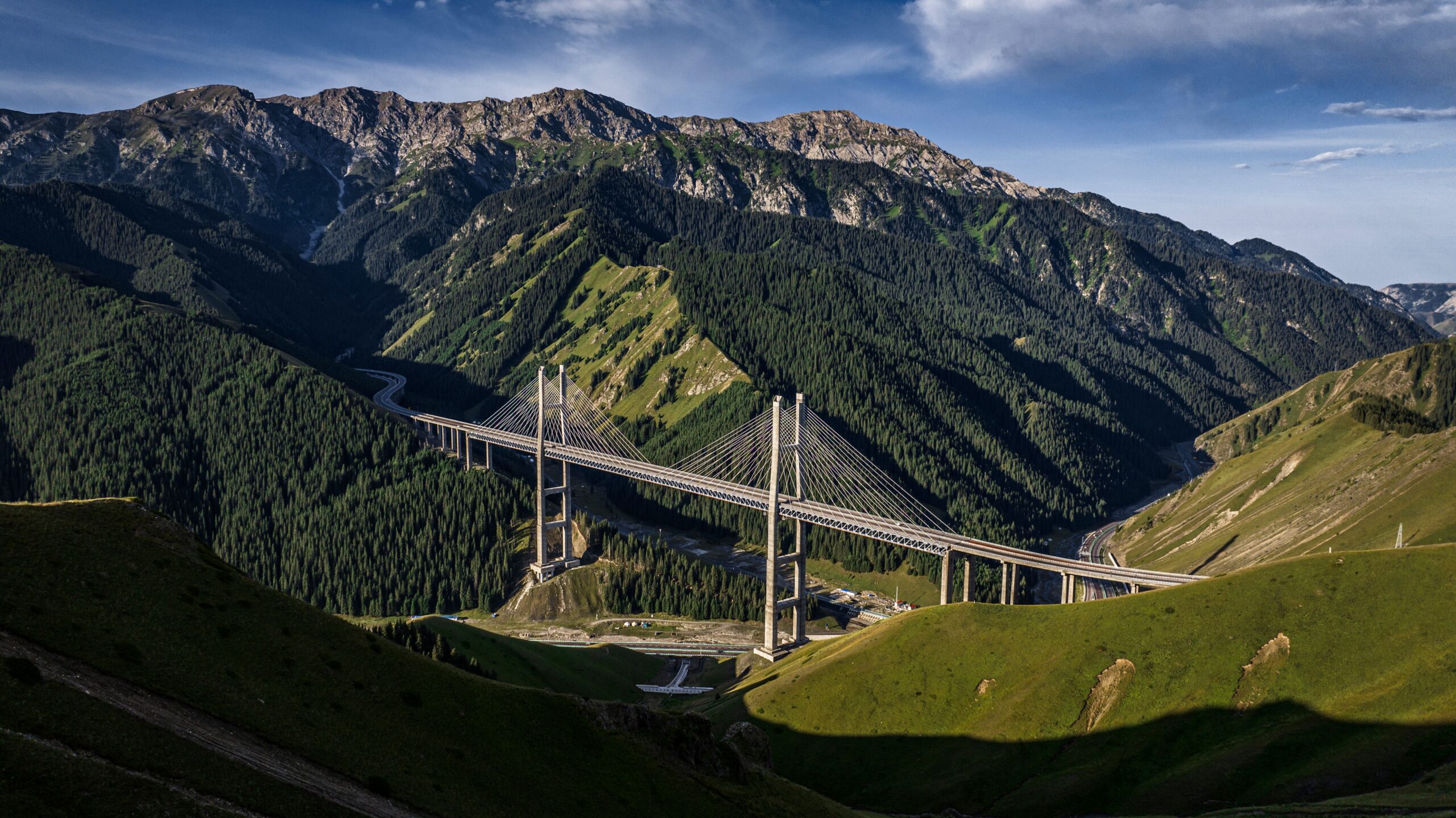
For decades, many of China’s mountainous rural communities faced a common challenge: isolation.
Steep valleys, winding mountain roads, and limited infrastructure made travel difficult, slowed economic development, and restricted access to modern services. In some areas, journeys that covered only a few dozen kilometers could take hours due to rugged terrain.
Today, one extraordinary engineering project is changing that reality.
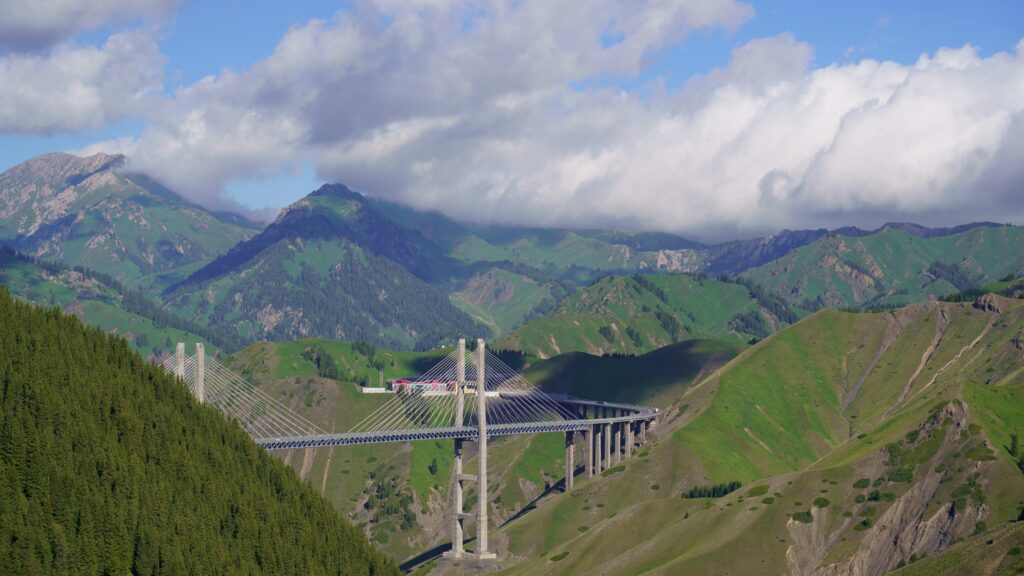
The Huajiang Grand Canyon Bridge in China’s southwestern province of Guizhou has become far more than a transportation structure. Since opening in September 2025, the bridge has emerged as a symbol of modern infrastructure’s ability to connect remote communities to tourism, digital services, and new economic opportunities. Standing 625 meters (2,050 feet) above the river below, it is currently recognized as the world’s highest bridge.
A Record-Breaking Engineering Achievement
The Huajiang Grand Canyon Bridge is an engineering marvel by any standard.
Key specifications include:
- Height above the canyon floor: 625 meters (2,050 feet)
- Total bridge length: 2,890 meters (9,482 feet)
- Main suspension span: 1,420 meters (4,660 feet)
- Location: Guizhou Province, southwestern China
- Opened to traffic: September 2025
The bridge surpassed the famous Duge Bridge, which previously held the record as the world’s highest bridge. Both structures are located within the mountainous region surrounding the Beipan River system.
Building a bridge at such extreme heights required advanced engineering techniques, sophisticated monitoring systems, and years of construction in one of China’s most challenging geographical environments.
Why Guizhou Needed a Bridge Like This
To understand the bridge’s significance, it’s important to understand Guizhou itself.
Guizhou is one of China’s most mountainous provinces. Historically, its rugged karst landscape created significant barriers to transportation and economic development.
For generations, residents often relied on narrow mountain roads, ferries, and lengthy detours to reach neighboring communities.
Before the bridge opened, crossing the canyon could take approximately 70 minutes. Today, the same journey can be completed in just over one minute.
This dramatic reduction in travel time has implications far beyond convenience.
It affects:
- Access to jobs
- Education opportunities
- Healthcare services
- Product transportation
- Tourism development
- Emergency response capabilities
Tourism Is Becoming a New Economic Engine
One of the most visible impacts of the bridge has been tourism growth.
Thousands of visitors have traveled to the area since the bridge opened, drawn by both its engineering significance and its spectacular views. Tourists regularly stop for photographs, sightseeing, and adventure activities.
The bridge itself has become a destination.
Visitors can experience:
- Observation platforms
- Canyon views
- Light shows
- Glass walkways
- Extreme sports attractions
- Photography opportunities
Tourism officials view the bridge as part of a broader effort to diversify the local economy and attract visitors to areas that previously received little international attention.
High-Speed Internet Is Changing Rural Life
Perhaps the most transformative development is not the bridge itself.
It is the digital infrastructure that followed.
As tourism expanded, companies and government agencies invested in high-speed 5G networks and broader internet coverage throughout nearby communities. Residents who previously had limited digital access now enjoy significantly improved connectivity.
This development enables:
- Online education
- E-commerce businesses
- Telemedicine services
- Digital payments
- Remote work opportunities
- Social media marketing
For many rural communities, internet access can be as transformative as physical transportation infrastructure.
Ancient Communities Are Finding New Audiences
One beneficiary of these developments is Tianlong Tunpu, a community with more than 600 years of history.
Originally established during the Ming Dynasty as a military outpost, the town is known for preserving unique cultural traditions, architecture, and performance arts. Increased connectivity and tourism have helped residents promote local attractions to broader audiences through social media and digital platforms.
Among its most famous cultural assets is Dixi Opera, a traditional performance style featuring elaborate wooden masks and military-themed storytelling.
For years, many of these traditions remained largely unknown outside the region.
Today, digital exposure is helping attract visitors interested in authentic cultural experiences.
Small Businesses Are Benefiting
Infrastructure projects often generate economic activity beyond their immediate purpose.
Since the bridge opened, entrepreneurs have begun launching businesses aimed at serving visitors.
New opportunities include:
- Homestays
- Restaurants
- Souvenir shops
- Guided tours
- Transportation services
- Adventure tourism operations
The combination of improved transportation and internet access allows even small rural businesses to market their services online and reach customers far beyond the local area.
China’s Broader Rural Revitalization Strategy
The bridge reflects a wider national strategy focused on connecting remote regions through infrastructure investment.
Over the past two decades, China has invested heavily in:
- High-speed rail
- Expressways
- Airports
- Mobile networks
- Fiber-optic broadband
- Rural transportation systems
The goal has been to reduce disparities between urban and rural regions by improving access to markets, services, and economic opportunities.
The Huajiang Grand Canyon Bridge serves as a highly visible example of this approach.
The Environmental and Social Debate
Large infrastructure projects often generate debate.
Supporters argue that improved transportation:
- Reduces rural isolation
- Creates jobs
- Supports tourism
- Expands educational access
- Encourages investment
Critics sometimes raise concerns regarding:
- Environmental impacts
- Cultural commercialization
- Tourism pressure
- Long-term maintenance costs
- Changes to traditional lifestyles
As tourism continues growing around the bridge, local authorities will face the challenge of balancing economic development with environmental preservation and cultural protection.
Engineering Tourism Is Becoming a Global Trend
The Huajiang Grand Canyon Bridge also reflects a growing phenomenon known as engineering tourism.
Increasingly, travelers visit destinations not only for natural scenery but also for remarkable human-made achievements.
Examples include:
- Millau Viaduct
- Golden Gate Bridge
- Akashi Kaikyo Bridge
- Huajiang Grand Canyon Bridge
These structures often become tourist attractions in their own right while generating broader economic benefits for surrounding communities.
The Future of Connected Rural Communities
The bridge offers a glimpse into how infrastructure is evolving.
Historically, transportation projects focused primarily on moving people and goods.
Today, major infrastructure increasingly integrates:
- Digital connectivity
- Tourism development
- Economic diversification
- Smart monitoring systems
- Regional planning strategies
In the future, successful infrastructure projects may be measured not only by traffic volume but by their ability to improve quality of life and expand economic opportunities.
The Bigger Picture
China’s highest bridge represents more than an engineering record.
It illustrates how modern infrastructure can reshape entire regions.
By reducing travel times from hours to minutes, expanding internet access, attracting tourism, and creating new business opportunities, the Huajiang Grand Canyon Bridge is helping transform some of China’s most remote communities.
Its impact demonstrates that infrastructure is not merely about roads, bridges, or technology.
At its best, it is about connection—connecting people to opportunities, communities to markets, and isolated regions to the broader world.
As rural areas across the globe seek pathways to sustainable development, projects like the Huajiang Grand Canyon Bridge may offer important lessons about how transportation and digital infrastructure can work together to drive long-term growth.
Frequently Asked Questions (FAQ)
1. Where is China’s highest bridge located?
The Huajiang Grand Canyon Bridge is located in Guizhou Province in southwestern China. It crosses a deep canyon above the Beipan River and opened to traffic in September 2025.
2. Why is the bridge important beyond transportation?
The bridge has significantly reduced travel times, improved access to highways, encouraged tourism, attracted investment, and helped expand high-speed 5G internet coverage in nearby rural communities.
3. How tall is the Huajiang Grand Canyon Bridge?
The bridge deck stands approximately 625 meters (2,050 feet) above the river below, making it the highest bridge in the world by deck height.
4. How has tourism changed since the bridge opened?
Thousands of visitors have traveled to the area since the bridge’s opening, supporting new businesses such as restaurants, shops, homestays, and tourism services. Local cultural attractions have also gained greater visibility through social media promotion.
5. What benefits has internet access brought to local communities?
Improved internet connectivity has enabled online education, digital commerce, telemedicine, social media marketing, and new business opportunities for residents in previously isolated areas.
6. Is the bridge only for vehicles?
No. The bridge area also includes tourism facilities such as observation areas, sightseeing attractions, glass walkways, elevators, and adventure tourism activities including bungee jumping and other extreme sports experiences.
7. What makes Guizhou an important region for infrastructure development?
Guizhou’s mountainous terrain historically limited transportation and economic development. Large infrastructure projects help connect remote communities, improve mobility, attract investment, and support broader regional development goals.
Sources NPR

