

Police departments across the United States are increasingly turning to technology to improve communication, accountability, and public trust. In East Lansdowne, a new initiative involving real-time translation features integrated into police body cameras is drawing national attention as law enforcement agencies seek better ways to interact with multilingual communities.
The move reflects a growing recognition that language barriers can significantly affect public safety, emergency response, and community relationships between residents and police officers.
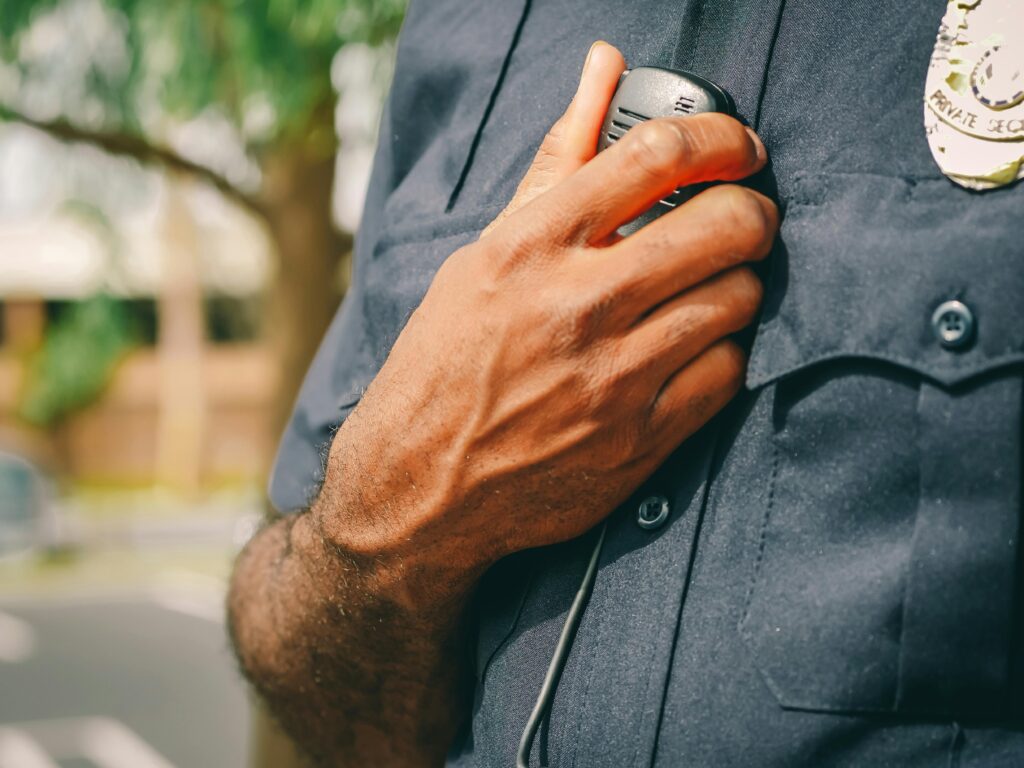
Why Language Access Matters in Modern Policing
The United States is home to millions of residents who speak languages other than English. According to census data, many households rely primarily on:
- Spanish
- Chinese
- Vietnamese
- Arabic
- Russian
- Haitian Creole
- Other non-English languages
In emergency situations, communication delays can:
- Escalate misunderstandings
- Slow medical or legal assistance
- Increase tension during police encounters
- Affect witness interviews
- Complicate investigations
For police officers, language barriers can create operational and legal challenges, especially during:
- Traffic stops
- Domestic disputes
- Medical emergencies
- Crime reporting
- Evacuations and disaster responses
How Translation Technology Works in Police Body Cameras
The new system reportedly allows officers to use body camera technology equipped with live or near real-time translation tools.
Depending on the technology platform, these systems may:
- Convert spoken language into translated audio
- Display translated text on connected devices
- Record multilingual interactions for evidence purposes
- Assist officers in understanding responses quickly
Some systems rely on:
- Artificial intelligence (AI)
- Cloud-based speech recognition
- Mobile data connections
- Integrated translation software
The goal is not necessarily to replace human interpreters entirely, but to provide immediate communication support during urgent situations.
Why Police Departments Are Adopting Translation Tools
1. Faster Emergency Response
In emergencies, waiting for an interpreter may not be practical. Real-time translation can help officers:
- Identify threats quickly
- Understand medical conditions
- Give evacuation instructions
- De-escalate volatile encounters
2. Improved Community Trust
Communities with limited English proficiency often report fear or hesitation when interacting with law enforcement.
Providing language access can:
- Improve cooperation
- Increase crime reporting
- Strengthen public confidence
- Reduce feelings of discrimination or exclusion
3. Better Evidence Collection
Accurate communication is critical during:
- Witness interviews
- Victim statements
- Consent requests
- Arrest procedures
Translation technology may reduce misunderstandings that could later affect court proceedings.
The Growing Role of Artificial Intelligence in Policing
The East Lansdowne initiative also highlights the expanding role of AI in law enforcement.
Police agencies nationwide are experimenting with:
- Facial recognition systems
- Predictive policing software
- Automated license plate readers
- AI-assisted report writing
- Drone surveillance
- Real-time translation technology
Supporters argue these tools improve efficiency and safety, while critics warn about:
- Privacy risks
- Algorithmic bias
- Misidentification
- Data security concerns
Translation systems themselves are not immune from errors.
Potential Risks and Concerns
1. Translation Accuracy
AI translation tools are improving rapidly, but mistakes still happen—especially with:
- Regional dialects
- Slang
- Emotional speech
- Technical legal language
A mistranslated statement during a police interaction could have serious consequences.
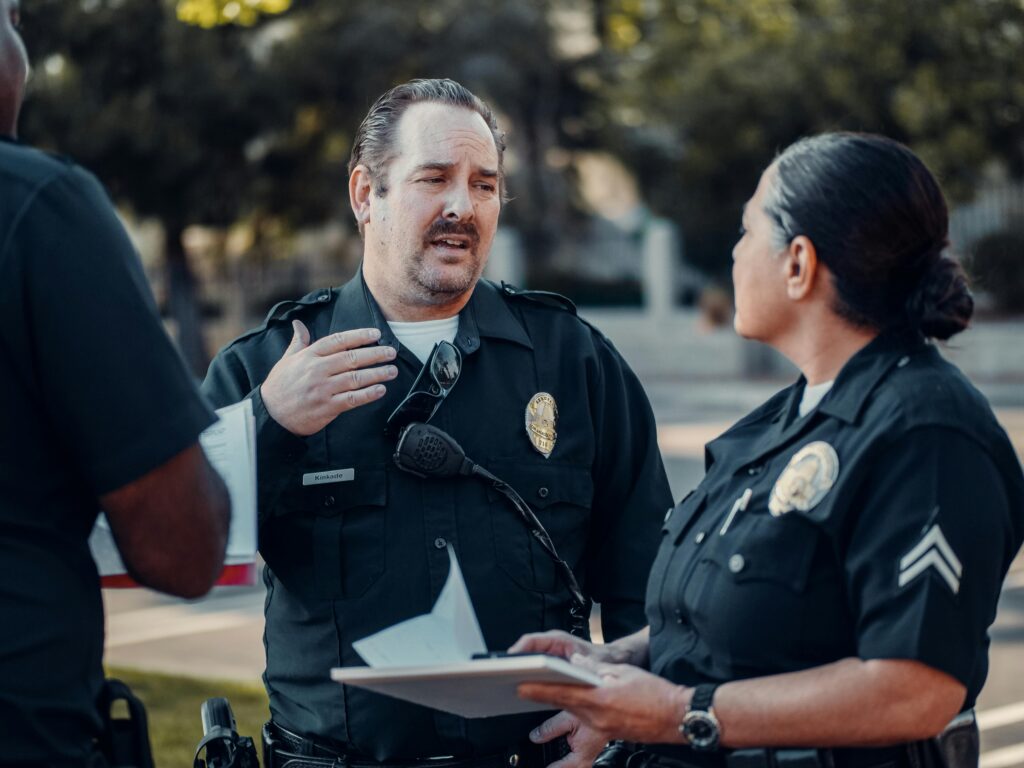
2. Privacy and Data Storage
Body camera footage often contains sensitive personal information. Adding voice translation systems may raise questions about:
- Data retention
- Cloud storage security
- Third-party technology vendors
- Surveillance concerns
Civil liberties advocates argue that strong safeguards are essential.
3. Overreliance on Technology
Critics warn that technology should not replace:
- Professional interpreters
- Cultural competency training
- Human judgment
Translation alone may not resolve deeper communication and trust issues.
Language Access and Civil Rights
Federal civil rights laws already require many public agencies receiving federal funding to provide reasonable language assistance services.
Police departments may face legal challenges if language barriers prevent individuals from:
- Understanding their rights
- Accessing emergency assistance
- Participating in investigations fairly
Real-time translation tools may help agencies comply with these obligations more effectively.
The Importance of Cultural Competency
Language translation is only one part of effective communication.
Cultural differences can influence:
- Body language
- Tone interpretation
- Reactions to authority
- Family dynamics
- Mental health responses
Experts emphasize that police officers still need:
- Diversity training
- Community engagement experience
- Cultural awareness education
Technology works best when combined with human understanding.
Could This Technology Expand Nationwide?
Many analysts believe multilingual policing technology could become increasingly common in:
- Urban police departments
- Border regions
- Tourist destinations
- Diverse suburban communities
As AI translation improves, costs may decline, making adoption easier for smaller departments.
However, nationwide implementation will likely depend on:
- Funding
- Accuracy improvements
- Public acceptance
- Regulatory oversight
How Other Sectors Already Use Similar Technology
Real-time translation tools are already used in:
- Hospitals
- Airports
- Customer service centers
- Schools
- Immigration services
- International business meetings
Law enforcement is now joining a broader trend toward AI-powered multilingual communication.
Ethical Questions Around AI in Public Safety
The rollout of AI tools in policing raises broader societal questions:
- Who audits translation accuracy?
- Who owns the recorded data?
- Can translated statements be used reliably in court?
- What happens if software fails during emergencies?
Legal experts expect these issues to become increasingly important as AI becomes more integrated into criminal justice systems.
Frequently Asked Questions (FAQs)
1. What is the purpose of translation-enabled police body cameras?
The technology helps officers communicate with people who speak different languages during emergencies, investigations, and daily interactions.
2. How does the translation system work?
Most systems use AI-powered speech recognition and translation software to convert spoken language into translated audio or text in real time.
3. Can AI translation make mistakes?
Yes. Translation systems may struggle with slang, accents, dialects, emotional speech, or complex legal terminology.
4. Does this replace human interpreters?
No. Human interpreters are still important for legal proceedings, sensitive interviews, and situations requiring high accuracy.
5. Why is language access important in policing?
Clear communication can reduce misunderstandings, improve public safety, and strengthen trust between police and communities.
6. Are there privacy concerns with this technology?
Yes. Concerns include data storage, surveillance, cloud security, and how recorded multilingual conversations are handled.
7. Could this technology become common nationwide?
Possibly. As AI improves and costs decrease, more police departments may adopt multilingual communication tools.
8. What are the biggest benefits of real-time police translation tools?
Potential benefits include:
- Faster emergency response
- Better de-escalation
- Improved evidence collection
- Increased community trust
- Greater accessibility for non-English speakers
Final Thoughts
The adoption of translation-enabled body cameras in East Lansdowne reflects a larger shift in modern policing: the growing intersection of technology, public safety, and community relations.
While real-time translation tools may help bridge critical communication gaps, they also introduce new debates about privacy, accountability, AI reliability, and civil rights.
Ultimately, technology alone cannot solve every challenge in law enforcement. But when combined with transparency, cultural understanding, and proper oversight, it may help create safer and more inclusive interactions between police officers and the communities they serve.
Sources CBS News

