

China, once one of the world’s fastest-growing tourism destinations, is facing a significant challenge: bringing international visitors back at scale. While domestic tourism has rebounded strongly, inbound travel from overseas remains below expectations.
Despite its vast cultural heritage, modern infrastructure, and global economic influence, China is struggling to compete with other destinations that have adapted more quickly to post-pandemic travel trends. Analysts argue that structural reforms—not just marketing—are needed to make China more appealing and accessible to foreign tourists.

China’s Tourism Potential: A Global Giant
China has long been a major player in global tourism, offering:
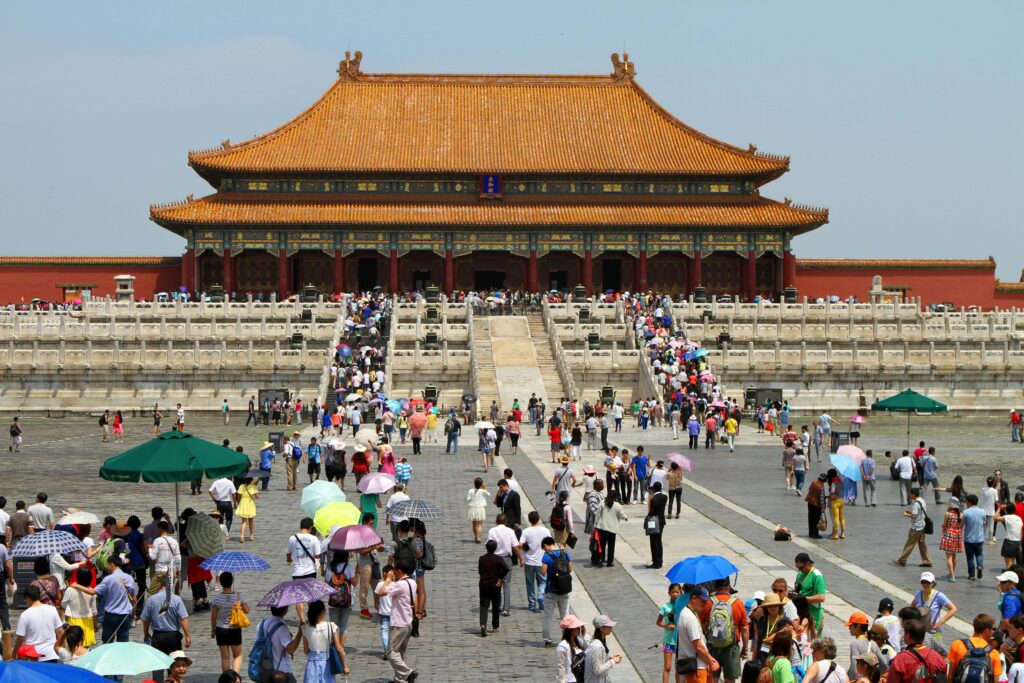
- Iconic landmarks like the Great Wall and Forbidden City
- Diverse landscapes ranging from mountains to megacities
- Rich cultural traditions and historical depth
- World-class transportation infrastructure
Before the pandemic, China attracted tens of millions of international visitors annually and was projected to become the world’s top tourism destination.
However, the post-pandemic recovery has been uneven.
The Core Problem: Why Foreign Tourists Are Not Returning
Several factors are limiting China’s ability to attract international visitors.
1. Visa Barriers and Entry Complexity
China’s visa system remains a major obstacle.
Challenges include:
- Lengthy application processes
- Limited visa-free entry compared to competing destinations
- Documentation requirements that can discourage travelers
While some visa-free transit policies exist, they are often:
- Limited in duration
- Restricted to certain cities
- Not widely understood by travelers
2. Digital Ecosystem Barriers
China’s digital environment can be difficult for foreign visitors to navigate.
Common issues include:
- Limited access to global apps and websites
- Reliance on local platforms such as WeChat and Alipay
- Payment systems that may not easily accept foreign cards
For travelers unfamiliar with these systems, everyday activities—like paying for food or booking transport—can become complicated.
3. Language Accessibility
Language barriers remain a challenge in many areas.
Although major cities have improved:
- English signage
- Multilingual services
smaller cities and rural destinations may lack:
- Translation support
- English-speaking staff
This can limit travel beyond major tourist hubs.
4. Perception and Geopolitical Factors
Global perceptions of China influence travel decisions.
Factors include:
- Political tensions with Western countries
- Media coverage and public opinion
- Concerns about regulations and restrictions
Even if practical barriers are addressed, perception plays a critical role in tourism demand.
5. Competition from Other Destinations
Countries across Asia and beyond have become more competitive by offering:
- Visa-free or simplified entry
- Tourist-friendly digital systems
- Strong marketing campaigns
Destinations like Japan, South Korea, Thailand, and Vietnam have successfully attracted international travelers by focusing on ease and convenience.
Domestic Tourism vs. International Tourism
China’s tourism recovery has been driven largely by domestic travelers.
Domestic tourism offers:
- Stability and scale
- Strong demand during holidays and peak seasons
However, relying heavily on domestic tourism has limitations:
- Lower foreign currency inflow
- Reduced global cultural exchange
- Missed opportunities for international branding
Balancing domestic strength with international appeal is essential.
What Needs to Change: Key Areas for Reform
To attract more foreign tourists, China may need to rethink several aspects of its tourism strategy.
1. Simplifying Visa Policies
Expanding visa-free travel and streamlining application processes could significantly increase visitor numbers.
2. Improving Payment Accessibility
Allowing seamless use of international credit cards and simplifying mobile payment access would enhance convenience.
3. Enhancing Digital Accessibility
Providing alternatives to local apps or improving integration with global platforms can make travel easier.
4. Expanding Multilingual Services
Investing in language support across transportation, hospitality, and attractions would improve the visitor experience.
5. Strengthening Global Branding
China can reposition itself by:
- Promoting diverse destinations beyond major cities
- Highlighting unique cultural and natural experiences
- Addressing perception challenges through targeted campaigns
The Role of Infrastructure: A Strong Foundation
China already has one of the world’s most advanced infrastructure systems.
This includes:
- High-speed rail networks
- Modern airports
- Extensive urban transportation
Leveraging this infrastructure for tourism requires better integration with visitor-friendly services.
Opportunities for Growth
Despite challenges, China has significant opportunities.
Cultural Tourism
Historic sites, traditions, and festivals offer strong appeal to international travelers.
Nature and Adventure Tourism
Regions such as Yunnan, Tibet, and Xinjiang offer unique landscapes and experiences.
Urban Tourism
Cities like Shanghai and Beijing combine modernity with history, attracting diverse audiences.
Niche Tourism Segments
Opportunities exist in:
- Culinary tourism
- Wellness and traditional medicine
- Educational and cultural exchange programs
Lessons from Other Countries
Countries that have successfully boosted tourism share common strategies:
- Simplified entry requirements
- Strong digital integration
- Clear communication with travelers
- Consistent branding
China can adapt these lessons while maintaining its unique identity.
Frequently Asked Questions
Why is China struggling to attract foreign tourists?
Barriers include visa complexity, digital system challenges, language issues, and global perceptions.
Is tourism in China recovering?
Domestic tourism is strong, but international arrivals remain below expectations.
What makes China attractive to tourists?
Its rich history, diverse landscapes, and modern infrastructure.
How can China improve tourism?
By simplifying visas, improving accessibility, and enhancing the visitor experience.
Are payment systems a problem for tourists?
Yes. Foreign visitors may face difficulties using local digital payment platforms.
Which countries compete with China for tourists?
Japan, South Korea, Thailand, and Vietnam are strong competitors.
Will China’s tourism sector recover fully?
It has strong potential, but recovery depends on policy changes and global conditions.
Conclusion
China’s tourism industry stands at a pivotal moment. While its domestic market remains robust, attracting international visitors requires more than reopening borders—it demands a comprehensive overhaul of policies, systems, and perceptions.
By addressing practical barriers and improving accessibility, China has the opportunity to reestablish itself as a leading global destination. The country’s cultural richness and infrastructure provide a strong foundation, but success will depend on how effectively it adapts to the expectations of modern travelers.
In an increasingly competitive global tourism landscape, the destinations that thrive will be those that make travel not only exciting—but also effortless.

Sources Bloomberg

