
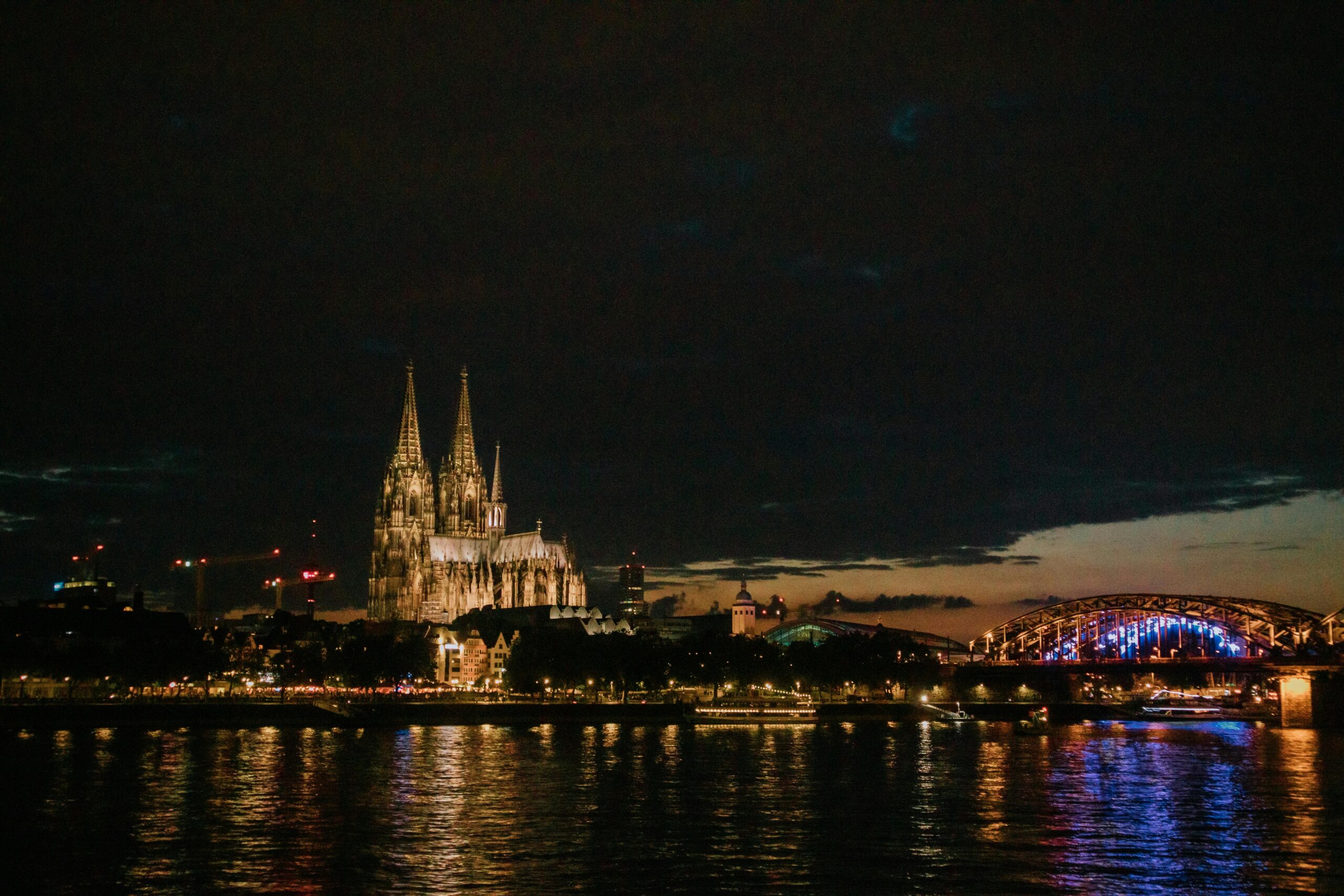
For centuries, churches across Europe have stood as symbols of faith, history, and public access.
Visitors could walk through their doors freely, whether they came to worship, admire architecture, or simply seek a moment of quiet reflection.
That tradition is now facing a modern reality: maintaining world-famous historic landmarks has become increasingly expensive.
Beginning July 1, 2026, tourists visiting Cologne Cathedral in Germany will be required to pay €12 for entry, while worshippers and those coming specifically for prayer will continue to enjoy free access. The decision marks one of the most significant changes in the history of Germany’s most visited religious monument and reflects a growing challenge confronting heritage sites across Europe.
The move has sparked debate about accessibility, tourism, preservation, and the future funding of cultural treasures that attract millions of visitors every year.
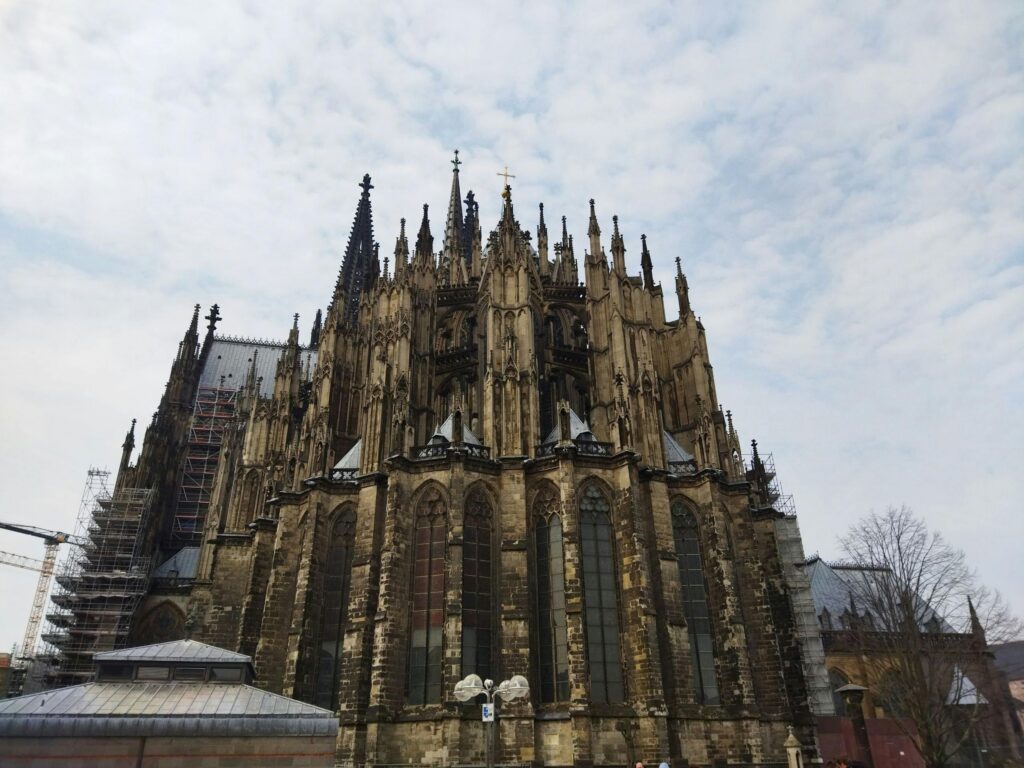
A Global Icon of Gothic Architecture
Known in German as the Kölner Dom, the cathedral is one of Europe’s most recognizable religious landmarks.
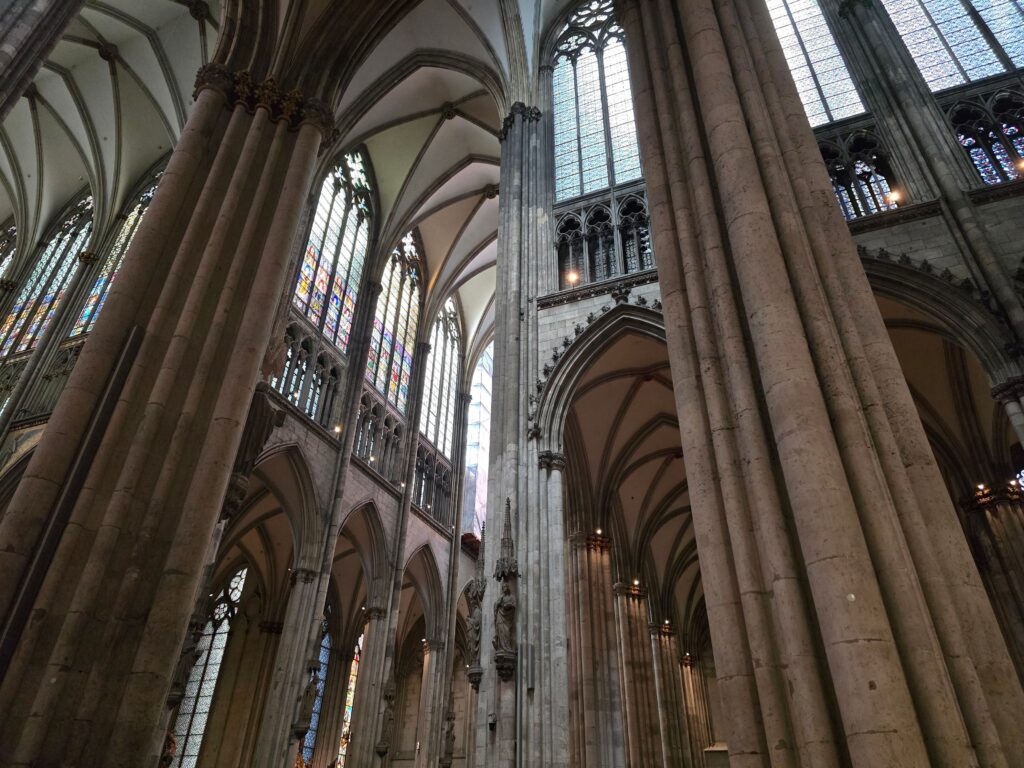
Construction began in 1248 and was not fully completed until 1880, making it one of the longest construction projects in human history. The cathedral became a UNESCO World Heritage Site in 1996 and remains the tallest twin-spired church in the world at approximately 157 meters (515 feet).
Every year, roughly six million people visit the cathedral, making it one of Germany’s most popular tourist attractions.
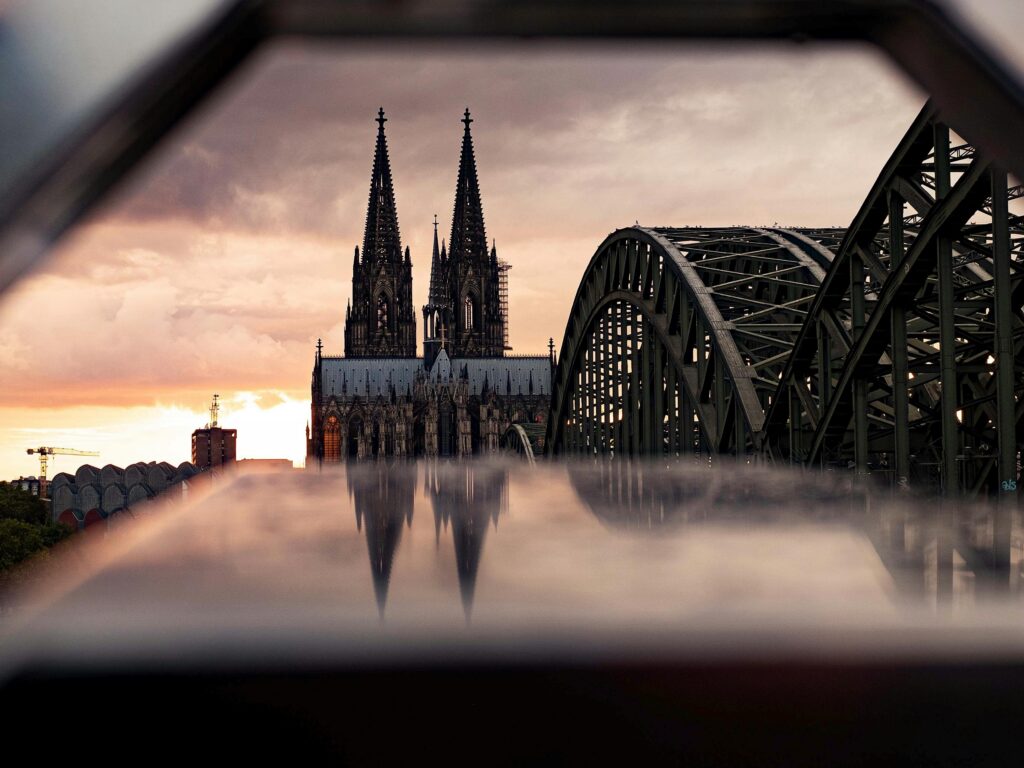
For many visitors arriving at Cologne’s central railway station, the cathedral is the first thing they see.
Its towering Gothic spires dominate the city’s skyline and serve as a symbol not only of Cologne but of German cultural heritage itself.
Why Is Cologne Cathedral Charging Visitors?
The answer is simple: maintaining a medieval masterpiece is extraordinarily expensive.
Cathedral officials estimate annual maintenance, operations, security, conservation, and staffing costs at approximately €16 million per year, or about €44,000 every day. Rising inflation, higher labor costs, and increasing security requirements have made the financial burden even heavier in recent years.
According to cathedral administrators, existing revenue streams are no longer sufficient.
Financial reserves that helped bridge funding gaps have been depleted, partly due to revenue losses during the COVID-19 pandemic when paid attractions such as the tower climb and treasury tours were restricted.
Church officials argue that without a sustainable funding model, preserving the cathedral for future generations would become increasingly difficult.
The Hidden Cost of Preserving a Medieval Landmark
Many visitors underestimate the complexity involved in maintaining a structure that is nearly 800 years old.
Preservation efforts include:
- Stone restoration and replacement
- Structural monitoring
- Weather damage repair
- Cleaning pollution-related discoloration
- Roof maintenance
- Electrical and fire safety upgrades
- Security operations
- Visitor management systems
Unlike modern buildings, many repairs require specialized craftsmen trained in traditional construction techniques.
Some restoration projects can take years to complete.
In effect, maintaining Cologne Cathedral is less like operating a church and more like managing a living museum, engineering project, and cultural institution simultaneously.
Not Everyone Supports the Decision
The introduction of admission fees has generated significant criticism.
Some preservation advocates argue that churches should remain freely accessible to everyone regardless of income.
Critics contend that charging admission risks transforming sacred spaces into commercial attractions and could discourage local residents from visiting. Some opponents have described the move as socially unfair, particularly if rising fees eventually place access beyond the reach of ordinary visitors.
The debate touches on a broader question:
Should access to cultural heritage be treated as a public right or a service that requires financial contribution?
There is no universally accepted answer.
Worshippers Will Still Enter for Free
One of the most important aspects of the new system is that religious access remains protected.
Church officials have emphasized that visitors attending services, praying, lighting candles, or seeking spiritual reflection will continue to enter free of charge. Separate access arrangements are planned to distinguish tourists from worshippers.
This distinction reflects the cathedral’s dual role:
- A functioning religious institution
- A global tourism attraction
Balancing these two identities has become increasingly challenging as visitor numbers continue to grow.
The Problem of Overtourism
Cologne Cathedral’s decision is also linked to a larger European issue: overtourism.
Many historic sites face challenges such as:
- Excessive crowding
- Increased wear and tear
- Security concerns
- Visitor congestion
- Reduced quality of experience
Tourism experts increasingly argue that unlimited free access may no longer be sustainable at some of the world’s most visited landmarks.
Entry fees can serve multiple purposes:
- Funding preservation
- Managing crowd sizes
- Improving visitor experiences
- Enhancing security
Some church leaders and heritage experts believe modest fees can help protect monuments from the unintended consequences of mass tourism.
Cologne Cathedral Is Not Alone
Although many German churches remain free, charging visitors is already common elsewhere in Europe.
Examples include:
| Landmark | Approximate Admission Fee |
|---|---|
| Sagrada Família (Barcelona) | €26 |
| St. Stephen’s Cathedral (Vienna) | €29 |
| Westminster Abbey (London) | About €36 equivalent |
| Berlin Cathedral | €15 |
| Cologne Cathedral (from July 2026) | €12 |
These examples suggest Cologne’s fee is relatively moderate compared with other major European landmarks.
Interestingly, some globally famous religious sites continue to offer free admission, including St. Peter’s Basilica in Vatican City.
How Churches Are Funded in Germany
Many international visitors are surprised to learn that Germany has a unique church financing system.
Registered members of major Christian denominations pay a church tax, which is collected alongside income taxes.
This system generates billions of euros annually for religious organizations. However, individual churches and cathedrals often face separate funding challenges because maintenance costs for historic structures can exceed local resources.
At the same time, church membership in Germany has been declining for years.
Fewer members can eventually mean less revenue, increasing pressure on alternative funding sources.
Tourism Is Changing Historic Religious Sites
The debate surrounding Cologne Cathedral highlights a broader transformation occurring across Europe.
Many famous churches now function simultaneously as:
- Places of worship
- Tourist attractions
- Historical museums
- Cultural landmarks
- Event venues
As tourism grows, management priorities become more complex.
Religious leaders must balance spiritual missions with operational realities.
For some institutions, admission fees are increasingly viewed not as commercialization but as preservation tools.
Could More Churches Follow?
Many experts believe Cologne Cathedral may not be the last major German church to introduce admission charges.
Factors driving this possibility include:
- Rising maintenance costs
- Aging infrastructure
- Inflation
- Security expenses
- Growing visitor numbers
- Declining church membership
If the Cologne model proves successful, other major heritage sites could adopt similar approaches.
The decision may ultimately serve as a test case for how Europe funds its most important historic landmarks in the decades ahead.
The Economic Value of Cultural Heritage
Historic monuments generate significant economic activity.
Visitors spend money on:
- Hotels
- Restaurants
- Transportation
- Retail shopping
- Guided tours
- Local attractions
Studies across Europe consistently show that heritage tourism contributes billions of euros annually to local economies.
Protecting these landmarks therefore delivers benefits that extend far beyond their immediate cultural or religious significance.
In that context, admission fees may be viewed as an investment in preserving economic assets as well as historical treasures.
The Bigger Picture
The introduction of a €12 entry fee at Cologne Cathedral is about far more than a ticket.
It represents a collision between two powerful ideas:
The belief that cultural and religious landmarks should remain freely accessible to all.
And the reality that preserving centuries-old monuments requires substantial financial resources.
As tourism continues to grow and maintenance costs rise, more historic institutions will likely face the same difficult choice.
The challenge will be finding solutions that protect both access and preservation.
Cologne Cathedral’s decision may ultimately become a model—or a warning—for heritage sites around the world seeking to balance history, faith, tourism, and financial sustainability.
Frequently Asked Questions (FAQ)
1. Why is Cologne Cathedral charging tourists €12?
The cathedral faces annual maintenance and operating costs of approximately €16 million. Church officials say admission fees are needed to create a sustainable funding source for preservation, security, and daily operations.
2. When does the new admission fee begin?
The €12 tourist entry fee will take effect on July 1, 2026.
3. Will worshippers still be allowed to enter for free?
Yes. People attending religious services, praying, or lighting candles will continue to have free access. The cathedral plans separate access arrangements for worshippers and tourists.
4. How many people visit Cologne Cathedral each year?
The cathedral receives approximately six million visitors annually, making it one of Germany’s most visited landmarks.
5. Is Cologne Cathedral a UNESCO World Heritage Site?
Yes. The cathedral was designated a UNESCO World Heritage Site in 1996 because of its exceptional Gothic architecture and historical significance.
Sources DW

