
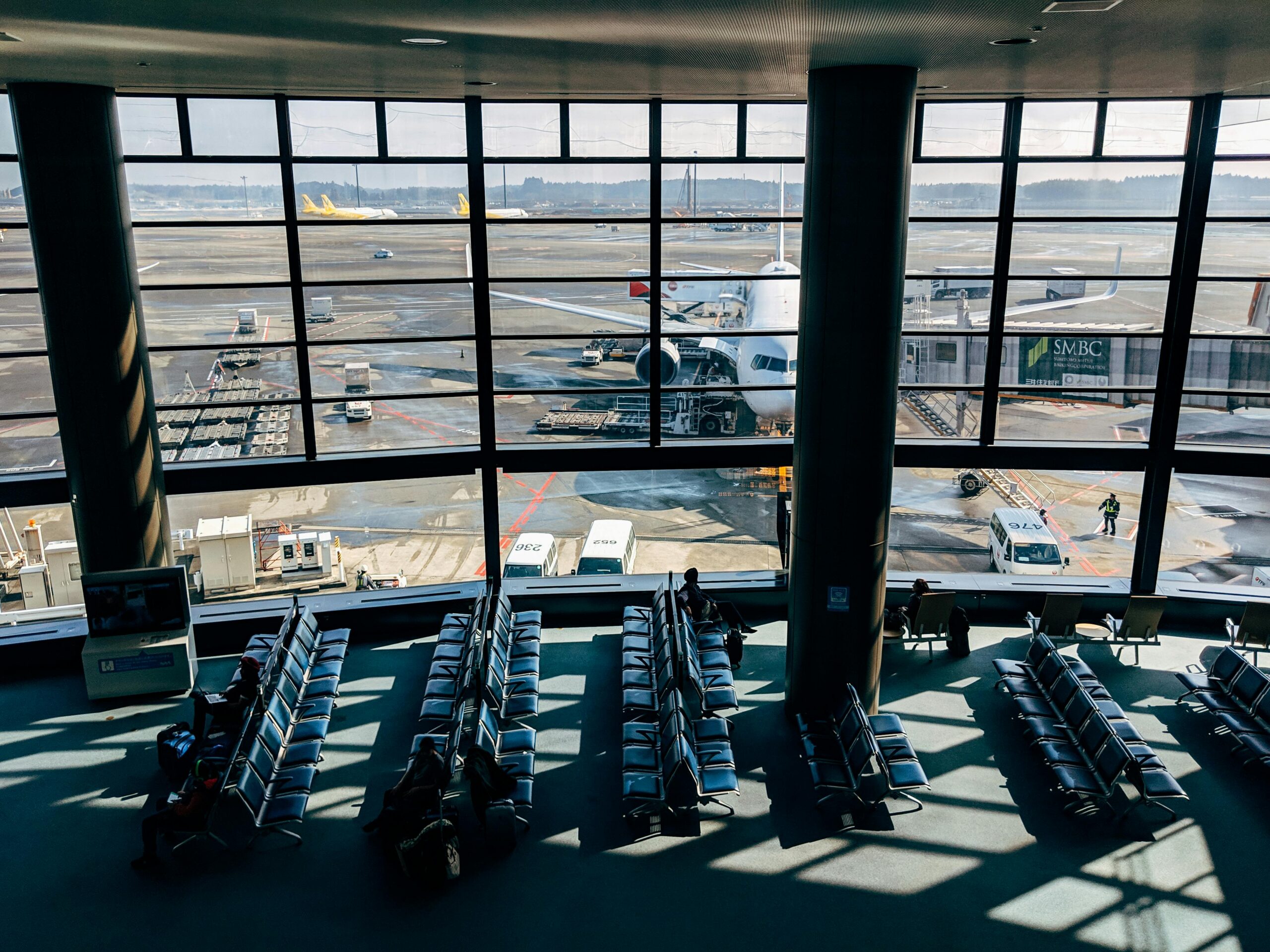
Japan is experiencing one of the most significant tourism booms in its history.
After years of steady growth, the country welcomed approximately 40 million international visitors in 2025, setting a new national record. While most travelers arrive through commercial airlines, another segment of aviation is quietly benefiting from the surge: business aviation and private jet travel.
For decades, business aviation remained a niche sector in Japan, overshadowed by the country’s world-class commercial rail and airline networks. Today, however, rising tourism, growing foreign investment, regional economic development, and increasing demand for premium travel experiences are transforming business aviation from a luxury service into an important component of Japan’s transportation infrastructure.
The shift is creating opportunities for airports, aviation service providers, tourism operators, aircraft manufacturers, and regional governments seeking to attract high-spending international visitors.
Japan’s Tourism Success Story
Japan’s tourism growth has been driven by several factors:
- A relatively weak yen that makes travel more affordable
- Strong global interest in Japanese culture
- Expanded international air connectivity
- Major events and international exposure
- Improved digital travel services
- Rising demand for luxury and experiential tourism
Visitors are no longer limiting themselves to Tokyo.
Increasing numbers are traveling to:
- Hokkaido for skiing
- Okinawa for beach tourism
- Kyoto for cultural heritage
- Osaka for food and entertainment
- Fukuoka for business and innovation
- Kumamoto for technology investment opportunities
This geographic diversification is creating new demand for flexible transportation solutions beyond traditional airline routes.
Why Business Aviation Is Becoming More Important
Business aviation is often misunderstood as simply a tool for wealthy individuals.
In reality, it serves several critical functions:
- Corporate travel
- Foreign direct investment
- Government and diplomatic missions
- Medical transportation
- Time-sensitive business operations
- High-net-worth tourism
As Japan attracts more international investors and executives, business aircraft provide access to destinations that may not be conveniently connected through commercial airline schedules.
For business travelers, time is often more valuable than ticket cost.
A private aircraft can allow executives to visit multiple cities in a single day, something that may be impossible using commercial flights and rail services.
The Numbers Suggest Strong Growth Potential
According to industry estimates, Japan’s business aviation market is expected to grow from approximately US$3.34 billion in 2025 to more than US$4.1 billion by 2031. Despite this growth, Japan remains significantly underdeveloped compared with other major economies.
Japan currently has only around 83 registered business aircraft.
For comparison:
- The United States has more than 20,000
- Germany has more than 500
- China has more than 200
Industry experts believe Japan’s fleet could potentially expand to 150–200 aircraft over time, creating substantial growth opportunities throughout the aviation ecosystem.
Luxury Tourism Is Changing the Equation
One of the biggest drivers of growth is luxury tourism.
Japan’s government increasingly focuses on attracting higher-spending visitors rather than simply maximizing arrival numbers.
Luxury travelers often seek:
- Exclusive cultural experiences
- Remote destinations
- Premium resorts
- Private tours
- Flexible itineraries
Business aviation allows these travelers to bypass crowded transportation networks and reach destinations more efficiently.
For example, visitors may combine:
- Skiing in Hokkaido
- Cultural experiences in Kyoto
- Luxury shopping in Tokyo
- Beach vacations in Okinawa
within a single trip.
Private aviation makes such itineraries practical and attractive.
Regional Japan Is Emerging as a Major Opportunity
Historically, Tokyo dominated international travel.
That is beginning to change.
The Japanese government has actively encouraged visitors to explore regional destinations to reduce pressure on overcrowded tourism hotspots.


Regional airports are becoming increasingly important as gateways to local economic zones.
Examples include:
- Kumamoto’s semiconductor industry expansion
- Hokkaido’s winter tourism sector
- Okinawa’s luxury resort market
- Fukuoka’s startup ecosystem
Business aviation offers direct connectivity to these destinations, helping distribute tourism spending beyond Tokyo and Osaka.
The TSMC Effect
One development receiving significant attention is the expansion of TSMC operations in Kumamoto.
The arrival of one of the world’s most important semiconductor manufacturers has attracted:
- International investors
- Technology executives
- Supply-chain partners
- Government officials
This type of industrial decentralization creates demand for executive travel services that business aviation can efficiently support.
As more high-tech investments spread across regional Japan, demand for flexible air mobility is expected to increase.
The Infrastructure Challenge
Despite growing demand, Japan faces significant infrastructure constraints.
Airport Congestion
The country’s busiest airports are approaching capacity limits.
Key challenges include:
- Limited parking availability
- Restricted slot allocations
- Curfews at major airports
- Complex coordination requirements
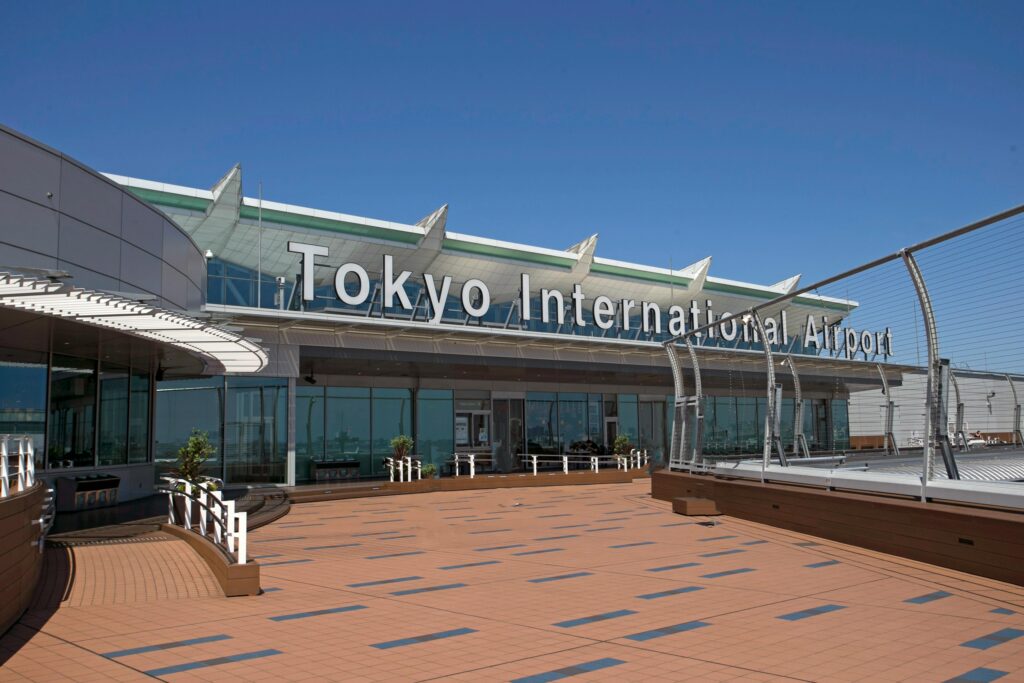
Tokyo’s Haneda Airport is particularly constrained, with business aviation accounting for only a small percentage of daily movements.
Limited Flexibility
Business aviation relies on schedule flexibility.
Japan’s airport system was primarily designed around commercial airline operations, making last-minute business jet scheduling more difficult than in aviation hubs such as Singapore or Hong Kong.
New Ownership Models Are Expanding Access
Traditional private jet ownership remains expensive.
However, new business models are lowering barriers.
These include:
- Fractional ownership
- Shared jet programs
- Membership-based access
- Charter services
- Corporate mobility programs
Programs such as shared ownership initiatives allow companies to access private aviation without purchasing entire aircraft.
This trend could broaden the customer base beyond ultra-wealthy individuals.
Japan’s Maintenance and Service Opportunity
Business aviation growth creates opportunities beyond aircraft operations.
The sector requires:
- Maintenance facilities
- Pilot training
- Aircraft management
- Ground handling
- Charter brokerage
- Aviation consulting
Japan is increasingly positioning itself as a stable aviation maintenance hub within Asia.
As fleet numbers grow, demand for these services is likely to increase as well.
Technology Will Shape the Next Phase
Japan’s aviation future may extend beyond traditional business jets.
Several major initiatives are underway involving electric vertical takeoff and landing aircraft (eVTOLs).
These aircraft could eventually provide:
- Airport transfers
- Urban air mobility
- Resort transportation
- Last-mile connectivity
Industry partnerships aim to introduce commercial eVTOL operations in Japan later this decade. If successful, these services could complement traditional business aviation by solving one of the industry’s biggest challenges: ground transportation after landing.
Sustainability Is Becoming a Competitive Factor
Environmental concerns are increasingly influencing aviation policy.
Japan is expanding efforts related to:
- Sustainable aviation fuel (SAF)
- Carbon reduction programs
- Green airport initiatives
- Cleaner aircraft technologies
For corporate customers, sustainability is no longer simply an environmental issue—it has become part of ESG reporting and brand reputation management.
Future business aviation growth will likely depend on balancing convenience with environmental responsibility.
Challenges That Could Slow Growth
Despite strong potential, several obstacles remain.
Airport Capacity Limits
Many major airports already face congestion challenges.
Regulatory Complexity
Business aviation often requires greater operational flexibility than current systems allow.
Public Perception
Many Japanese citizens still view private aviation as an activity reserved exclusively for the wealthy. Industry leaders argue that greater public understanding is needed to highlight its economic benefits.
Global Economic Uncertainty
Fuel prices, geopolitical disruptions, and economic slowdowns could affect future growth.
The Bigger Picture
Japan’s tourism boom is creating opportunities far beyond hotels, restaurants, and commercial airlines.
Business aviation is emerging as a strategic tool that supports:
- Tourism development
- Regional economic growth
- Foreign investment
- Executive mobility
- Infrastructure modernization
The country’s private aviation sector remains small by global standards, but that may actually be its greatest advantage.
With tourism demand reaching record levels, regional destinations gaining international recognition, and new mobility technologies on the horizon, Japan has an opportunity to build a modern business aviation ecosystem that complements its world-famous transportation network.
If policymakers can address infrastructure bottlenecks and improve operational flexibility, business aviation could become one of the most important beneficiaries of Japan’s next tourism growth chapter.
Frequently Asked Questions (FAQ)
1. Why is Japan’s tourism boom helping business aviation?
Record tourist arrivals are increasing demand for premium travel options, particularly among high-net-worth travelers, corporate executives, investors, and luxury tourists seeking flexible access to destinations across Japan.
2. How large is Japan’s business aviation market?
Industry forecasts estimate the market will grow from approximately US$3.34 billion in 2025 to about US$4.14 billion by 2031.
3. Why doesn’t Japan already have a large private jet sector?
Japan developed extensive high-speed rail and commercial airline networks that reduced reliance on private aviation. Airport slot restrictions and infrastructure limitations have also constrained growth.
4. Which destinations are driving business aviation growth?
Beyond Tokyo, growth opportunities are emerging in Hokkaido, Okinawa, Fukuoka, Kumamoto, Kyoto, and Osaka as tourism and investment expand across regional Japan.
5. What are the biggest challenges facing business aviation in Japan?
The primary obstacles include airport congestion, limited slot availability, parking restrictions, regulatory complexity, and public misconceptions about private aviation.

Sources Business Airport International

