
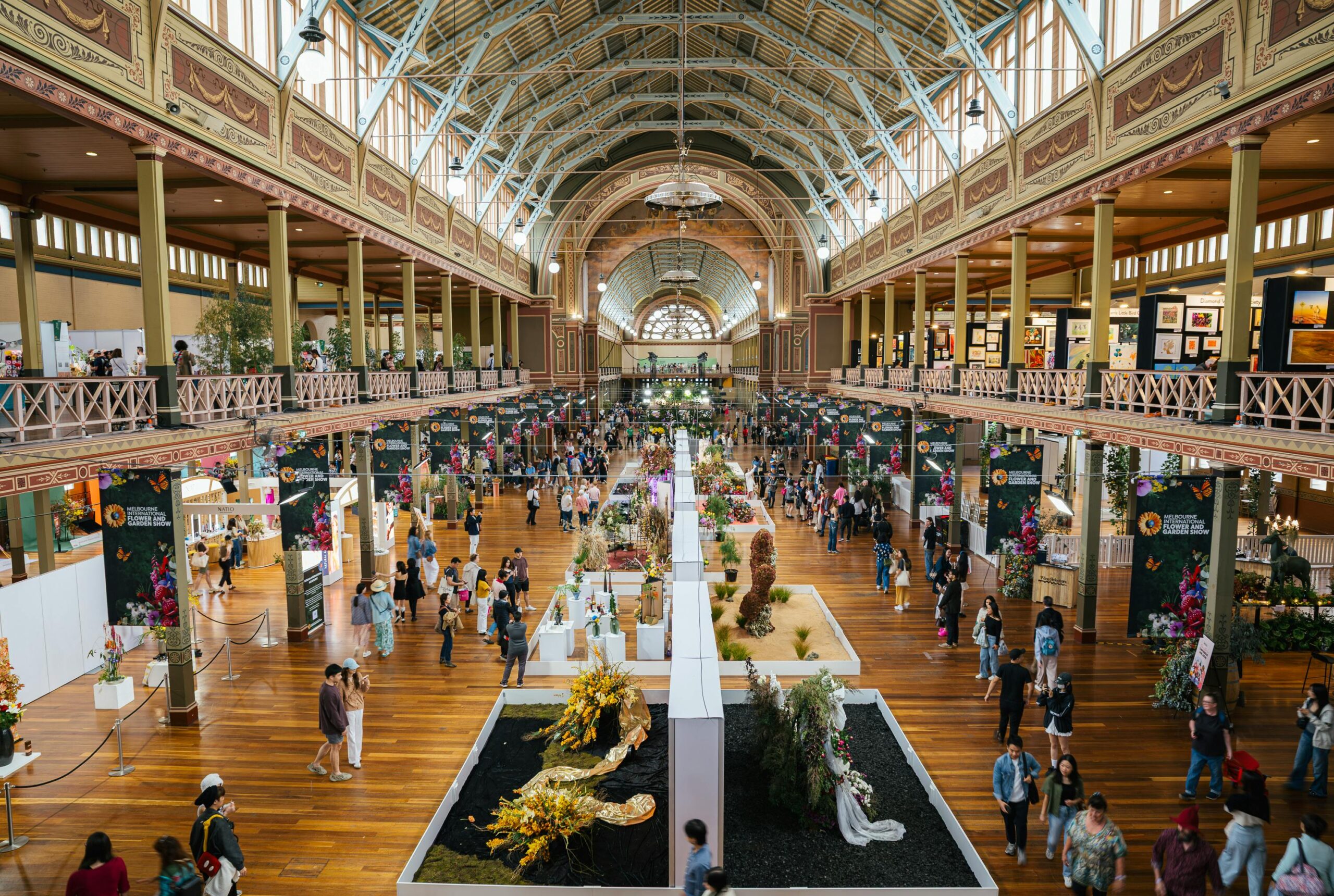
Travel used to be about landmarks. Then it became about experiences. Now, for a growing number of travelers, it’s about design.
From architecture biennials and design weeks to newly built museums, adaptive reuse projects, and walkable creative districts, design is increasingly shaping where people go—and why. The rise of design tourism reflects a broader shift in how travelers define culture, value cities, and seek meaning beyond sightseeing.
What once appealed mainly to architects and design professionals has become a mainstream travel motivation, transforming cities into living exhibitions of creativity.
1. What is design tourism?
Design tourism refers to travel motivated by interest in:
- Architecture and urban planning
- Interior, industrial, and product design
- Fashion, graphic, and digital design
- Public spaces, landscapes, and adaptive reuse
- Design-focused festivals, fairs, and exhibitions
Unlike traditional tourism, which often centers on the past, design tourism is about how places imagine their future.
2. Why design has become a travel driver now
Several forces have pushed design into the tourism spotlight:
- Social media platforms reward visually distinctive spaces
- Travelers seek intellectual and creative stimulation
- Cities use design to signal innovation and identity
- Younger travelers prioritize originality over familiarity
- Remote work allows travel tied to niche interests
Design offers both beauty and story—an irresistible combination for modern travelers.
3. Events as destinations: the power of design weeks and biennials
Design tourism is often event-led.
Major gatherings such as:
- Milan Design Week
- London Design Festival
- Venice Architecture Biennale
- Dubai Design Week
- Mexico City Art and Design Week
draw hundreds of thousands of visitors who plan entire trips around these events. These travelers stay longer, spend more, and often explore beyond traditional tourist zones.
For host cities, design events function as cultural magnets and global branding tools.
4. Architecture as a reason to travel
Iconic architecture increasingly rivals museums and monuments as a primary draw.
Travelers now plan trips to see:
- Contemporary museums and concert halls
- Experimental housing projects
- Reimagined industrial sites
- Sustainable and climate-adaptive buildings
Cities like Copenhagen, Bilbao, Tokyo, and Rotterdam have leveraged architecture to redefine their global image.
5. The economic impact cities don’t always advertise
Design tourism delivers distinct economic benefits:
- High-spending, longer-stay visitors
- Demand for boutique hotels and local dining
- Growth in creative industries and jobs
- Increased global media attention
Unlike mass tourism, design tourism tends to be lower volume but higher value, placing less strain on infrastructure while generating strong returns.
6. Design tourism beyond global capitals
While major cities dominate headlines, smaller destinations are increasingly embracing design as a differentiator.
Examples include:
- Post-industrial towns repurposing factories into cultural hubs
- Rural areas commissioning bold contemporary architecture
- Waterfronts redesigned as public cultural spaces
For lesser-known destinations, design offers a way to stand out without competing directly with iconic capitals.
7. Sustainability and ethics in design-led travel
Design tourism intersects naturally with sustainability.
Travelers are increasingly drawn to:
- Green architecture and net-zero buildings
- Walkable urban design
- Adaptive reuse instead of demolition
- Community-centered public spaces
However, challenges remain:
- Risk of design-driven gentrification
- Over-commercialization of creative districts
- Exclusion of local communities from benefits
Design tourism succeeds best when creativity serves residents as well as visitors.
8. Who design tourists really are
Design tourists are not a single demographic.
They include:
- Professionals in creative fields
- Students and academics
- Curious general travelers
- Digital nomads and remote workers
- Culture-driven retirees
What unites them is curiosity—about how places work, not just how they look.
9. How cities are curating design narratives
Increasingly, cities are acting as curators.
They:
- Map design itineraries and walking routes
- Offer guided architecture tours
- Promote local designers and studios
- Integrate design into tourism marketing
Design becomes not just infrastructure, but storytelling.
10. What design tourism says about the future of travel
Design tourism reflects a broader shift away from passive consumption.
It suggests:
- Travelers want to understand systems, not just surfaces
- Creativity is becoming a form of cultural capital
- Cities are judged by imagination as much as heritage
- Travel is increasingly about learning and inspiration
In short, people aren’t just visiting places—they’re studying them.
Conclusion: When creativity becomes the destination
Design tourism marks a turning point in global travel. It shows that people are willing to cross continents not just for beaches or landmarks, but to engage with ideas—about cities, sustainability, beauty, and the future.
As destinations compete for attention in an overcrowded tourism market, design offers something rare: a way to attract visitors while improving life for locals.
In the years ahead, the most successful destinations may not be the most famous—but the most thoughtfully designed.
Frequently Asked Questions (FAQ)
1. What is design tourism?
Travel motivated by interest in architecture, design, and creative urban spaces.
2. Who participates in design tourism?
Both design professionals and general travelers seeking cultural depth.
3. Why are design events important?
They attract high-value visitors and global attention in short timeframes.
4. Is design tourism only for big cities?
No. Smaller cities and towns increasingly use design to stand out.
5. How does design tourism differ from art tourism?
Design focuses more on function, systems, and everyday spaces.
6. Is design tourism sustainable?
It can be, especially when focused on reuse, walkability, and community benefit.
7. Does design tourism cause gentrification?
It can, if not managed inclusively.
8. How do travelers engage with design tourism?
Through events, guided tours, exhibitions, and self-curated itineraries.
9. Why is design appealing to younger travelers?
It aligns with values of creativity, sustainability, and originality.
10. Will design tourism keep growing?
Yes. As travel becomes more intentional, design-led experiences are likely to expand.
Sources The New York Times

