
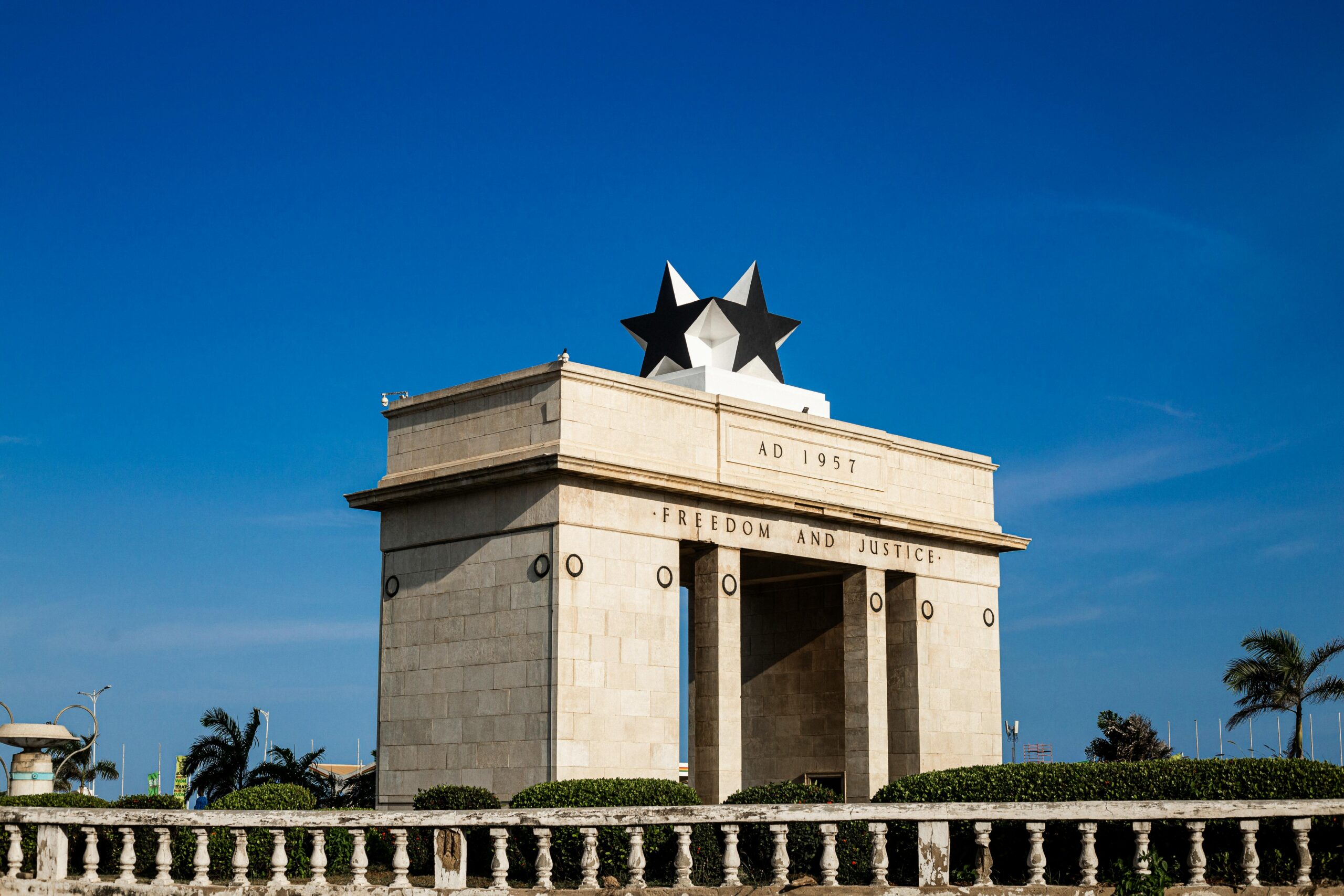
Ghana has long been viewed as a model of stability, culture, and opportunity in West Africa. From the historic Cape Coast Castle to the serene Volta Lake and the wildlife of Mole National Park, the country is endowed with attractions that appeal to global travelers. Yet, despite its potential, Ghana’s tourism sector is showing signs of decline — a result of weak leadership, poor marketing strategies, and limited infrastructure investment.
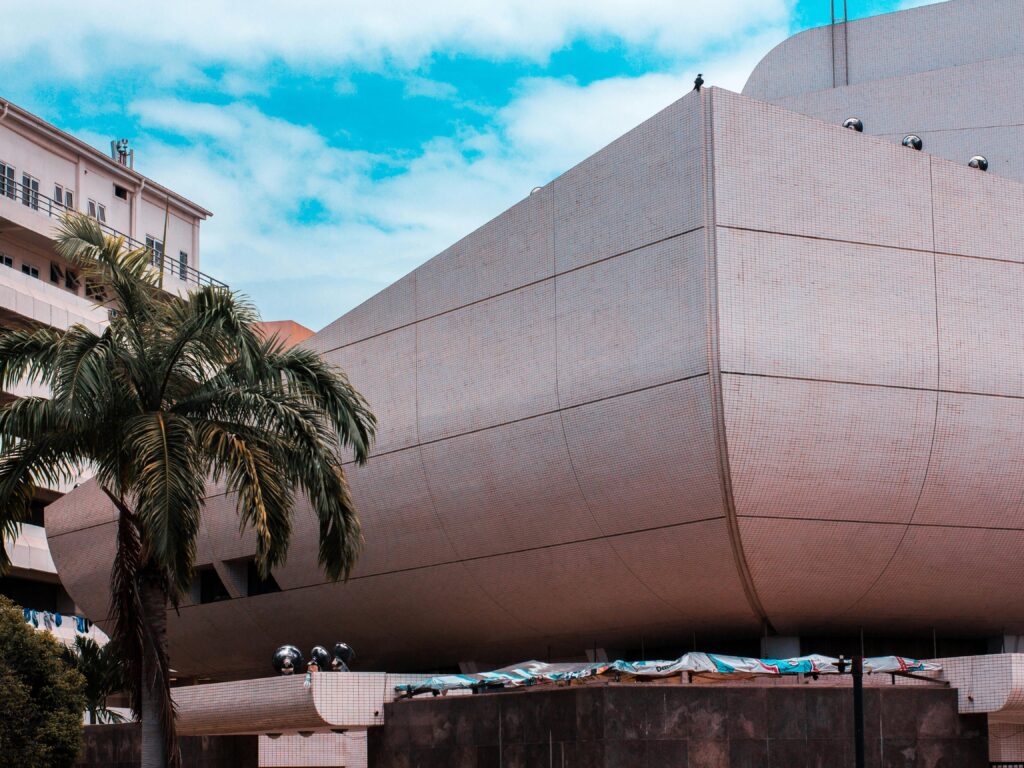
Industry experts and stakeholders warn that the country risks losing its position as a leading African tourism destination unless urgent reforms are made.
What’s Going Wrong: Key Drivers of the Decline
1. Lack of Strategic Vision and Leadership
Ghana’s tourism sector suffers from the absence of a clear, long-term national strategy. Decision-making is fragmented across agencies, with inconsistent policy follow-up and limited collaboration between government, private operators, and local communities. This has led to uncoordinated planning, underfunded projects, and slow implementation of national tourism goals.
2. Marketing Failures — Especially Domestic Promotion
While Ghana once gained global attention through international campaigns such as the “Year of Return,” the momentum has not been sustained. Domestic marketing, which is vital for stabilizing tourism revenues throughout the year, has been largely neglected. Without robust domestic tourism campaigns, local travel remains low, leaving many regional attractions under-visited.
3. Infrastructure Deficits and Quality Issues
Many of Ghana’s tourist destinations are hindered by poor roads, unreliable utilities, and inadequate visitor facilities. Accessibility to key attractions — especially in the northern and coastal regions — is limited, reducing the country’s competitiveness. Inconsistent service quality across hotels, restaurants, and tour operators also diminishes the visitor experience.
4. Disconnect Between Academia, Industry, and Community
Tourism development in Ghana often lacks input from research institutions and local communities. There is a growing gap between theoretical frameworks proposed by academic experts and the realities of tourism operations on the ground. This disconnect prevents innovative, evidence-based policy design and weakens community involvement in tourism benefits.
5. Rising Regional Competition
Countries such as Kenya, Morocco, South Africa, and Rwanda have stepped up their tourism branding and infrastructure investment. Their focused marketing and improved visitor experiences have drawn international attention — while Ghana’s global visibility has faded.
6. Short-Term Campaigns Without Follow-Through
The “Year of Return” in 2019 was one of Ghana’s most successful tourism initiatives, drawing global visitors and diaspora Africans. However, the follow-up programs lacked consistency, and tourism operators failed to sustain the enthusiasm and infrastructure upgrades that such a campaign demanded.
7. Governance and Creative Industry Conflicts
In recent years, Ghana’s creative and tourism sectors have clashed over issues of intellectual property and recognition. Such disputes erode trust between artists, marketers, and government institutions — undermining collaborative opportunities for tourism promotion through music, art, and film.
Consequences and Risks
- Declining Revenue and Employment: The fall in tourist numbers directly impacts hotels, restaurants, transport operators, and small enterprises dependent on visitors.
- Underutilized Attractions: Regions with rich cultural and natural assets remain overlooked, depriving communities of potential income.
- Weakened Community Support: When locals see little benefit from tourism, enthusiasm for maintaining or protecting sites diminishes.
- Reputational Damage: Poor visitor experiences and inconsistent marketing can lead to negative global perceptions that take years to reverse.
- Environmental and Cultural Strain: Mismanagement and lack of reinvestment in conservation risk degrading heritage and natural sites.
Ghana’s Strengths: The Foundation for Revival
Despite the challenges, Ghana retains many advantages that can support a tourism resurgence:
- Cultural and Historical Richness: Sites like Elmina Castle, traditional festivals, and Ghanaian cuisine attract heritage tourists.
- Political Stability: Ghana’s democratic reputation builds traveler confidence.
- Diaspora Connection: Strong emotional ties with the global African diaspora present a consistent visitor base.
- Youth Creativity: Ghana’s music, fashion, and art scenes can be leveraged to rebrand tourism for a new generation.
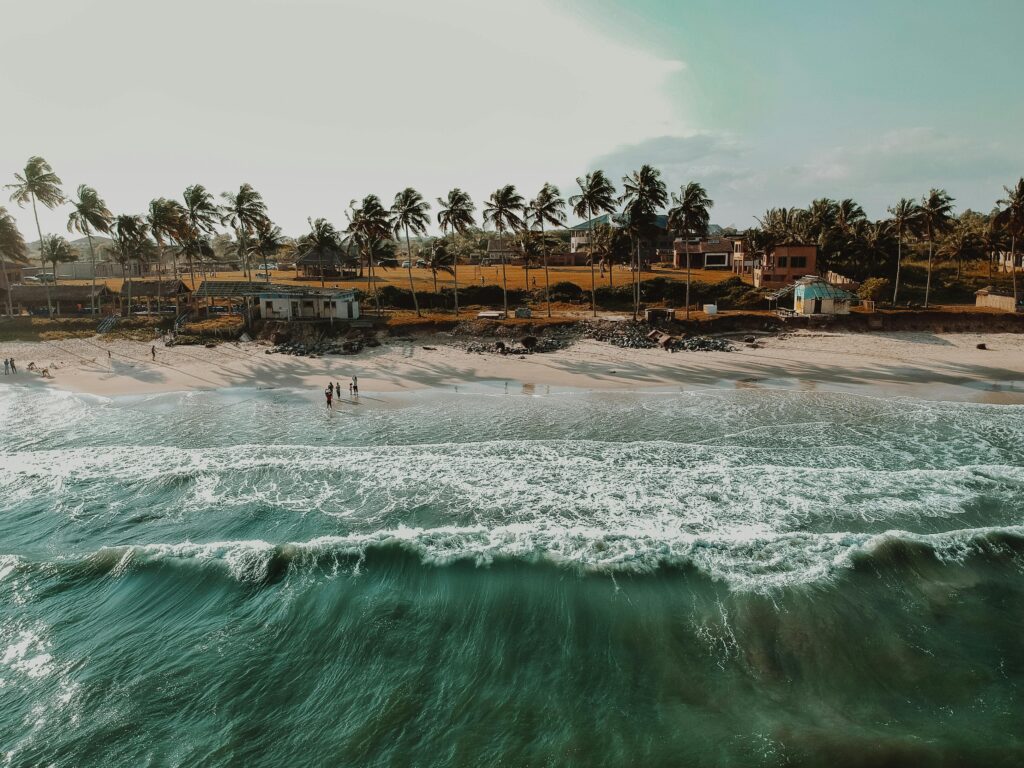
- Natural Diversity: From beaches to forests and savannahs, the nation offers diverse landscapes for eco-tourism and adventure travel.
The Path Forward: What Ghana Can Do
1. Create a Comprehensive National Tourism Strategy
Develop and enforce a long-term master plan that defines clear goals, timelines, and accountability. The plan should integrate sustainability, community inclusion, and measurable economic outcomes.
2. Strengthen Domestic Tourism
Launch national campaigns encouraging Ghanaians to explore their country. Incentives such as discounts, travel vouchers, and public education programs can help build pride and stimulate local demand.
3. Invest in Infrastructure
Upgrade access roads, utilities, signage, and digital infrastructure around major and secondary attractions. Accessibility and visitor comfort are key to repeat tourism.
4. Encourage Public-Private Partnerships
Engage local investors, entrepreneurs, and community groups in tourism development. Shared ownership creates shared responsibility and long-term success.
5. Enhance Training and Service Standards
Invest in human capital — through vocational training, language education, customer service certification, and digital literacy — to raise Ghana’s competitiveness.
6. Rebrand and Digitize Marketing Efforts
Reignite the country’s global tourism image using storytelling, film, and digital platforms. Highlight authenticity, sustainability, and Ghana’s role as a cultural hub in Africa.
7. Foster Community Participation
Ensure that local communities benefit directly through employment, co-management of attractions, and profit-sharing mechanisms. This strengthens conservation and cultural preservation.
8. Diversify Tourism Offerings
Move beyond heritage tourism by developing eco-tourism, adventure experiences, culinary routes, creative tourism, and wellness retreats.
9. Improve Governance and Accountability
Tourism agencies must operate transparently, with regular audits, stakeholder consultations, and data-driven decision-making.
10. Focus on Sustainability
Adopt climate-resilient policies, promote green practices, and safeguard natural and cultural resources for future generations.
Frequently Asked Questions
| Question | Answer |
|---|---|
| Is Ghana’s tourism industry really declining? | Yes. Industry experts cite falling visitor numbers, reduced revenues, and weak marketing as key indicators. |
| Why is leadership being blamed? | Stakeholders believe inconsistent direction and lack of long-term planning have hindered the sector’s growth. |
| What happened after the “Year of Return”? | While successful in 2019, its momentum faded due to lack of follow-up campaigns and infrastructure investment. |
| Why is domestic tourism so important? | It ensures steady income year-round, boosts regional economies, and fosters national pride. |
| What are the main barriers to growth? | Poor infrastructure, inconsistent marketing, low service quality, and insufficient coordination between agencies. |
| How does Ghana compare to other African destinations? | Countries like Kenya, Rwanda, and Morocco are advancing faster due to strong branding and government commitment. |
| What can be done to fix the marketing problem? | Invest in consistent, creative, and digital campaigns that promote Ghana’s diversity and cultural depth. |
| How can communities benefit more from tourism? | By involving them in planning, decision-making, and profit-sharing to ensure local empowerment. |
| What role does infrastructure play? | Without reliable transport, utilities, and internet access, many attractions remain difficult to reach or underdeveloped. |
| Can Ghana recover? | Yes. With strong leadership, strategic investment, and a focus on sustainability, Ghana can rebuild its image as a leading destination in Africa. |
Conclusion
Ghana’s tourism industry sits at a critical turning point. The country’s cultural wealth and natural beauty are undeniable, but leadership failures and weak marketing have dimmed its global shine. Reviving the sector requires more than slogans — it demands strategic direction, consistent promotion, inclusive policies, and community engagement.
With renewed commitment, Ghana can transform tourism into a sustainable driver of jobs, pride, and prosperity — ensuring that the “Gateway to Africa” remains open not just in history books, but in the minds and itineraries of travelers around the world.

Sources News Ghana


I must say this article is extremely well written, insightful, and packed with valuable knowledge that shows the author’s deep expertise on the subject, and I truly appreciate the time and effort that has gone into creating such high-quality content because it is not only helpful but also inspiring for readers like me who are always looking for trustworthy resources online. Keep up the good work and write more. i am a follower.