
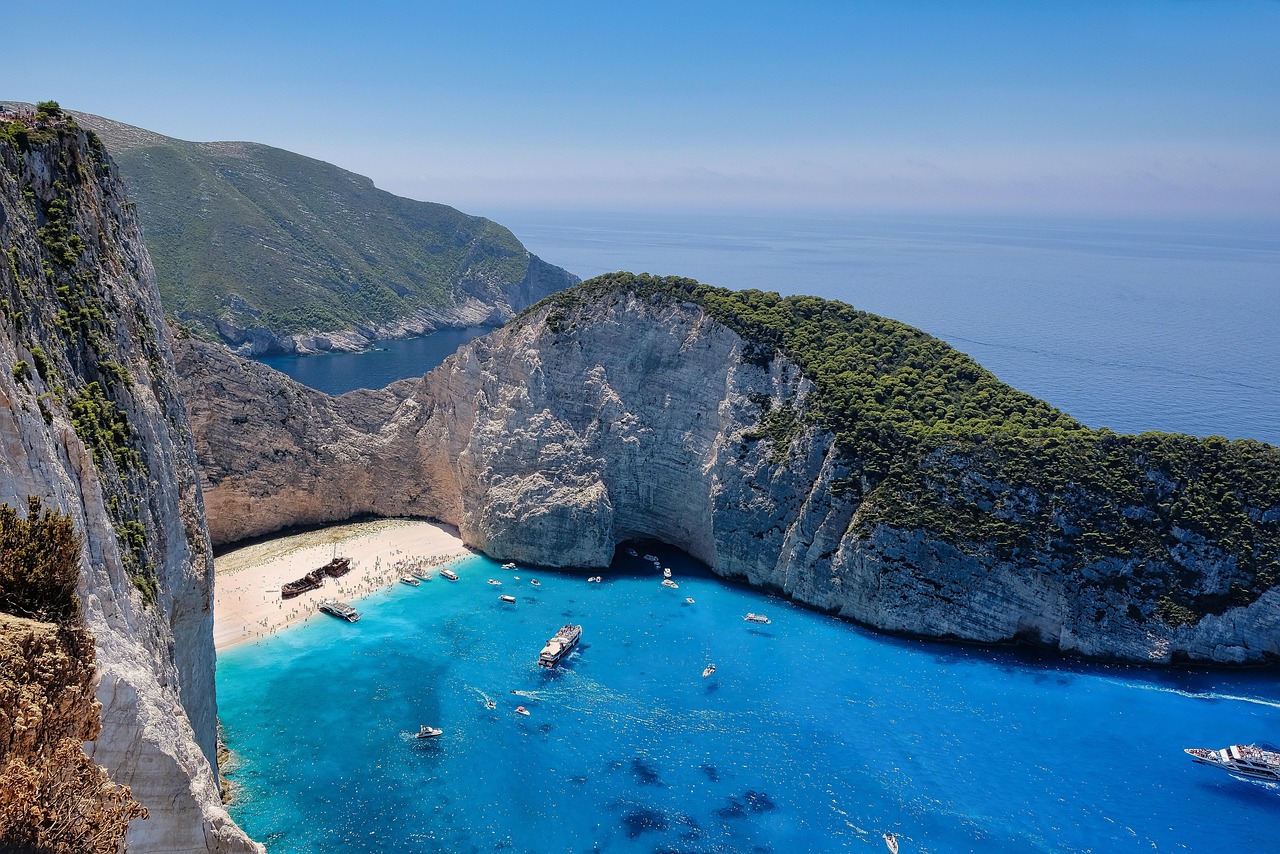
Greece has been ranked the world’s leading destination for “dock and dine” tourism — a fast-growing travel trend that blends luxury yachting with high-end culinary exploration. With its turquoise waters, thousands of islands, historic ports, and globally celebrated Mediterranean cuisine, Greece has emerged as the ideal setting for travelers who want to sail by day and savor world-class dining by night.
While Greece has long been synonymous with sun-soaked island hopping, this new recognition highlights how the country has elevated its maritime tourism by pairing it with sophisticated gastronomy and waterfront hospitality.
What Is “Dock and Dine” Tourism?
“Dock and dine” refers to a travel experience in which visitors arrive at coastal destinations by private yacht or chartered vessel and dock directly at marinas or harbor towns to enjoy curated dining experiences. The trend is particularly popular among luxury travelers seeking:
- Exclusive seaside restaurants
- Michelin-starred dining near marinas
- Authentic local cuisine steps from the dock
- Scenic waterfront settings
- Personalized hospitality
Unlike traditional cruise tourism, dock-and-dine travel emphasizes flexibility, smaller vessels, boutique experiences, and immersion in local culture.
Why Greece Leads the Ranking
Several factors contribute to Greece’s top position in this niche tourism category:
1. Extensive Coastline and Island Diversity
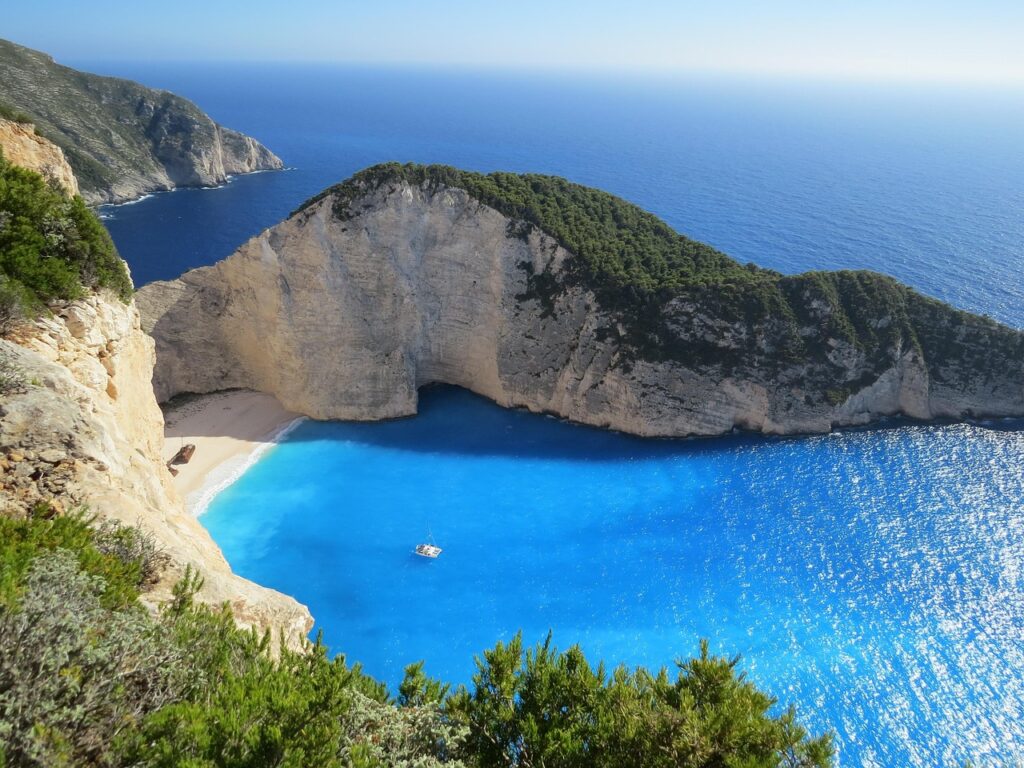
Greece boasts over 13,000 kilometers (8,000 miles) of coastline and more than 6,000 islands and islets — approximately 227 of which are inhabited. This geographic abundance creates countless docking options, from cosmopolitan hotspots to secluded fishing villages.
Popular regions for dock-and-dine travel include:
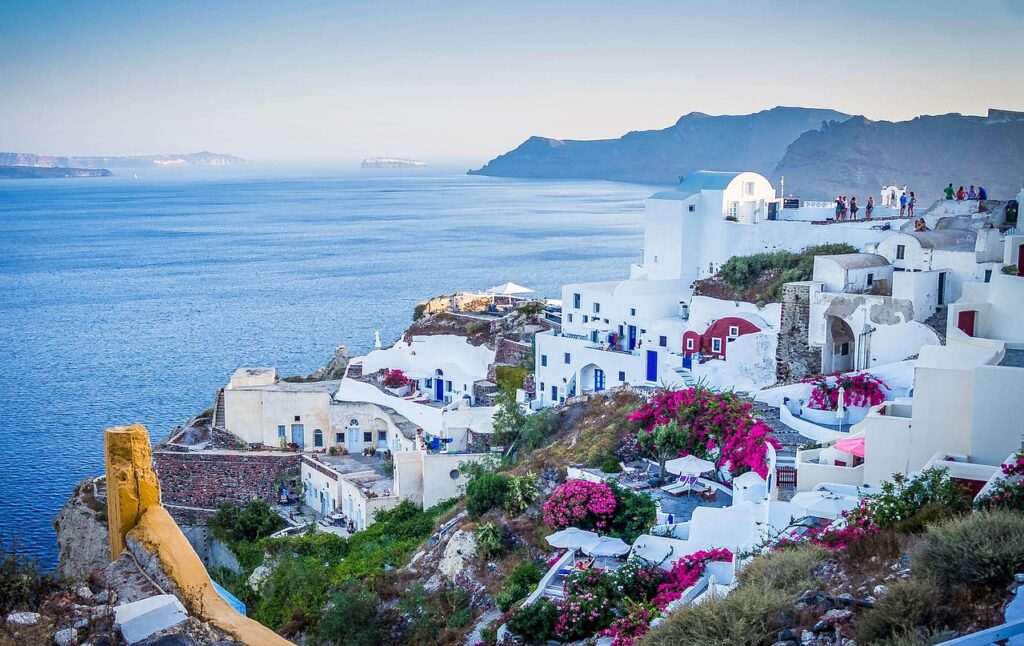
- The Cyclades (Mykonos, Santorini, Paros)
- The Ionian Islands (Corfu, Kefalonia, Zakynthos)
- The Dodecanese (Rhodes, Kos)
- Crete
- The Saronic Gulf near Athens
Each region offers distinct flavors, architecture, and culinary traditions.
2. Globally Celebrated Cuisine
Greek cuisine — rooted in olive oil, fresh seafood, herbs, cheeses, and seasonal vegetables — is central to the dock-and-dine experience.
Travelers can enjoy:
- Grilled octopus and fresh-caught fish
- Traditional meze platters
- Locally produced wines
- Farm-to-table island dishes
- Modern interpretations of classic Mediterranean recipes
Greece’s culinary scene has evolved significantly in recent years, with an increasing number of fine-dining establishments earning international recognition.
3. Marina Infrastructure
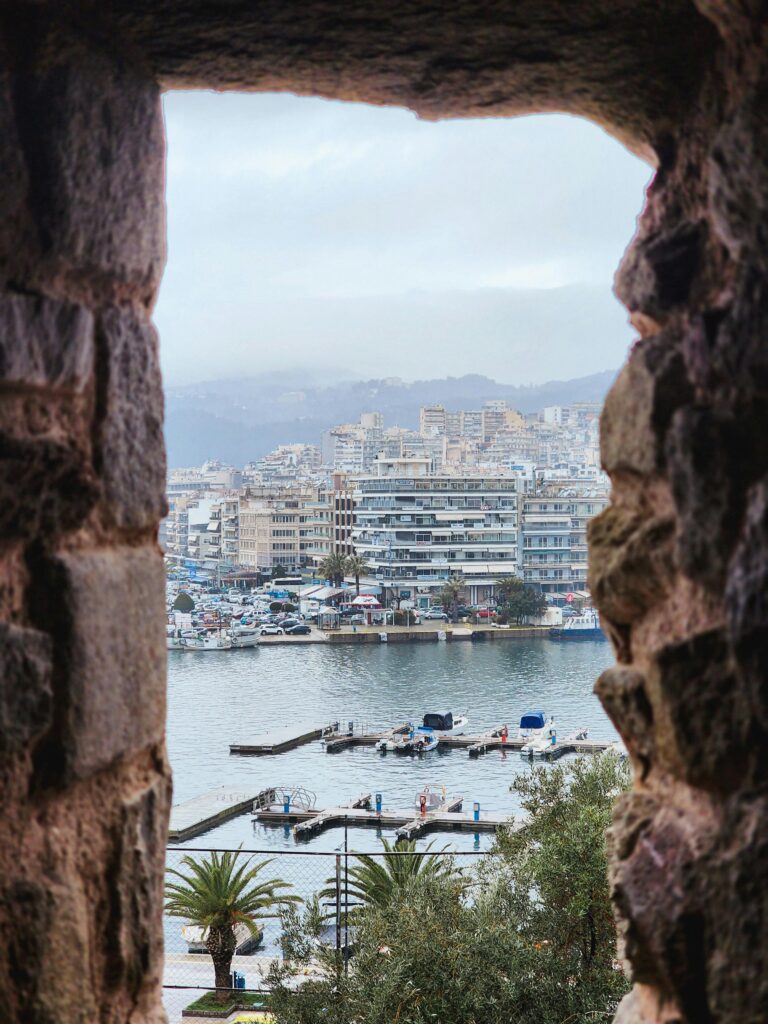
Greece has invested in upgrading marina facilities to accommodate luxury yachts and sailing vessels. Many marinas now offer:
- Modern docking facilities
- Concierge services
- Waterfront dining clusters
- Yacht provisioning services
- Security and maintenance support
This infrastructure supports seamless transitions from sea to table.
4. Extended Sailing Season
Greece benefits from a long Mediterranean sailing season, typically spanning from April through October, with warm waters and reliable winds in many regions.
This extended season makes it attractive for international yacht charters and repeat visitors.
Economic Impact of Dock-and-Dine Tourism
Luxury maritime tourism contributes significantly to Greece’s economy. High-spending yacht travelers often spend more per day than traditional tourists, supporting:
- Local restaurants
- Boutique hotels
- Marina services
- Fishing communities
- Artisans and specialty food producers
Dock-and-dine tourism also distributes economic activity across smaller islands, reducing overtourism pressures in larger cities.
Sustainability Considerations
As interest in maritime tourism grows, sustainability becomes increasingly important. Challenges include:
- Environmental impact of yachts
- Waste management in smaller ports
- Overcrowding during peak season
- Marine ecosystem preservation
Some marinas and operators are introducing eco-friendly initiatives such as:
- Shore power connections to reduce emissions
- Waste recycling programs
- Sustainable seafood sourcing
- Limiting anchoring in protected marine zones
Balancing luxury with environmental stewardship will be key to long-term success.
How Greece Compares to Other Dock-and-Dine Destinations
Other strong contenders in this category include:
- The French Riviera
- Italy’s Amalfi Coast
- Croatia’s Dalmatian Coast
- Spain’s Balearic Islands
However, Greece’s combination of affordability (relative to Western Europe), diverse island options, and culinary authenticity appears to have given it a competitive edge.
The Appeal to Modern Travelers
Dock-and-dine tourism aligns with several modern travel trends:
- Experiential luxury
- Slow travel
- Personalized itineraries
- Culinary exploration
- Instagram-worthy coastal scenery
Rather than rushing between destinations, travelers can curate their own routes, staying longer in ports that capture their interest.
Frequently Asked Questions
What exactly is dock-and-dine tourism?
It involves arriving at coastal destinations by yacht or boat and dining at high-quality waterfront restaurants, often as part of a luxury sailing itinerary.
Is dock-and-dine only for wealthy travelers?
While often associated with luxury yachts, smaller charter boats and sailing trips make the experience accessible to a broader range of travelers.
What is the best time to visit Greece for this experience?
Late spring (May–June) and early autumn (September–October) offer warm weather with fewer crowds. July and August are peak season.
Which Greek islands are best for dock-and-dine?
Mykonos and Santorini are known for high-end dining, while Paros, Naxos, Corfu, and Crete offer exceptional local cuisine in slightly less crowded settings.
How much does a yacht charter cost?
Costs vary widely depending on vessel size, duration, and season. Smaller sailing boats may be relatively affordable, while superyachts command premium prices.
Are there environmental concerns?
Yes. Responsible operators and eco-conscious travelers are encouraged to support sustainable marinas and local food sourcing initiatives.
Can travelers combine dock-and-dine with cultural tourism?
Absolutely. Many ports are near ancient ruins, historic towns, and UNESCO World Heritage sites.
The Future of Coastal Luxury Travel
Greece’s recognition as the top dock-and-dine destination reflects broader shifts in how travelers approach luxury. Instead of static resort stays, many seek fluid, customizable journeys that combine natural beauty with culinary excellence.
By leveraging its maritime heritage, vibrant food culture, and island diversity, Greece has positioned itself at the forefront of experiential coastal tourism.
If managed sustainably, dock-and-dine travel could become one of the defining luxury travel trends of the decade — with Greece leading the way.
Sources Euro News

