
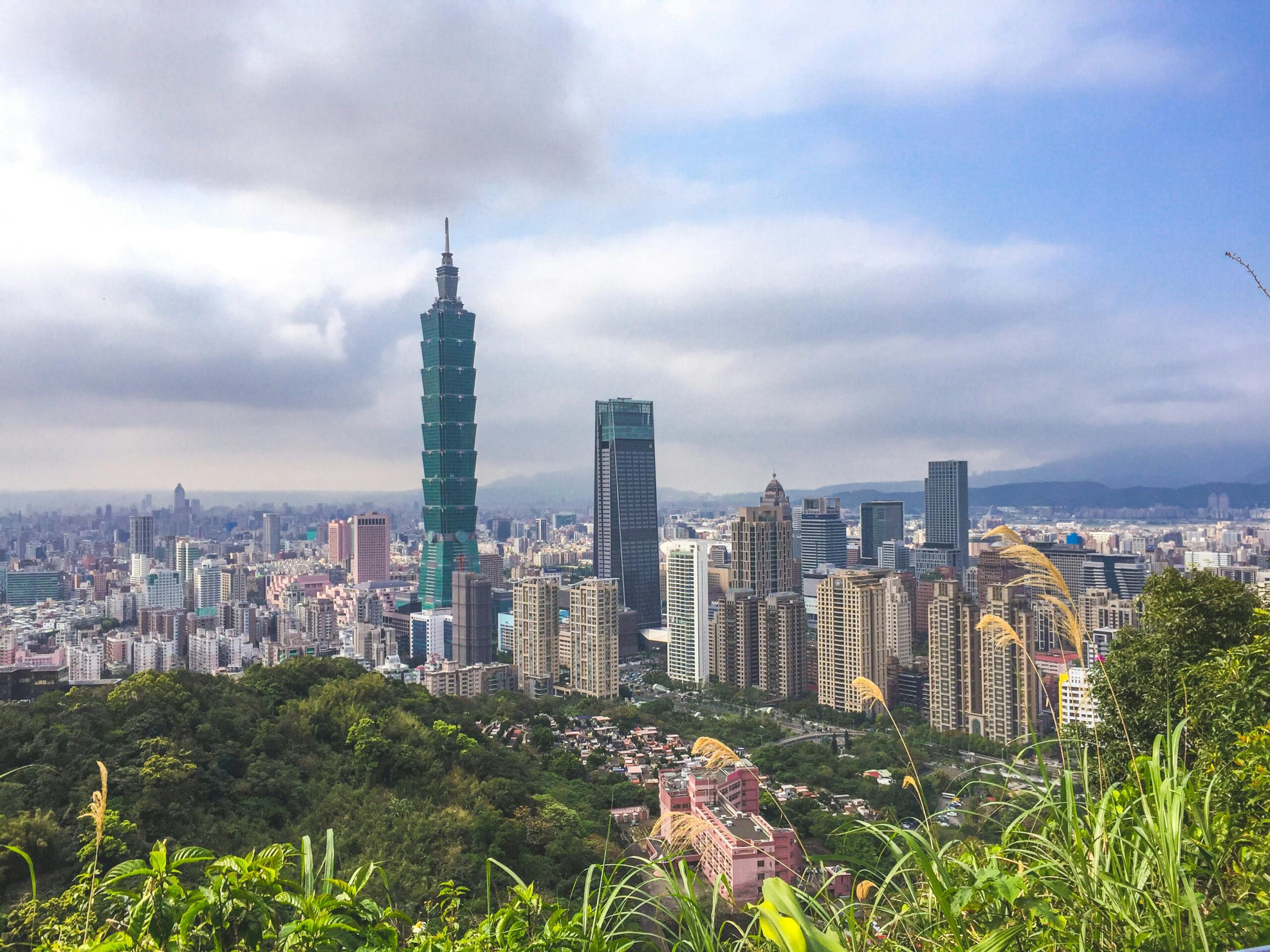
For years, tourism between mainland China and Taiwan was more than a leisure industry — it was a barometer of cross-strait relations. At its peak in the mid-2010s, millions of mainland Chinese tourists visited Taiwan annually, filling night markets, scenic landmarks and hotels across the island. But political tensions and later pandemic-related border restrictions dramatically reduced those flows.
Now, as global travel rebounds, debate has resurfaced: Should Chinese mainland tourists be allowed to return to Taiwan in large numbers?
The question is not purely economic. It touches on diplomacy, national security, domestic politics, identity, and the future of cross-strait relations. A closer look reveals both significant potential benefits and complex risks.
The Historical Context: Tourism as Diplomacy
Cross-strait tourism expanded significantly after 2008, when Taiwan eased restrictions on mainland visitors. The policy shift was widely seen as a confidence-building measure, enabling people-to-people contact across a politically sensitive divide.
At its height:
- Mainland Chinese visitors numbered in the millions annually.
- Tourism revenue from mainland travelers contributed substantially to Taiwan’s hospitality and retail sectors.
- Direct flights and tour group operations expanded rapidly.
However, after political leadership changes in Taiwan and rising tensions with Beijing, mainland tourist numbers declined sharply. Restrictions were tightened, and organized group travel from the mainland was suspended. The pandemic further halted travel.
Tourism thus became entangled in political leverage, with travel flows often rising or falling alongside diplomatic relations.
The Economic Argument for Reopening
1. Revitalizing Taiwan’s Tourism Sector
Taiwan’s tourism industry — including hotels, tour operators, transport services, and local vendors — has struggled to regain pre-pandemic momentum. Mainland tourists historically accounted for a large share of visitor spending.
Popular destinations that benefited included:
- Taipei’s night markets
- Sun Moon Lake
- Alishan
- Taroko Gorge
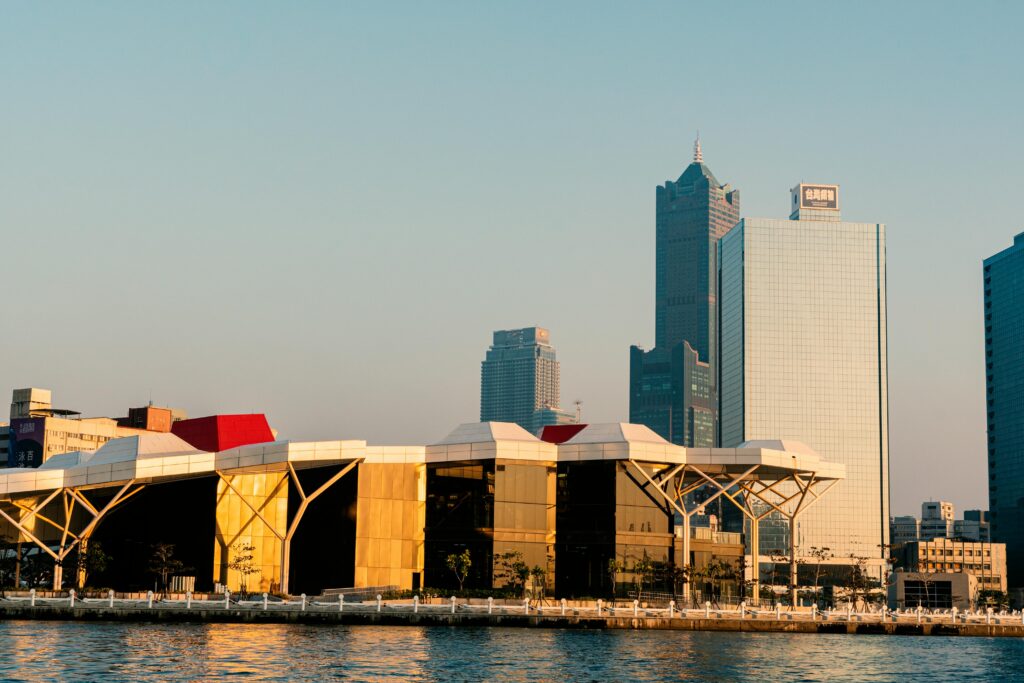
- Kaohsiung’s harbor district
For small businesses, especially outside major urban centers, mainland tourism once provided critical revenue.
2. Supporting Regional Economies
Rural areas and smaller cities often depend on tour groups. Mainland travelers frequently visited packaged attractions and purchased local goods, providing income to communities that receive fewer Western tourists.
3. Diversification vs. Dependence
However, critics argue that overreliance on a single source market exposes Taiwan to political and economic pressure. When Beijing previously restricted group tours, Taiwan’s tourism industry felt immediate strain.
Reopening without diversification could recreate that vulnerability.
Political and Security Considerations
1. Cross-Strait Tensions
Relations between Beijing and Taipei remain strained, particularly amid broader geopolitical competition between China and the United States.
Allowing mainland tourists to return may signal a softening stance — or at least a willingness to separate economic exchange from political disagreement.
However, skeptics warn that tourism can be used as political leverage, with visitor flows increased or reduced depending on political developments.
2. Security Concerns
Authorities may consider:
- Information security risks
- Monitoring of organized tour groups
- Potential political messaging
- Public order considerations
While tourism is generally peaceful, policymakers must weigh perceived national security implications.
Social and Cultural Dimensions
1. People-to-People Contact
Advocates argue that ordinary citizens interacting through travel reduces misunderstanding and humanizes political divides. Exposure to Taiwan’s democratic society may broaden perspectives for mainland visitors.
2. Local Sentiment
Public opinion in Taiwan is mixed. Some welcome the economic boost; others worry about:
- Overtourism
- Cultural tensions
- Political symbolism
Past complaints involved large tour groups crowding popular sites and altering the character of certain neighborhoods.
Tourism as a Soft Power Tool
Tourism is often considered a form of soft diplomacy. Increased travel can foster:
- Cultural exchange
- Academic partnerships
- Business connections
- Family reunions
However, when travel becomes politicized, it risks being perceived as a tool of influence rather than mutual exchange.
Balancing openness with autonomy remains a central challenge.
Taiwan’s Broader Tourism Strategy
In recent years, Taiwan has sought to diversify its visitor base by promoting travel from:
- Japan
- South Korea
- Southeast Asia
- Europe
- North America
Programs such as the “New Southbound Policy” aimed to reduce dependence on mainland Chinese tourists.
Reopening mainland tourism would need to fit within a broader diversification strategy rather than reverse it.
Economic Trade-Offs
While mainland tourists once traveled in large numbers, their spending patterns differed from independent Western travelers. Organized tour groups often stayed at contracted hotels and visited designated shops, sometimes limiting broader economic dispersion.
Independent travelers — from any country — may generate higher per-capita spending across diverse businesses.
Policymakers must assess whether encouraging independent travel models could create more sustainable economic benefits.
Regional and Global Context
Cross-border tourism has historically served as a stabilizing force in tense regions. Examples include:
- Cross-border travel within Europe after decades of conflict
- U.S.–China tourism exchanges during periods of diplomatic thaw
However, tourism alone rarely resolves political disputes. It may ease tensions at the margins but does not replace formal diplomatic engagement.
Possible Pathways Forward
If Taiwan considers reopening to mainland tourists, options include:
- Gradual resumption of independent travel before large group tours
- Visitor caps during peak seasons
- Enhanced transparency in tour operations
- Stronger diversification of tourism markets
- Clear separation of tourism policy from political negotiation
A phased approach could mitigate risks while testing economic impact.
Frequently Asked Questions
Why were mainland Chinese tourists restricted from visiting Taiwan?
Travel flows declined due to rising political tensions and later pandemic restrictions. Group tour approvals were reduced or suspended.
How important were mainland tourists to Taiwan’s economy?
At peak levels, they represented one of the largest segments of inbound tourism and contributed significantly to revenue, especially in hospitality and retail sectors.
Would reopening improve cross-strait relations?
It could support people-to-people contact and economic exchange, but tourism alone is unlikely to resolve broader political disputes.
Are there security risks involved?
Governments consider potential political influence, intelligence concerns, and public order factors when evaluating cross-border travel policies.
Could Taiwan become too dependent on mainland tourism again?
Yes. Diversification of visitor markets is widely viewed as essential to avoid vulnerability to political pressure.
What do Taiwanese citizens think?
Public opinion is divided. Some favor economic recovery; others prioritize political autonomy and caution.
Is this issue unique to Taiwan?
No. Many regions balance economic benefits of tourism with geopolitical considerations.
Conclusion
The debate over allowing Chinese mainland tourists to return to Taiwan reflects a broader question: Can economic exchange be separated from political tension?
On one hand, tourism brings income, jobs, and opportunities for mutual understanding. On the other, it can become entangled in strategic leverage and domestic political concerns.
Any decision to reopen would likely require a carefully calibrated approach — one that safeguards Taiwan’s economic interests, respects public sentiment, and maintains policy independence.
Ultimately, tourism is more than travel. In the context of cross-strait relations, it represents a complex intersection of economics, diplomacy, identity, and strategy — with implications that extend far beyond the arrival hall.
Sources Financial Times

