
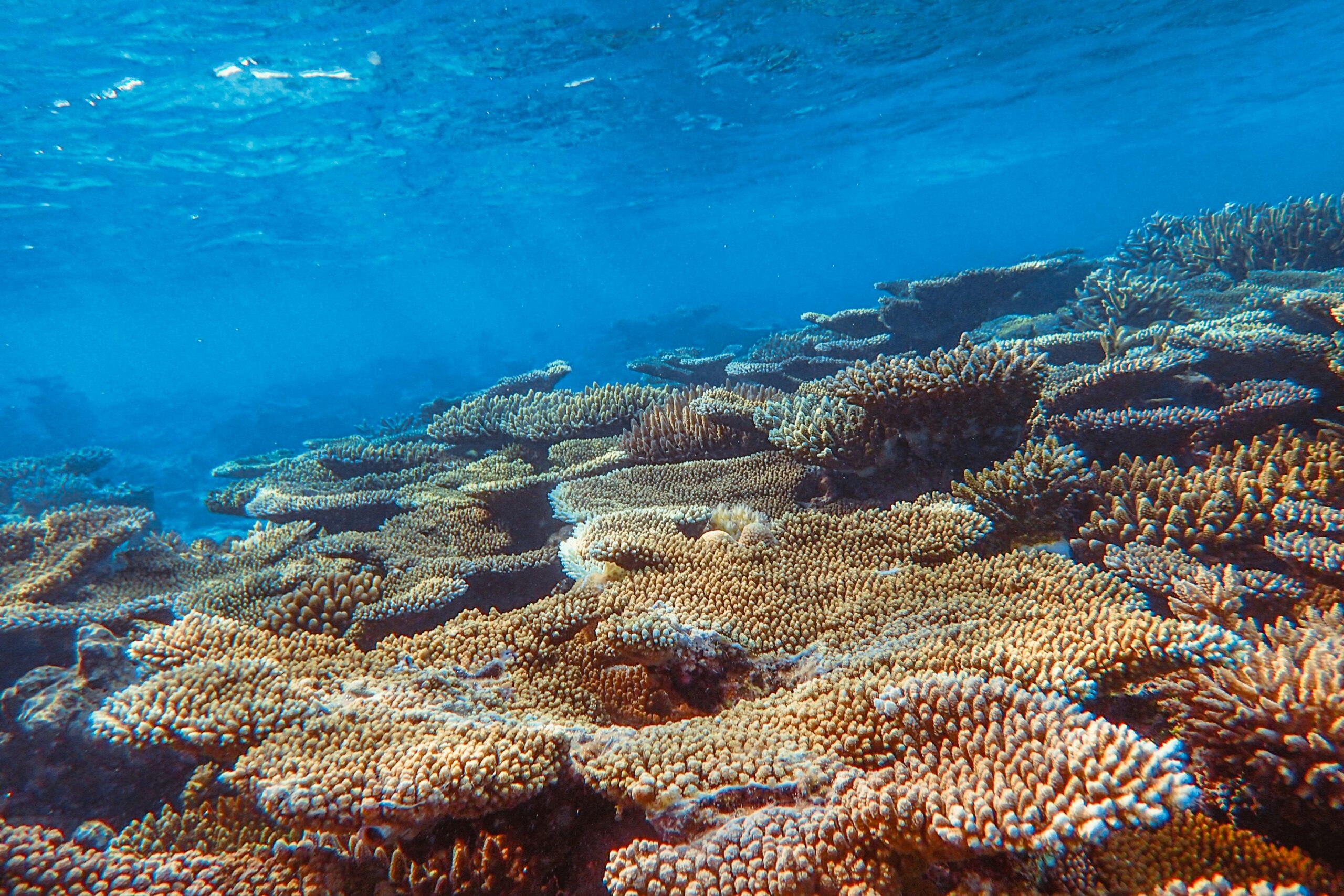
Beneath the crystal-clear waters surrounding Oʻahu lies one of Hawaiʻi’s most valuable natural treasures—its coral reefs. These vibrant ecosystems are not only breathtaking to explore but also essential to marine life, coastal protection, and the islands’ tourism-driven economy. Yet, like reefs around the world, Hawaiʻi’s corals are under threat.
In response, a new partnership between the Hawaiʻi Department of Land and Natural Resources (DLNR) and the Hawaiʻi Tourism Authority (HTA) is taking action. Their collaborative coral restoration efforts represent a growing shift in how destinations balance tourism growth with environmental stewardship.
Why Coral Reefs Matter More Than Ever
Coral reefs are often called the “rainforests of the sea,” and for good reason.
They:
- Support about 25% of all marine species
- Protect coastlines from erosion and storm damage
- Contribute billions to global tourism economies
- Provide cultural and ecological value to local communities
In Hawaiʻi, reefs are deeply tied to Native Hawaiian traditions, food systems, and identity. Their decline is not just an environmental issue—it’s a cultural and economic one.
The Threats Facing Hawaiʻi’s Coral Reefs
Hawaiʻi’s reefs have been under increasing pressure from multiple sources:
Climate Change
Rising ocean temperatures lead to coral bleaching, where corals lose the algae that give them color and nutrients.
Ocean Acidification
Changes in ocean chemistry weaken coral skeletons, making them more vulnerable.
Tourism Impact
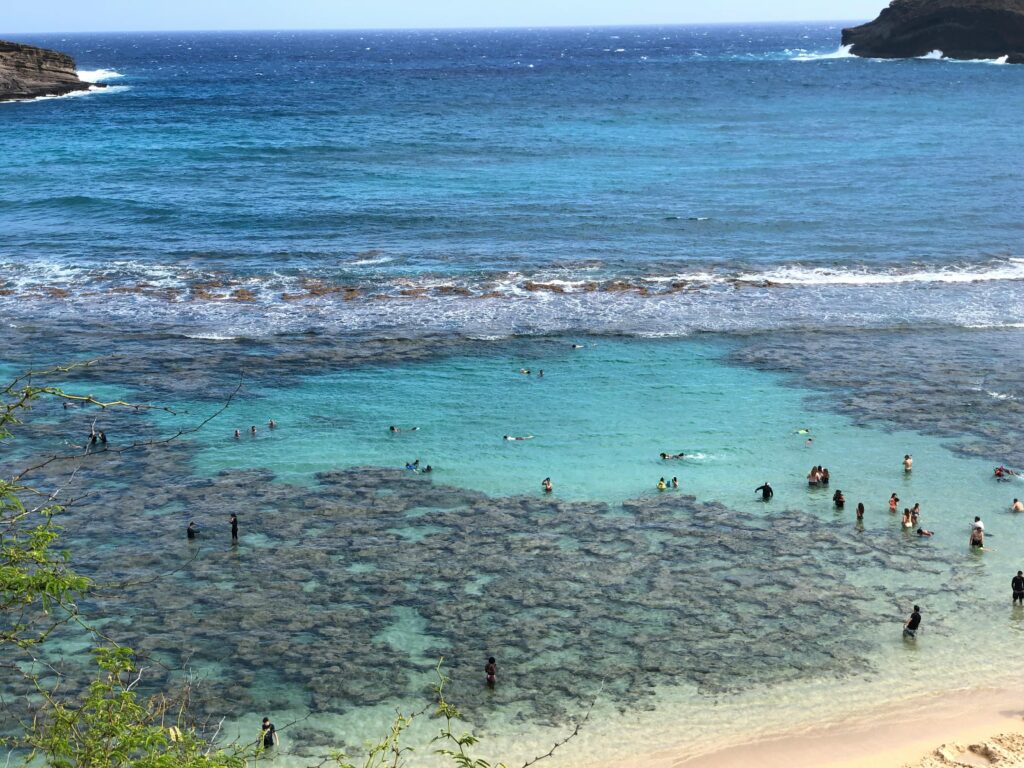
Heavy foot traffic, snorkeling, and boating can physically damage reefs.
Pollution and Runoff
Chemicals, sunscreen residues, and land-based pollution harm marine ecosystems.
These combined stressors have led to noticeable declines in reef health across parts of Oʻahu.
A New Model: Tourism Supporting Conservation
The partnership between DLNR and HTA reflects a broader evolution in tourism strategy—moving from passive enjoyment to active protection.
Instead of tourism being part of the problem, it is becoming part of the solution.
Key of the initiative include:
- Restoring damaged coral reefs
- Educating visitors about responsible behavior
- Funding conservation through tourism-related resources
- Engaging local communities in stewardship
This approach recognizes that long-term tourism success depends on environmental sustainability.
How Coral Restoration Works
Coral restoration is both a science and an art. The process involves several stages:
1. Coral Nurseries
Fragments of healthy coral are grown in controlled underwater or land-based nurseries.
2. Fragmentation and Propagation
Small pieces of coral are cultivated to grow into larger colonies.
3. Outplanting
Once mature enough, corals are transplanted back onto degraded reef areas.
4. Monitoring and Maintenance
Scientists track growth, survival rates, and ecosystem recovery over time.
This method accelerates natural reef recovery, though it requires ongoing care and resources.
Community and Cultural Involvement
A key strength of Hawaiʻi’s approach is the integration of local knowledge and community participation.
Native Hawaiian perspectives emphasize:
- Respect for the ocean (kai)
- Sustainable interaction with nature
- Intergenerational responsibility
Community groups, volunteers, and cultural practitioners are often involved in restoration efforts, ensuring that projects align with local values.
Educating Visitors: A Crucial Piece of the Puzzle
Tourist behavior plays a major role in reef health. Education is therefore a central component of the initiative.
Visitors are encouraged to:
- Avoid touching or stepping on coral
- Use reef-safe sunscreen
- Follow designated snorkeling areas
- Respect marine life and habitats
Even small changes in behavior can significantly reduce environmental impact.
Economic Benefits of Healthy Reefs
Protecting coral reefs is not just about conservation—it’s also smart economics.
Healthy reefs:
- Attract tourists and divers
- Support local fisheries
- Reduce coastal damage costs
- Enhance the overall appeal of destinations
By investing in reef restoration, Hawaiʻi is safeguarding a key pillar of its economy.
Challenges Ahead
Despite promising efforts, coral restoration faces ongoing challenges:
- Climate change continues to threaten reef survival
- Restoration is resource-intensive and requires long-term commitment
- Balancing tourism growth with conservation remains complex
No single solution can fully address, but collaborative efforts like this represent meaningful progress.
A Blueprint for Global Tourism
Hawaiʻi’s initiative could serve as a model for other destinations similar challenges.
It demonstrates that:
- Tourism and conservation can coexist
- Public-private partnerships can drive impact
- Education and community involvement are essential
As global travel rebounds, more destinations may adopt similar strategies to protect their natural assets.
Frequently Asked Questions (FAQs)
1. Why are coral reefs important in Hawaiʻi?
They support marine life, protect coastlines, and are vital to tourism.
2. What is coral bleaching?
It occurs when corals lose their symbiotic algae due to stress, often from rising temperatures, causing them to turn white and weaken.
3. How does tourism harm coral reefs?
Through physical damage, pollution, and increased environmental pressure.
4. What is coral restoration?
A process of growing and replanting corals to rebuild damaged reefs.
5. Can tourists help protect reefs?
Yes, by following guidelines like not touching coral and using reef-safe products.
6. Who is involved in Hawaiʻi’s restoration efforts?
Government agencies, tourism authorities, scientists, and local communities.
7. Is coral restoration a permanent solution?
It helps, but long-term success depends on addressing climate change and other threats.
8. Why is this partnership significant?
It shows how tourism can actively contribute to environmental conservation.
Hawaiʻi’s coral restoration efforts are more than an environmental initiative—they represent a shift in how we think about travel. By aligning tourism with sustainability, the islands are not just protecting their reefs—they’re preserving the very experiences that make them unforgettable.
In the end, the future of tourism may depend on one simple idea: we can only enjoy what we are willing to protect.
Sources MAUI Now

