
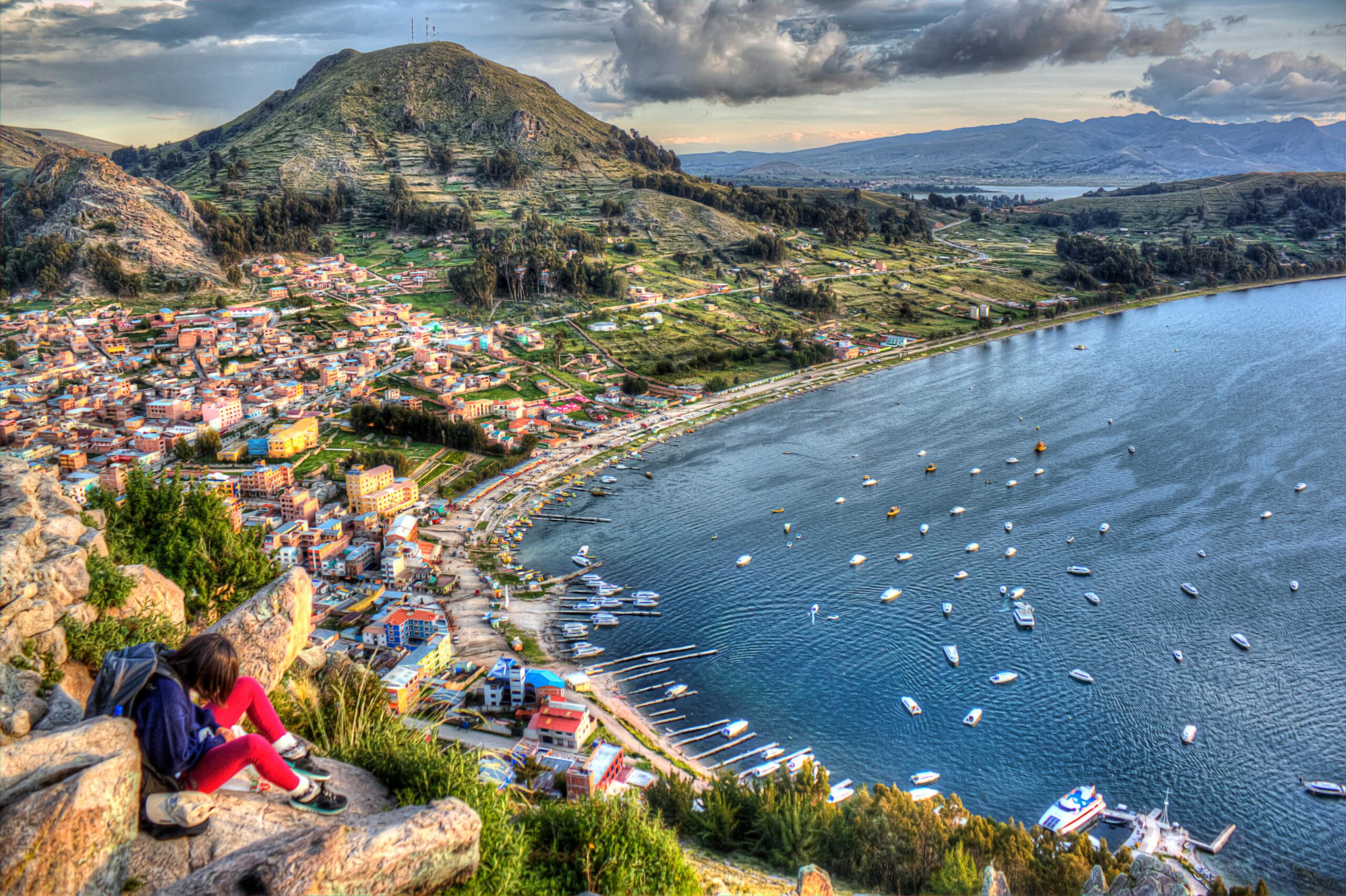
Bolivia, a country rich in natural wonders and cultural depth, is increasingly turning to tourism as a potential lifeline for its struggling economy. From the mirror-like expanse of the Salar de Uyuni to the biodiversity of the Amazon basin and the high-altitude heritage of La Paz, Bolivia possesses all the ingredients of a world-class destination. Yet transforming that potential into sustainable economic growth is proving far more complex than simply attracting more visitors.
As economic pressures mount—ranging from declining natural gas revenues to fiscal constraints—tourism is being positioned as a strategic. But can it truly deliver?
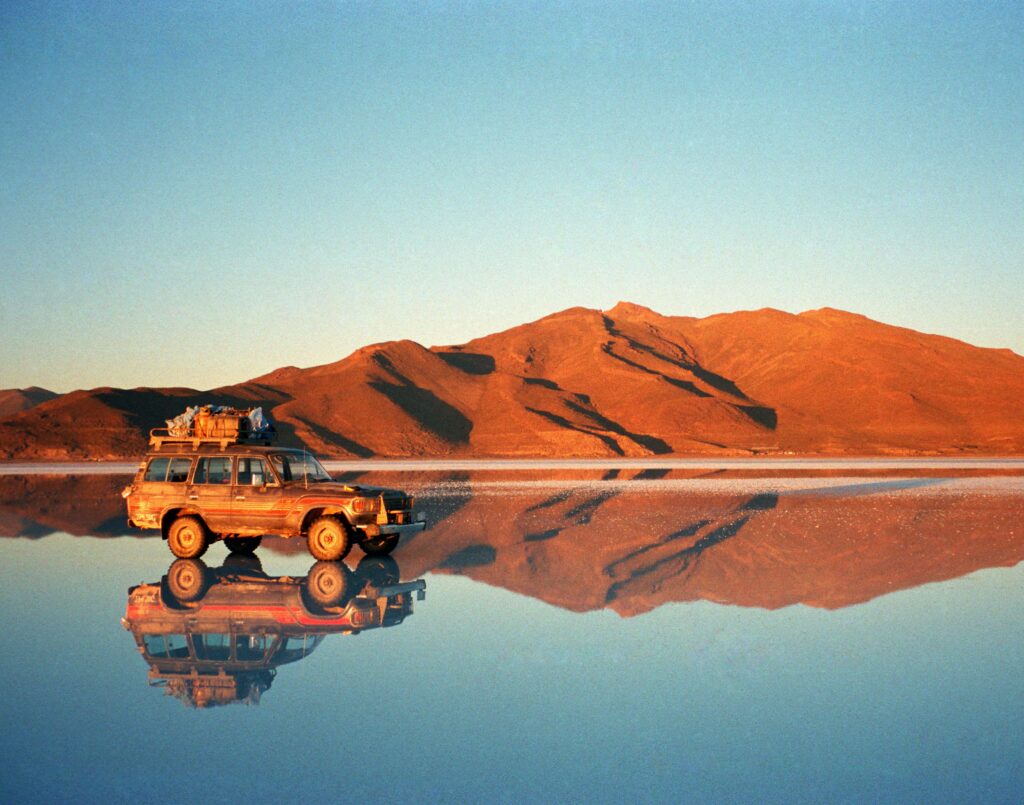
A Country of Untapped Tourism Potential
Bolivia remains one of South America’s least-visited, despite its extraordinary attractions:
- Salar de Uyuni: The world’s largest salt flat, famous for its surreal reflective landscapes
- Lake Titicaca: A cultural and landmark shared with Peru
- Amazon Rainforest: Rich biodiversity and eco-tourism opportunities
- Andean Culture: Indigenous traditions, festivals, and languages
Compared to neighboring countries like Peru or Chile, Bolivia’s tourism industry is still underdeveloped—leaving room for growth, but also highlighting structural challenges.
Why Tourism Matters Now
Bolivia’s economy has long relied on natural resources, particularly natural gas exports. However, declining production and shifting global markets have reduced this revenue stream.
Tourism offers an alternative because it:
- Generates foreign currency
- Creates jobs across multiple sectors
- Encourages infrastructure development
- Supports small and local businesses
Unlike extractive industries, tourism can be more sustainable—if managed properly.
The Economic Promise of Tourism
If fully developed, tourism could become a major economic pillar.
Job Creation
Tourism supports employment in hospitality, guiding services, crafts, and food industries.
Regional Development
Remote areas with natural attractions can benefit from increased visitation and investment.
Entrepreneurship
Local communities can develop businesses such as eco-lodges, tours, and cultural experiences.
Diversification
Reducing reliance on a single sector strengthens economic resilience.
The Challenges Holding Bolivia Back
Despite its potential, Bolivia faces significant barriers to tourism growth.
1. Infrastructure Gaps
Many hotspots are difficult to access due to:
- Poor road conditions
- Limited flight connectivity
- transportation systems
Basic facilities can also be lacking in some regions.
2. Political and Economic Instability
Frequent protests, roadblocks, and political uncertainty can disrupt travel plans and discourage visitors.
Perception plays a major role:
- Even isolated disruptions can affect national reputation
- Tour operators may hesitate to promote destinations
3. Limited International Visibility
Bolivia does not have the same global tourism branding as neighbors like Peru (Machu Picchu) or Brazil (Rio de Janeiro).
This results in:
- Lower awareness among international travelers
- Fewer direct flights and tour packages
4. Sustainability Concerns
Rapid tourism growth—if unmanaged—can lead to:
- Environmental degradation
- Cultural commodification
- Strain on local resources
Balancing growth with preservation is essential.
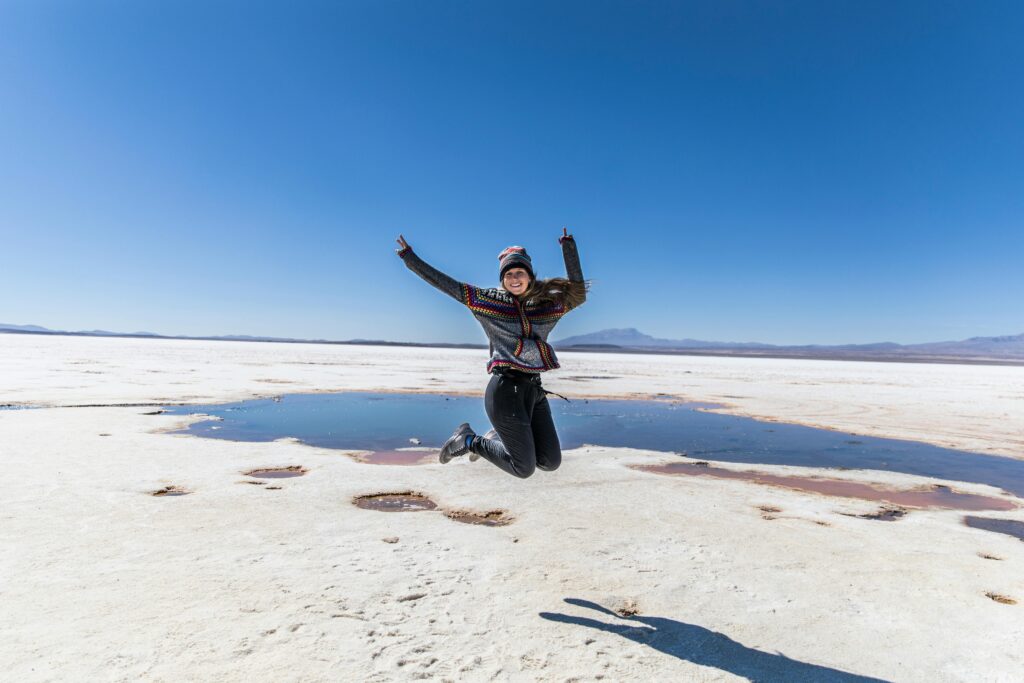
Government and Private Sector Efforts
Recognizing these challenges, Bolivia is taking steps to develop its tourism sector.
Infrastructure Investment
Improving roads, airports, and in key.
Promotion Campaigns
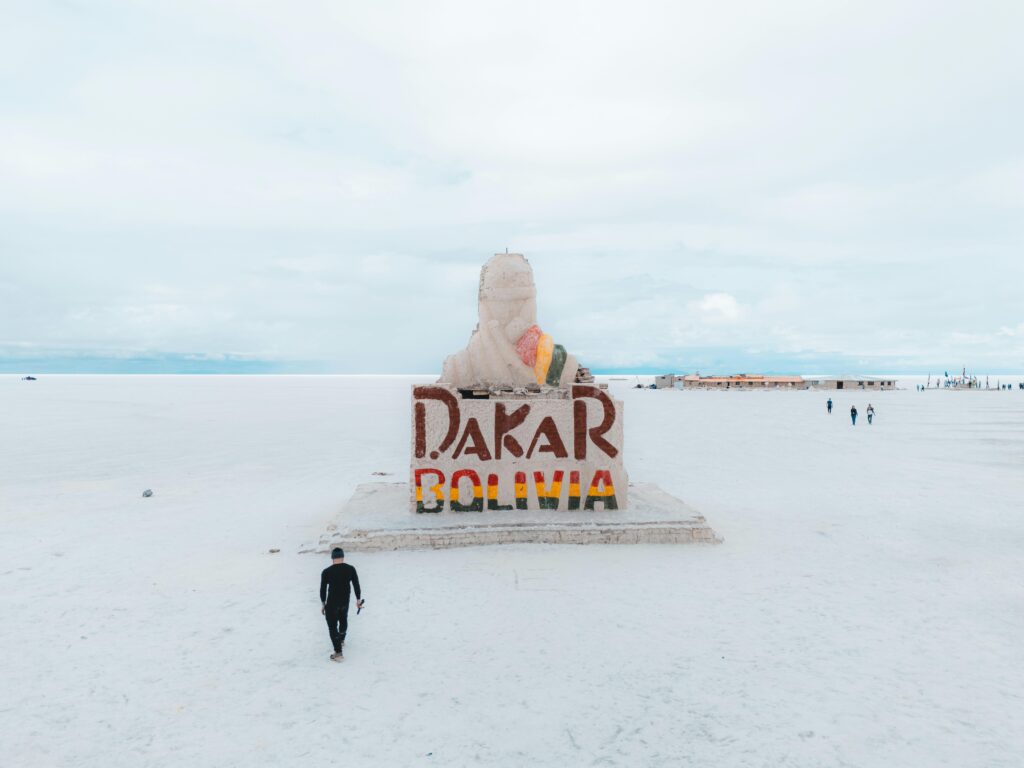
Highlighting Bolivia as an “undiscovered” destination.
Public-Private Partnerships
Encouraging collaboration between government and businesses.
Community-Based Tourism
Supporting Indigenous-led initiatives that offer authentic experiences.
The Role of Community Tourism
One of Bolivia’s strengths is its potential for community-based tourism.
This model:
- Empowers local populations
- Preserves cultural traditions
- Distributes economic benefits more evenly
Visitors can engage in:
- Traditional farming and crafts
- Cultural festivals
- Local storytelling and heritage experiences
This approach aligns with global trends toward meaningful, responsible travel.
Competing in a Regional Market
Bolivia faces strong competition in South America.
Countries like Peru, Colombia, and Chile offer:
- Better-developed infrastructure
- Stronger global branding
- Established networks
To compete, Bolivia must differentiate itself by:
- Emphasizing authenticity
- Promoting lesser-known destinations
- Offering unique experiences
The Importance of Perception and Safety
Tourism decisions are heavily influenced by perception.
Improving Bolivia’s image requires:
- Clear communication about safety
- Reliable travel information
- Positive visitor experiences
Even small improvements in perception can lead to significant increases in arrivals.
Long-Term Outlook: Can Tourism Deliver?
Tourism alone cannot solve all of Bolivia’s economic challenges—but it can play a crucial role.
For success, Bolivia must:
- Invest in infrastructure
- Ensure political stability
- Promote sustainable practices
- Build a strong global brand
If these elements align, tourism could become a powerful engine for inclusive growth.
Frequently Asked Questions (FAQs)
1. Why is Bolivia focusing on tourism?
Because traditional revenue sources like natural gas are declining, and tourism offers economic diversification.
2. What are Bolivia’s top tourist attractions?
Salar de Uyuni, Lake Titicaca, the Amazon, and Andean cultural sites.
3. What challenges does Bolivia face in tourism development?
Infrastructure gaps, political instability, low visibility, and sustainability concerns.
4. Is Bolivia safe for tourists?
Many areas are safe, but political protests and roadblocks can occasionally disrupt travel.
5. How can tourism help the economy?
By creating jobs, generating foreign income, and supporting local businesses.
6. What is community-based tourism?
A model where local communities manage tourism activities and benefit directly from them.
7. How does Bolivia compare to other South American destinations?
It has unique attractions but less developed infrastructure and branding.
8. Can tourism fully replace resource-based income?
Not entirely, but it can significantly contribute to economic stability and growth.
Bolivia stands at a crossroads. With breathtaking landscapes and rich cultural heritage, it has everything needed to become a global destination. The question is not whether tourism can help—but whether the country can build the systems, trust, and vision needed to make it thrive.
Sources Bloomberg

