
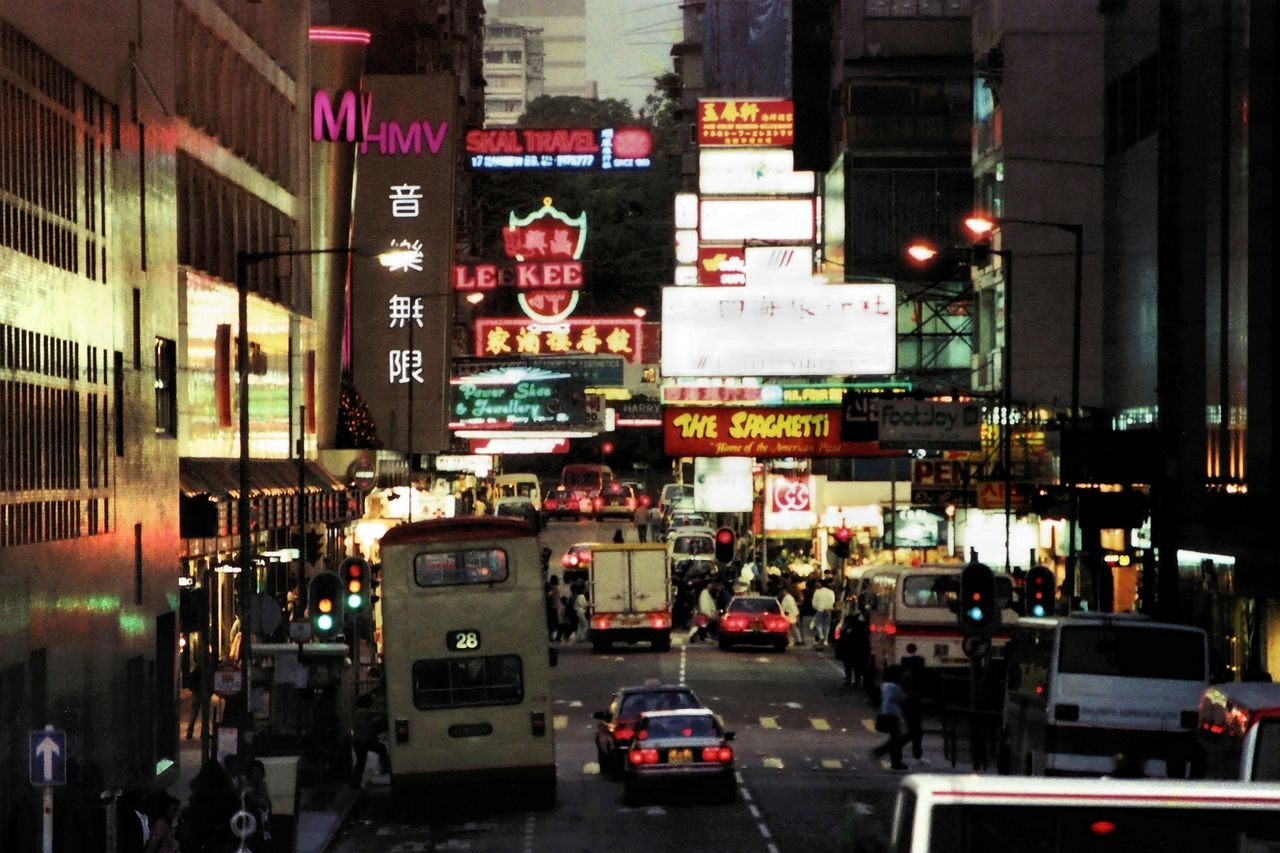
Hong Kong’s greatest tourism asset may not be its tallest skyscrapers or busiest shopping districts. It may be the memories people already carry of the city: neon-lit streets, crowded markets, old cinemas, ferry journeys, classic film scenes and the unmistakable atmosphere of a place where East meets West.
That nostalgia is increasingly becoming an economic and cultural force. Classic Hong Kong cinema, television dramas, heritage neighbourhoods and traditional food are attracting renewed attention from visitors who want to experience the city beyond its familiar modern skyline.
The trend is creating opportunities for tourism businesses, filmmakers, cultural organisations and local retailers. Hong Kong is turning its cinematic history into real-world travel experiences, encouraging visitors to explore the streets and districts that once appeared on the big screen.
But nostalgia is about more than selling souvenirs or recreating an old-fashioned restaurant. It reflects a deeper relationship between a city and its collective memory. For many residents and overseas fans, the Hong Kong of the 1980s and 1990s represents a distinctive period of cultural energy, creativity and international influence.
As Bloomberg’s November 25, 2026 feature examines, the city’s past is finding a new commercial and cultural life through movies, tourism and creative industries.
1. Why Hong Kong Nostalgia Is Becoming So Popular
Hong Kong has undergone enormous changes over recent decades. Its skyline has evolved, neighbourhoods have been redeveloped, businesses have disappeared and new generations have grown up with different cultural experiences.
Yet images of an earlier Hong Kong remain deeply embedded in popular culture.
For many people, the city is associated with:
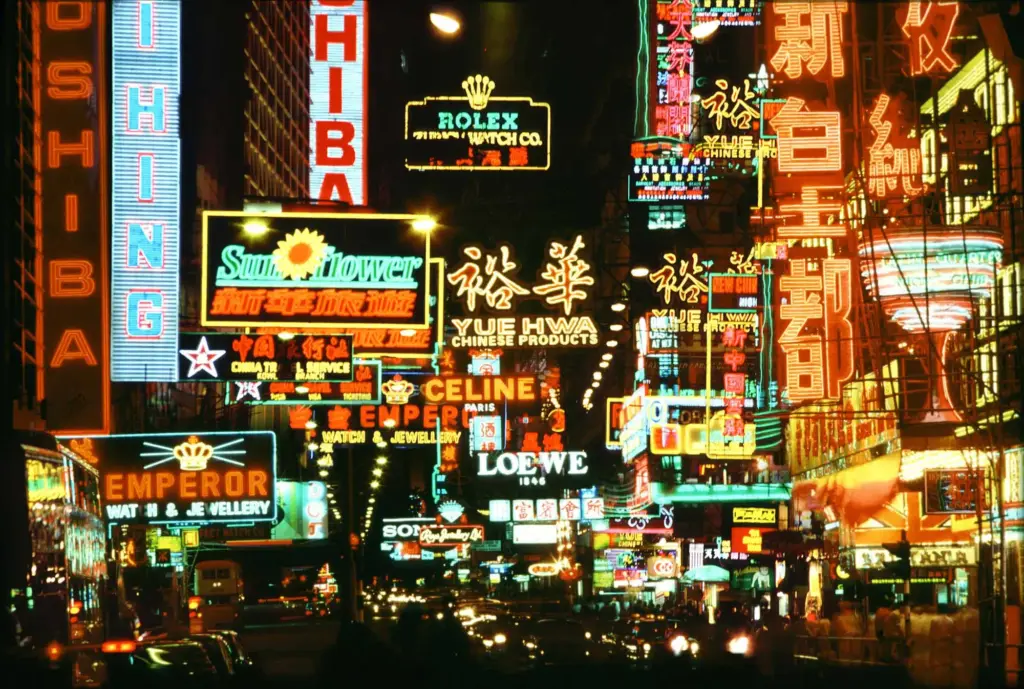
- Neon signs hanging above busy streets.
- Traditional cha chaan teng cafés serving milk tea and pineapple buns.
- Crowded night markets and independent shops.
- Classic kung fu and action movies.
- Old trams, ferries and compact neighbourhoods.
- Cantopop music and legendary entertainers.
- A distinctive combination of Chinese traditions and international influences.
These images are powerful because they connect physical places with personal experiences.
Someone who watched Hong Kong films growing up may recognise a street from a favourite movie. A former resident may remember a restaurant, a ferry journey or a shopping district that has since changed. A younger visitor may discover the same atmosphere through restored films, social media and vintage fashion.
Nostalgia therefore appeals to different generations for different reasons. Older audiences may be revisiting their memories, while younger travellers are discovering a cultural period they never experienced personally.
2. Hong Kong’s Golden Age of Cinema Still Shapes Its Identity
Hong Kong’s film industry became internationally influential during the late 20th century. Its action films, martial arts productions, crime dramas, romantic stories and comedies travelled across Asia and reached audiences around the world.
The city’s filmmaking environment developed a distinctive visual language. Crowded streets, dense apartment blocks, harbour views, neon signage and everyday neighbourhood life became recognisable cinematic settings.
Directors and performers helped establish Hong Kong as a major centre of popular filmmaking.
Among the best-known names are:
- Bruce Lee, whose martial arts films helped introduce Hong Kong action cinema to international audiences.
- Jackie Chan, whose combination of martial arts, physical comedy and elaborate stunts created a distinctive screen identity.
- John Woo, known internationally for stylised action films and crime dramas.
- Wong Kar-wai, whose atmospheric storytelling and visual style made films such as Chungking Express internationally influential.
- Stephen Chow, whose comedies became major cultural touchstones.
- Leslie Cheung, an influential actor and singer whose screen performances remain widely celebrated.
- Anita Mui, whose career as a singer and actress made her one of the defining entertainment figures of her generation.
The international appeal of these films created an enduring connection between audiences and the city itself.
A visitor who watches Chungking Express, for example, may become interested in the Central-Mid-Levels Escalator and the surrounding streets. Fans of classic crime films may want to see Temple Street or other locations associated with Hong Kong’s cinematic past.
The relationship works both ways: films preserve images of the city, while real locations give those images a physical presence.
3. Hong Kong Good Take Turns Movie Memories Into Tourism Experiences
One of the clearest examples of Hong Kong’s nostalgia strategy is the Hong Kong Tourism Board’s Hong Kong Good Take campaign.
Launched in October 2026, the initiative features more than 100 filming locations from 50 selected movies. It connects movie-related landmarks with cultural attractions, neighbourhood experiences and local dining.
The guide is designed to help visitors explore Hong Kong through the films and television productions that have made the city famous as the “Hollywood of the East.”
Rather than presenting a list of isolated filming locations, the campaign encourages visitors to explore entire neighbourhoods.
Its themed itineraries include:
Old Town Central: An East-meets-West route featuring the Mid-Levels Escalator, Graham Street and Lan Kwai Fong, connecting cinematic references with the area’s historic streets and contemporary culture.
Sham Shui Po: A neighbourhood experience combining local markets, historic buildings and film-related locations. Visitors can explore places such as Apliu Street and the former North Kowloon Magistracy.
Yau Ma Tei: A route through one of Hong Kong’s most atmospheric districts, including the historic Fruit Market and neon-lit Temple Street.
Eastern District: A combination of waterfront scenery, neighbourhood culture, dining and cinematic locations.
The campaign also highlights cultural attractions such as Broadway Cinematheque, the Avenue of Stars, the Hong Kong Heritage Museum and the Hong Kong Film Archive.
The guide is significant because it turns film heritage into a practical visitor experience. Fans can move from watching a familiar scene to exploring the real streets, shops and landmarks that give the city its character.
4. Old Neighbourhoods Are Becoming Cultural Attractions
Hong Kong’s appeal cannot be reduced to individual film locations. Much of its nostalgic character comes from the everyday environments in which its stories were created.
Neighbourhoods such as Sham Shui Po, Yau Ma Tei, Wan Chai and Central offer a mixture of traditional businesses, historic buildings, street markets and modern cultural spaces.
These areas are particularly important because they reveal how Hong Kong developed as a densely populated commercial and cultural centre.
Sham Shui Po: A Window Into Everyday Hong Kong
Sham Shui Po is known for its markets, small businesses, electronics shops, fabric stores and traditional food outlets.
It offers visitors a different experience from the luxury shopping districts and modern commercial centres. Its appeal comes from ordinary urban life: people buying household goods, shopkeepers serving regular customers and small restaurants maintaining familiar recipes.
The district’s historic buildings and street-level businesses make it an important destination for visitors interested in the city’s working-class history.
Yau Ma Tei: Markets, Temple Street and Cinematic Memories
Yau Ma Tei has long been associated with street markets, traditional businesses and popular entertainment.
Temple Street is especially recognisable for its night-market atmosphere, street food and distinctive visual identity.
The district’s historic Fruit Market and old police station also contribute to its cultural appeal.
The former Yau Ma Tei Police Station has been transformed into a film-themed heritage attraction, connecting the building’s history with Hong Kong’s classic police and crime cinema.
Wan Chai: Where Old and New Hong Kong Meet
Wan Chai demonstrates how traditional neighbourhood life can survive alongside commercial development.
Its streets contain markets, old shops, historic buildings, restaurants, galleries and newer hospitality businesses.
Traditional establishments such as herbal tea shops and family-run food businesses provide a connection to everyday customs that are easily overlooked when visitors concentrate exclusively on major attractions.
These neighbourhoods matter because they allow travellers to experience the city as a living place rather than a collection of famous photographs.
5. Traditional Hong Kong Food Is Part of the Nostalgia Economy
Food is one of the strongest ways to preserve cultural memory.
Hong Kong’s cha chaan teng cafés are particularly important. These casual restaurants developed a distinctive dining culture that combines Chinese cooking traditions with influences from Western food.
Typical offerings include:
- Hong Kong-style milk tea.
- Pineapple buns.
- Egg tarts.
- French toast.
- Macaroni soup.
- Baked rice dishes.
- Toasted sandwiches.
- Noodle dishes and local comfort food.
For many residents, these foods are connected to childhood memories, school days, family outings and everyday routines.
For international visitors, they provide an accessible way to experience Hong Kong’s cultural identity.
The Hong Kong Tourism Board has also been using cinema to promote the city’s food culture. Its movie-related content connects memorable food scenes with dining experiences, encouraging visitors to explore restaurants and local culinary traditions.
This creates opportunities for independent cafés, traditional bakeries, market stalls and restaurants that might not otherwise receive attention from conventional sightseeing campaigns.
However, nostalgia-based food tourism also raises questions about authenticity. A restaurant decorated with retro furniture may look like an old Hong Kong café, but the experience is not necessarily authentic simply because it uses vintage-style décor.
The businesses that preserve traditional recipes, service practices and local relationships offer something more meaningful than a themed interior.
6. Leslie Cheung and Anita Mui Remain Powerful Cultural Symbols
Hong Kong’s nostalgia economy is closely connected to the continuing popularity of its entertainment legends.
Leslie Cheung and Anita Mui remain particularly important because their careers crossed music, cinema and popular culture.
Cheung became known for his performances in films and his influence as a singer. Mui was celebrated for her musical versatility, stage presence and acting career.
Their work captured important aspects of Hong Kong’s cultural life during a period when the city’s entertainment industry had significant influence across Asia.
The Hong Kong Tourism Board’s movie-themed programme includes features exploring the legacies of both stars.
The Hong Kong Heritage Museum has also presented exhibitions celebrating Cheung, while the city’s film and cultural institutions preserve material that helps younger audiences understand their contribution.
These initiatives demonstrate how celebrity heritage can become a cultural tourism attraction.
However, their importance extends beyond commercial promotion. Their films, recordings and public images provide a window into the fashion, music, social attitudes and creative ambitions of earlier generations.
For fans, revisiting their work can feel like reconnecting with a particular moment in the city’s history.
7. Why Younger Generations Are Also Interested in the Past
Nostalgia is often associated with people remembering their own childhood or youth. Yet Hong Kong’s cultural revival also attracts younger audiences who did not personally experience the period being celebrated.
This is sometimes described as second-hand or inherited nostalgia.
Younger visitors may discover the city through:
- Restored classic films.
- Streaming platforms and online film communities.
- Vintage fashion and photography.
- Social media videos of old streets and neon signs.
- Retro music and collectible merchandise.
- Recreated cafés and traditional food experiences.
- Exhibitions exploring Hong Kong’s cultural history.
For these audiences, the past can feel visually distinctive compared with contemporary urban environments.
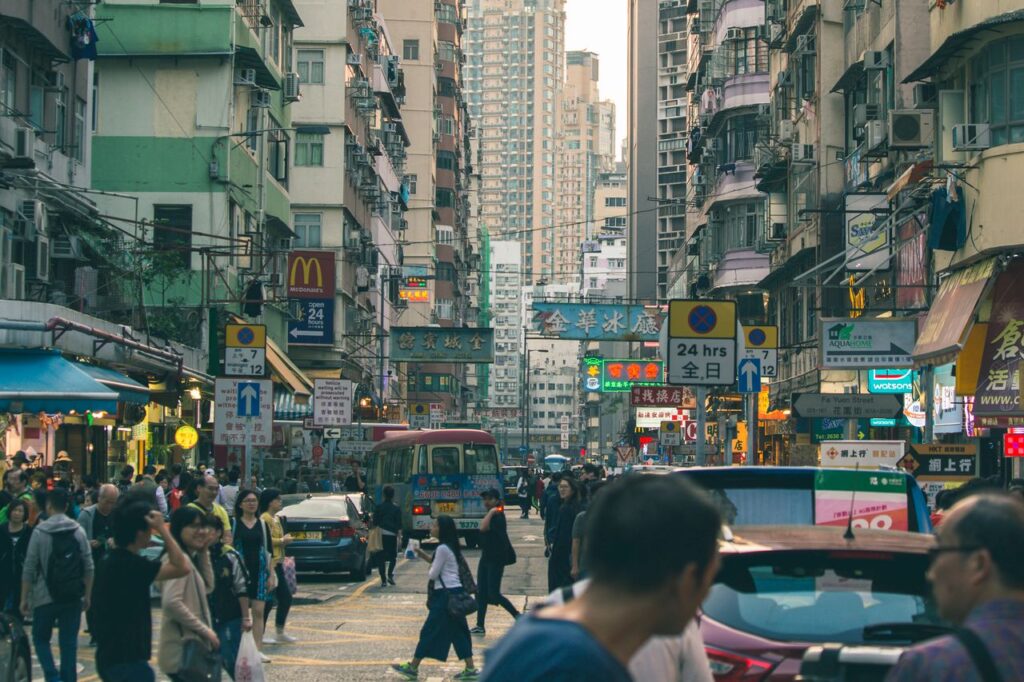
The dense streetscapes, hand-painted signs, older buildings and traditional shops of earlier Hong Kong provide a sense of place that is difficult to reproduce elsewhere.
There is also a growing interest in analogue experiences, including film photography, physical music formats and vintage objects. These trends suggest that nostalgia can appeal to people who value material objects and experiences in an increasingly digital world.
The challenge for cultural organisations is to make the past interesting without presenting it as a simplified or entirely romanticised version of history.
8. The Nostalgia Economy: Turning Collective Memories Into Business Opportunities
Nostalgia has become a commercial concept across many industries. Businesses use familiar images, products, music and experiences to create emotional connections with customers.
Hong Kong has a particularly rich collection of cultural material that can be developed into commercial experiences.
Potential opportunities include:
Film-related tourism: Guided walks, location maps, screenings and exhibitions.
Traditional food businesses: Heritage cafés, bakeries, local restaurants and culinary tours.
Cultural merchandise: Film posters, collectible objects, retro clothing and locally designed products.
Heritage experiences: Restored buildings, historic neighbourhood tours and interactive exhibitions.
Entertainment events: Classic film festivals, music performances and retrospectives.
Creative industries: New films, television productions, photography, art and design inspired by Hong Kong’s cultural history.
The Hong Kong government has also acknowledged the potential of this so-called nostalgia economy.
In an October 7, 2026 written reply to the Legislative Council, the government discussed efforts to develop cultural intellectual property and encourage collaboration across creative sectors.
It cited film-related attractions such as the Kowloon Walled City: A Cinematic Journey exhibition and the Yau Ma Tei Police Station: A Cinematic Journey exhibition.
The government also said the Cultural and Creative Industries Development Agency had been identifying projects with potential for commercial development and cultural IP trading.
An important qualification is that the government said it did not compile separate statistics on the nostalgia economy’s contribution to gross domestic product or provide a specific assessment of its future economic value.
That means the commercial potential is recognised, but its overall economic contribution remains difficult to measure.
9. Preserving Hong Kong’s Heritage Is More Complicated Than Recreating Its Appearance
The renewed interest in old Hong Kong creates an important question: what exactly should be preserved?
A city can reproduce the appearance of its past through themed restaurants, retro signs and cinematic exhibitions. But preserving a genuine cultural environment is much more complicated.
Traditional businesses may struggle with rising rents, redevelopment pressure, changing consumer habits and the retirement of older shopkeepers.
Historic buildings may be protected while the businesses and communities that gave them meaning disappear.
A neighbourhood can retain its architecture but lose much of its original character if its independent shops are replaced by expensive commercial outlets.
This is why heritage preservation needs to consider more than buildings.
It should also support:
- Traditional trades and family-run businesses.
- Local food producers and independent restaurants.
- Historic markets and community spaces.
- Oral histories and neighbourhood archives.
- Traditional crafts and cultural practices.
- Affordable spaces for local creative businesses.
- The people who maintain everyday neighbourhood life.
The strongest heritage experiences are not necessarily the most elaborate. Sometimes the most valuable experience is simply visiting a market that continues to serve local residents.
10. The Risk of Turning Nostalgia Into a Commercial Fantasy
There is another side to the nostalgia trend.
The Hong Kong of classic films is often remembered through attractive images: neon signs, busy streets, dramatic skylines, traditional cafés and glamorous entertainers.
But those images do not represent the full complexity of the city’s history.
Older neighbourhoods also contained difficult living conditions, economic inequality, overcrowding and social challenges. The past was not universally better for everyone.
Some critics argue that commercial nostalgia can turn a complicated history into a marketable aesthetic.
This matters when heritage becomes a tourism product. If businesses focus only on what looks attractive to visitors, they may overlook the people and communities that made those places meaningful.
The disappearance of traditional neon signs illustrates the tension. Visitors may associate them with the classic image of Hong Kong, but urban regulations, building safety and changing commercial practices have contributed to their removal.
Reproducing neon-style signs for tourists is not the same as preserving the original signs and the history behind them.
A successful nostalgia economy should therefore combine commercial activity with historical accuracy and meaningful heritage protection.
11. Film Tourism Could Help Spread Visitors Beyond the Main Attractions
Film tourism offers another potential benefit: it can encourage visitors to explore districts beyond the city’s most familiar sightseeing locations.
Many first-time visitors concentrate on Victoria Harbour, the Peak, major shopping areas and large attractions.
Movie-themed routes can introduce them to neighbourhoods that offer a more detailed understanding of local culture.
For example, a visitor following a cinematic itinerary through Sham Shui Po may also discover its markets, traditional restaurants and historic architecture.
A walk through Yau Ma Tei can combine film locations with Temple Street, the Fruit Market and nearby cultural attractions.
This approach can benefit smaller businesses by distributing visitor spending across a wider area.
It may also encourage longer stays. Travellers who want to explore several filming locations, museums and neighbourhoods may spend more time in the city than visitors following a short list of conventional attractions.
The Hong Kong Tourism Board’s strategy of combining film locations with food and cultural experiences is designed to achieve precisely this kind of broader exploration.
Nevertheless, the success of such initiatives will depend on whether visitors genuinely engage with the neighbourhoods rather than simply arriving for photographs.
12. Hong Kong’s Tourism Strategy Is Looking Beyond Conventional Sightseeing
The renewed interest in film and cultural heritage is part of a broader effort to diversify Hong Kong’s tourism appeal.
The city’s 2026–2030 tourism development blueprint includes an ambition to increase the tourism industry’s value added from HK$86.2 billion in 2024 to HK$126 billion by 2030.
The strategy includes themed tourism routes and initiatives that connect travel with cultural heritage, major events, food, nature and other sectors.
This reflects an important change in tourism marketing.
Rather than competing only on shopping, hotels and famous landmarks, Hong Kong is trying to sell experiences that are more closely connected to its identity.
Cinema is especially useful because it already has international audiences. A film can introduce a destination to millions of people long before they decide to visit.
The same principle applies to television dramas, music, literature and online content.
If a cultural work creates an emotional connection with a place, tourism campaigns can help convert that interest into real-world travel.
13. How Visitors Can Experience Hong Kong’s Nostalgic Side
Travellers interested in the city’s cinematic and cultural heritage can build a trip around several neighbourhoods and attractions.
Follow a Hong Kong film-location route
Use the Hong Kong Good Take guide to identify filming locations and plan a walk through Old Town Central, Sham Shui Po, Yau Ma Tei and other districts.
Visit the Hong Kong Heritage Museum
The museum presents exhibitions covering Hong Kong’s cultural history, including material connected with film and entertainment personalities.
Explore the Hong Kong Film Archive
Located in Sai Wan Ho, the archive preserves and promotes Hong Kong’s film heritage through collections, screenings and research.
Experience Broadway Cinematheque
In Yau Ma Tei, Broadway Cinematheque is an important destination for film lovers interested in independent, international and classic cinema.
Visit the Avenue of Stars
The Tsim Sha Tsui waterfront attraction celebrates Hong Kong’s film industry and its performers through handprints, statues and views of Victoria Harbour.
Explore traditional food districts
Try Hong Kong-style milk tea, egg tarts, pineapple buns and other local dishes at traditional cafés and bakeries.
Walk through Temple Street
Visit the market area in the evening to experience its street-food culture, shops and lively atmosphere.
Visitors should check current opening hours and exhibition dates before travelling, particularly for temporary attractions and special events.
Conclusion: Hong Kong’s Past Is Becoming Part of Its Future
Hong Kong’s nostalgia boom reveals something important about modern tourism: people increasingly want more than famous landmarks and convenient shopping.
They want stories, cultural connections and experiences that help them understand a destination.
The city’s classic films, music, neighbourhoods and food offer a powerful collection of stories that cannot easily be copied by competing destinations.
Initiatives such as Hong Kong Good Take show how cultural heritage can be transformed into travel experiences, while exhibitions and creative projects give residents and visitors opportunities to reconnect with the city’s history.
But nostalgia should not become a substitute for preserving the present. The real value of Hong Kong’s heritage lies not only in its old film scenes or retro decorations but also in the communities, traditions and businesses that continue to shape the city.
The challenge is to protect that living culture while allowing it to evolve.
For visitors, the result could be a more rewarding way to explore Hong Kong: not simply looking at the skyline, but walking through the streets, tasting familiar dishes, discovering local stories and understanding why the city has remained so memorable.
Hong Kong’s past may be drawing visitors back, but its greatest opportunity is to show them a living city where history and contemporary culture continue to meet.
Frequently Asked Questions (FAQs)
1. Why is Hong Kong nostalgia becoming popular?
Hong Kong nostalgia is gaining popularity because classic films, television dramas, music, food and neighbourhoods evoke strong emotional connections with the city’s past. Older audiences may be revisiting memories of earlier decades, while younger visitors are discovering the visual style and cultural influence of Hong Kong’s Golden Age through films, social media and heritage experiences.
2. What is Hong Kong Good Take?
Hong Kong Good Take is a Hong Kong Tourism Board initiative launched in October 2026. It features more than 100 filming locations from 50 selected movies and connects them with cultural attractions, local neighbourhoods and dining experiences. Its themed itineraries include Old Town Central, Sham Shui Po and Yau Ma Tei.
3. Which Hong Kong neighbourhoods are best for experiencing old Hong Kong?
Sham Shui Po, Yau Ma Tei, Wan Chai and Old Town Central are among the districts where visitors can discover traditional markets, historic buildings, local restaurants and cinematic locations. Temple Street and the former Yau Ma Tei Police Station are particularly relevant for travellers interested in Hong Kong’s film and street culture.
4. Who are the most influential stars of Hong Kong’s classic cinema era?
Important figures include Bruce Lee, Jackie Chan, John Woo, Wong Kar-wai, Stephen Chow, Leslie Cheung and Anita Mui. Their films and performances helped establish Hong Kong as an internationally recognised centre of cinema and popular entertainment, particularly during the late 20th century.
5. How does nostalgia benefit Hong Kong’s tourism industry?
Nostalgia can encourage visitors to explore film locations, heritage buildings, traditional restaurants, markets and cultural exhibitions. These experiences create business opportunities for tour operators, independent shops, food businesses, museums and creative organisations. They can also help distribute visitor spending across neighbourhoods beyond the city’s best-known tourist attractions.
Sources Bloomberg