
Dolly Parton is known around the world as a country music legend, songwriter, actress, philanthropist, and businesswoman. But one of her most lasting achievements is not only on stage or screen. It is in the mountains of East Tennessee, where she helped turn her hometown region into one of America’s most recognizable family tourism destinations.
At the center of that empire is Dollywood, the theme park in Pigeon Forge, Tennessee, that blends rides, music, mountain culture, Southern food, crafts, festivals, and Dolly Parton’s personal story. Over time, Dollywood has grown into a broader tourism brand that includes water parks, resorts, cabins, dinner shows, seasonal events, and a powerful emotional connection to Appalachia.
Dolly Parton’s tourism success is not accidental. It is the result of smart branding, deep loyalty to her roots, careful partnerships, and a clear understanding of what families want from a vacation: entertainment, comfort, nostalgia, and a sense of place.
From Local Roots to Global Fame
Dolly Parton was born in Sevier County, Tennessee, in the foothills of the Great Smoky Mountains. Her childhood in a large, poor family became a central part of her identity and storytelling. Rather than distancing herself from her rural background after becoming famous, she made it the foundation of her public image.
This authenticity is one of the biggest reasons her tourism brand works. Dollywood is not simply a theme park with Dolly’s name attached. It is built around the culture, music, food, and landscape of the region where she grew up.
Visitors are not just buying tickets to rides. They are entering a version of Dolly’s world: front porches, mountain music, handmade crafts, church-style harmonies, country cooking, and stories of hard work and hope.
The Birth of Dollywood
Before Dollywood became Dollywood, the property had existed in different forms as a regional attraction. In the 1980s, Dolly Parton partnered with the Herschend family, experienced theme park operators known for Silver Dollar City in Missouri. Together, they relaunched the Tennessee park as Dollywood in 1986.
The partnership was crucial. Dolly brought star power, emotional connection, and a deeply personal brand. The Herschend organization brought operational experience in theme parks, hospitality, live entertainment, and family attractions.
This combination allowed Dollywood to become more than a celebrity vanity project. It became a professionally run destination with a strong identity.
Why Dollywood Is Different From Other Theme Parks
Dollywood competes in a world dominated by giant entertainment companies such as Disney and Universal. But it does not try to copy them. Its strength is its difference.
Dollywood is built around regional authenticity rather than movie franchises. Its identity comes from:
- Appalachian music and storytelling
- Southern hospitality
- Local crafts and artisans
- Family-friendly entertainment
- Smoky Mountain scenery
- Festivals and seasonal traditions
- Dolly Parton’s personal values
The park offers roller coasters and thrill rides, but it also features gospel performances, bluegrass music, blacksmithing, glassblowing, woodcarving, comfort food, and holiday celebrations.
That mix makes Dollywood appealing to multiple generations. Grandparents, parents, teenagers, and young children can all find something familiar or exciting.
The Power of the Smoky Mountains
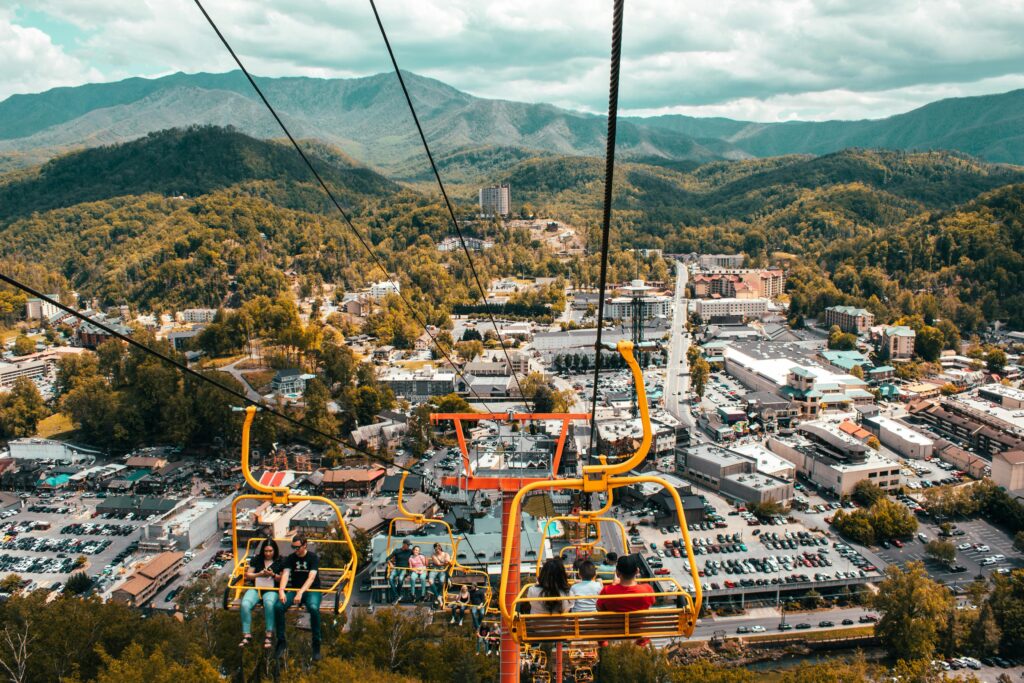
Dollywood’s location is one of its greatest advantages. Pigeon Forge and nearby Gatlinburg sit close to Great Smoky Mountains National Park, the most visited national park in the United States.
Millions of people already travel to the area for mountain views, hiking, cabins, scenic drives, and family vacations. Dollywood gives those visitors another major reason to stay longer and spend more money.
The park benefits from the region, and the region benefits from the park. Hotels, restaurants, shops, theaters, cabin rentals, campgrounds, and local attractions all gain from the tourism traffic Dollywood helps generate.
In this way, Dolly Parton’s tourism empire is not just a private business success. It is a major economic engine for East Tennessee.
Building a Full Vacation Destination
One of the smartest moves behind Dollywood’s growth has been expanding beyond a single theme park. The brand now includes a broader collection of vacation experiences.
Dollywood Theme Park
The main theme park offers rides, live entertainment, festivals, crafts, food, and family attractions. It is the heart of the Dollywood brand.
Dollywood’s Splash Country
The water park gives visitors another warm-weather attraction and encourages families to extend their trips.
Resorts and Lodging
Dollywood has expanded into resort hospitality, including properties such as Dollywood’s DreamMore Resort and Spa and Dollywood’s HeartSong Lodge & Resort. These hotels help turn Dollywood from a day trip into a multi-day destination.
Cabins and Mountain Stays
The Smoky Mountains are famous for cabin vacations. Dollywood’s lodging strategy connects the park to that tradition, offering visitors a mountain getaway experience.
Dinner Shows and Entertainment
The broader Dolly-related tourism ecosystem includes dinner entertainment, music, and family shows that fit the region’s long tradition of live performance.
Festivals and Seasonal Events
Dollywood’s calendar is a major part of its success. Seasonal festivals bring repeat visitors throughout the year, including spring flower events, summer celebrations, fall harvest themes, and Christmas festivals.
This diversification reduces dependence on one attraction and creates more reasons for families to return.
The Business Strategy Behind the Brand
Dolly Parton’s tourism empire is built on several smart business principles.
1. Authentic Branding
Many celebrity businesses fail because they feel artificial. Dollywood succeeds because it matches Dolly’s real story. Her childhood, music, values, humor, faith, and love of the Smokies are all part of the experience.
2. Family Appeal
Dollywood is designed for families. It avoids the edgier tone of some entertainment brands and focuses on warmth, safety, nostalgia, and multi-generational fun.
3. Regional Identity
Instead of hiding its Appalachian roots, Dollywood celebrates them. This gives it a unique market position.
4. Strong Operations
A famous name can attract first-time visitors, but good operations bring people back. Clean facilities, friendly staff, reliable entertainment, and quality guest service are essential.
5. Emotional Loyalty
Many visitors feel affection for Dolly Parton personally. Her reputation for kindness, generosity, humor, and humility strengthens the business.
6. Year-Round Programming
Seasonal festivals help smooth attendance across the year and reduce reliance on summer travel alone.
7. Strategic Partnerships
Dolly’s partnership with experienced operators allowed the brand to grow with professional management instead of relying only on celebrity attention.
Dolly Parton as a Businesswoman
Dolly Parton has often been underestimated because of her playful image, big hair, rhinestones, and self-deprecating humor. But behind that image is a sharp business mind.
She has controlled much of her songwriting catalog, made careful brand decisions, and built businesses that align with her values. Her refusal to be easily categorized has helped her remain relevant across generations.
Her business approach often combines:
- Ownership and long-term thinking
- Emotional storytelling
- Humor and approachability
- Clear brand boundaries
- Respect for her audience
- Loyalty to her home region
Dollywood reflects all of these qualities. It is both a commercial enterprise and a personal statement.
Economic Impact on East Tennessee
Dollywood and the surrounding tourism industry support thousands of jobs in Sevier County and the wider region. These include jobs in hospitality, food service, construction, entertainment, retail, transportation, maintenance, and management.
The park also indirectly supports local suppliers, artisans, musicians, contractors, and small businesses. Visitors who come for Dollywood often spend money at nearby hotels, restaurants, shops, and attractions.
Tourism has helped transform Pigeon Forge from a small mountain town into a major vacation center. While this has created economic opportunity, it has also brought challenges such as traffic, rising real estate costs, seasonal labor needs, and pressure on local infrastructure.
Preserving Appalachian Culture
One of Dollywood’s most important contributions is cultural preservation. Appalachia has often been misrepresented in popular culture through stereotypes of poverty and backwardness. Dollywood offers a different image: creative, musical, skilled, resilient, welcoming, and proud.
The park highlights traditional crafts such as blacksmithing, leatherwork, glassmaking, quilting, woodworking, and instrument making. It also gives a platform to bluegrass, gospel, country, and mountain musicians.
Of course, any theme park version of culture is selective and polished. But Dollywood still plays a significant role in introducing millions of visitors to Appalachian traditions.
Philanthropy and Public Trust
Dolly Parton’s broader public image also strengthens her tourism empire. Her charitable work has made her one of the most trusted celebrities in America.
Her best-known philanthropic project is the Imagination Library, which mails free books to young children in participating communities around the world. She has also supported disaster relief, education, health causes, and local community needs in Tennessee.
This matters for Dollywood because people do not see Dolly only as a performer selling a product. They see her as someone who gives back. That trust is a powerful asset.
Why Families Keep Returning
Theme parks often rely on novelty: new rides, new shows, new attractions. Dollywood does that too, but its repeat appeal goes deeper.
Families return because Dollywood offers:
- A familiar atmosphere
- Seasonal traditions
- Clean and friendly surroundings
- Entertainment for all ages
- A connection to Dolly Parton
- A mountain vacation setting
- A slower, warmer alternative to mega-resorts
For many visitors, Dollywood becomes part of a family ritual. They visit during Christmas, return for summer trips, or bring children and grandchildren after having gone themselves years earlier.
Challenges Facing Dollywood’s Growth
Even successful tourism brands face challenges.
Competition
Dollywood competes with other theme parks, cruise lines, beach destinations, national parks, and entertainment resorts.
Affordability
Family vacations are expensive. Ticket prices, lodging, food, and travel costs can make theme park trips difficult for some households.
Labor Shortages
Hospitality businesses often struggle to hire enough workers, especially in seasonal markets.
Weather and Seasonality
Outdoor parks depend heavily on weather. Extreme heat, storms, or winter conditions can affect attendance.
Infrastructure
Pigeon Forge and the surrounding area can experience traffic congestion during peak tourist seasons.
Maintaining Authenticity
As Dollywood grows, it must preserve the personal and regional charm that made it special in the first place.
The Future of Dolly Parton’s Tourism Empire
Dollywood’s future likely lies in becoming an even more complete resort destination. That means more lodging, more immersive experiences, more seasonal programming, and possibly more ways to connect Dolly’s music and life story to the guest experience.
The park may also continue investing in major rides to attract thrill-seekers while maintaining its traditional strengths in live entertainment and family hospitality.
Technology may play a larger role too, including mobile apps, digital ticketing, virtual queues, personalized trip planning, and improved guest services. But unlike some entertainment brands, Dollywood’s core appeal will likely remain low-tech in spirit: music, food, mountains, memories, and the feeling of being welcomed.
Conclusion
Dolly Parton built her tourism empire by doing something deceptively simple: she turned her roots into a destination.
Dollywood works because it is not just about rides, hotels, or celebrity branding. It is about place, memory, identity, and hospitality. It gives visitors a version of the Smoky Mountains shaped by Dolly’s story and values.
In an entertainment world often dominated by global franchises and digital experiences, Dollywood stands out because it feels personal. That may be the real secret of its success. Dolly Parton did not just build a theme park. She helped build a homecoming that millions of people want to experience.
Frequently Asked Questions
1. What is Dolly Parton’s tourism empire?
Dolly Parton’s tourism empire is centered on Dollywood in Pigeon Forge, Tennessee. It includes the Dollywood theme park, Dollywood’s Splash Country water park, resorts, cabins, live entertainment, festivals, and related tourism experiences in the Smoky Mountains.
2. When did Dollywood open?
Dollywood opened under its current name in 1986 after Dolly Parton partnered with experienced theme park operators to transform an existing regional attraction into a major family destination.
3. Why is Dollywood so popular?
Dollywood is popular because it combines theme park rides with Southern hospitality, Appalachian culture, live music, crafts, comfort food, seasonal festivals, and Dolly Parton’s personal story. It appeals to families and visitors of many ages.
4. Is Dollywood owned by Dolly Parton?
Dolly Parton is closely associated with Dollywood and is a co-owner through a partnership with the Herschend family entertainment business. The partnership combines Dolly’s brand and regional roots with professional theme park operations.
5. Where is Dollywood located?
Dollywood is located in Pigeon Forge, Tennessee, near Gatlinburg and Great Smoky Mountains National Park.
Sources The Wall Street Journal

