

Just as Asia’s tourism industry was finally beginning to recover from the devastation of the COVID-19 pandemic, a new crisis emerged thousands of miles away.
The ongoing conflict involving Iran and the broader Middle East has triggered sharp increases in oil prices, disrupted major air routes, raised airline operating costs, and created fresh uncertainty for travelers worldwide. While the fighting is geographically distant from Southeast Asia, its economic consequences are hitting the region with surprising force.
Countries such as Thailand, Vietnam, Cambodia, the Philippines, Indonesia, and Nepal depend heavily on tourism revenue. For many of these economies, international visitors are not merely a source of income—they are a critical pillar supporting employment, foreign exchange reserves, small businesses, and national growth.
Now, soaring energy prices and aviation disruptions threaten to derail one of the world’s most important tourism recoveries.
Why a Middle East Conflict Affects Tourism in Asia
At first glance, the connection may seem unclear.
Why would a war in the Middle East affect beach resorts in Thailand or historical sites in Cambodia?
The answer lies in energy.
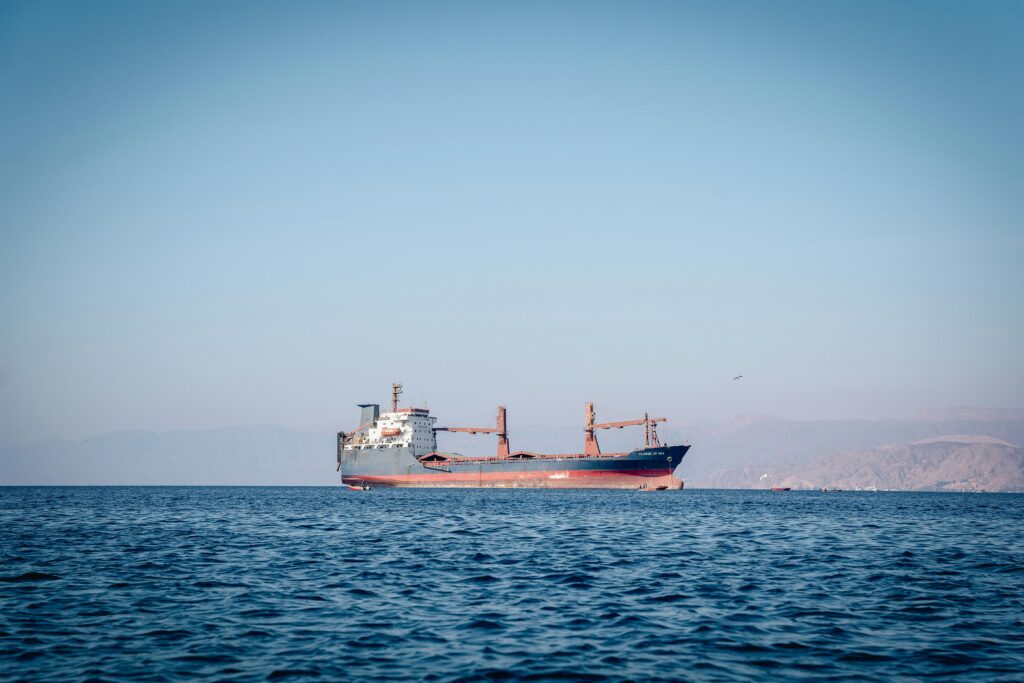
Much of Asia relies heavily on imported oil and natural gas from the Middle East. A significant portion of those energy supplies typically passes through the Strait of Hormuz, one of the world’s most important energy chokepoints. Any disruption to that route immediately impacts global fuel markets.
When oil prices rise:
- Airlines pay more for jet fuel
- Shipping companies face higher transport costs
- Hotels pay more for electricity
- Food and consumer prices increase
- Travelers face higher travel expenses
The result is a ripple effect that reaches nearly every part of the tourism economy.
The Strait of Hormuz: The World’s Most Important Energy Bottleneck
The Strait of Hormuz is a narrow waterway connecting the Persian Gulf to international shipping lanes.
Although relatively small geographically, it handles an enormous share of global oil and gas shipments.
When military tensions threaten shipping through the strait, global energy markets react almost immediately. Even the possibility of disruption can push oil prices sharply higher. Analysts have described recent disruptions as among the most significant energy supply shocks in modern history.
For Asia, the risks are especially severe because many major economies—including China, India, Japan, South Korea, and several Southeast Asian nations—depend heavily on Middle Eastern energy imports.
Airlines Are Feeling the Pressure First
The aviation industry is often the first sector affected by rising oil prices.
Jet fuel represents one of an airline’s largest operating expenses.
As fuel prices climb, airlines typically respond by:
- Increasing ticket prices
- Adding fuel surcharges
- Reducing flight frequencies
- Canceling less profitable routes
- Delaying expansion plans
Several major carriers have already adjusted schedules and implemented fuel-related surcharges as costs increased during the conflict. Airspace restrictions and airport disruptions in parts of the Gulf have further complicated international travel routes.
Long-haul flights between Europe and Asia have been particularly affected because many routes traditionally pass through Middle Eastern airspace.
Tourism Was Already Recovering Slowly
The timing could hardly be worse.
Many Asian tourism destinations spent years recovering from pandemic-related border closures.
Before COVID-19, tourism accounted for substantial portions of GDP in numerous Asian economies. The sector supports millions of jobs, from hotel workers and restaurant owners to taxi drivers, tour operators, and street vendors.
Even before the current energy shock, some destinations had not fully regained pre-pandemic visitor levels.
Now, rising travel costs threaten to slow demand again.
For families facing higher gasoline prices, food costs, and economic uncertainty at home, international vacations often become one of the first expenses to be postponed.
Small Tourism Businesses Face the Greatest Risk
Large hotel chains and international airlines often have financial reserves that help them weather economic turbulence.
Small businesses usually do not.
Across Asia, many tourism-dependent enterprises remain financially fragile after years of pandemic disruptions.
Examples include:
- Family-owned guesthouses
- Independent tour operators
- Local transportation providers
- Restaurants
- Souvenir shops
- Market vendors
For these businesses, even a modest decline in visitor numbers can create serious financial stress.
Industry analysts warn that some companies may not survive if high energy prices and reduced travel demand persist for an extended period.
The Hidden Economic Multiplier of Tourism
Tourism’s impact extends far beyond hotels and airports.
Every tourist dollar typically supports multiple sectors of the economy.
A visitor may:
- Book a flight
- Stay in a hotel
- Eat at restaurants
- Hire transportation
- Visit attractions
- Purchase local goods
This creates a multiplier effect that spreads throughout communities.
When tourism declines, the consequences ripple through retail, transportation, agriculture, entertainment, and service industries.
This is one reason economists closely monitor tourism during periods of geopolitical instability.

Energy Prices and Inflation Create a Double Blow
The tourism challenge is not solely about fewer visitors.
Many destinations are simultaneously experiencing rising operating costs.
Higher energy prices increase expenses for:
- Hotels
- Resorts
- Restaurants
- Airlines
- Cruise operators
- Transportation networks
At the same time, inflation reduces consumer spending power.
This creates a difficult situation where businesses face both rising costs and weaker demand.
The International Monetary Fund has warned that Asia is particularly vulnerable to energy-related shocks because of its dependence on imported fuel. Growth forecasts could weaken if energy disruptions persist.
Why Southeast Asia Is Particularly Vulnerable
Not all regions face the same level of risk.
Southeast Asia faces unique challenges because many economies depend heavily on:
- International tourism
- Imported energy
- Air travel connectivity
- Export-driven growth
Countries such as Thailand, Cambodia, and Vietnam rely heavily on foreign visitors to support economic activity and employment. Any decline in tourism can have outsized effects compared with larger, more diversified economies.
For developing economies, tourism also provides valuable foreign currency needed to finance imports and support economic stability.
Could Higher Energy Prices Change Travel Behavior?
Possibly.
Travel analysts are already observing shifts in consumer behavior.
Potential trends include:
Shorter Vacations
Travelers may reduce trip duration to control costs.
Regional Travel
People may choose destinations closer to home rather than long-haul international trips.
Budget Tourism Growth
Demand may shift toward lower-cost accommodations and experiences.
Delayed Travel Decisions
Consumers may wait longer before booking vacations due to uncertainty.
These behavioral changes could reshape tourism demand patterns throughout Asia.
The Aviation Industry’s Long-Term Challenge
The current crisis highlights a broader issue.
Global aviation remains heavily dependent on fossil fuels.
Although sustainable aviation fuel (SAF) and alternative technologies are being developed, large-scale adoption remains years away.
Until then, airlines remain highly exposed to geopolitical events affecting oil markets.
Each major energy disruption creates similar challenges:
- Higher operating costs
- Reduced profitability
- Increased fares
- Lower passenger demand
The current situation demonstrates how vulnerable global travel remains to energy market volatility.
Can Renewable Energy Help Reduce Future Risks?
Many experts believe the answer is yes.
One lesson from recent events is that countries heavily dependent on imported fossil fuels remain vulnerable to geopolitical shocks.
Investments in:
- Solar energy
- Wind power
- Battery storage
- Electric transportation
- Energy efficiency
could reduce exposure to future energy crises.
Several Asian countries have already accelerated renewable energy initiatives partly because of concerns about energy security.
Ironically, geopolitical instability may end up speeding the transition toward alternative energy sources.
The Bigger Picture: Tourism and Energy Are More Connected Than Most People Realize
Tourism is often viewed as a separate industry focused on leisure and travel.
In reality, it is deeply connected to energy markets.
Every flight, hotel stay, cruise voyage, and road trip depends on affordable and reliable energy.
When energy prices rise sharply, tourism often becomes one of the first industries to feel the impact.
The current Middle East conflict serves as a reminder that events occurring thousands of miles away can quickly influence vacation plans, airline schedules, hotel bookings, and economic growth throughout Asia.
For tourism-dependent economies still recovering from the pandemic, the stakes could not be much higher.
Whether the industry continues its recovery or faces another difficult setback may depend largely on how quickly geopolitical tensions ease and energy markets stabilize.
Frequently Asked Questions (FAQ)
1. Why does a Middle East conflict affect tourism in Asia?
Because many Asian countries depend heavily on oil and gas imports from the Middle East. When conflict disrupts energy markets, fuel prices rise, increasing travel and operating costs throughout the tourism sector.
2. Why are airline tickets becoming more expensive?
Airlines face higher jet fuel costs during energy crises. To offset these expenses, carriers often introduce fuel surcharges, increase ticket prices, or reduce flight frequencies.
3. Which Asian countries are most vulnerable?
Tourism-dependent economies such as Thailand, Vietnam, Cambodia, Nepal, and the Philippines are particularly vulnerable because tourism contributes significantly to employment and economic activity.
4. Could tourism demand recover if oil prices fall?
Yes. Lower energy prices generally reduce airline operating costs, support consumer spending, and improve travel affordability, which can help boost tourism demand.
5. What long-term lessons does this crisis offer?
The crisis highlights the importance of energy security, diversified energy supplies, renewable energy investment, and resilient tourism strategies capable of withstanding global geopolitical disruptions.
6. Is Asia more vulnerable than Europe or North America?
In many respects, yes. Asia imports a larger share of its energy and relies heavily on Middle Eastern oil and gas supplies, making it particularly sensitive to disruptions in that region.
7. Will higher oil prices affect travelers directly?
Yes. Travelers may face higher airfares, increased hotel costs, more expensive local transportation, and higher prices for tourism-related services.
8. Could renewable energy reduce future tourism disruptions?
Potentially. Greater adoption of renewable energy and alternative transportation technologies could reduce dependence on volatile fossil-fuel markets and improve long-term resilience.

Sources AP News

