
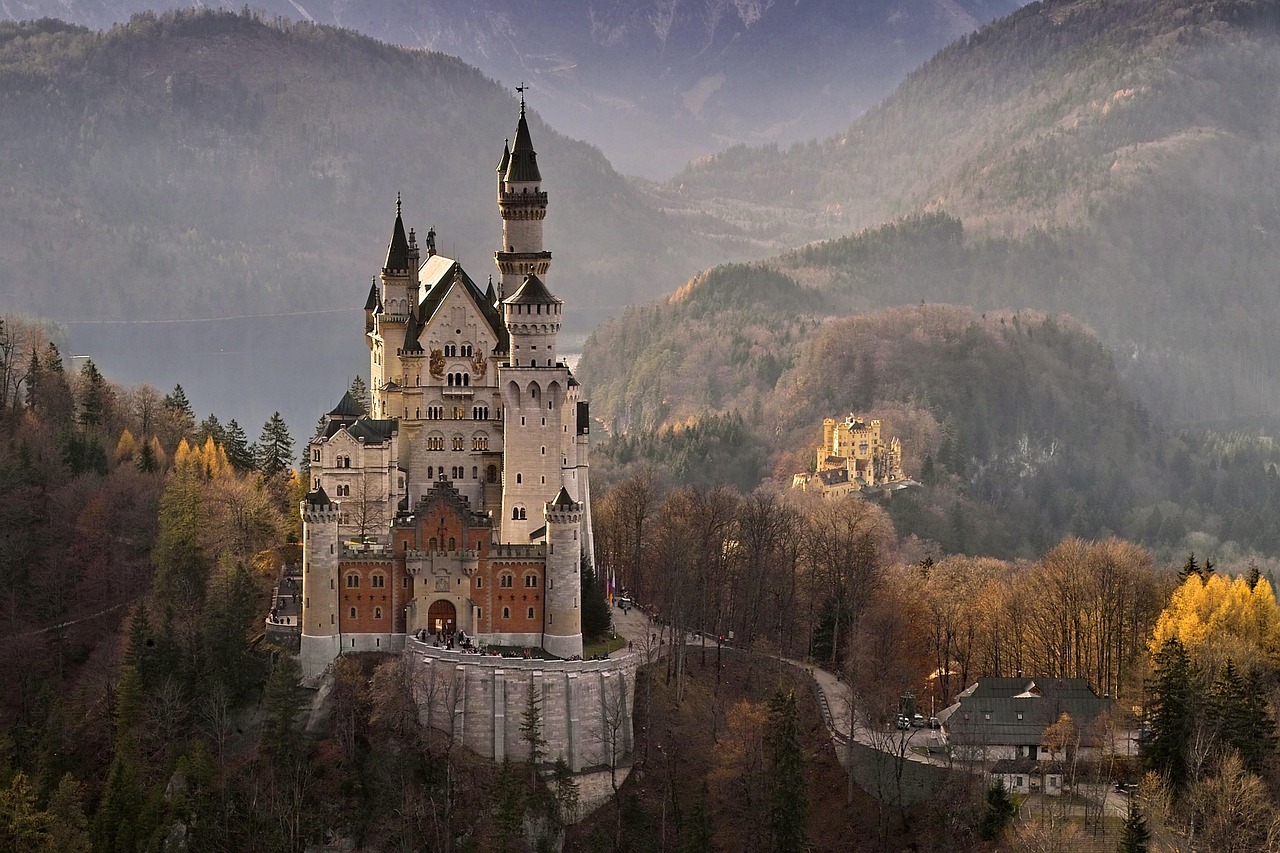
From stately homes and manicured gardens to pastel ballrooms and candlelit promenades, Bridgerton has done more than dominate streaming charts. It has ignited a powerful form of travel: fantasy immersion tourism.
Across the UK and beyond, filming locations linked to the Netflix series are seeing record visitor numbers. Fans are not just sightseeing—they are stepping into a romanticized past that never fully existed, yet feels emotionally real. This surge in Bridgerton tourism reflects deeper shifts in why people travel, what they seek from destinations, and how fiction increasingly shapes reality.

1. Bridgerton tourism isn’t about history — it’s about feeling
Although Bridgerton borrows Regency-era aesthetics, its appeal is not historical accuracy. It is emotional escapism.
Visitors aren’t asking:
- “What really happened here?”
They’re asking: - “How does this place make me feel?”
The show offers:
- A world without modern stress
- Heightened romance and drama
- Visual beauty unburdened by realism
Tourism linked to Bridgerton allows fans to briefly inhabit that fantasy.
2. Why fantasy-led travel is exploding now
Bridgerton tourism is part of a broader post-pandemic travel trend.
Key drivers include:
- Desire for escapism after years of uncertainty
- Streaming culture creating shared global narratives
- Social media rewarding visually striking experiences
- Travelers prioritizing emotion over education
Fantasy tourism doesn’t require belief—it requires immersion.
3. Filming locations become emotional landmarks
Many Bridgerton-related sites were already tourist destinations, such as stately homes and historic towns. The show reframed them.
What changes when a location becomes “Bridgerton-famous”:
- Visitors arrive with a story in mind
- Ordinary architecture becomes symbolic
- Guided tours shift from facts to narrative
- Costumes, themed teas, and balls become part of the experience
The place itself becomes a stage set for personal fantasy.
4. The role of social media in amplifying the trend
Platforms like Instagram and TikTok have turbocharged Bridgerton tourism.
Why:
- Regency aesthetics photograph beautifully
- Costumed visitors create shareable spectacle
- “Main character energy” aligns with the show’s tone
- Algorithms reward recognizable cultural references
Travel is no longer just consumed—it’s performed.
5. Economic impact: a windfall with caveats
Bridgerton tourism has delivered tangible benefits:
- Increased ticket sales at historic properties
- Higher demand for guided tours and themed events
- Boosts to local cafes, hotels, and shops
- New revenue streams through costume rentals and experiences
However, challenges include:
- Overcrowding at fragile heritage sites
- Managing visitor expectations
- Preserving authenticity amid commercialization
Fantasy is profitable—but it requires careful stewardship.

6. Heritage sites adapting to fiction-driven demand
Historic properties face a balancing act.
Many are:
- Offering Bridgerton-themed tours alongside traditional ones
- Hosting immersive events like Regency balls
- Creating content that explains fiction vs history
- Using pop culture to attract younger audiences
Rather than resisting fantasy, many sites are embracing it as a gateway to engagement.
7. Why Bridgerton appeals across generations and cultures
Unlike traditional period dramas, Bridgerton:
- Features diverse casting
- Uses modern music reimagined as classical
- Centers romance, not politics
- Feels inclusive rather than instructional
This accessibility broadens its tourism appeal far beyond history enthusiasts.
8. The psychology of “living inside a story”
Researchers note that narrative immersion:
- Enhances emotional memory
- Reduces stress
- Strengthens personal identity through storytelling
When travelers visit Bridgerton locations, they are not escaping reality—they are reframing it, temporarily adopting a different version of themselves.
That emotional payoff is powerful.
9. Is this trend sustainable?
Fantasy tourism tends to peak with cultural relevance.
Its longevity depends on:
- Continued popularity of the franchise
- Refreshing experiences beyond photo opportunities
- Protecting sites from overuse
- Integrating fantasy with meaningful context
Destinations that treat Bridgerton as a doorway rather than a gimmick are best positioned for long-term success.
10. What Bridgerton tourism reveals about the future of travel
This boom signals a broader shift:
- Travelers want immersion, not instruction
- Emotion matters more than accuracy
- Fiction shapes desire as much as geography
- Travel is increasingly about identity and storytelling
Bridgerton is not an outlier—it’s a preview.
Conclusion: When fantasy becomes a destination
Bridgerton tourism works because it offers something rare: a beautiful world where visitors are invited not just to observe, but to belong.
In an age defined by stress, speed, and screens, stepping into a carefully crafted fantasy feels restorative. Whether or not the past was ever like Bridgerton doesn’t matter. What matters is how it makes people feel.
And right now, that feeling is worth traveling for.
Frequently Asked Questions (FAQ)
1. What is Bridgerton tourism?
Travel to filming locations associated with the Netflix series Bridgerton, often involving themed experiences.
2. Are these places historically accurate to the show?
Not entirely. The show uses real locations but presents a stylized, fictionalized version of history.
3. Why is Bridgerton tourism so popular?
It combines fantasy, romance, visual beauty, and emotional escapism.
4. Do visitors need to be fans of the show?
No. Many are drawn by the aesthetics and atmosphere rather than fandom.
5. Which countries benefit most from Bridgerton tourism?
Primarily the UK, though the show has global influence on period-style travel.
6. Does this harm historic sites?
It can, if not managed properly. Many sites limit numbers and reinvest revenue into preservation.
7. Is this trend limited to Bridgerton?
No. It’s part of a broader rise in film- and TV-inspired travel.
8. How long will Bridgerton tourism last?
Likely as long as the series remains culturally relevant and experiences evolve.
9. Is this type of tourism considered “serious” travel?
Yes. Emotional and imaginative travel is increasingly recognized as meaningful.
10. What does this say about modern travelers?
They seek immersion, emotion, and identity—not just destinations.

Sources BBC

