
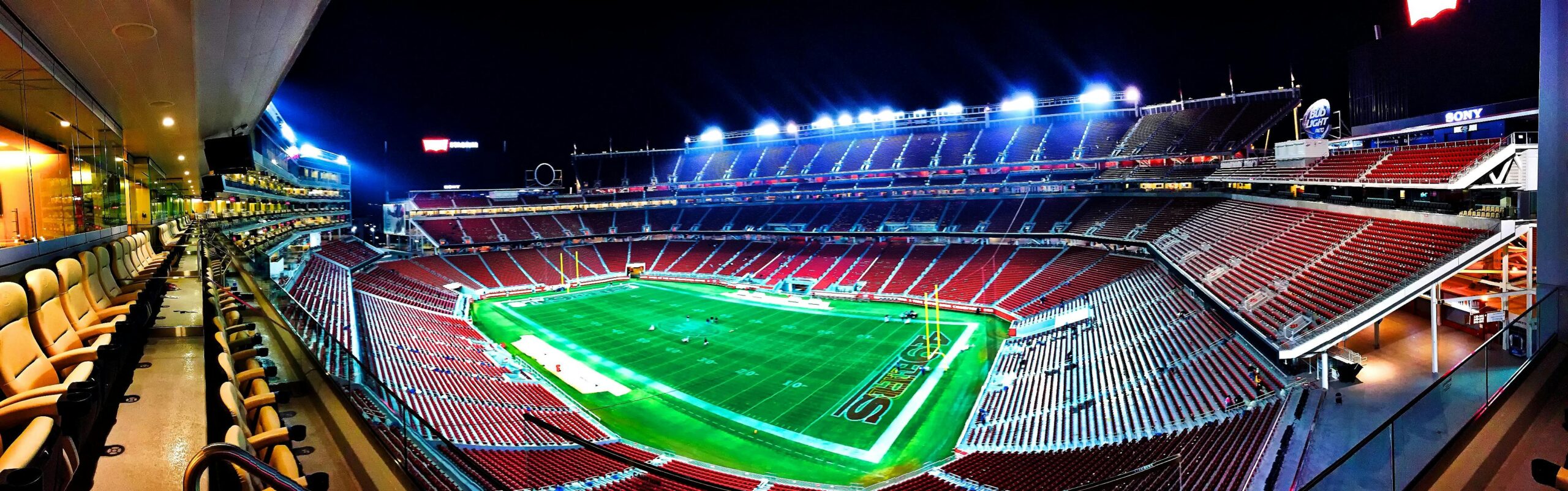
The Super Bowl has always been more than a football game. But in recent years, it has become something else entirely: a catalyst for a rapidly expanding global industry known as sports tourism.
As the 2026 Super Bowl approaches, travel data shows a sharp rise in demand not only for game tickets, but for experiences—VIP events, themed travel packages, fan festivals, athlete meet-and-greets, and curated city itineraries built around the spectacle. For many fans, attending the Super Bowl is no longer about a few hours in a stadium. It’s about an immersive, multi-day journey.
This shift reflects deeper changes in how people spend money, value experiences, and connect sports with travel.

1. What sports tourism really means today
Sports tourism used to be straightforward: fans traveled to watch a game.
Today, it encompasses:
- Major events like the Super Bowl, World Cup, and Olympics
- Multi-day fan festivals and concerts
- Hospitality packages and premium seating
- Behind-the-scenes tours and athlete interactions
- Destination-based sports experiences
The game itself is often just one component of a much larger travel experience.
2. Why the Super Bowl is a unique tourism engine
Few events combine scarcity, cultural relevance, and media saturation like the Super Bowl.
Key factors driving travel demand:
- A single host city creates urgency and exclusivity
- Corporate spending fuels premium travel
- Fans plan months—or years—in advance
- Non-football events attract casual visitors
For host cities, the Super Bowl functions like a global advertising campaign paired with a surge in high-spending visitors.
3. Experiences are replacing souvenirs
One of the most important trends underlying sports tourism is a broader consumer shift: people increasingly value experiences over possessions.
Super Bowl travelers are spending on:
- VIP tailgates and celebrity-hosted parties
- Luxury accommodations and curated dining
- Branded fan zones and interactive exhibits
- Limited-access events tied to the game
These experiences are designed to be shared—both socially and digitally—extending the event’s impact far beyond the stadium.
4. Airlines, hotels, and platforms adapt to the surge
The travel industry has learned how predictable major sports events can be.
Airlines:
- Add temporary routes
- Increase capacity to host cities
- Adjust pricing around event windows
Hotels:
- Raise rates significantly
- Require longer minimum stays
- Partner with event organizers
Travel platforms:
- Bundle tickets, hotels, and experiences
- Target fans with personalized offers
- Expand premium and concierge services
Sports tourism has become a reliable revenue spike—if managed carefully.
5. Who benefits most from the boom
While the Super Bowl generates economic activity, the benefits are uneven.
Big winners include:
- Airlines and major hotel chains
- Event management companies
- Luxury hospitality providers
- Short-term rental platforms
Local small businesses benefit most when cities:
- Spread events across neighborhoods
- Promote local vendors
- Encourage longer stays
Without planning, spending can remain concentrated rather than broadly shared.

6. The downside: cost, congestion, and exclusion
Booms come with trade-offs.
Common concerns include:
- Hotel prices far beyond reach for locals
- Traffic congestion and crowding
- Displacement of regular tourism
- Increased strain on city services
For some residents, the Super Bowl feels less like a celebration and more like an invasion—especially when benefits don’t flow locally.
7. Sports tourism beyond American football
While the Super Bowl is a flagship event, the broader trend is global.
Other drivers include:
- Formula 1 races reshaping host cities
- International soccer tournaments
- Golf majors and tennis slams
- Combat sports and global fight events
Sports tourism is increasingly year-round and international, no longer tied to a single season or country.
8. Why fans are willing to travel farther than ever
Several factors are pushing fans to go all-in:
- Higher disposable income among experience-focused consumers
- Remote work enabling flexible travel
- Social media amplifying “once-in-a-lifetime” moments
- Fear of missing out on cultural moments
For many, attending a Super Bowl is as much about identity as entertainment.
9. What this means for future host cities
Cities bidding to host major sports events now think beyond stadiums.
Success increasingly depends on:
- Transportation infrastructure
- Hotel capacity across price points
- Ability to host multiple parallel events
- Coordination with local businesses
- Managing resident impact
The Super Bowl is no longer a one-day event—it’s a week-long urban transformation.
10. Is sports tourism sustainable?
The long-term question is whether growth can continue without backlash.
Sustainability challenges include:
- Environmental impact of short-term travel surges
- Overtourism and resident fatigue
- Rising inequality in access to live sports
Future growth will depend on balancing economic gains with social and environmental responsibility.
Conclusion: The Super Bowl is no longer just a game — it’s a destination
The surge in sports tourism around the Super Bowl reflects a fundamental shift in how fans engage with sports. Attendance is no longer passive. It’s immersive, curated, and deeply tied to travel.
For the travel industry, sports tourism offers predictable demand and high spending. For cities, it’s an opportunity—and a test. And for fans, it’s a chance to turn loyalty into memory.
The Super Bowl still crowns a champion. But increasingly, it also crowns a city as a global destination—if only for one unforgettable week.
Frequently Asked Questions (FAQ)
1. What is sports tourism?
Travel centered around attending sporting events and related experiences.
2. Why does the Super Bowl drive so much travel?
Its rarity, cultural importance, and multi-day programming attract fans and corporate travelers alike.
3. Are Super Bowl trips only for wealthy fans?
Premium experiences dominate headlines, but many fans attend free events or watch parties around the city.
4. How far in advance do people plan Super Bowl travel?
Often six months to a year, especially for hotels and flights.
5. Do host cities always benefit economically?
Not always. Benefits depend on planning, local inclusion, and cost management.
6. How does sports tourism affect hotel prices?
Rates typically surge, sometimes several times normal levels.
7. Is sports tourism growing globally?
Yes. Major sports events worldwide are driving travel demand.
8. What industries benefit most?
Airlines, hotels, event companies, and luxury hospitality.
9. Are there downsides for local residents?
Yes—crowding, higher prices, and service strain are common concerns.
10. Will sports tourism continue to grow?
Likely, though sustainability and affordability will shape its future.

Sources Reuters

