
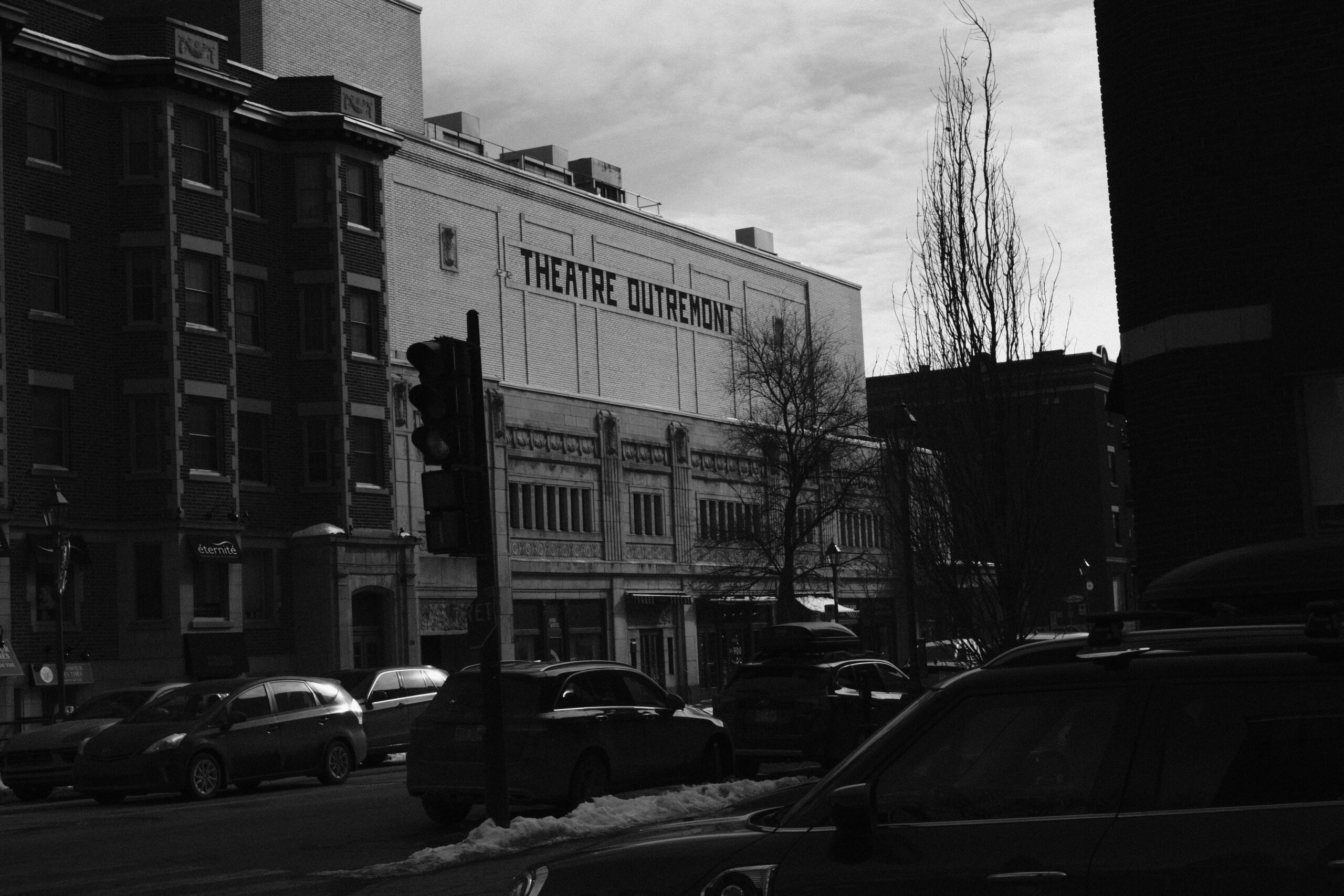
The Pittsburgh debut of the Italian translation of August Wilson’s acclaimed play Jitney marks more than a theatrical event—it represents a powerful moment in the global evolution of Black American storytelling, cultural exchange, and international theatre appreciation.
The production highlights the enduring influence of Wilson’s work far beyond the United States, demonstrating how themes of identity, struggle, resilience, race, and community continue to resonate across languages and cultures.
For August Wilson’s hometown of Pittsburgh, the debut also carries deep symbolic significance. Wilson’s plays are rooted in Pittsburgh’s Hill District, and bringing Jitney back to the city through an Italian adaptation creates a unique intersection between local history and global art.

Who Was August Wilson?
August Wilson is widely regarded as one of the greatest American playwrights of the 20th century.
Best known for his monumental “Pittsburgh Cycle” (also called the Century Cycle), Wilson wrote ten plays chronicling African American life across each decade of the 20th century.
His most celebrated works include:
- Fences
- Ma Rainey’s Black Bottom
- The Piano Lesson
- Joe Turner’s Come and Gone
- Jitney
Wilson’s writing explored:
- Systemic racism
- Economic hardship
- Family dynamics
- Black identity
- Migration
- Community survival
- Cultural memory
His work earned:
- Pulitzer Prizes
- Tony Awards
- International recognition
Today, Wilson’s plays remain staples of American theatre and academic study.
What Is “Jitney” About?
Originally written in 1979, Jitney centers on an unofficial taxi station in Pittsburgh’s Hill District during the 1970s.
The term “jitney” historically referred to informal cab services that operated in Black neighborhoods underserved by traditional transportation systems.
The play follows drivers navigating:
- Financial struggles
- Urban redevelopment
- Generational conflict
- Personal redemption
- Community change
At its heart, Jitney is about people trying to maintain dignity and connection amid social and economic instability.
Why the Italian Translation Matters
Translating Wilson’s work into Italian presents both artistic opportunities and cultural challenges.
Wilson’s dialogue is deeply rooted in:
- African American Vernacular English (AAVE)
- Jazz rhythms
- Oral storytelling traditions
- Black cultural references
Capturing those nuances in another language requires careful adaptation rather than direct word-for-word translation.
The Italian version demonstrates how universal Wilson’s themes are despite cultural differences.
Issues explored in Jitney—such as displacement, poverty, aging, and community identity—are recognizable worldwide.
The Global Reach of Black American Theatre
The production reflects a broader trend: growing international interest in African American literature and theatre.
Wilson’s work has been performed in:
- Europe
- Africa
- Asia
- Latin America
Global audiences increasingly connect with stories that address:
- Social inequality
- Historical trauma
- Human resilience
- Cultural identity
The international success of Wilson’s plays also challenges outdated assumptions that Black American stories are only culturally relevant within the United States.
Why Pittsburgh Remains Central to Wilson’s Legacy
Pittsburgh is inseparable from Wilson’s artistic identity.
The Hill District neighborhood where Wilson grew up heavily influenced his writing, characters, and themes.
Historically, the Hill District was:
- A center of Black culture
- A jazz hub
- A vibrant business community
However, urban redevelopment projects in the mid-20th century displaced many residents and disrupted community structures.
Wilson’s plays preserve these histories through storytelling.
Today, Pittsburgh continues working to preserve Wilson’s legacy through:
- Museums
- Public art
- Theatre festivals
- Educational programs
- Historic preservation initiatives

Translation as Cultural Preservation
The Italian adaptation also highlights the role translation plays in preserving and expanding cultural narratives.
Translation allows stories to:
- Reach new audiences
- Cross national boundaries
- Foster intercultural understanding
- Encourage artistic collaboration
However, translating culturally specific material raises important questions:
- How much should translators adapt?
- What cultural references should remain unchanged?
- Can rhythm and dialect survive translation?
These debates are common in global theatre productions.
The Challenge of Translating African American Vernacular English
One of the most difficult aspects of adapting Wilson’s work lies in translating AAVE authentically.
AAVE contains:
- Unique grammar structures
- Historical context
- Musical cadence
- Cultural meaning
Literal translations may lose emotional depth or cultural significance.
Many theatre translators instead focus on preserving:
- Emotional tone
- Character relationships
- Social dynamics
- Linguistic rhythm
This makes theatrical translation both a literary and performative art form.
Theatre as a Tool for Cultural Exchange
International productions of Wilson’s work create opportunities for audiences to engage with unfamiliar histories and experiences.
Theatre can:
- Build empathy
- Encourage dialogue
- Challenge stereotypes
- Highlight shared humanity
In an increasingly globalized world, productions like the Italian Jitney illustrate how local stories can become internationally meaningful.
The Continuing Relevance of “Jitney”
Although Jitney is set decades ago, many of its themes remain highly relevant today.
Modern audiences still confront:
- Gentrification
- Economic inequality
- Transportation inequities
- Community displacement
- Racial injustice
The play’s exploration of urban transformation resonates strongly in cities worldwide undergoing rapid redevelopment.
The Renaissance of August Wilson’s Work
Interest in Wilson’s plays has surged in recent years due to:
- Film adaptations
- Diversity initiatives in theatre
- Renewed conversations about race
- Academic scholarship
- Streaming access to performances
Younger generations are discovering Wilson’s work through both traditional theatre and modern media platforms.
Why Representation in Theatre Matters
Productions like this also reinforce the importance of representation in the arts.
Historically, Black playwrights faced limited opportunities in mainstream theatre industries.
Wilson’s success helped open doors for future generations of:
- Black playwrights
- Directors
- Actors
- Producers
Global adaptations further expand that influence.
Frequently Asked Questions (FAQs)
1. What is August Wilson’s “Jitney” about?
Jitney tells the story of unofficial taxi drivers in Pittsburgh’s Hill District as they navigate economic hardship, personal struggles, and community change.
2. Why is the Italian translation significant?
The translation expands Wilson’s work to international audiences and demonstrates the universal relevance of his themes.
3. Why is Pittsburgh important in Wilson’s plays?
Pittsburgh, especially the Hill District, served as the primary setting and inspiration for much of Wilson’s writing.
4. What challenges exist when translating Wilson’s work?
His dialogue relies heavily on African American Vernacular English, cultural references, and musical language patterns that are difficult to replicate directly in other languages.
5. Why is August Wilson considered influential?
Wilson transformed American theatre by centering Black experiences and documenting African American life across the 20th century.
6. Are Wilson’s plays performed internationally?
Yes. His plays have been staged worldwide and continue attracting global audiences.
7. What themes make “Jitney” still relevant today?
Themes such as gentrification, economic instability, racial inequality, and community identity remain highly relevant globally.
8. How does theatre support cultural exchange?
International theatre productions allow audiences to engage with different histories, cultures, and perspectives through storytelling and performance.
Final Thoughts
The Pittsburgh debut of the Italian translation of Jitney is more than a theatrical milestone—it is a celebration of how powerful storytelling transcends language and geography.
August Wilson’s work emerged from one neighborhood in Pittsburgh, yet its emotional truths continue traveling across borders, cultures, and generations. As theatre becomes increasingly global, productions like this demonstrate that stories rooted in specific communities can still speak to universal human experiences.
In bringing Jitney to Italian-speaking audiences while returning it symbolically to Pittsburgh, the production honors both local heritage and the worldwide reach of Black American art.

Sources Pittsburg Magazine

