
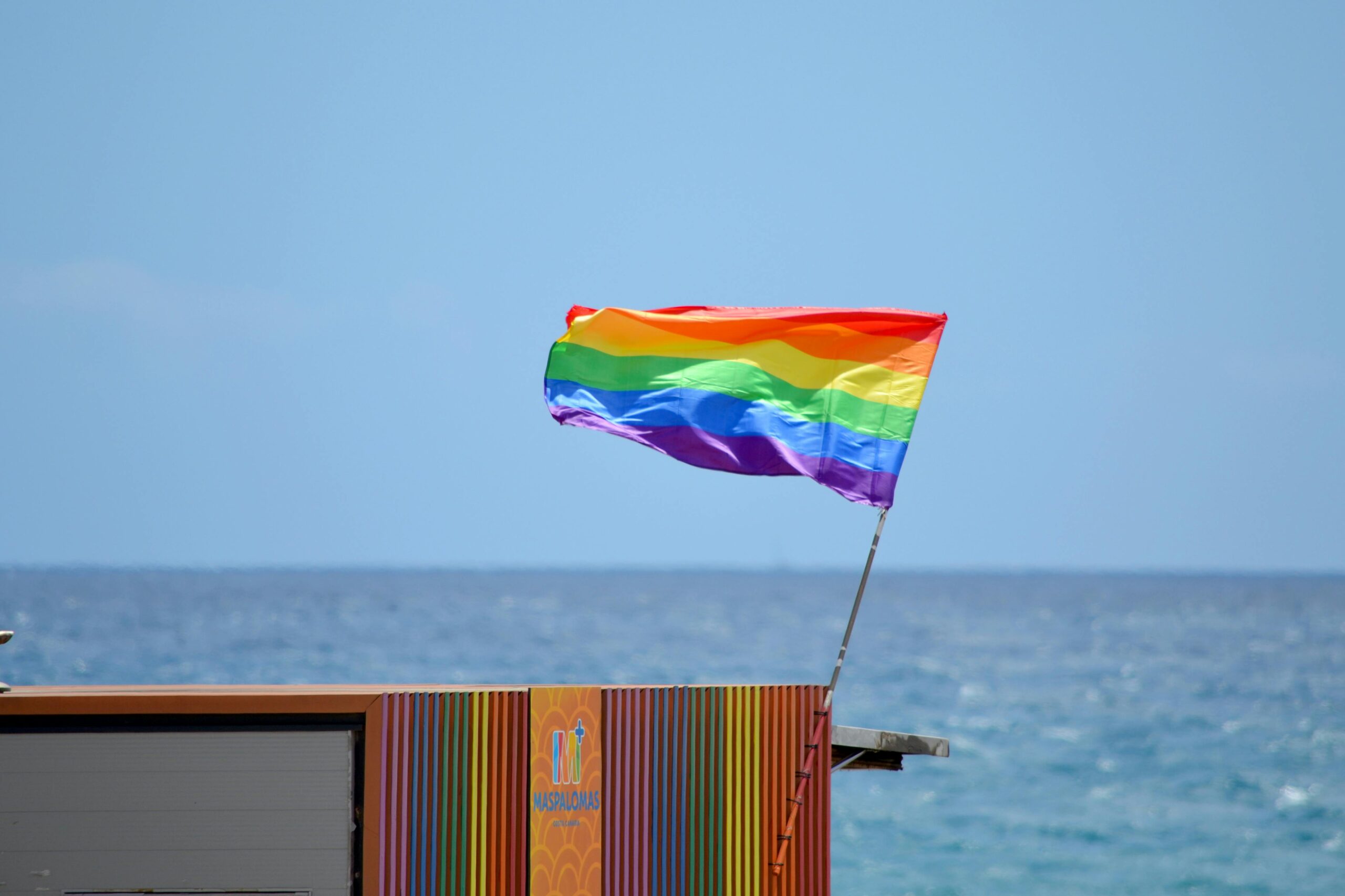
The decision to cut tourism funding for a Key West Pride event has ignited a broader national debate over diversity, equity, and inclusion (DEI) policies, public funding, LGBTQ+ rights, and the economic role of inclusive tourism in Florida.
The controversy emerged after local officials reportedly cited Florida’s evolving state restrictions on DEI-related spending when reducing or denying tourism-related support connected to the annual Pride celebration in Key West.
What may appear to be a local budgeting dispute has quickly evolved into a larger discussion about:
- Government funding priorities
- Political influence on tourism
- Corporate responses to culture-war legislation
- LGBTQ+ visibility in public events
- Economic impacts on destination branding
As tourism-dependent communities navigate shifting political landscapes, the Key West case reflects growing tensions between cultural identity, economic strategy, and state-level policymaking.
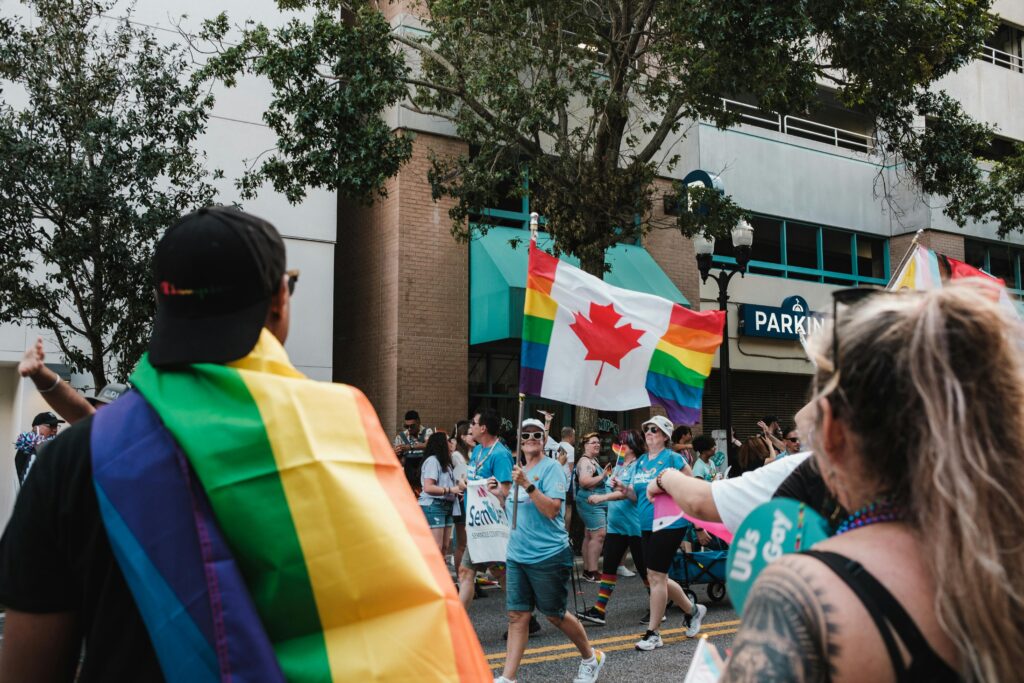
Why Key West Pride Matters Economically and Culturally
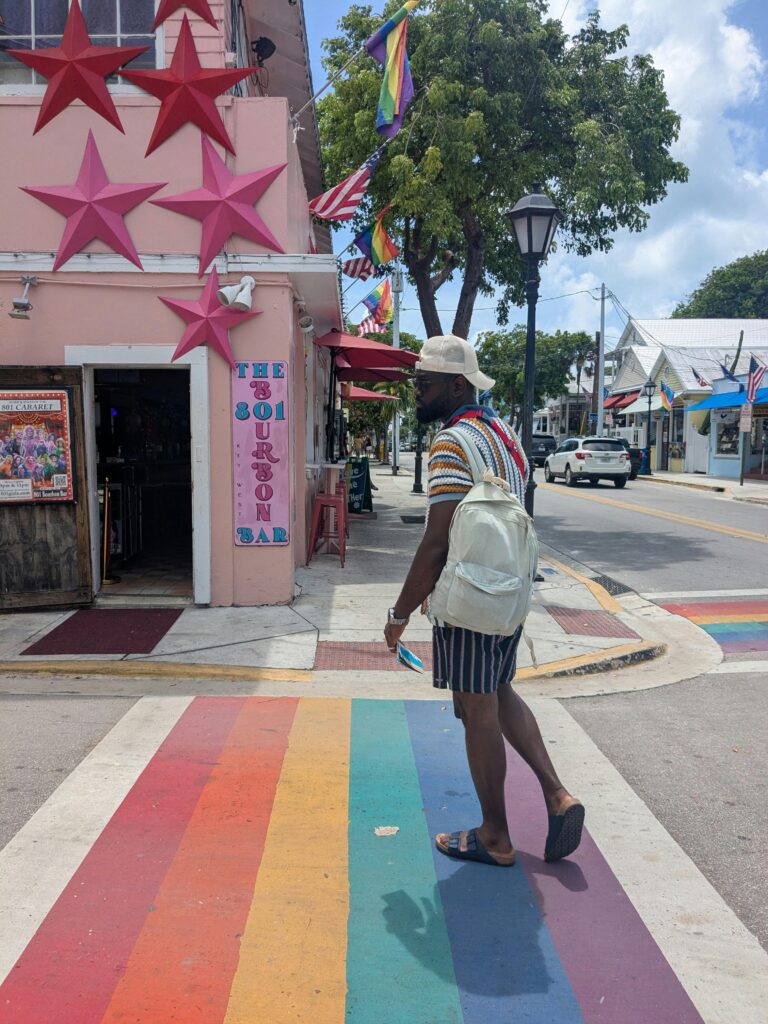
Key West has long been recognized as one of the most LGBTQ+-friendly destinations in the United States.
The city’s tourism identity has historically emphasized:
- Inclusivity
- Arts and culture
- Nightlife
- Festivals
- LGBTQ+ travel experiences
Pride events in Key West typically attract:
- Domestic tourists
- International visitors
- Hospitality spending
- Entertainment revenue
- Local business activity
For many businesses, festivals and Pride celebrations generate significant seasonal economic benefits.
The tourism sector supports:
- Hotels
- Restaurants
- Bars
- Retail shops
- Event organizers
- Transportation services
As a result, funding disputes involving tourism promotion can carry major economic implications beyond politics alone.
What Triggered the Funding Dispute?
The controversy reportedly stems from concerns over Florida laws and policies restricting certain government-supported DEI initiatives.
In recent years, Florida has enacted measures affecting:
- Public diversity programs
- Government-funded DEI initiatives
- Educational content
- Public institution policies
Some local officials expressed concern that supporting Pride-related tourism promotion could conflict with evolving state guidelines or expose agencies to political or legal scrutiny.
Supporters of the funding reduction argue tourism spending should remain politically neutral.
Critics argue the decision disproportionately targets LGBTQ+ communities and cultural events.
The Expanding Political Debate Around DEI
DEI—short for Diversity, Equity, and Inclusion—has become one of the most politically divisive topics in the United States.
Supporters of DEI initiatives argue they help:
- Promote equal opportunity
- Address historical discrimination
- Improve representation
- Foster inclusive workplaces and communities
Critics argue some DEI programs:
- Become politically ideological
- Prioritize identity over merit
- Expand government involvement excessively
The debate increasingly influences:
- Education
- Corporate policies
- Public funding
- Tourism marketing
- Cultural events
The Key West situation reflects how these national debates are now affecting local tourism economies.
Tourism and LGBTQ+ Travel Markets
LGBTQ+ tourism represents a major global travel segment.
Many destinations actively market themselves as LGBTQ+-friendly to attract travelers seeking:
- Inclusive environments
- Safe travel experiences
- Pride events
- Community-focused nightlife
- Cultural acceptance
The LGBTQ+ travel market contributes billions annually to the tourism industry worldwide.
Cities known for LGBTQ+ tourism often experience:
- Increased hotel occupancy
- Restaurant revenue growth
- Event-driven tourism spending
- International travel exposure
Destinations including:
- Miami
- San Francisco
- Provincetown
have historically benefited from strong LGBTQ+ tourism branding.
Why Businesses Are Watching Closely
The Key West controversy is also attracting attention from businesses and tourism operators concerned about Florida’s broader reputation.
Tourism industries rely heavily on:
- Public image
- Visitor perception
- Brand identity
- International appeal
Some travel organizations worry political disputes surrounding LGBTQ+ rights could:
- Affect destination competitiveness
- Discourage some travelers
- Influence convention and event planning
- Impact international tourism perceptions
Others argue most tourists prioritize:
- Cost
- Weather
- Attractions
- Safety
- Convenience
rather than political issues.
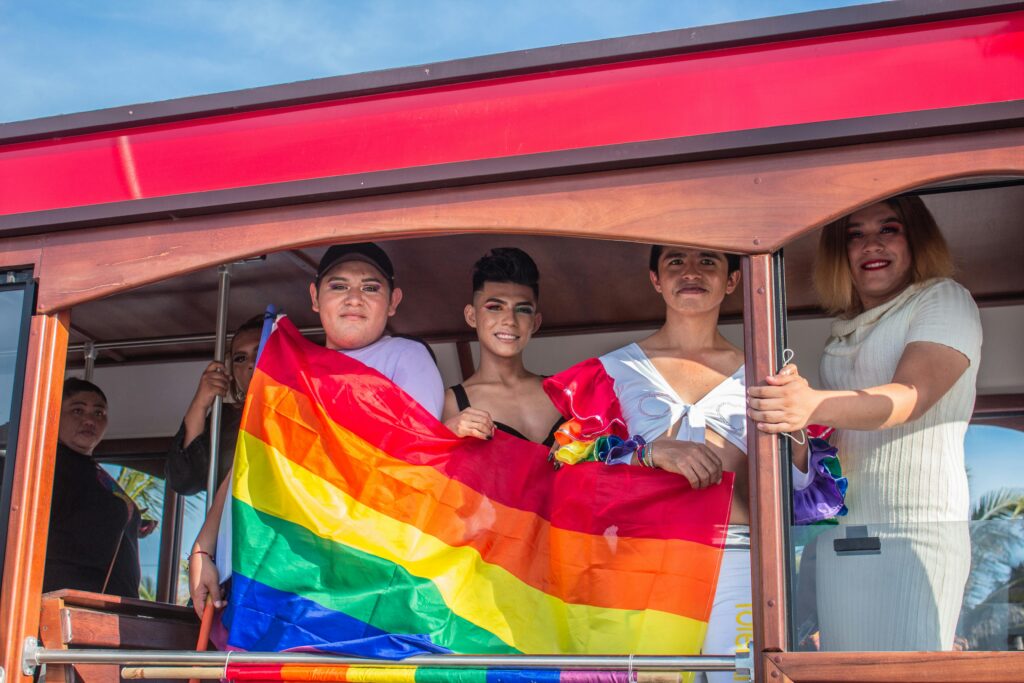
The Economic Risks of Politicizing Tourism
Tourism experts increasingly warn that political polarization can affect destination branding.
Controversial laws or cultural disputes may influence:
- Corporate event bookings
- International tourism campaigns
- Convention decisions
- Entertainment partnerships
Large-scale events often evaluate whether destinations align with their organizational values.
This has become increasingly relevant as companies face pressure from:
- Consumers
- Employees
- Activist groups
- Investors
The History of Pride Events as Tourism Drivers
Pride festivals originally emerged as political demonstrations advocating LGBTQ+ rights and visibility.
Over time, many Pride celebrations evolved into:
- Major tourism attractions
- Cultural festivals
- Economic drivers
- Corporate-sponsored events
Cities hosting large Pride events often benefit from:
- Increased tourism spending
- Hotel demand
- Restaurant traffic
- Media exposure
However, some critics argue commercialization has shifted focus away from activism toward corporate branding.
Florida’s Broader Tourism Challenges
Florida remains one of the world’s largest tourism destinations, attracting millions annually.
However, the state faces several ongoing challenges:
- Climate risks
- Hurricane threats
- Insurance costs
- Political controversies
- Infrastructure pressures
Despite political debates, Florida tourism numbers have generally remained strong in recent years.
Still, perception management remains critical for long-term tourism growth.
Free Speech and Public Funding Questions
The dispute also raises broader constitutional and ethical questions:
Should governments fund culturally specific events?
Some argue tourism funding should support events based solely on economic impact.
Others believe public funds should avoid supporting politically sensitive activities.
Can denying funding be viewed as discriminatory?
Critics argue selective funding decisions may disproportionately affect marginalized groups.
Supporters counter that governments have discretion over spending priorities.
These legal and political tensions may continue evolving through future court challenges and policy debates.
How Other Destinations Handle LGBTQ+ Tourism
Many global tourism boards actively market LGBTQ+ inclusivity as part of their economic strategy.
Countries and cities increasingly compete for:
- Pride tourism
- LGBTQ+ conventions
- Inclusive travel markets
Some destinations have introduced:
- LGBTQ+ travel certifications
- Inclusive hospitality training
- Diversity-focused marketing campaigns
At the same time, political backlash against DEI efforts is growing in various regions worldwide.
The Future of Inclusive Tourism Marketing
Tourism marketing is becoming increasingly tied to social and political identity.
Travelers now often evaluate destinations based on:
- Inclusivity
- Cultural values
- Safety
- Social climate
- Environmental responsibility
As a result, tourism boards face growing pressure to navigate politically polarized environments carefully.
The Key West case may become part of a larger national conversation about:
- Public funding
- Cultural representation
- Tourism branding
- Government neutrality
Frequently Asked Questions (FAQs)
1. Why was funding cut for the Key West Pride event?
Local officials reportedly cited concerns related to Florida’s evolving restrictions on DEI-related government spending and tourism funding policies.
2. What does DEI stand for?
DEI stands for Diversity, Equity, and Inclusion.
3. Why is LGBTQ+ tourism economically important?
LGBTQ+ travelers contribute significantly to tourism spending through hotels, restaurants, entertainment, festivals, and travel events.
4. How could funding cuts affect Key West tourism?
Critics argue reduced support could damage Key West’s inclusive tourism brand and potentially affect visitor perception and event-driven spending.
5. Are Pride events major tourism drivers?
Yes. Many Pride celebrations generate substantial economic activity through increased travel, hospitality demand, and entertainment spending.
6. Why are businesses concerned about political tourism controversies?
Political disputes can affect destination branding, convention bookings, international perceptions, and customer loyalty.
7. Can governments legally deny funding to certain events?
Government funding decisions often involve legal and constitutional considerations that vary depending on local, state, and federal laws.
8. Is Florida’s tourism industry still strong despite political debates?
Yes. Florida continues to attract millions of visitors annually, though debates about politics and public image remain part of ongoing tourism discussions.
Final Thoughts
The Key West Pride funding controversy reflects a growing intersection between politics, culture, and tourism economics in the United States.
As governments, businesses, and communities debate the role of DEI policies and public funding, tourism destinations increasingly find themselves navigating questions far beyond beaches, hotels, and visitor numbers. Today’s travelers often evaluate not only where they want to go—but what those places represent.
For Key West, a city long associated with artistic freedom and inclusivity, the outcome of these debates may shape not only future Pride events, but also the broader identity of one of America’s most recognizable tourism destinations.
Sources Tampa Bay Times

