
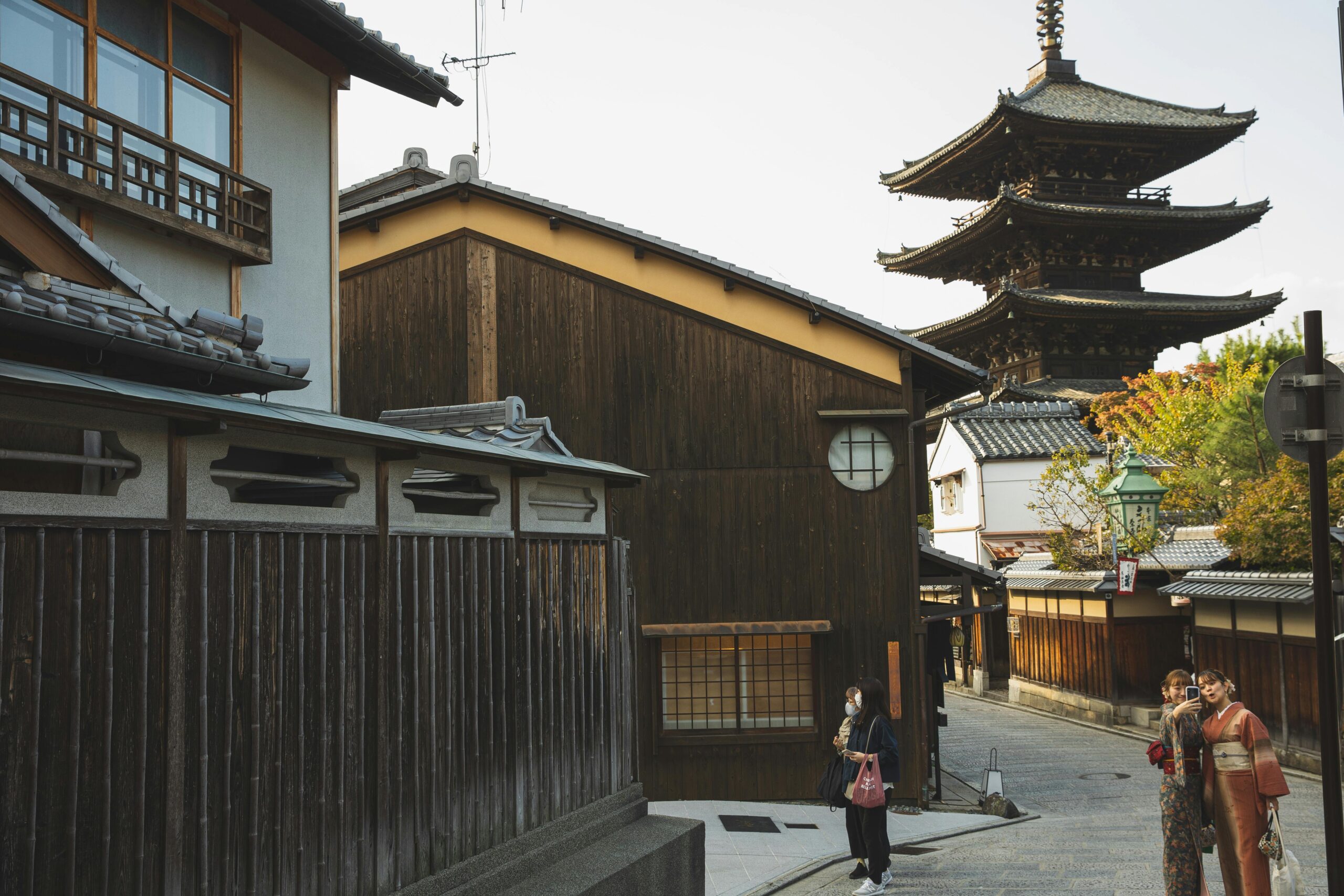
Japan’s tourism industry is experiencing a powerful post-pandemic resurgence, but the benefits are increasingly concentrated in a small number of destinations. According to recent tourism data and travel trends, the majority of international visitors continue to focus heavily on Kyoto and a limited group of prefectures, creating growing concerns about overtourism, infrastructure strain, and uneven regional economic development.
While Japan has worked aggressively to attract record numbers of tourists, the concentration of visitors in places like Kyoto, Tokyo, and Osaka is exposing major challenges for local communities, transportation systems, cultural heritage preservation, and sustainability planning.
At the same time, many rural and lesser-known regions across Japan continue struggling to attract meaningful tourism traffic despite government efforts to spread visitors more evenly throughout the country.
Why Japan’s Tourism Industry Has Rebounded So Strongly
Japan has become one of the world’s most popular travel destinations due to:
- Cultural heritage
- Food tourism
- Anime and pop culture
- Historical landmarks
- Efficient transportation
- Safety
- Seasonal attractions such as cherry blossoms and autumn foliage
Following the reopening of international travel after pandemic restrictions, visitor demand surged rapidly.
A weaker Japanese yen has also made Japan more affordable for many foreign travelers, further accelerating inbound tourism.
International visitors are especially drawn to:
- Temples and shrines
- Traditional neighborhoods
- Modern urban districts
- Ski resorts
- Hot springs
- Culinary experiences
Why Kyoto Remains a Tourism Magnet
Kyoto continues to dominate Japan’s tourism landscape because of its extraordinary concentration of historical and cultural attractions.
The city is famous for:
- Ancient temples
- Traditional tea houses
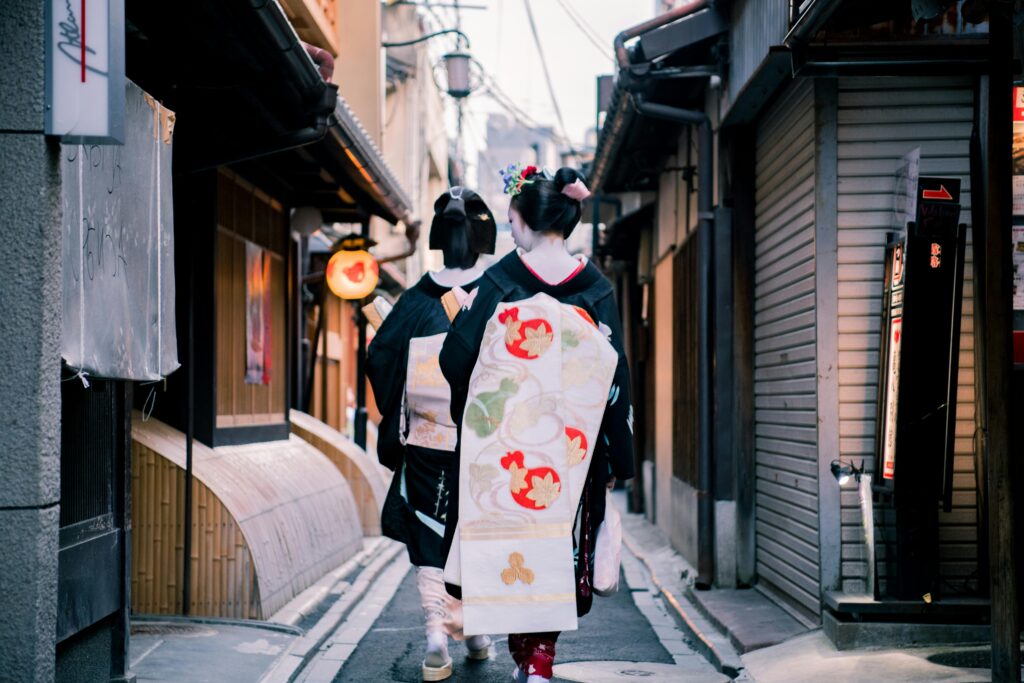
- Geisha districts
- Zen gardens
- Historic architecture
- Seasonal scenery
Popular sites include:
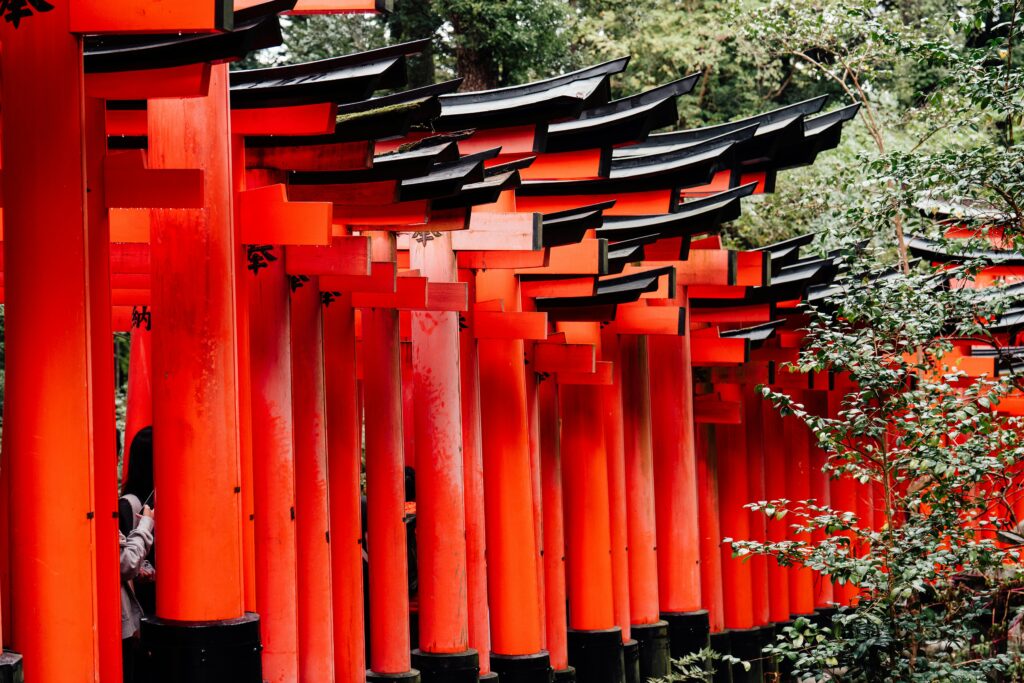
- Fushimi Inari Shrine
- Kinkaku-ji
- Arashiyama Bamboo Grove
Kyoto’s global image as the “traditional heart” of Japan continues attracting millions of tourists annually.
However, this popularity has also intensified local frustrations.
The Growing Problem of Overtourism
Overtourism occurs when visitor numbers exceed a destination’s capacity to manage them sustainably.
In Kyoto and other popular prefectures, residents have increasingly raised concerns about:
- Crowded public transportation
- Rising housing costs
- Tourist congestion
- Littering
- Noise
- Disruptive visitor behavior
Some local residents report difficulty using buses or accessing daily services during peak tourist seasons.
In historic districts, concerns also include:
- Damage to cultural heritage
- Unauthorized photography
- Disrespectful behavior at sacred sites
Social Media Is Reshaping Tourism Patterns
Platforms such as Instagram, TikTok, and YouTube have dramatically influenced where tourists travel in Japan.
Viral travel content often concentrates visitors at:
- Specific photo locations
- Scenic viewpoints
- Cafes
- Shrines
- Hidden alleys
As a result, certain areas experience sudden tourism surges that local infrastructure may not be prepared to handle.
This phenomenon is sometimes referred to as “Instagram tourism” or “viral destination tourism.”
Why Tourism Is Not Spreading Evenly Across Japan
Despite government campaigns encouraging regional tourism, most foreign travelers continue clustering in a small number of prefectures.
Several factors contribute to this imbalance:
1. International Awareness
Many tourists are unfamiliar with lesser-known regions outside Japan’s major tourism corridor.
2. Transportation Convenience
Tokyo, Kyoto, and Osaka are highly connected by:
- Bullet trains
- Airports
- Tourist infrastructure
Rural destinations may be harder to access.
3. Language Barriers
Smaller regions often have fewer multilingual services and tourism resources.
4. Travel Time Constraints
Many visitors have limited vacation schedules and prioritize famous destinations.
Rural Japan Wants More Tourists
Many regional communities in Japan face:
- Population decline
- Aging demographics
- Economic stagnation
Tourism is increasingly viewed as a potential solution for revitalization.
Local governments are promoting:
- Eco-tourism
- Cultural tourism
- Farm stays
- Regional cuisine
- Traditional crafts
- Nature tourism
Some prefectures are investing heavily in:
- Multilingual signage
- Tourism marketing
- Digital campaigns
- International partnerships
The Economic Benefits of Tourism Concentration
Popular tourism hubs generate enormous economic activity through:
- Hotels
- Restaurants
- Retail shopping
- Transportation
- Entertainment
- Cultural attractions
Tourism contributes significantly to Japan’s economy and supports millions of jobs nationwide.
Luxury tourism and high-spending international visitors have become especially important economic drivers.
The Downsides of Heavy Tourism Dependence
However, excessive tourism concentration also creates risks.
Destinations heavily dependent on tourism may become vulnerable to:
- Global economic downturns
- Pandemics
- Natural disasters
- Currency fluctuations
- Political tensions
The COVID-19 pandemic exposed how fragile tourism-dependent economies can become when international travel suddenly collapses.
Japan’s Efforts to Manage Overtourism
Japanese authorities are increasingly introducing measures to reduce pressure on overcrowded destinations.
Strategies include:
- Tourist taxes
- Reservation systems
- Visitor caps
- Crowd management technology
- Alternative destination campaigns
Some cities are encouraging travelers to:
- Visit during off-peak seasons
- Explore rural areas
- Travel beyond major tourist routes
Technology Is Helping Monitor Tourist Flows
Japan is increasingly using technology to manage tourism demand.
Emerging tools include:
- AI-powered crowd forecasting
- Real-time congestion monitoring
- Smart tourism apps
- Digital ticketing systems
- Data-driven visitor analysis
These technologies help authorities predict overcrowding and improve visitor distribution.
The Cultural Preservation Challenge
One major concern is preserving Japan’s cultural heritage while accommodating mass tourism.
Historic sites face risks such as:
- Physical wear and tear
- Commercialization
- Loss of authenticity
- Cultural disruption
Some residents fear traditional neighborhoods may become overly commercialized or transformed primarily for tourists.
Balancing preservation with economic growth remains a major challenge.
Sustainable Tourism Is Becoming a National Priority
Japan increasingly promotes sustainable tourism policies focused on:
- Environmental protection
- Community engagement
- Cultural preservation
- Responsible travel behavior
The government and tourism agencies encourage visitors to:
- Respect local customs
- Avoid overcrowding
- Support local businesses
- Reduce waste
Sustainable tourism is becoming central to Japan’s long-term tourism strategy.
The Rise of Luxury and Experiential Tourism
Japan is also shifting toward attracting:
- Higher-spending visitors
- Longer stays
- Cultural immersion travelers
- Wellness tourism
- Nature-focused experiences
Rather than maximizing visitor volume alone, some policymakers aim to improve tourism quality and regional economic impact.
The Future of Tourism in Japan
Japan’s tourism industry is expected to continue growing strongly in coming years.
However, future success may depend on:
- Better regional tourism distribution
- Infrastructure investment
- Sustainable planning
- Cultural preservation
- Community support
Without careful management, overtourism pressures could intensify in already crowded destinations.
At the same time, many rural areas may continue missing out on tourism’s economic benefits unless visitor flows become more balanced.
Frequently Asked Questions (FAQs)
1. Why are most tourists concentrated in Kyoto and a few prefectures?
Major destinations such as Kyoto, Tokyo, and Osaka are internationally famous, easier to access, and heavily promoted globally.
2. What is overtourism?
Overtourism occurs when visitor numbers exceed a destination’s ability to manage tourism sustainably without harming local communities or infrastructure.
3. Why is Kyoto especially affected by overtourism?
Kyoto contains many of Japan’s most famous cultural landmarks and attracts large numbers of domestic and international tourists year-round.
4. How is Japan trying to reduce overcrowding?
Authorities are using visitor caps, tourism taxes, crowd management systems, and campaigns promoting regional travel destinations.
5. Why do rural areas want more tourists?
Many rural communities face economic decline and population loss, making tourism an important source of potential economic revitalization.
6. How does social media contribute to overtourism?
Viral travel posts often concentrate visitors at specific attractions, increasing congestion and strain on local infrastructure.
7. What role does technology play in tourism management?
Japan uses AI, smart tourism systems, and real-time data analysis to monitor crowd levels and improve visitor distribution.
8. Is Japan promoting sustainable tourism?
Yes. Japan increasingly emphasizes responsible tourism practices focused on cultural preservation, environmental protection, and community well-being.
Final Thoughts
Japan’s tourism boom highlights both the opportunities and challenges of becoming one of the world’s most sought-after travel destinations.
While cities like Kyoto continue benefiting economically from global tourism demand, the growing concentration of visitors is placing pressure on infrastructure, communities, and cultural heritage. At the same time, many regional areas remain eager for tourism investment and international attention.
The future of Japanese tourism may ultimately depend on finding a balance between popularity and preservation—ensuring that the country can welcome millions of visitors while protecting the traditions, landscapes, and local communities that make Japan unique in the first place.
Sources Japan Today

