
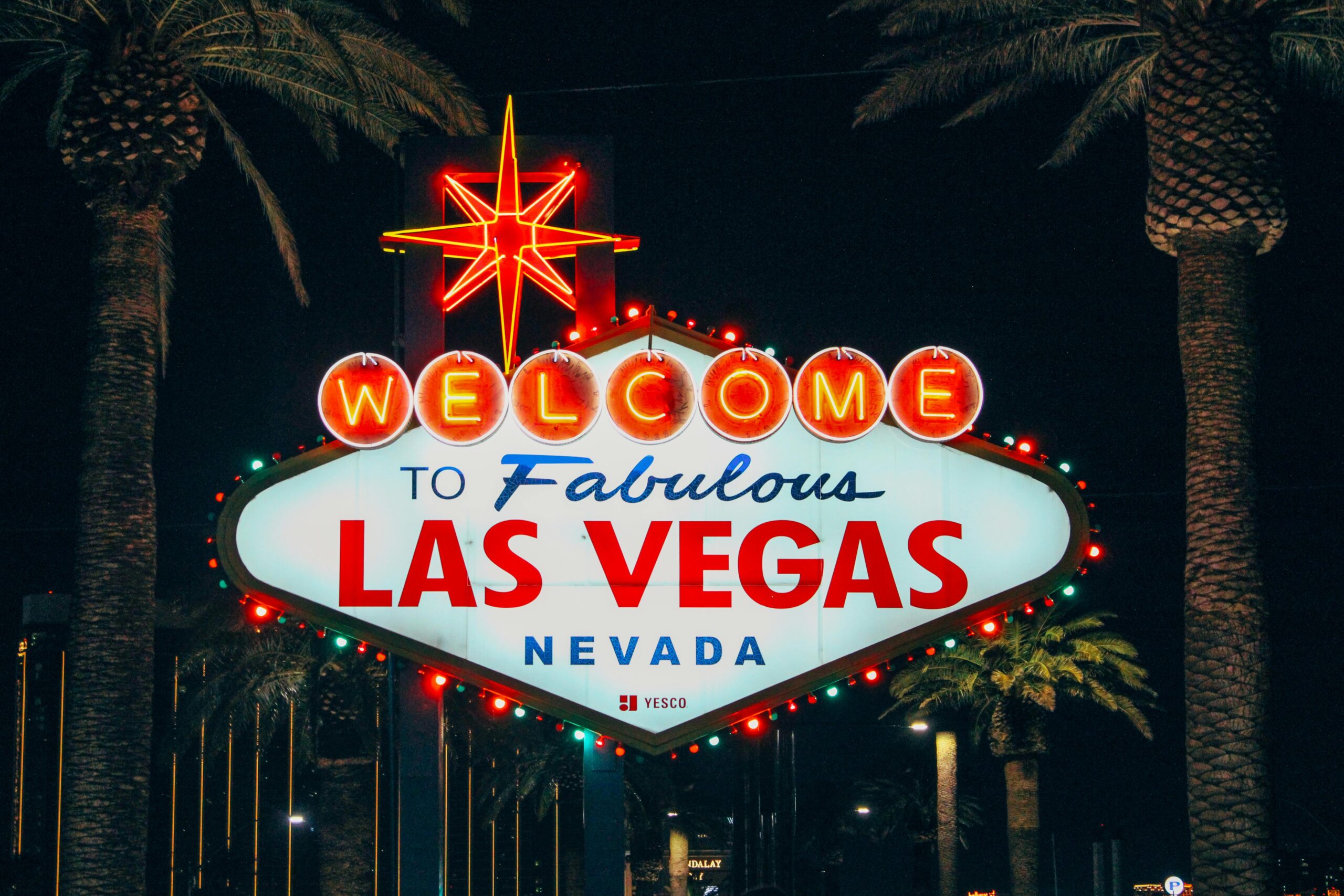
Las Vegas has long been synonymous with spectacle: mega-resorts, bright lights, endless entertainment, gambling, and over-the-top indulgence. But in recent years, cracks in the façade have begun to show. From declining tourist satisfaction and over-reliance on gambling to affordability pressures, competition, and sustainability concerns, Las Vegas is confronting a set of challenges that threaten its status as an unassailable tourist mecca.
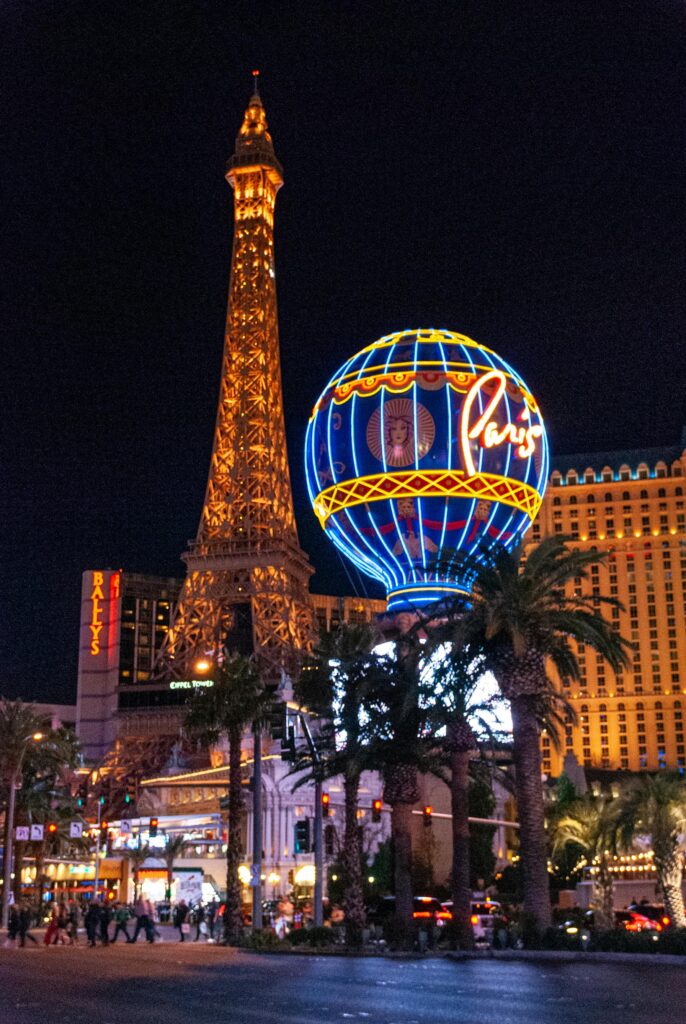
The New York Times article (which we can’t access directly here) argues that Las Vegas is losing some of its luster—but to understand why, we must look deeper at underlying shifts and vulnerabilities.
The Signs of Strain
1. Declining Satisfaction & Fading Novelty
- Many visitors report that parts of the city feel tired. The sense of awe that once came from seeing the Strip is fading for those who have seen it multiple times.
- Experiences are less novel: rides, shows, and attractions that once seemed fresh are now replicated or copied elsewhere.
- The contrast between marketing and reality—crowded corridors, long waits, and service inconsistencies—erodes trust in the “brand.”
2. Affordability Pressures
- As costs for hotels, food, transport, entertainment, and “resort fees” rise, the value proposition weakens—particularly for middle-tier travelers.
- Many long-time Vegas fans feel priced out and turn to alternative destinations that deliver more perceived value.
- Rising labor, energy, and real estate costs in Las Vegas also push up operating margins, which pass to consumers.
3. Gambling Overdependence and Revenue Volatility
- A disproportionate share of Las Vegas’s tourism revenue still comes from gambling, which is inherently volatile and sensitive to economic cycles.
- Declines in gambling participation—especially among younger generations less interested in traditional table games—are a risk.
- Casinos compete fiercely on inducements (free play, comps, loyalty points), which erode margins and sustainability.
4. Heightened Global and Domestic Competition
- Other cities and resorts—even in the U.S.—are becoming more aggressive: Miami, Orlando, Dubai, Macau, and new integrated resorts in Asia.
- Some destinations can undercut Vegas on cost (taxes, labor, regulation) or offer more focused luxury or theme-based experiences.
- Many international travelers now see Vegas as an expensive “add-on” destination rather than the main draw.
5. Seasonality, Infrastructure, and Overcrowding
- Peak periods (holidays, major events, conventions) still draw huge crowds, but off-peak downtime is more pronounced.
- Infrastructure (roads, transit, parking) around the Strip and resort areas is strained, leading to visitor friction.
- Overcrowding in certain zones diminishes the leisurely experience many tourists seek.
6. Changing Consumer Preferences
- More travelers prioritize experience over spectacle—nature, wellness, cultural authenticity—not just gambling or shows.
- Younger cohorts may prefer immersive, boutique, or eco-conscious travel, which clashes with mass-market Vegas.
- The lingering aftereffects of the pandemic have made many travelers more cautious or selective in their destination choices.
7. Regulation, Taxes, and Labor Challenges
- Cities like Las Vegas must balance growth and taxation; rising municipal costs, regulation, and labor wage pressure raise the floor.
- Skilled labor shortages, especially in hospitality, technology, and entertainment, strain service levels.
- State and local regulatory changes (e.g. limitations on gaming expansion, environmental rules) could impose new constraints.
What Las Vegas Is Doing (or Could Do) to Reinvent Itself
Diversifying Beyond Gaming
- Expanding non-gaming attractions: immersive art, esports arenas, wellness retreats, experiential installations.
- Branding itself as a sports and convention hub for events like Formula 1, Super Bowl, major concerts, residencies.
- Investing in family-friendly, daytime entertainment to broaden audience appeal.
Branding & Experience Innovation
- Creating themed districts (arts, innovation, food districts) to reduce the “one big Strip” monoculture.
- Encouraging idiosyncratic boutique hotels and off-Strip curiosities to capture niche markets.
- Emphasizing sustainable luxury and green building retrofits as differentiators.
Infrastructure & Mobility Upgrades
- Improving public transit (monorail expansions, bus rapid transit) to reduce reliance on cars.
- Upgrading pedestrian zones, walkability, and guest-friendly wayfinding.
- Investing in digital infrastructure—5G, apps, AR guides, smart hotel services.
Pricing & Value Strategies
- Bundled packages (hotel + shows + meals) to simplify decision-making and reduce perceived risk.
- Loyalty and membership models that reward repeat visitors without eroding margins.
- Dynamic pricing that tempers extremes—e.g. less volatility between peak and off-peak.
Policy & Regulation
- Collaboration with state regulators to revise gaming rules, taxation, and land-use flexibility.
- Workforce development initiatives to train hospitality, tech, and creative talent locally.
- Zoning and development policies that preserve key corridors, open space, and balanced growth.
Risks and Trade-Offs
- Overcorrection: Too much change may alienate loyal casino-first visitors.
- Capital investment risk: Large-scale innovations require long-term ROI bets.
- Fragmentation: If offerings become scattered, the city may dilute its brand identity.
- Sustainability paradox: Infrastructure expansion can damage the very experience Las Vegas sells.
- External shocks: Economic recessions, pandemics, security, energy prices may still deliver shocks beyond control.
Frequently Asked Questions
| Question | Answer |
|---|---|
| Is Vegas really declining? | Not catastrophically—but visitor metrics, satisfaction, and trust are under pressure. |
| Why does Vegas rely so much on gambling? | Because it generates high margins and historically has been the core revenue driver. |
| Are non-gaming revenues rising? | Yes—hotels, shows, food & beverage, entertainment, and experiences are growing parts of the portfolio. |
| Do younger visitors gamble as much? | Generally no—they prefer experiences, social media-worthy moments, and alternative entertainment. |
| Is it too late to reinvent Vegas? | No—but timing, capital execution, and leadership vision are critical. |
| Which cities are Vegas’s main competitors? | Miami, Dubai, Macau, Singapore, Orlando, and major integrated resorts in Asia. |
| How much does global tourism affect Vegas? | Significantly—international visitors often spend more, book longer stays, and travel for destination vacations. |
| Can Vegas appeal to value-seeking tourists? | Yes—through packaging, price sensitivity, and new mid-tier offerings. |
| Will mega-events (Super Bowl, Olympics) help? | Absolutely—such events can reset brand perception and deliver massive influxes. |
| What’s the core path forward? | Diversification, better mobility, pricing innovation, brand refresh, and sustainable growth. |
Conclusion
Vegas has dazzled the world with extravagance, excess, and gamble-on-glory. But as times change, it must evolve—or risk becoming a relic of its own mythology.
Part of the magic will survive—the lights, the boldness—but the next chapter must lean smarter, more inclusive, more sustainable, and more attuned to shifting values. If Las Vegas can embrace change while preserving its spirit, it can remain not just a spectacle, but a world-leading destination that grows with its guests.
Sources The New York Times

