
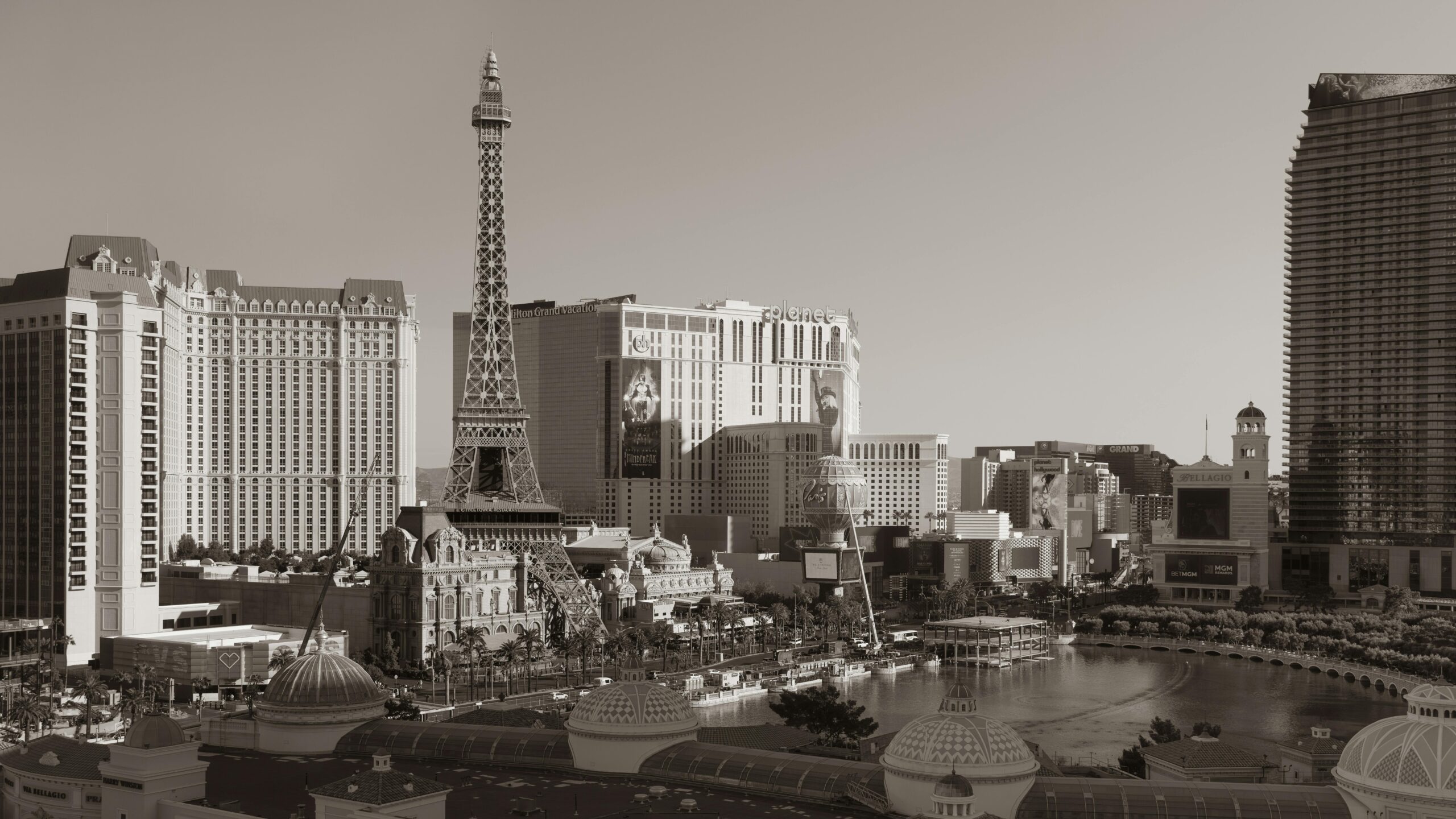
For decades, Las Vegas has operated on an unshakeable formula: booming tourism, packed casinos, full hotels, and a steady flow of visitors eager to spend on entertainment, dining, and nightlife. But that formula is cracking.
Businesses across the Las Vegas Valley are reporting sharp drops in customer traffic, weaker spending, and rising operational costs. From hotel casinos to small restaurants, the slowdown is hitting harder than many expected — and it’s raising questions about the city’s long-term resilience.
The referenced reporting highlights the strain on local businesses, but the full picture is broader and more complex. To understand what’s happening, we need to look at a mix of economic pressures, shifting tourist behavior, inflation-driven cost increases, and structural vulnerabilities that have long been hidden beneath the city’s neon glow.
This expanded article paints a more comprehensive view of Las Vegas’ tourism downturn — what’s causing it, what businesses are facing, and what the future might look like.
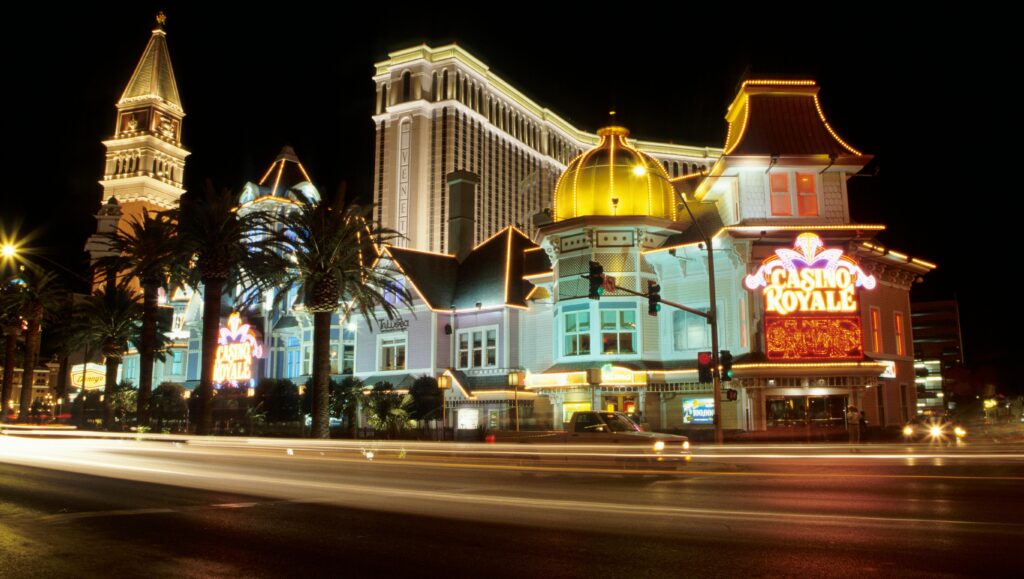
1. A Perfect Storm: Why Tourism Is Declining in Las Vegas
Las Vegas thrives on volume. When visitor numbers dip even slightly, the effects ripple quickly across the economy. Today’s slowdown is driven by multiple factors converging at once.
A. Rising Travel and Entertainment Costs
Visitors are spending significantly more on:
- airfare
- hotels (resort fees continue rising)
- rideshares
- dining
- entertainment tickets
- parking
Even budget-conscious travelers, once the backbone of Vegas tourism, now find the city less affordable.
B. Inflation Has Squeezed Disposable Income Nationwide
As everyday costs rise across the U.S., many Americans are choosing:
- shorter trips
- regional road travel instead of flights
- cheaper destinations like Phoenix, Denver, or smaller gambling markets
- fewer high-priced activities
Discretionary travel is often the first expense households cut.
C. Decline in “Low-Roller” Tourism
Las Vegas has increasingly focused on high-end, luxury visitors. But this shift:
- alienates budget travelers
- reduces foot traffic on the Strip
- lowers small-business survival rates
- concentrates spending in corporate-owned resorts instead of local shops
The strategy boosts margins for mega-resorts but harms long-tail businesses.
D. Corporate and Convention Travel Has Not Fully Rebounded
Convention attendance drives weekday hotel occupancy and restaurant business. While some marquee events have returned:
- corporate travel budgets remain tight
- hybrid conferences reduce session lengths
- fewer attendees stay extra days for leisure
This leaves major gaps in midweek revenue.
E. Competition From Other Gambling & Entertainment Destinations
More states now offer:
- casinos
- sports betting
- entertainment districts
- integrated resort experiences
Cities like Atlanta, Miami, Nashville, and Austin are gaining popularity, pulling potential visitors away from Las Vegas.
F. International Tourism Recovery Is Uneven
Visitors from Asia and Europe — key segments — have not fully returned due to:
- strong U.S. dollar
- expensive long-haul flights
- lingering visa delays
- global economic uncertainty
International travelers spend more per trip, so their absence hits especially hard.
2. The Impact on Local Businesses: A Strain Felt Across the Valley
While casinos can absorb fluctuations, small and mid-sized businesses feel the slowdown more sharply.
Local owners report:
- fewer walk-ins
- lower tipping rates
- smaller average checks at restaurants
- increased cancellations
- reduced demand for tours and attractions
- difficulty covering rent and payroll
Some stores on and off the Strip say business is down 20–40% compared with pre-pandemic trends.
3. What Rising Costs Look Like Behind the Scenes
The slowdown isn’t just about fewer tourists — it’s about higher operating expenses.
Businesses are paying more for:
- rent
- insurance
- utilities
- employee wages (due to staffing shortages)
- food and beverage supplies
- maintenance and property taxes
The combination of thinner crowds and higher overhead creates an unsustainable squeeze, especially for family-run restaurants and independent shops.
4. What the Original Reporting Didn’t Fully Cover
Several deeper trends help explain the current crisis and its potential long-term consequences.
A. Las Vegas’ Economic Model Is Vulnerable
Because the city relies so heavily on tourism:
- any dip in visitors
- any spike in costs
- any disruption in travel
immediately impacts local jobs and small-business survival.
B. Automation Inside Casinos Is Increasing
To reduce labor costs, many resorts are adopting:
- automated check-in
- robotic bartenders
- self-service kiosks
This helps big corporations but reduces hospitality jobs that once supported thousands of locals.
C. The Shift Toward High-End Tourism Has Side Effects
While luxury travel yields high profit margins, it:
- reduces accessibility for average tourists
- narrows the target market
- creates greater volatility during economic downturns
Las Vegas risks becoming a “luxury-first city” that excludes the very visitors who fueled its rise.
D. Housing Costs for Workers Are Rising Too
Las Vegas locals face:
- skyrocketing rents
- home prices beyond wage growth
- increased commuting costs
This reduces consumer spending within the city, weakening local demand.
E. Weather and Climate Issues Are Emerging Risks
Intense summer heat has become a deterrent for some visitors. Longer, hotter summers may depress tourism during what were once peak months.
5. What Las Vegas Can Do to Recover
Experts say the city needs a multi-layer response:
1. Reinvest in mid-range and budget tourism
Affordable options bring volume that supports local businesses.
2. Strengthen local entertainment
More free events, festivals, and non-gambling attractions can broaden appeal.
3. Expand marketing to international markets
Especially in Canada, Latin America, and Europe.
4. Support small businesses with tax incentives or grants
To help them survive the high-cost climate.
5. Improve transportation
Better connections between downtown, the Strip, and surrounding neighborhoods.
6. Diversify the economy
More investment in technology, healthcare, and logistics could reduce reliance on tourism.
Frequently Asked Questions
Q1: Why are fewer tourists visiting Las Vegas right now?
High travel costs, inflation, weaker convention attendance, and competition from other destinations are major factors.
Q2: Are hotel prices rising too fast?
Yes — resort fees, room rates, and dining costs have all climbed, making the city less accessible for budget travelers.
Q3: How are small businesses being affected?
They report fewer customers, lower spending, and high operating costs, making it difficult to stay profitable.
Q4: Is international tourism still low?
Yes. Visitors from Asia and Europe remain below pre-pandemic levels, partly due to high travel costs and strong U.S. dollar.
Q5: Will Las Vegas recover?
Most analysts believe it will, but only with strategic adjustments. Tourism cycles fluctuate, but the current slowdown highlights structural issues.
Q6: Are casinos struggling too?
Big resorts are more insulated, but they are cutting labor costs and monitoring spending patterns closely.
Q7: What can the city do to attract tourists again?
Strengthen marketing, improve affordability, and diversify entertainment offerings beyond gambling and luxury nightlife.
Final Thoughts
Las Vegas is no stranger to disruption — the city has reinvented itself many times. But today’s slowdown reveals a deeper reality: the old model of unlimited tourism, low prices, and constant growth is no longer guaranteed.
To thrive in the future, Las Vegas must balance luxury with accessibility, support local businesses, and broaden its appeal. If the city can adapt, it will not only recover — it will redefine what the next generation of tourism looks like.
Sources 3LV News

