
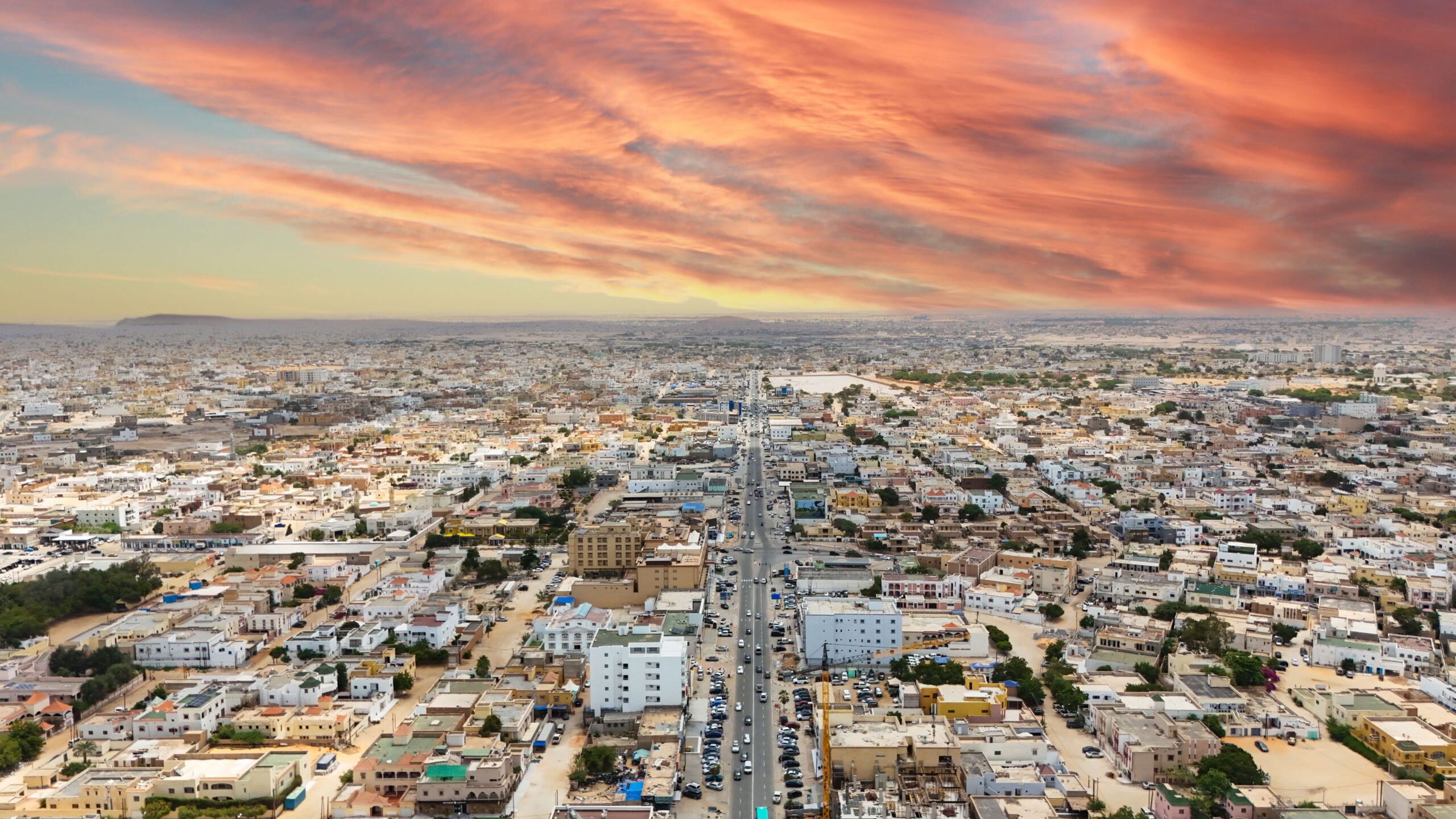
For years, Mauritania was largely absent from international travel itineraries. Once known among adventurous travelers for its vast Sahara landscapes, ancient caravan cities, and unique desert culture, the country saw tourism collapse after a series of deadly attacks linked to extremist groups in the late 2000s.
Today, however, Mauritania is attempting an ambitious comeback.
After more than a decade without major terrorist attacks on tourists, government officials, local communities, and tourism operators are working to reposition the country as one of the last places where travelers can experience the Sahara in its most authentic form. The effort comes as growing instability elsewhere in the Sahel has paradoxically made Mauritania one of the region’s more stable destinations.
The challenge is enormous: rebuilding an industry that virtually disappeared while convincing international travelers that Mauritania is no longer defined by the security fears that once drove visitors away.

How Mauritania Lost Its Tourism Industry
Before security concerns dominated headlines, Mauritania attracted roughly 30,000 tourists annually.
Much of that traffic came from:
- France
- Spain
- Germany
- Adventure tourism operators
- Dakar Rally followers
- Cultural heritage enthusiasts
The country’s tourism sector suffered a devastating blow in 2007 when four French tourists were killed near the town of Aleg in an attack linked to extremist groups. Additional security incidents in subsequent years reinforced perceptions that Mauritania was unsafe for international visitors. Tourist arrivals plummeted, and many tour operators removed the country from their itineraries.
For local communities that depended on tourism income, the consequences were severe.
Guesthouses closed. Guides lost work. Traditional handicraft markets shrank. Entire regions that had benefited from seasonal visitors saw economic opportunities disappear.
A Security Transformation
One of the most significant developments behind Mauritania’s tourism revival is the country’s security strategy.
Unlike several neighboring countries in the Sahel, Mauritania has largely avoided the widespread insurgent violence that has affected parts of:
- Mali
- Burkina Faso
- Niger
The government implemented a combination of military reforms, border security improvements, intelligence operations, and community-based counter-extremism initiatives. Religious leaders were also involved in efforts to discourage radicalization and strengthen social cohesion.
Perhaps the most remarkable statistic is that Mauritania has reported no major terrorist attacks targeting tourists since 2011.
This relative stability has become a key selling point in the country’s tourism marketing efforts.
The Sahara’s Hidden Gem


Mauritania possesses attractions that few destinations can match.
The country is approximately 90% desert, offering landscapes that many travelers associate with classic images of the Sahara.
Among its most famous attractions is the Richat Structure, often called the “Eye of Africa.”
Richat Structure is a massive geological formation approximately 40 kilometers in diameter. Visible from space, its concentric rings have inspired theories ranging from ancient civilizations to the legendary lost city of Atlantis. Scientists, however, view it as a remarkable geological phenomenon formed through natural processes.
For many visitors, the Richat Structure has become the symbol of Mauritania’s tourism revival.
Ancient Cities of the Desert
Beyond natural wonders, Mauritania is home to some of the Sahara’s most important historical settlements.
Chinguetti is one of the region’s most celebrated ancient caravan cities.
Founded centuries ago as a trading and religious center, Chinguetti contains:
- Historic stone architecture
- Ancient Islamic manuscripts
- Traditional libraries
- Desert trading heritage
- UNESCO-recognized cultural significance
Nearby settlements such as Ouadane preserve additional evidence of the trans-Saharan trade networks that once connected West Africa, North Africa, and the Middle East.
These sites offer travelers an opportunity to experience living history in ways few destinations can replicate.
The Viral Appeal of the Iron Ore Train
One attraction that barely existed on international tourism radar a decade ago has become an internet sensation.
The Mauritania Iron Ore Railway transports iron ore across the desert and is often described as one of the world’s most unusual travel experiences.
Stretching hundreds of kilometers, the train links mining operations in the interior to the Atlantic coast.
Adventure travelers frequently ride atop ore wagons through the Sahara, creating dramatic social media images that have helped raise awareness of Mauritania among younger travelers.
While physically demanding, the experience has become one of the country’s most recognizable tourism products.
Tourism as an Economic Lifeline
For many communities, tourism represents more than sightseeing.
It provides income through:
- Guiding services
- Accommodation
- Transportation
- Handicrafts
- Food services
- Cultural experiences
The Al Jazeera report highlighted local residents near the Richat Structure who earn income by hosting travelers, selling souvenirs, and providing desert hospitality experiences.
In remote desert regions where economic opportunities can be limited, even modest increases in visitor numbers can have significant local impacts.
Signs of Recovery
The recovery remains gradual but measurable.
After visa fees were reduced from €120 to €40, tourist arrivals increased significantly before the pandemic. Authorities report that approximately 7,000 visitors have already been recorded during 2026, suggesting continued momentum in the sector’s recovery. Tourist arrivals had previously increased by 166% between 2018 and 2019.
International travel writers have also begun highlighting Mauritania as an emerging destination.
Several adventure tourism publications now describe the country as one of the few remaining places where travelers can explore large portions of the Sahara relatively freely.
Challenges Still Remain
Despite the optimism, Mauritania faces significant obstacles.
Infrastructure Limitations
Tourism infrastructure remains underdeveloped compared to destinations such as Morocco, Tunisia, or Egypt.
Challenges include:
- Limited hotel capacity
- Long travel distances
- Sparse transportation networks
- Limited digital connectivity
- Restricted tourism services outside major routes
International Perceptions
Many foreign governments continue to issue cautious travel advisories for parts of Mauritania.
Although security conditions have improved substantially, changing international perceptions often takes years.
Regional Instability
Mauritania’s location within the Sahel means that instability in neighboring countries can still affect traveler confidence.
Ongoing violence in parts of Mali continues to generate refugee flows into Mauritania and reinforces concerns about the broader region.
Sustainable Tourism Could Be the Key
One advantage Mauritania possesses is that mass tourism never fully developed.
Unlike some destinations struggling with overtourism, Mauritania has the opportunity to build a more sustainable tourism model from the beginning.
Potential focus areas include:
- Cultural tourism
- Heritage tourism
- Desert expeditions
- Ecotourism
- Astronomy tourism
- Geological tourism
- Community-based tourism
By emphasizing quality over quantity, Mauritania could avoid many of the environmental and social pressures that affect heavily visited destinations.
The Future of Tourism in Mauritania
Mauritania’s tourism revival represents more than an economic initiative.
It is also an effort to redefine the country’s image.
For years, international headlines focused on security concerns. Today, officials hope travelers will instead associate Mauritania with:
- Desert landscapes
- Ancient cities
- Unique geological wonders
- Cultural heritage
- Authentic Sahara experiences
Whether the strategy succeeds will depend on continued security, infrastructure investment, international marketing, and sustainable development.
Yet for the first time in many years, Mauritania is no longer asking whether tourism can return.
The question is how large that return might become.
Frequently Asked Questions (FAQs)
1. Why did tourism decline in Mauritania?
Tourism collapsed after a series of extremist attacks, including the 2007 killing of four French tourists near Aleg. Security concerns caused visitor numbers to fall dramatically.
2. Is Mauritania safe for tourists today?
Mauritania has not reported major terrorist attacks targeting tourists since 2011 and has implemented extensive security reforms. However, travelers should still consult official travel advisories before visiting.
3. What is the Richat Structure?
The Richat Structure, known as the “Eye of Africa,” is a giant circular geological formation about 40 kilometers wide located in Mauritania’s Adrar Plateau. It is one of the country’s most famous natural attractions.
4. What are Mauritania’s top tourist attractions?
Popular attractions include the Richat Structure, Chinguetti, Ouadane, Sahara desert expeditions, the Iron Ore Train, desert oases, and traditional Mauritanian cultural experiences.
5. How important is tourism to Mauritania’s economy?
Tourism supports local businesses, guides, transportation providers, accommodation operators, and artisans. In remote desert communities, tourism can be an important source of income and economic diversification.

Sources Aljazeera

