
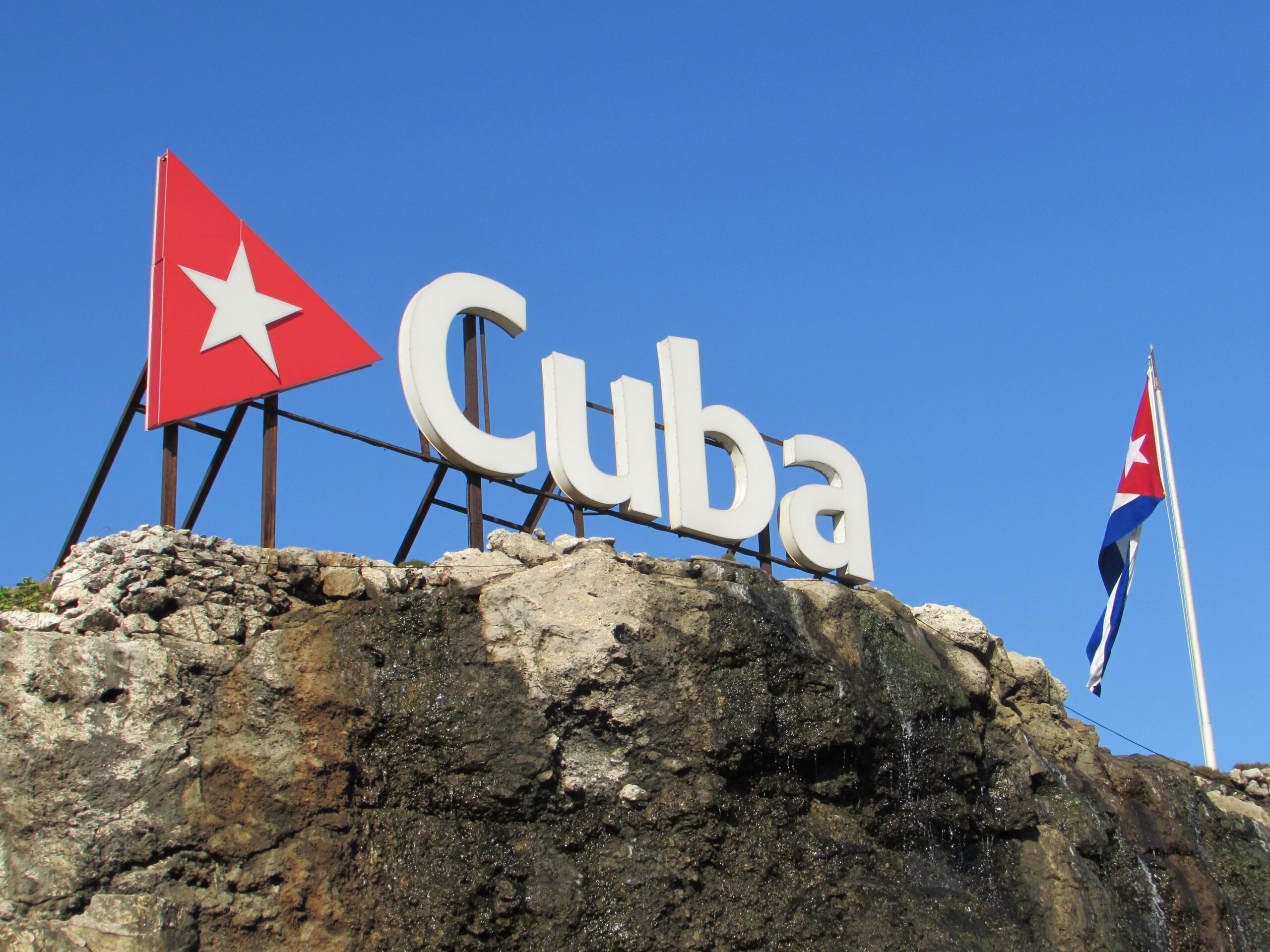
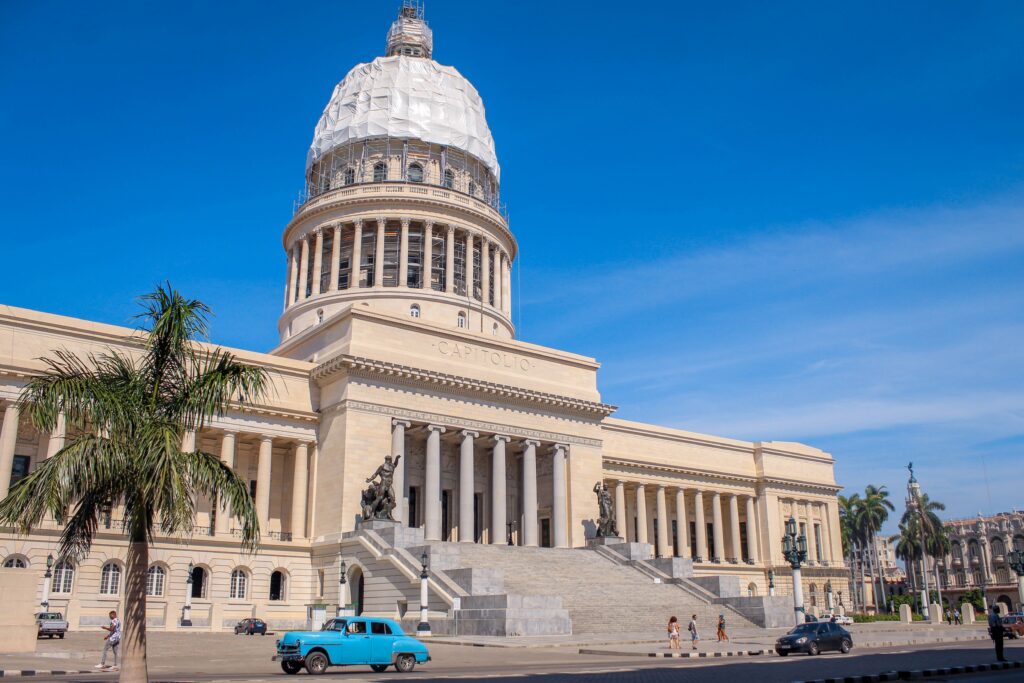
For decades, tourism served as one of Cuba’s most important economic lifelines. Visitors arrived from Canada, Europe, Latin America, and beyond to experience the island’s colonial architecture, white-sand beaches, classic American cars, music culture, and unique political history.
Today, that industry is facing one of the worst crises in its modern history.
International arrivals have plunged, hotels are operating far below capacity, airlines have reduced routes, and many tourism-dependent businesses are struggling to survive. The downturn has become so severe that some tourism operators compare current conditions to the collapse experienced during the COVID-19 pandemic. At the center of the crisis lies a combination of intensified U.S. pressure, fuel shortages, power outages, economic instability, and growing concerns among international travelers.
A Tourism Industry in Freefall
The numbers illustrate the scale of the problem.
According to official Cuban statistics, international tourist arrivals fell sharply throughout 2025 and continued to deteriorate in 2026. Between January and March 2026, Cuba received approximately 298,000 foreign visitors, nearly 48% fewer than during the same period in 2025. Some reports indicate that arrivals between January and April were down by more than 55% year-over-year.
The decline affects nearly every major source market, including:
- Canada
- Russia
- Germany
- France
- Spain
- Cuban expatriates visiting family
Even Canada’s traditionally strong tourism market, long considered Cuba’s most reliable source of visitors, experienced substantial declines.
How U.S. Pressure Is Affecting Tourism
The latest downturn cannot be understood without examining U.S. policy.
For decades, Cuba has operated under various forms of U.S. economic sanctions and trade restrictions. However, recent measures have increased pressure on several sectors considered vital to the Cuban economy, including tourism, energy, and finance.
The consequences extend beyond direct travel restrictions.
Recent actions have reportedly contributed to:
- Reduced fuel imports
- Financial transaction difficulties
- Airline operational challenges
- Higher business costs
- Reduced foreign investment confidence
One major development occurred when Cuba announced the suspension of Visa and Mastercard transaction processing due to sanction-related disruptions affecting financial intermediaries. Such changes create additional obstacles for international travelers and tourism businesses alike.
The Fuel Crisis Behind the Tourism Collapse
Perhaps the most immediate challenge is fuel.
Tourism depends on reliable transportation systems:
- International flights
- Airport operations
- Tour buses
- Taxis
- Hotel generators
- Supply chains
Cuba’s fuel shortages have disrupted nearly every part of that ecosystem.
Reports indicate that some international airlines reduced or suspended services because of difficulties securing fuel on the island. Meanwhile, domestic transportation has become increasingly unreliable, making it harder for visitors to travel between destinations.
The fuel shortage has become so severe that it now affects daily life across the country.
Blackouts Are Damaging Cuba’s Tourism Reputation
Power outages have become one of the biggest deterrents for potential visitors.
In many regions, rolling blackouts have become routine. Hotels, restaurants, transportation providers, and tourism operators often struggle to maintain normal operations. Travelers increasingly report concerns about:
- Air conditioning reliability
- Internet access
- Food storage
- Transportation services
- Medical availability
- General comfort and convenience
Tourism businesses can adapt to economic challenges, but maintaining visitor confidence becomes far more difficult when essential infrastructure becomes unreliable.
Competition From Other Caribbean Destinations
Cuba’s challenges are occurring at a time when many competing destinations are thriving.
Countries such as:
- The Dominican Republic
- Mexico
- Jamaica
- Bahamas
- Aruba
have recovered more quickly from pandemic-related disruptions and continue attracting significant international tourism investment.
Modern airports, stable power supplies, simplified travel requirements, and aggressive tourism marketing have helped these destinations capture travelers who might once have considered Cuba.
As tourists become more selective, convenience increasingly matters as much as price.
Why Tourism Matters So Much to Cuba
The tourism collapse is particularly damaging because the sector plays an outsized role in Cuba’s economy.
Tourism generates:
- Foreign currency earnings
- Employment
- Tax revenue
- Demand for local services
- Support for private businesses
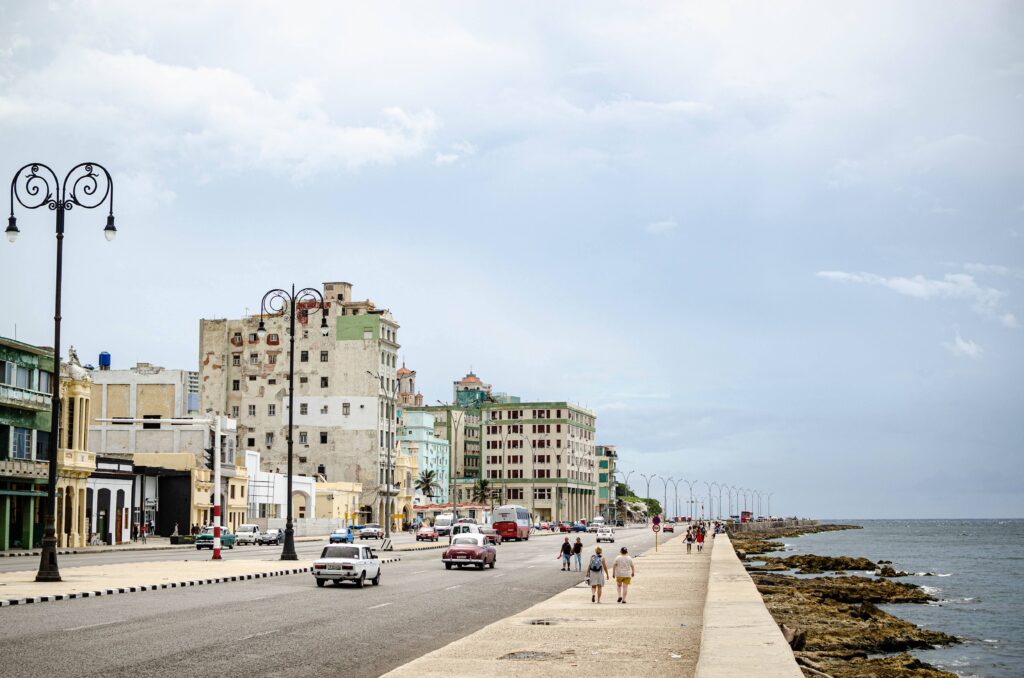
Hundreds of thousands of Cubans depend directly or indirectly on visitor spending. The industry supports hotel workers, restaurant owners, taxi drivers, tour guides, artisans, musicians, and operators of privately owned guesthouses.
When tourism declines, the economic impact spreads throughout the entire country.
The Human Impact
Statistics only tell part of the story.
For many Cuban families, tourism offered access to income levels that were difficult to achieve elsewhere in the economy.
Small business owners who invested heavily in:
- Guesthouses
- Restaurants
- Transportation services
- Tour operations
now face declining demand and shrinking revenues.
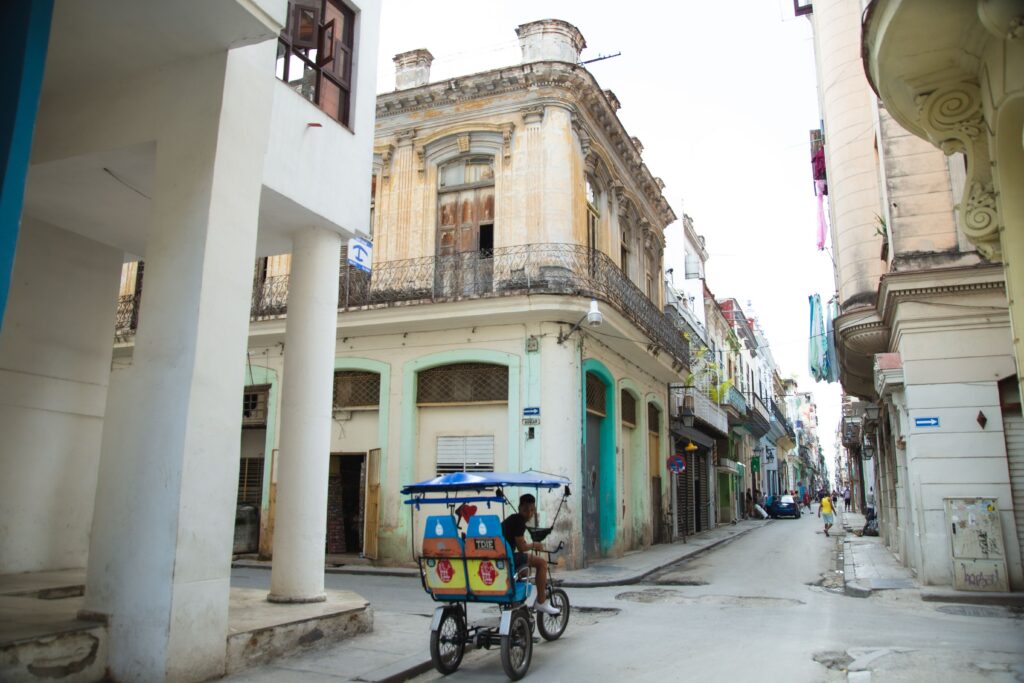
Many tourism entrepreneurs report cancellations, reduced bookings, and uncertainty about future seasons. Some businesses that survived the pandemic now face a new wave of financial pressure.
Infrastructure Problems Predate the Latest Sanctions
Although recent U.S. measures have intensified difficulties, experts note that some tourism challenges existed before the newest restrictions.
Long-standing issues include:
- Aging infrastructure
- Hotel maintenance backlogs
- Transportation limitations
- Internet connectivity challenges
- Bureaucratic inefficiencies
- Currency system complications
These structural issues have made it harder for Cuba to compete effectively with other tourism destinations even during periods of stronger visitor demand.
The Environmental Paradox
One surprising aspect of Cuba’s tourism downturn involves the environment.
Some of Cuba’s ecosystems remain among the Caribbean’s best-preserved natural areas. Limited industrial development and relatively low levels of intensive coastal construction have helped protect coral reefs and coastal habitats. Conservation projects continue despite severe economic constraints.
However, environmental protection itself often depends on tourism revenue.
When tourism falls, conservation funding becomes more difficult to sustain, creating long-term risks for protected areas and ecotourism destinations.
Could Cuba Reinvent Its Tourism Model?
Despite current challenges, opportunities still exist.
Industry observers suggest Cuba could focus on:
- Cultural tourism
- Heritage tourism
- Ecotourism
- Medical tourism
- Educational travel
- Adventure tourism
The island retains unique assets that cannot easily be replicated elsewhere, including its history, architecture, music, biodiversity, and cultural identity.
Success, however, will likely depend on broader improvements in infrastructure, energy reliability, transportation, and international relations.
What Happens Next?
The future of Cuban tourism remains uncertain.
Much will depend on:
- U.S.-Cuba relations
- Fuel availability
- Economic reforms
- Infrastructure improvements
- Airline connectivity
- Global travel demand
At present, Cuba faces one of the most difficult tourism environments in its modern history. Yet the island has repeatedly demonstrated resilience through decades of economic shocks, geopolitical tensions, and natural disasters.
Whether tourism can once again become a major engine of growth may depend on how effectively Cuba adapts to a rapidly changing global travel landscape.
Frequently Asked Questions (FAQs)
1. Why is tourism collapsing in Cuba?
Tourism has declined because of a combination of intensified U.S. pressure, fuel shortages, power outages, airline disruptions, economic instability, and concerns about infrastructure reliability.
2. How much has tourism declined?
Official figures show foreign tourist arrivals fell by nearly 48% in the first quarter of 2026 compared with the same period in 2025, while some reports indicate declines exceeding 55% during the first four months of the year.
3. How important is tourism to Cuba’s economy?
Tourism is one of Cuba’s largest sources of foreign currency and supports hundreds of thousands of jobs directly and indirectly across the country.
4. Are U.S. sanctions the only cause of the crisis?
No. While sanctions and recent U.S. pressure have intensified the downturn, Cuba also faces domestic challenges including infrastructure deterioration, power shortages, fuel scarcity, transportation issues, and broader economic difficulties.
5. Can Cuba’s tourism industry recover?
Recovery is possible, but it will likely require improvements in energy supply, transportation, infrastructure, financial systems, and international travel confidence. Diversification into cultural, ecological, and specialized tourism markets may also help support future growth.
Sources BBC

