
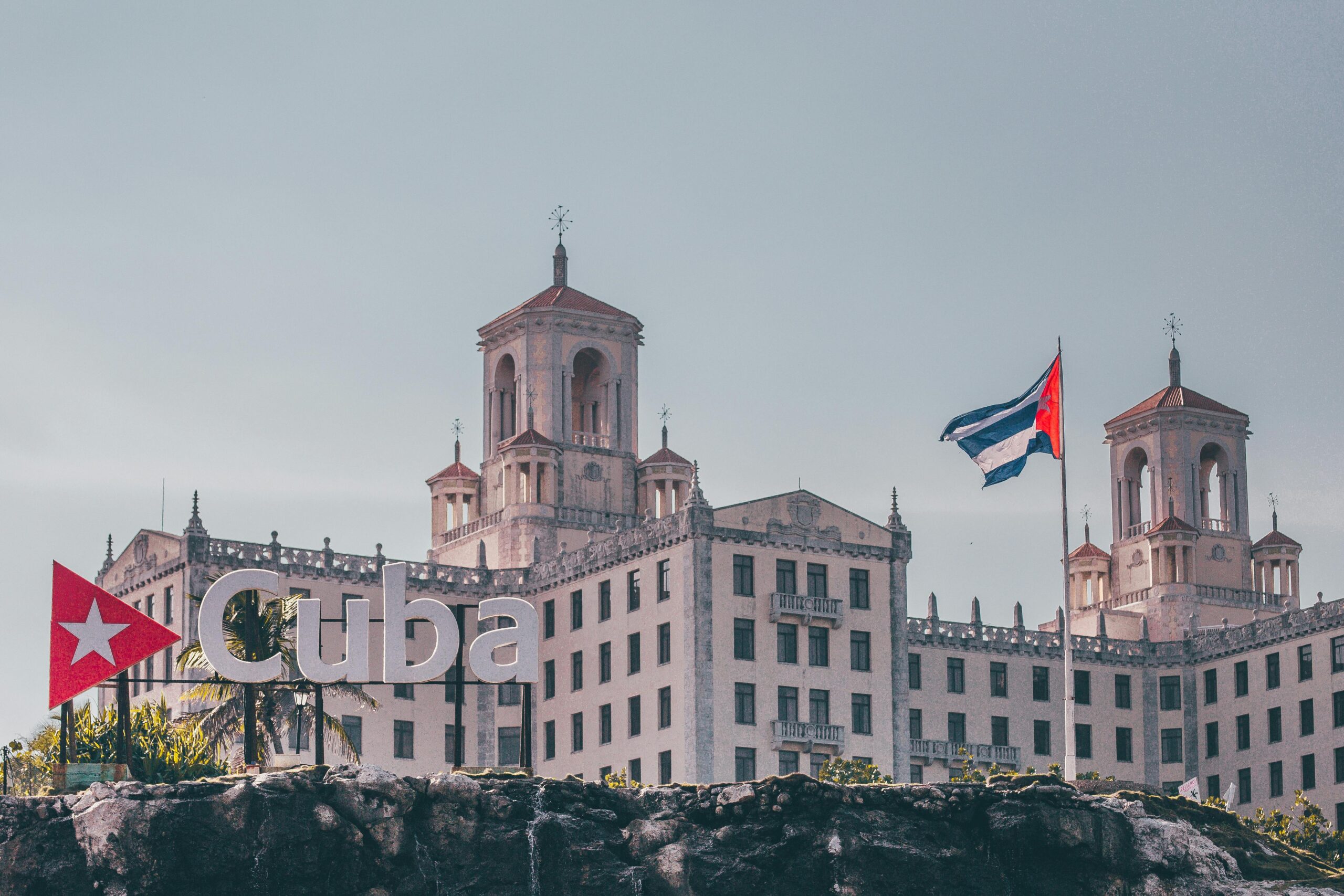
Cuba’s tourism sector, once viewed as the country’s economic lifeline, is facing one of its most difficult periods in decades.
The latest setback comes from Spanish hotel giant Meliá Hotels International, which has announced plans to cease operations at 15 of the 34 hotels it manages in Cuba. The decision marks one of the largest withdrawals by a foreign tourism operator since the island’s tourism boom began in the 1990s and highlights the growing challenges facing Cuba’s already struggling travel industry.
The move is not occurring in isolation.
A combination of tightening U.S. sanctions, persistent energy shortages, declining visitor arrivals, reduced airline connectivity, and broader economic instability has created a difficult environment for both foreign investors and tourism operators. As a result, many analysts believe Cuba’s tourism industry has entered a critical period that could reshape the country’s economic future.
Why Meliá Is Closing Hotels in Cuba
Meliá’s decision stems from a combination of geopolitical, legal, and economic concerns.
The company announced it would immediately stop managing, marketing, and providing brand services for 15 hotels on the island. According to company statements and regulatory disclosures, worsening operating conditions, legal uncertainties, and security concerns contributed to the decision.
The withdrawal follows new measures by the administration of U.S. President Donald Trump aimed at increasing economic pressure on Cuba through stricter sanctions and the continuation of an oil embargo. These measures target foreign companies that conduct business with Cuba’s military-linked conglomerates, particularly the powerful organization known as GAESA.
For multinational companies, the growing risk of sanctions has significantly increased the cost and uncertainty of operating on the island.
The Strategic Importance of Meliá to Cuba
The significance of Meliá’s decision extends far beyond the closure of several hotels.
Meliá Hotels International has been one of Cuba’s most important foreign tourism partners since 1990. The company manages thousands of hotel rooms across major tourist destinations including Havana, Varadero, and the island’s beach resorts. For decades, Meliá helped position Cuba as a major Caribbean destination for European, Canadian, and Latin American travelers.
The company’s long-standing presence made it a symbol of Cuba’s strategy of attracting foreign investment while maintaining state ownership of tourism assets.
Its partial withdrawal therefore sends a powerful signal to international investors about the current risks of doing business in Cuba.
Cuba’s Tourism Boom Has Turned Into a Tourism Slump
The current crisis is particularly striking because tourism was once considered Cuba’s fastest-growing economic sector.
Before the pandemic, Cuba attracted millions of international visitors annually, making tourism one of the country’s most important sources of foreign currency. However, recovery has been far weaker than expected. Visitor numbers remain significantly below pre-pandemic levels, and many hotels are operating well below capacity.
Several factors have contributed to the decline:
- Ongoing economic difficulties
- Aging tourism infrastructure
- International competition from other Caribbean destinations
- Transportation challenges
- Frequent power outages
- Reduced visitor confidence
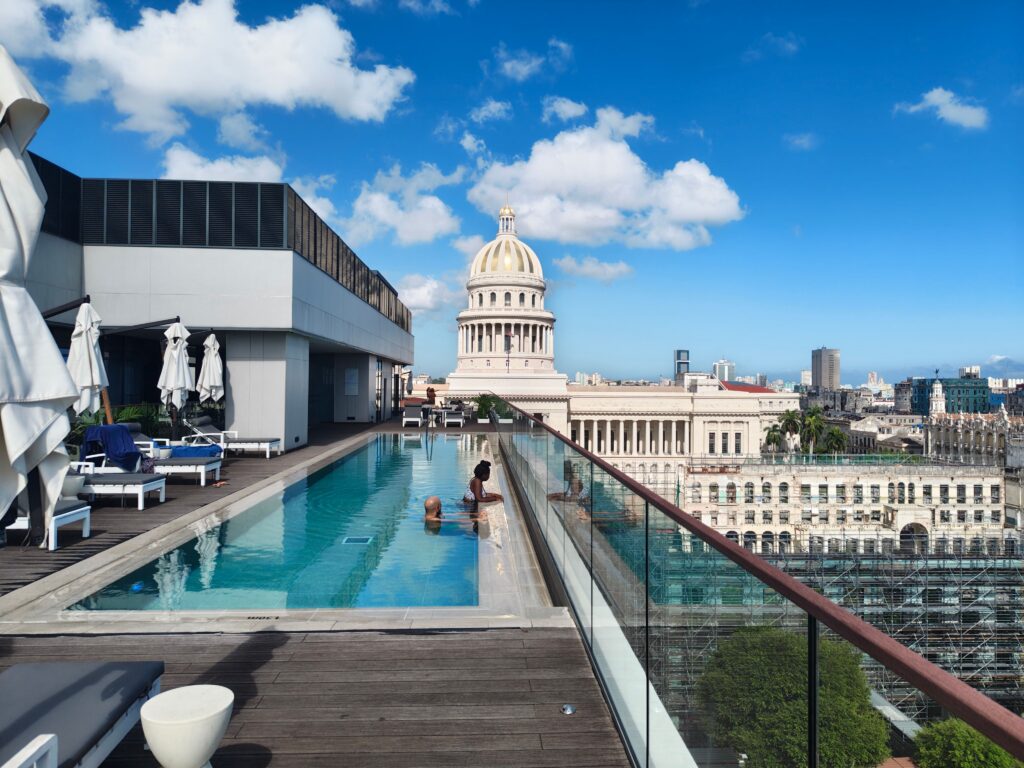
Even some newly built luxury hotels have struggled to attract enough guests to justify their investment costs.
Energy Shortages Are Hurting Tourism
One factor often overlooked in discussions about Cuba’s tourism sector is the country’s severe energy crisis.
Years of underinvestment, fuel shortages, and difficulties importing energy have led to recurring blackouts across the island.
For tourists, reliable electricity is not a luxury—it is an expectation.
Hotels require uninterrupted power for:
- Air conditioning
- Refrigeration
- Internet access
- Water systems
- Elevators
- Food preparation
Frequent outages can significantly damage the visitor experience and discourage repeat travel. Several tourism operators have cited energy instability as a major operational challenge.
Airlines Are Also Reducing Service
Hotel closures are only part of the story.
Cuba has also experienced reductions in international air connectivity.
Some airlines have reduced flights or suspended routes due to falling demand, fuel supply concerns, and operational difficulties. Fewer flights mean fewer visitors, creating a cycle that further weakens the tourism sector.
For island economies, aviation and tourism are deeply interconnected.
When airlines pull back, hotels often suffer shortly afterward.
Other Hotel Operators Are Leaving Too
Meliá is not the first company to scale back operations.
Several major international hotel groups have recently reduced or ended parts of their Cuba operations. Reports indicate that operators such as Iberostar and Blue Diamond have also taken steps to limit exposure to sanctions and economic uncertainty.
This trend raises concerns about whether Cuba could experience a broader exodus of foreign tourism partners.
If that occurs, the island may struggle to maintain international marketing networks, brand recognition, and management expertise that foreign operators traditionally provide.
The Impact on Cuban Workers
One of the most immediate consequences of hotel closures is the effect on employment.
Tourism supports hundreds of thousands of jobs across Cuba through:
- Hotels
- Restaurants
- Transportation services
- Tour operators
- Entertainment venues
- Retail businesses
When international hotel operators reduce their presence, workers may face reduced hours, lower income, or job losses.
The impact extends beyond hotels themselves and affects entire local communities that depend on tourism spending.
The Role of U.S. Policy
The relationship between U.S. policy and Cuba’s economy remains one of the most debated issues in international affairs.
Supporters of sanctions argue that economic pressure is necessary to encourage political reform.
Critics contend that sanctions primarily harm ordinary citizens by reducing economic opportunities and foreign investment.
Regardless of political views, there is little disagreement that U.S. restrictions significantly influence Cuba’s tourism sector.
Foreign companies must increasingly weigh the benefits of operating in Cuba against potential legal and financial risks associated with U.S. sanctions.
Why New Hotels Alone Cannot Solve the Problem
In recent years, Cuba continued building new hotels even as tourism demand weakened.
Government officials argued that additional capacity would position the country for future growth.
However, many economists questioned whether increasing hotel supply made sense when visitor numbers were falling.
The challenge facing Cuba today is not merely a shortage of rooms.
It is a shortage of visitors.
Without stronger demand, even modern hotels may struggle to achieve sustainable occupancy levels.
Competition Is Increasing Across the Caribbean
Cuba now faces intense competition from neighboring destinations including:
- Dominican Republic
- Jamaica
- Bahamas
- Mexico
Many competing destinations offer:
- Greater flight connectivity
- More stable energy supplies
- Easier payment systems
- Extensive resort infrastructure
- Fewer regulatory complications
As travelers increasingly prioritize convenience and reliability, Cuba faces growing pressure to improve its tourism experience.
Can Cuba’s Tourism Industry Recover?
Recovery remains possible, but it will require addressing several structural challenges.
Potential factors that could support a rebound include:
- Improved energy reliability
- Expanded international flight capacity
- Greater foreign investment certainty
- Stronger tourism marketing
- Economic reforms
- Easing geopolitical tensions
However, many of these factors remain outside the direct control of tourism operators.
As a result, the industry’s recovery timeline remains uncertain.
The Bigger Picture
Meliá’s withdrawal from 15 Cuban hotels is more than a corporate business decision.
It is a reflection of broader economic and geopolitical forces reshaping Cuba’s tourism industry.
For decades, tourism served as one of the island’s most reliable sources of foreign currency and international engagement. Today, that model is under increasing pressure from sanctions, energy shortages, declining visitor numbers, and rising operational risks.
The coming years will determine whether Cuba can adapt to these challenges and rebuild confidence among tourists, investors, airlines, and international hospitality companies.
Until then, Meliá’s decision may be remembered as one of the clearest signs yet that Cuba’s tourism sector has entered a period of profound transformation.
Frequently Asked Questions (FAQ)
1. Why is Meliá closing hotels in Cuba?
Meliá says worsening geopolitical, legal, and economic conditions have made operations increasingly difficult. The decision is also linked to stricter U.S. sanctions and broader instability affecting tourism on the island.
2. How many hotels is Meliá shutting down?
The company is ending management, marketing, and brand services for 15 of the 34 hotels it operated in Cuba.
3. How important is tourism to Cuba’s economy?
Tourism is one of Cuba’s largest sources of foreign currency and employment, supporting hotels, transportation providers, restaurants, retailers, and many other businesses across the country.
4. Are other international hotel companies leaving Cuba?
Yes. Several international operators, including Iberostar and Blue Diamond, have recently reduced or ended parts of their Cuba operations due to sanctions, economic difficulties, and declining tourism demand.
5. Can Cuba’s tourism industry recover?
Recovery is possible but depends on multiple factors, including improved energy supplies, stronger airline connectivity, foreign investment confidence, economic reforms, and a more stable geopolitical environment. Many analysts believe recovery will take several years.
Sources AP News

