
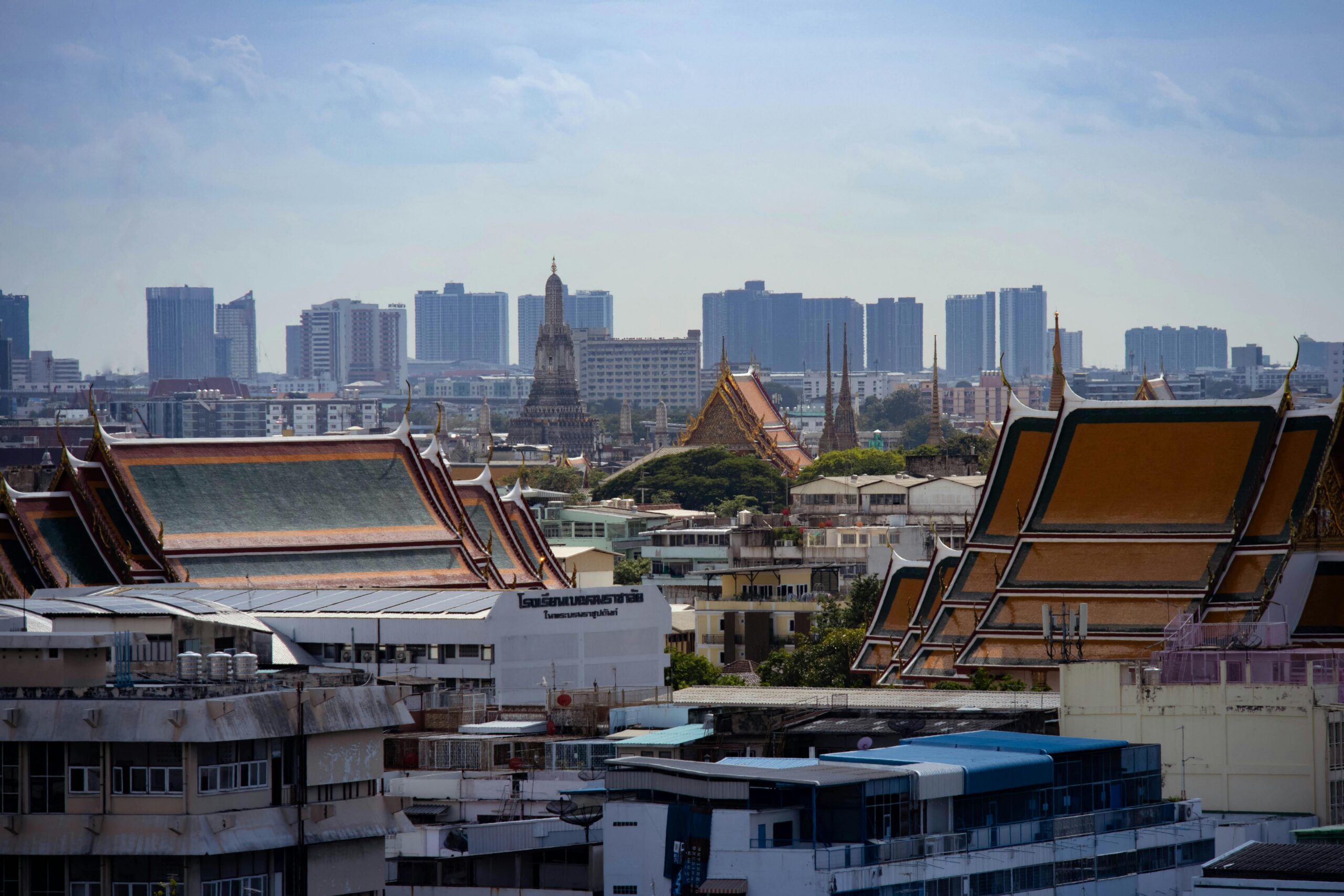
For decades, Thailand has been known as the “Land of Smiles”—a country celebrated for its hospitality, affordability, vibrant nightlife, stunning beaches, and welcoming attitude toward international visitors.
Millions of tourists have flocked annually to destinations such as Bangkok, Phuket, Pattaya, Chiang Mai, and Krabi, helping transform tourism into one of the pillars of the Thai economy.
But behind the postcard-perfect image, a growing number of Thais have become increasingly frustrated with a different side of mass tourism: disruptive behavior, visa abuse, illegal business activities, and incidents that many locals believe show a lack of respect for Thai culture and society. These concerns have prompted the government to introduce stricter immigration measures, including reducing visa-free stays from 60 days back to 30 days for travelers from more than 90 countries.
The policy shift signals more than a visa adjustment. It reflects a broader national conversation about the type of tourism Thailand wants to encourage in the future.

Thailand’s Tourism Success Comes With Growing Challenges
Tourism remains one of Thailand’s most important economic sectors.
Before the pandemic, the country welcomed nearly 40 million international visitors annually. Even today, tourism contributes significantly to employment, foreign exchange earnings, hospitality businesses, transportation services, restaurants, and local communities across the country.
However, rapid tourism growth has also created challenges:
- Overcrowding in popular destinations
- Pressure on local infrastructure
- Environmental degradation
- Rising housing costs in tourist hotspots
- Cultural tensions between visitors and residents
- Increased law enforcement burdens
Many of these concerns have intensified since Thailand relaxed visa requirements in 2024 to stimulate tourism recovery after COVID-19. The expanded visa-free program allowed citizens of 93 countries to stay for up to 60 days without obtaining a visa.
While the policy successfully attracted visitors, authorities now believe it also created unintended consequences.
Why Thailand Is Reducing Visa-Free Stays
Under the new policy, visa-free stays will generally return to 30 days for eligible visitors from more than 90 countries. Officials argue that the previous 60-day allowance was being exploited by individuals who had little intention of engaging in genuine tourism.
Government officials cited several concerns:
- Illegal employment
- Unauthorized business operations
- Frequent visa runs
- Online scam operations
- Criminal networks
- Long-term residence through tourism loopholes
Authorities have repeatedly emphasized that the changes are not aimed at ordinary tourists but at individuals using tourist status to bypass immigration and business regulations.
The Growing Backlash Against Bad Tourist Behavior
One of the most visible factors behind public support for stricter rules is frustration over high-profile incidents involving foreign visitors.
Reports and viral social media videos have shown tourists:
- Refusing to pay restaurant bills
- Fighting in nightlife districts
- Harassing local vendors
- Violating public decency laws
- Disrespecting religious sites
- Engaging in disruptive behavior in residential communities
Several incidents have received widespread media attention, fueling public debate about whether Thailand’s welcoming reputation is being abused by a small but highly visible minority of visitors.
For many Thais, the issue extends beyond isolated incidents.
It has become a question of respect.
Understanding the Thai Concept of “Greng Jai”
A cultural factor often overlooked by foreign visitors is the Thai concept of “greng jai.”
Greng jai refers to being considerate of others, avoiding imposing on people, and maintaining social harmony.
Many Thais are reluctant to confront rude behavior directly because they prioritize politeness and social balance. However, some observers note that this cultural restraint can sometimes be mistaken by visitors as tolerance for inappropriate conduct.
As tourism has expanded, more Thais appear willing to speak openly about behaviors they believe undermine local values and community well-being.
Illegal Businesses Are a Major Concern
Public discussions often focus on rowdy tourists, but officials are equally concerned about economic violations.
Authorities have reported growing concerns over foreigners who:
- Operate businesses without proper licenses
- Work illegally while on tourist status
- Purchase property through questionable arrangements
- Use tourist visas to manage commercial operations
Local business associations argue that these activities create unfair competition for Thai-owned enterprises and violate immigration laws.
Many tourism industry leaders support stricter screening because they believe legitimate tourists are not the primary target of the new measures.
National Security and Organized Crime
Another factor influencing policy is the rise of transnational criminal activity across Southeast Asia.
In recent years, authorities throughout the region have battled:
- Cybercrime syndicates
- Online scam operations
- Human trafficking networks
- Money laundering activities
- Illegal gambling enterprises
Thailand’s strategic location has sometimes made it a transit point for criminal organizations operating across neighboring countries. Government officials have cited national security concerns as one reason for tightening visa regulations.
While tourism remains welcome, authorities increasingly want stronger oversight of who enters and how long they stay.
Most Tourists Will Hardly Notice the Change
Despite the attention surrounding the policy, most travelers are unlikely to be affected.
Industry data consistently shows that the majority of tourists spend less than 30 days in Thailand.
Typical vacations range from:
- One week
- Two weeks
- Three weeks
As a result, most visitors will continue traveling without significant disruption.
The people most affected are likely to be:
- Long-stay backpackers
- Digital nomads
- Frequent visa-run users
- Seasonal residents
- Remote workers without long-term visas
Thailand’s Shift Toward “Quality Tourism”
The visa changes align with a broader government strategy often described as “quality tourism.”
Rather than focusing solely on increasing visitor numbers, policymakers increasingly want to attract travelers who:
- Spend more per trip
- Respect local laws
- Stay in licensed accommodations
- Support local businesses
- Travel responsibly
This approach mirrors policies adopted in destinations such as Japan, Spain, Italy, and parts of Indonesia, where concerns about overtourism have encouraged governments to prioritize sustainable tourism over volume alone.
The Digital Nomad Dilemma
One unintended consequence of the previous visa expansion was the growing number of remote workers living in Thailand under tourist exemptions.
Thailand remains one of the world’s most attractive destinations for digital nomads because of:
- Affordable living costs
- Strong internet infrastructure
- Favorable climate
- International communities
- High quality of life
However, officials increasingly prefer that long-term remote workers use designated visa categories rather than repeatedly entering under tourist exemptions.
This has encouraged greater promotion of specialized visas such as Thailand’s Destination Thailand Visa (DTV), which is designed specifically for remote professionals and long-stay visitors.
Could Stricter Rules Hurt Tourism?
Some tourism operators worry that tighter rules may discourage visitors.
Potential risks include:
- Reduced long-stay tourism
- Lower spending by extended-stay travelers
- Increased competition from neighboring countries
- Confusion among international travelers
However, supporters argue that stronger regulation could improve Thailand’s reputation over the long term by reducing abuse and preserving the qualities that attract visitors in the first place.
The government’s challenge is balancing economic growth with public expectations for order, security, and cultural respect.
A Global Trend, Not Just a Thai Issue
Thailand is not alone.
Destinations worldwide are reassessing how tourism affects local communities.
Cities and countries are increasingly implementing:
- Visitor taxes
- Capacity limits
- Short-term rental restrictions
- Enhanced visa screening
- Sustainable tourism initiatives
The common goal is to ensure tourism benefits residents as well as visitors.
Thailand’s latest visa reforms fit squarely within this global trend.
The Bigger Picture
Thailand’s stricter visa rules are not simply about reducing the length of tourist stays.
They represent a broader effort to redefine the relationship between tourism, economic growth, cultural preservation, and public order.
Most tourists will continue enjoying Thailand’s beaches, food, temples, and hospitality without any noticeable impact.
But the message from Thai authorities is becoming increasingly clear:
Visitors are welcome—but they are expected to respect local laws, cultural values, and the communities that make Thailand one of the world’s most beloved destinations.
As Thailand moves toward a model focused on sustainable and responsible tourism, the country is signaling that being a tourism powerhouse does not mean accepting every consequence of mass tourism.
The era of treating Thailand as a carefree playground may be coming to an end.
Frequently Asked Questions (FAQ)
1. Why is Thailand reducing visa-free stays from 60 days to 30 days?
The government says the longer visa-free period was being abused by some individuals for illegal work, unauthorized businesses, visa runs, and criminal activities. Authorities believe 30 days is sufficient for most genuine tourists.
2. Will ordinary tourists be affected by the new rules?
Most tourists will not be significantly affected because the majority of visitors stay less than 30 days during a typical vacation.
3. What types of tourist behavior have caused concern in Thailand?
Concerns include public disturbances, unpaid bills, fights, disrespectful conduct toward locals, indecent behavior, illegal business activities, and violations of local laws and customs.
4. Is Thailand targeting visitors from specific countries?
No. Thai officials have repeatedly stated that the policy targets misuse of the visa system rather than any particular nationality.
5. Can travelers still stay longer than 30 days?
Yes. Visitors who wish to remain in Thailand longer can apply for extensions or use appropriate visa categories such as tourist visas, retirement visas, business visas, or the Destination Thailand Visa (DTV) designed for long-term stays and remote workers.
Sources The Guardian

