
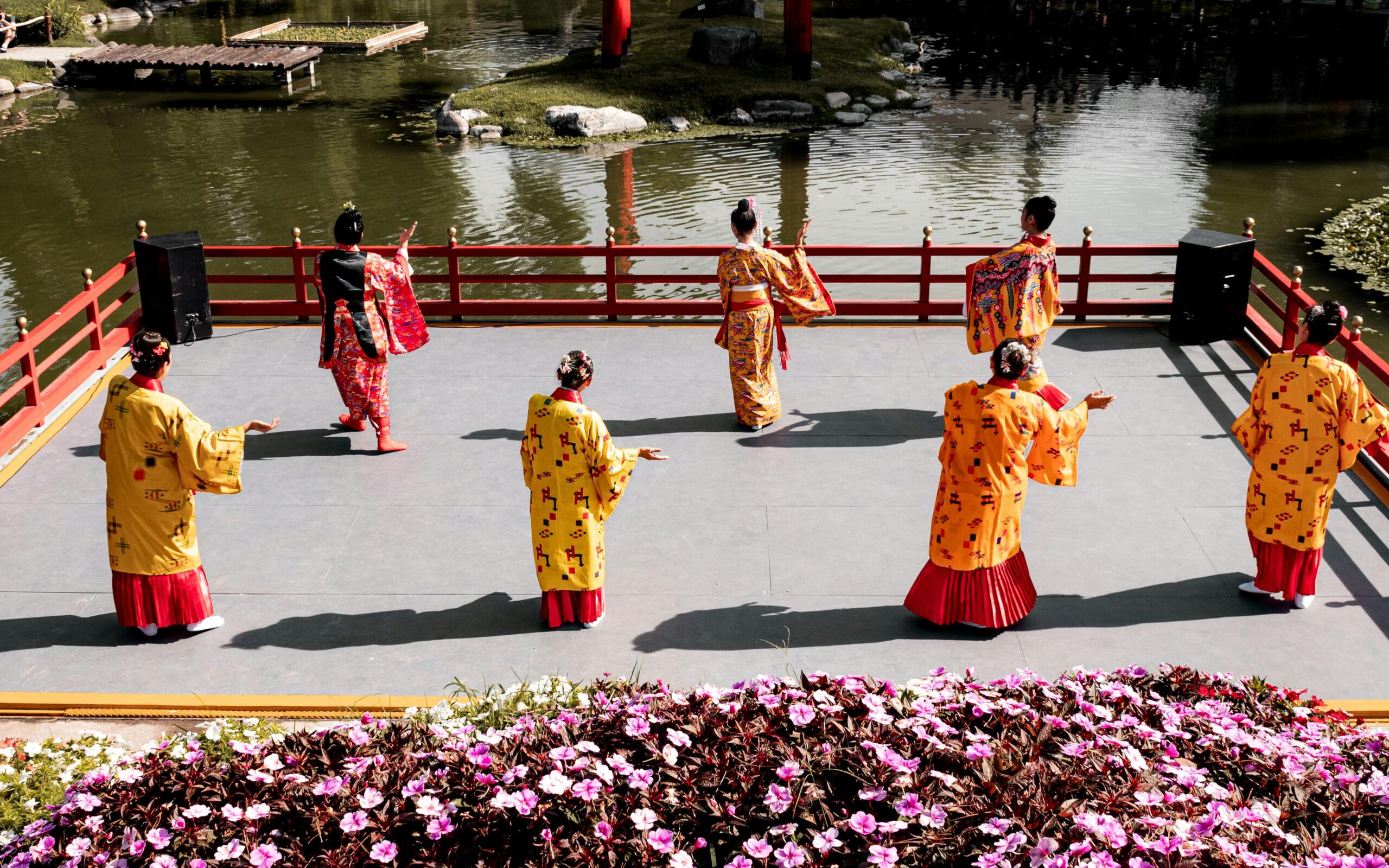
Japan’s traditional puppet theater industry is embracing modern technology and international tourism by introducing multilingual translation services designed to make centuries-old performances more accessible to foreign audiences.
A growing number of performances now provide translations in multiple languages—including English, French, Korean, and Chinese—allowing international visitors to better understand the stories, emotions, and cultural significance behind one of Japan’s most respected traditional performing arts.
The initiative reflects broader changes occurring across Japan’s tourism and cultural sectors, where institutions are increasingly balancing heritage preservation with global accessibility in response to rising international tourism.
As Japan attracts record numbers of overseas visitors, cultural organizations are rethinking how traditional art forms can survive and thrive in a multilingual, digitally connected world.
What Is Traditional Japanese Puppet Theater?
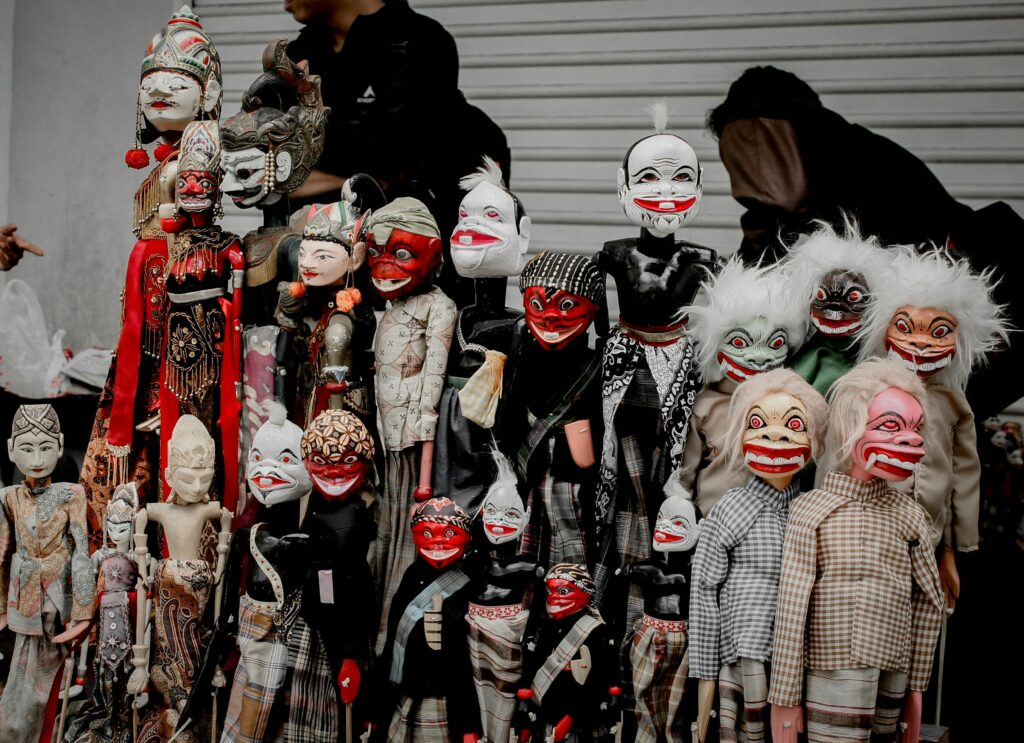
Japan’s traditional puppet theater, often associated with Bunraku, is one of the country’s most celebrated classical performing arts.
Bunraku combines:
- Large handcrafted puppets
- Narrated storytelling
- Traditional shamisen music
- Complex stage choreography
The art form dates back centuries and is recognized as an important part of Japan’s cultural heritage.
Unlike simple puppetry, Bunraku performances involve:
- Multiple puppeteers controlling a single puppet
- Highly emotional narration
- Detailed costume design
- Sophisticated dramatic storytelling
The performances often explore themes such as:
- Love
- Duty
- Sacrifice
- Honor
- Family conflict
- Social pressure
Why Translation Services Are Becoming Important
Historically, many foreign tourists admired the visual beauty of traditional performances but struggled to understand:
- Dialogue
- Historical references
- Cultural symbolism
- Emotional context
Without language support, audiences could miss much of the narrative depth that makes traditional theater meaningful.
As inbound tourism increases, cultural organizations are recognizing that accessibility is essential for:
- International audience engagement
- Educational outreach
- Long-term preservation
- Economic sustainability
Translation services help bridge the gap between traditional Japanese storytelling and global audiences unfamiliar with the language or historical context.
How the Translation System Works
Modern translation systems used in traditional theaters may include:
- Personal subtitle devices
- Smartphone apps
- Audio guides
- Digital screens
- Real-time captioning systems
Some venues offer translations in:
- English
- French
- Korean
- Chinese
- Spanish
The goal is to preserve the authenticity of performances while making the experience understandable for non-Japanese speakers.
In many cases, translations include:
- Character explanations
- Historical background
- Scene summaries
- Cultural notes
This enhances audience appreciation without disrupting the performance itself.
Japan’s Tourism Boom Is Driving Cultural Innovation
Japan has experienced a major tourism resurgence in recent years.
International travelers increasingly seek:
- Authentic cultural experiences
- Traditional arts
- Historical attractions
- Local craftsmanship
- Immersive storytelling
As a result, cultural institutions are adapting to international demand while trying to preserve artistic integrity.
Traditional theaters now compete not only with modern entertainment but also with global tourism expectations.
Providing multilingual support helps attract:
- Foreign tourists
- International students
- Researchers
- Cultural enthusiasts
Preserving Tradition While Modernizing Access
One of the biggest challenges facing traditional arts worldwide is balancing preservation with modernization.
Some purists worry that excessive adaptation could dilute cultural authenticity.
Others argue that without modernization:
- Younger audiences may lose interest
- International engagement could decline
- Traditional arts may struggle financially
Translation services represent a compromise:
- The performance itself remains traditional
- Accessibility improves for global audiences
This approach allows institutions to maintain artistic heritage while expanding public reach.
The Globalization of Japanese Culture
Japanese traditional arts are increasingly gaining global attention alongside:
- Anime
- Japanese cinema
- Fashion
- Cuisine
- Literature
- Gaming culture
International interest in Japan has expanded far beyond pop culture alone.
Many travelers now seek deeper cultural experiences connected to:
- History
- Spiritual traditions
- Classical performance arts
- Regional customs
Translation technology plays an important role in making these experiences more accessible.
Why Language Accessibility Matters in Cultural Tourism
Language barriers can significantly affect tourism experiences.
Visitors who cannot understand performances may:
- Feel disconnected emotionally
- Miss cultural significance
- Avoid traditional events altogether
Accessible translation systems can:
- Increase visitor satisfaction
- Encourage repeat tourism
- Expand educational value
- Improve cultural understanding
For tourism-dependent cultural institutions, multilingual access can also increase ticket sales and international visibility.
Technology Is Changing Traditional Arts Worldwide
Japan is not alone in modernizing cultural performances.
Traditional theaters globally are increasingly using:
- Augmented reality
- Mobile translation apps
- Interactive museum displays
- Digital subtitles
- AI-assisted interpretation tools
Technology allows historical art forms to remain relevant to younger and international audiences.
However, cultural institutions must carefully balance innovation with respect for tradition.
The Economic Importance of Cultural Tourism
Cultural tourism is becoming a major economic driver worldwide.
Travelers increasingly spend money on:
- Museums
- Heritage sites
- Live performances
- Local crafts
- Historical tours
Japan’s traditional arts contribute to:
- Tourism revenue
- Regional economies
- International branding
- Cultural diplomacy
Preserving and promoting cultural heritage can therefore provide both economic and educational benefits.
Challenges Facing Traditional Performing Arts
Traditional theater organizations face several ongoing challenges:
Aging Audiences
Younger generations often prefer modern entertainment formats.
Financial Pressures
Maintaining traditional productions can be expensive.
Language Barriers
International audiences may struggle without translation support.
Competition From Digital Entertainment
Streaming services and online media compete for audience attention.
Translation services may help attract broader demographics and improve long-term sustainability.
The Role of Cultural Diplomacy
Traditional arts also serve as tools of cultural diplomacy.
When international visitors experience traditional performances, they gain:
- Cultural insight
- Historical understanding
- Emotional connection
This can strengthen:
- International tourism appeal
- Cultural exchange
- Global appreciation of Japanese heritage
Governments increasingly recognize soft power value in promoting cultural traditions internationally.
Could AI Improve Future Translation Systems?
Artificial intelligence may play a growing role in live cultural translation.
Future systems could potentially offer:
- Real-time personalized subtitles
- Context-aware translations
- Voice interpretation
- Interactive explanations
However, cultural translation remains difficult because:
- Historical language is complex
- Symbolism is nuanced
- Emotional interpretation matters
Human expertise remains essential in preserving meaning accurately.
The Future of Traditional Japanese Theater
Experts believe traditional Japanese performing arts will continue evolving as tourism and technology reshape audience expectations.
Future strategies may include:
- Expanded multilingual services
- Virtual performances
- International touring productions
- Educational partnerships
- Hybrid digital experiences
The challenge will be ensuring modernization enhances accessibility without weakening cultural authenticity.
Frequently Asked Questions (FAQs)
1. What is Bunraku?
Bunraku is a traditional Japanese puppet theater art form combining puppetry, narration, and shamisen music.
2. Why are translation services being added to performances?
Translation services help international audiences understand the stories, cultural references, and emotional themes of performances.
3. Which languages are commonly offered?
Many theaters now offer translations in:
- English
- French
- Korean
- Chinese
- Other major international languages
4. How do translation systems work in theaters?
Some venues use subtitle devices, mobile apps, digital screens, or audio guides to provide real-time translations and explanations.
5. Why is cultural tourism important for Japan?
Cultural tourism supports local economies, promotes heritage preservation, and strengthens Japan’s global cultural influence.
6. Are traditional arts struggling to attract younger audiences?
Yes. Many traditional performing arts face challenges from changing entertainment habits and digital media competition.
7. Can technology help preserve traditional culture?
Technology can improve accessibility and global engagement, but experts stress that authenticity and cultural integrity must remain priorities.
8. Will AI eventually replace human cultural translators?
AI may improve translation efficiency, but human expertise remains important for interpreting cultural nuance, symbolism, and emotional meaning.
Final Thoughts
The introduction of multilingual translation services in traditional Japanese puppet theater reflects a broader transformation happening across global cultural institutions.
As tourism becomes increasingly international and technology reshapes communication, traditional art forms are finding new ways to connect with audiences beyond their original linguistic and cultural boundaries.
For Japan, the challenge is not simply preserving historical traditions—but ensuring those traditions remain meaningful, accessible, and emotionally powerful for future generations around the world.
By combining centuries-old storytelling with modern translation technology, traditional theater may continue proving that cultural heritage can evolve without losing its soul.
Sources The Japan News

