
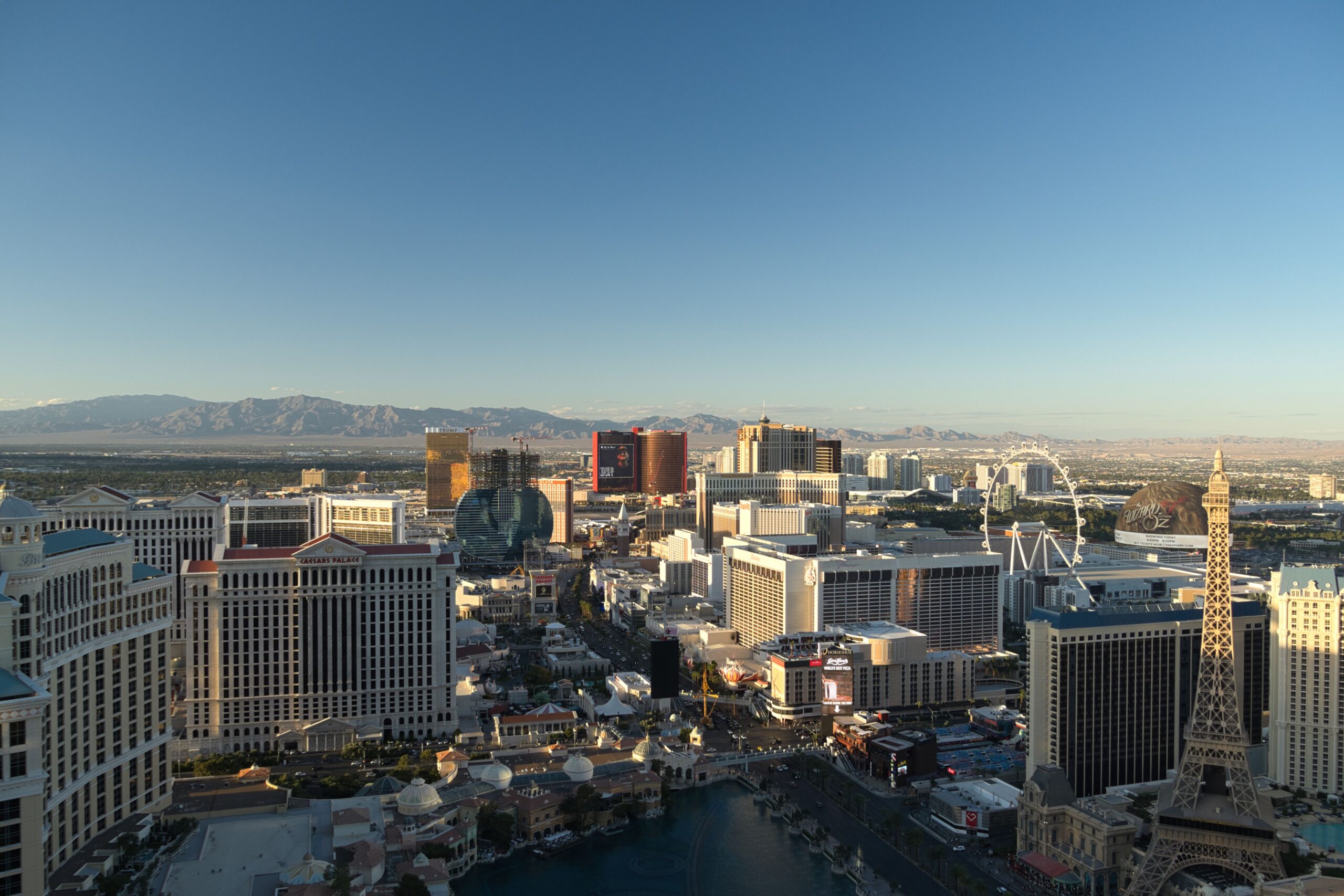
Las Vegas has repeatedly proven that it is more than a gambling destination. It is now a global entertainment, sports, convention, luxury hospitality, and food-and-beverage hub — and that transformation is central to the optimistic outlook for MGM Resorts International, one of the city’s most important casino and resort operators.
A recent analyst call from JPMorgan, as reported by CNBC, highlighted the idea that MGM still has “room to run,” supported by resilient Las Vegas tourism trends. But the bigger story goes beyond a single stock recommendation. MGM’s prospects are tied to a broader shift in Las Vegas’ economic engine, the durability of high-end travel demand, the recovery of convention business, growth in sports tourism, digital betting ambitions, and the company’s ability to convert visitor traffic into higher-margin revenue.
This article takes a deeper look at the forces shaping MGM’s outlook, what investors are watching, why Las Vegas remains surprisingly resilient, and what risks could still challenge the bullish case.
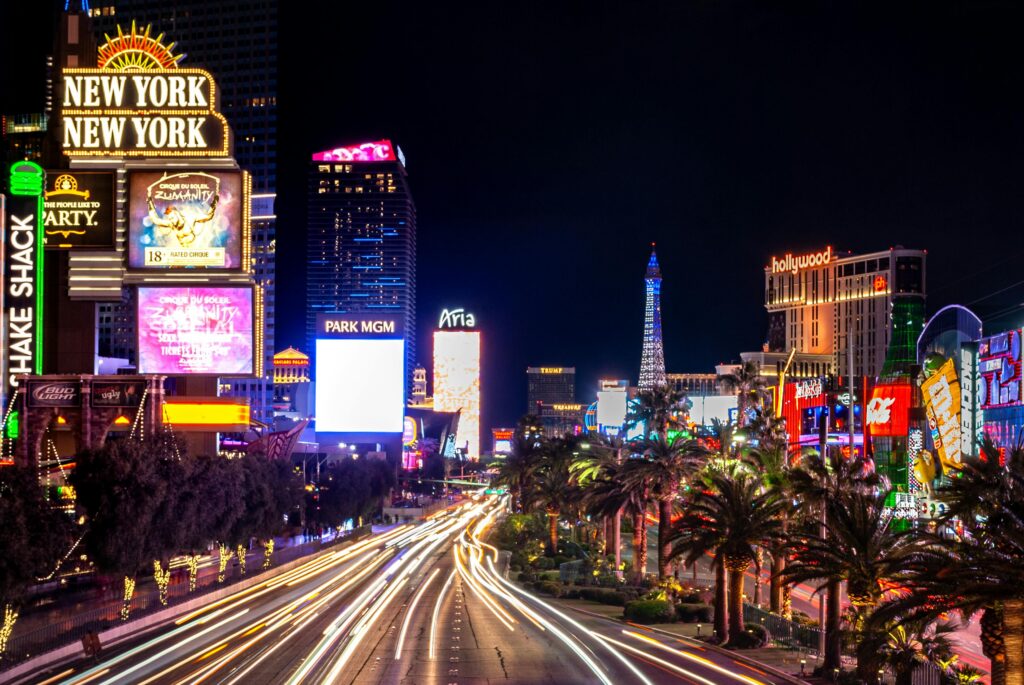
MGM Resorts at a Glance
MGM Resorts International is one of the largest casino and hospitality companies in the world. Its portfolio includes some of the most recognizable properties on the Las Vegas Strip, including:
- Bellagio
- MGM Grand
- ARIA
- The Cosmopolitan of Las Vegas
- Mandalay Bay
- Park MGM
- New York-New York
- Luxor
- Excalibur
Outside Las Vegas, MGM also operates regional casinos in states such as Massachusetts, Maryland, Michigan, Mississippi, New Jersey, New York, and Ohio. Internationally, the company has exposure to Macau through MGM China, a major operator in the world’s largest casino market.
MGM also participates in online sports betting and iGaming through BetMGM, its joint venture with Entain.
The company is therefore not just a casino operator. It is a diversified hospitality, entertainment, gaming, and digital betting business.
Why JPMorgan and Other Analysts Are Watching MGM Closely
The bullish argument for MGM centers on several key themes:
- Las Vegas tourism remains resilient
- High-end consumers continue to spend
- Convention and group travel have recovered
- MGM has a strong property portfolio on the Strip
- Sports and entertainment are expanding Las Vegas’ appeal
- Macau offers additional upside
- BetMGM could become more profitable over time
- Shareholder returns remain a focus
Analysts who are optimistic about MGM generally believe the market may be underestimating the durability of Las Vegas demand and MGM’s ability to generate cash flow even in a more uncertain consumer environment.
Las Vegas Is No Longer Just a Casino Town
One of the most important changes in the Las Vegas story is that gambling is no longer the sole driver of the city’s economy.
Decades ago, Las Vegas depended heavily on casino floors. Today, gaming is only one part of a much broader revenue mix. Visitors come for:
- Concert residencies
- Professional sports
- Fine dining
- Nightclubs and dayclubs
- Luxury shopping
- Conventions
- Festivals
- Combat sports
- Formula 1
- NFL events
- Corporate meetings
- Weddings and celebrations
- Spa and wellness experiences
For MGM, this matters because non-gaming revenue can be highly valuable. Hotel rooms, restaurants, entertainment venues, resort fees, parking, nightlife, and meeting spaces all contribute to property-level profitability.
At major Las Vegas Strip resorts, non-gaming revenue often represents a larger portion of total revenue than casino gambling. That gives MGM more ways to monetize each visitor.
The Strength of Las Vegas Tourism
Las Vegas tourism has remained strong despite inflation, higher interest rates, and concerns about consumer fatigue. While lower-income consumers in many sectors have pulled back, Las Vegas has benefited from a more affluent visitor mix.
Several trends are supporting continued demand:
1. Premium Leisure Travel
Many higher-income consumers continue to prioritize travel and experiences. Las Vegas is particularly well-positioned because it offers luxury hotels, celebrity restaurants, premium entertainment, and nightlife in a concentrated area.
MGM’s higher-end properties such as Bellagio, ARIA, and The Cosmopolitan are especially exposed to this premium leisure segment.
2. Convention Recovery
Convention and group travel are crucial for Las Vegas because they fill hotel rooms midweek, when leisure demand is typically weaker.
Major events such as CES, trade shows, medical conferences, corporate gatherings, and industry expos bring high-spending visitors who often expense rooms, meals, and entertainment through businesses.
MGM has significant convention space, particularly at Mandalay Bay and MGM Grand, making group business a major contributor to occupancy and room rates.
3. Sports Tourism
Las Vegas has rapidly become a major sports city. The arrival of the Vegas Golden Knights, Las Vegas Raiders, major UFC events, boxing matches, WNBA success, Formula 1, and the city’s growing role in hosting major sporting events have changed the tourism calendar.
Sports give Las Vegas more high-demand weekends and create pricing power for hotel operators.
4. Entertainment Residencies and Festivals
Las Vegas remains a top destination for live entertainment. Concert residencies from global stars, music festivals, comedy shows, magic performances, and immersive venues continue to attract visitors who may not be primarily interested in gambling.
MGM owns or operates venues that benefit from this entertainment ecosystem.
Room Rates and Revenue Per Available Room Matter
For casino-resort operators, hotel performance is a major driver of earnings. Investors often focus on metrics such as:
- Occupancy rate
- Average daily rate
- RevPAR, or revenue per available room
- Group booking pace
- Event-driven pricing
- Food and beverage spend per visitor
- Casino win per visitor
If MGM can maintain high occupancy while charging premium room rates, its Las Vegas properties can generate substantial cash flow.
The key issue is not just whether people are visiting Las Vegas. It is whether they are paying enough for rooms, spending enough on property, and generating profitable margins after labor, utilities, and promotional costs.
MGM’s Las Vegas Strip Portfolio Gives It Scale
MGM has one of the strongest positions on the Las Vegas Strip. Its properties cover multiple customer segments:
Luxury and Premium
- Bellagio
- ARIA
- The Cosmopolitan
- Vdara
Mass-Market and Mid-Tier
- MGM Grand
- Park MGM
- New York-New York
- Mandalay Bay
Value-Oriented
- Luxor
- Excalibur
This broad portfolio lets MGM serve different types of visitors, from luxury travelers to convention guests to budget-conscious tourists.
Scale also gives MGM advantages in:
- Loyalty programs
- Marketing
- Cross-property promotions
- Event packaging
- Group sales
- Labor coordination
- Vendor purchasing
- Data analytics
The company’s MGM Rewards loyalty program is especially important because it encourages repeat visitation and helps MGM track customer behavior across gaming, hotel, dining, and entertainment spending.
The Cosmopolitan Acquisition Strengthened MGM’s Position
MGM’s acquisition of The Cosmopolitan’s operations added a high-end, younger-skewing luxury property to its Las Vegas portfolio. The Cosmopolitan is known for:
- Strong food and beverage offerings
- A premium location near Bellagio and ARIA
- Popular nightlife and entertainment
- Balcony rooms overlooking the Strip
- A strong brand identity with younger affluent travelers
For MGM, integrating The Cosmopolitan into its broader ecosystem provides cross-selling opportunities and strengthens its appeal to high-value customers.
Macau Is Another Important Piece of the MGM Story
While Las Vegas often receives the most attention, MGM’s exposure to Macau is also significant.
Macau is the world’s largest casino market by gaming revenue, and it has been recovering after years of pandemic restrictions and regulatory uncertainty. MGM China operates:
- MGM Macau
- MGM Cotai
The Macau market has changed in recent years. It is now less dependent on VIP junket gambling and more focused on premium mass and mass-market customers. This shift may benefit operators with strong resort offerings, entertainment, and direct customer relationships.
For MGM, stronger Macau performance can provide incremental earnings growth and diversify the company beyond the U.S. market.
However, Macau also brings risks, including Chinese consumer weakness, regulatory scrutiny, geopolitical uncertainty, and currency fluctuations.
BetMGM: A Long-Term Digital Growth Option
MGM’s digital betting arm, BetMGM, is another important part of the company’s future. BetMGM competes in online sports betting and iGaming against companies such as:
- DraftKings
- FanDuel
- Caesars Sportsbook
- ESPN Bet
- Fanatics Sportsbook
The online sports betting industry is highly competitive and expensive, but the long-term opportunity remains large, especially in states that legalize online casino gaming.
Online casino, or iGaming, is generally considered more attractive than sports betting because it can generate higher margins and more consistent user engagement. BetMGM has a strong brand in casino gaming, which could be an advantage if more U.S. states legalize iGaming.
Still, BetMGM’s profitability, market share, technology platform, and marketing efficiency are key issues investors continue to monitor.
Why MGM Could Have “Room to Run”
The phrase “room to run” usually means analysts believe a stock has more upside potential. For MGM, the case may include several elements.
1. Strong Free Cash Flow
MGM’s Las Vegas properties can generate substantial cash flow when tourism is healthy. If the company continues to produce strong free cash flow, it can invest in growth, reduce debt, or return capital to shareholders.
2. Share Repurchases
MGM has historically used share buybacks as a way to return capital to shareholders. If management believes the stock is undervalued, buybacks can increase earnings per share by reducing the number of shares outstanding.
3. Asset-Light Structure
MGM has sold much of its real estate and now leases many of its properties from real estate investment trusts such as VICI Properties. This asset-light model can free capital and make the company more focused on operations, although it also creates fixed rent obligations.
4. Event Calendar Strength
Major events in Las Vegas can boost room rates and property traffic. Large sporting events, conventions, concerts, and festivals help MGM capture premium pricing.
5. Macau Recovery
If Macau continues to improve, MGM China could add meaningful upside to consolidated results.
6. Margin Expansion
If MGM manages labor, marketing, and operating costs effectively while maintaining pricing power, margins could improve.
Risks Investors Should Not Ignore
Even if the outlook is positive, MGM is not without risk.
1. Consumer Slowdown
Las Vegas is resilient, but it is not immune to economic weakness. If higher-income consumers begin to reduce discretionary spending, hotels, restaurants, casinos, and entertainment venues could feel pressure.
2. Rising Costs
Labor, utilities, insurance, maintenance, and food costs remain important issues for hospitality companies. Wage inflation can pressure margins, especially in a labor-intensive market like Las Vegas.
3. Rent Obligations
Because MGM leases many of its properties, it has recurring rent payments. This structure can be efficient in strong markets but can become a burden if revenue declines.
4. Competition
MGM competes with other major Strip operators, including Caesars, Wynn, Venetian, Resorts World, and Fontainebleau. New supply or aggressive promotions can pressure pricing.
5. Digital Betting Competition
BetMGM operates in a crowded and expensive market. If customer acquisition costs remain high or market share declines, the digital business may disappoint.
6. Macau Regulatory Risk
Macau is subject to policy decisions by Chinese and local authorities. Changes in regulation, travel policy, or consumer behavior can affect results.
7. Cybersecurity and Technology Risk
Casino operators hold large volumes of customer and payment data. MGM has already experienced cybersecurity challenges in the past, making technology resilience a critical issue for investors and customers.
The Broader Las Vegas Economy: Why It Matters for MGM
Las Vegas has become a case study in economic reinvention. The city’s ability to diversify beyond gambling is one of the reasons analysts remain constructive on major resort operators.
Important structural tailwinds include:
- Expansion of professional sports
- A growing convention calendar
- Continued migration to Southern Nevada
- More international travel recovery
- Strong airport capacity through Harry Reid International Airport
- A younger generation interested in experiences over goods
- Growth in luxury hospitality
- High-profile entertainment investments
The city has also benefited from its unique ability to compress multiple revenue streams into one trip. A visitor may book a room, gamble, dine at a celebrity restaurant, attend a concert, shop, visit a nightclub, and watch a sporting event — all in a single weekend.
That makes Las Vegas highly monetizable for operators like MGM.
How MGM Compares With Other Casino Stocks
Investors often compare MGM with peers such as:
- Caesars Entertainment
- Wynn Resorts
- Las Vegas Sands
- Boyd Gaming
- Penn Entertainment
- DraftKings
- Flutter/FanDuel
MGM’s profile is somewhat unique because it combines:
- Significant Las Vegas Strip exposure
- Regional casino operations
- Macau exposure
- A major digital betting brand
- A large loyalty ecosystem
- A history of capital returns
Compared with Caesars, MGM is generally viewed as having a stronger balance sheet and more premium Las Vegas exposure. Compared with Wynn, MGM is more diversified across price points and geographies. Compared with Las Vegas Sands, MGM has more U.S. exposure, while Sands is more heavily focused on Asia.
What Investors Should Watch Next
For those following MGM, several indicators are especially important:
- Las Vegas room rates
- Convention booking trends
- Weekend versus midweek demand
- High-end consumer spending
- Casino win trends
- Food and beverage revenue
- Macau gross gaming revenue
- BetMGM profitability
- Share buyback activity
- Debt and rent obligations
- Labor cost trends
- New competition on the Strip
Quarterly earnings reports will be important, but so will commentary from management about forward bookings, event calendars, customer segments, and margin outlook.
The Bottom Line
The bullish case for MGM Resorts is built on the belief that Las Vegas remains one of the strongest experience-based travel markets in the world. MGM’s large Strip portfolio, exposure to premium leisure and convention demand, Macau operations, and digital betting platform give it several paths for growth.
However, investors should balance that optimism with real risks: consumer softness, cost inflation, competitive pressure, rent obligations, and uncertainty in Macau and online betting.
For now, the key question is whether Las Vegas can continue to defy economic worries and sustain its transformation into a global entertainment capital. If it can, MGM may indeed have more room to run.
Frequently Asked Questions
1. Why are analysts bullish on MGM Resorts?
Analysts are bullish because MGM benefits from resilient Las Vegas tourism, strong room rates, convention recovery, premium consumer spending, sports and entertainment demand, Macau exposure, and potential long-term gains from BetMGM.
2. Is MGM only a casino company?
No. MGM is also a hotel, entertainment, restaurant, convention, sports tourism, and digital betting company. Non-gaming revenue is a major part of its business.
3. Why is Las Vegas tourism so important to MGM?
MGM owns or operates several major Las Vegas Strip resorts. Strong tourism supports hotel occupancy, room pricing, casino activity, restaurant sales, entertainment revenue, and convention business.
4. What does “room to run” mean for MGM stock?
It means analysts believe the stock may still have upside potential. This could be due to earnings growth, strong cash flow, buybacks, improving margins, or better-than-expected tourism trends.
5. What are MGM’s most important Las Vegas properties?
MGM’s key Las Vegas properties include Bellagio, MGM Grand, ARIA, The Cosmopolitan, Mandalay Bay, Park MGM, New York-New York, Luxor, and Excalibur.
6. How does Macau affect MGM?
MGM operates in Macau through MGM China. If Macau gaming and tourism recover strongly, MGM can benefit from additional earnings growth. However, Macau also brings regulatory and geopolitical risk.
7. What is BetMGM?
BetMGM is MGM’s online sports betting and iGaming joint venture with Entain. It competes in U.S. digital wagering markets and could become more valuable if online casino gaming expands.
8. What are the biggest risks for MGM stock?
The biggest risks include a slowdown in consumer travel spending, rising labor costs, weaker room rates, competition on the Strip, Macau uncertainty, digital betting losses, and fixed rent obligations.
9. Is Las Vegas still dependent on gambling?
Less than in the past. Gambling remains important, but Las Vegas now generates significant revenue from hotels, restaurants, entertainment, conventions, nightlife, sports, and luxury experiences.
10. Could a recession hurt MGM?
Yes. MGM is tied to discretionary spending. A recession could reduce travel, gambling, dining, and entertainment demand. However, Las Vegas has shown resilience because of its diversified visitor base and event-driven demand.
11. How do conventions help MGM?
Conventions fill hotel rooms during weekdays, support restaurant and banquet revenue, and bring business travelers who often spend more on property. MGM has major convention facilities, especially at Mandalay Bay and MGM Grand.
12. Is MGM a good long-term investment?
That depends on an investor’s risk tolerance, valuation view, and outlook for Las Vegas, Macau, and online betting. MGM has attractive assets and cash-flow potential, but it also operates in cyclical and competitive industries. Investors should review financial results, debt levels, and market conditions before making decisions.
Sources CNBC

