
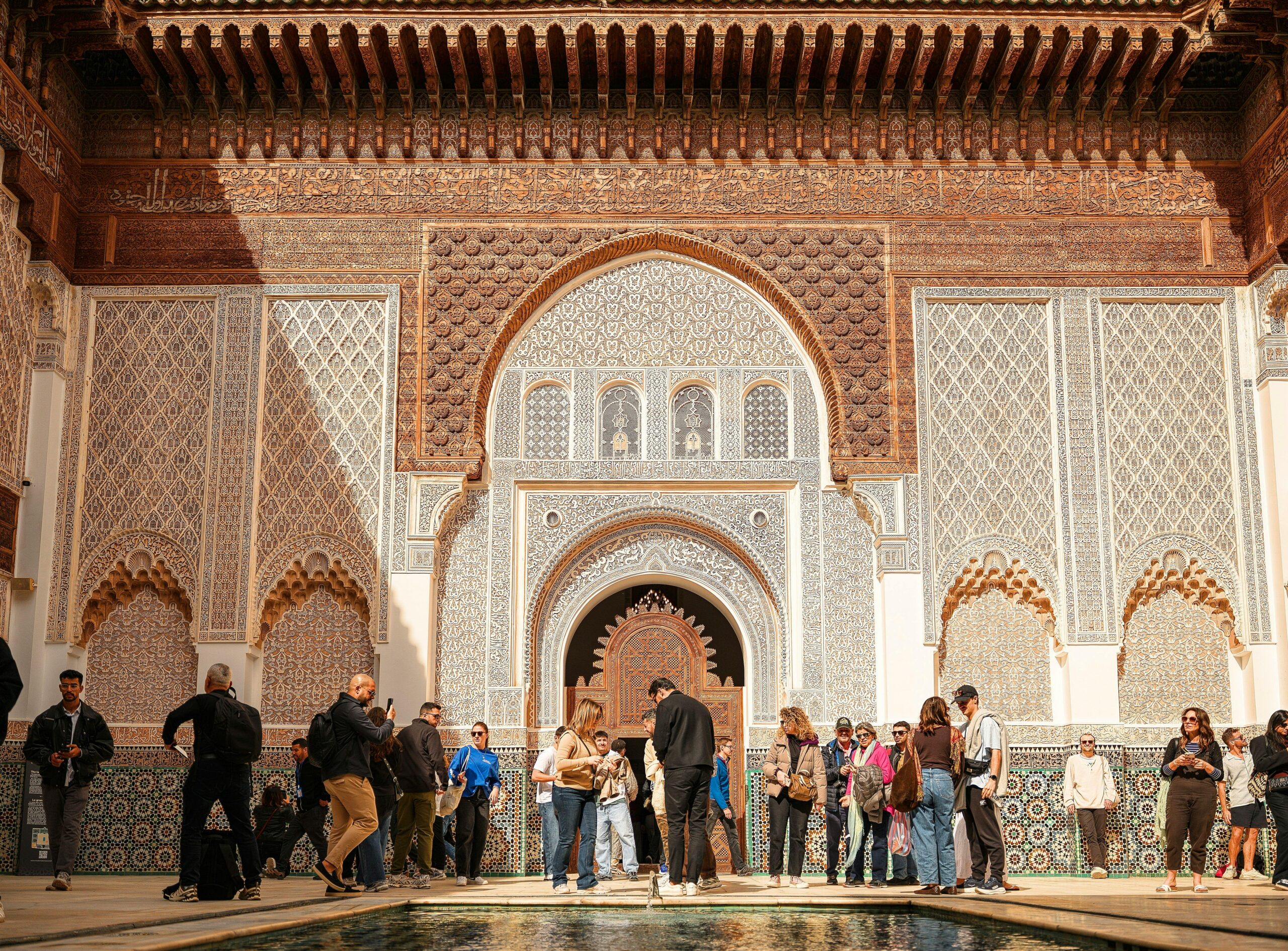
Morocco’s tourism sector is once again demonstrating strong momentum. A reported 7% increase in tourist arrivals in the first quarter of 2026 signals continued recovery and growth for one of North Africa’s most dynamic travel destinations.
While the headline figure reflects positive progress, it also highlights deeper trends shaping Morocco’s tourism landscape—ranging from shifting traveler preferences to infrastructure development and the need for more balanced regional growth.
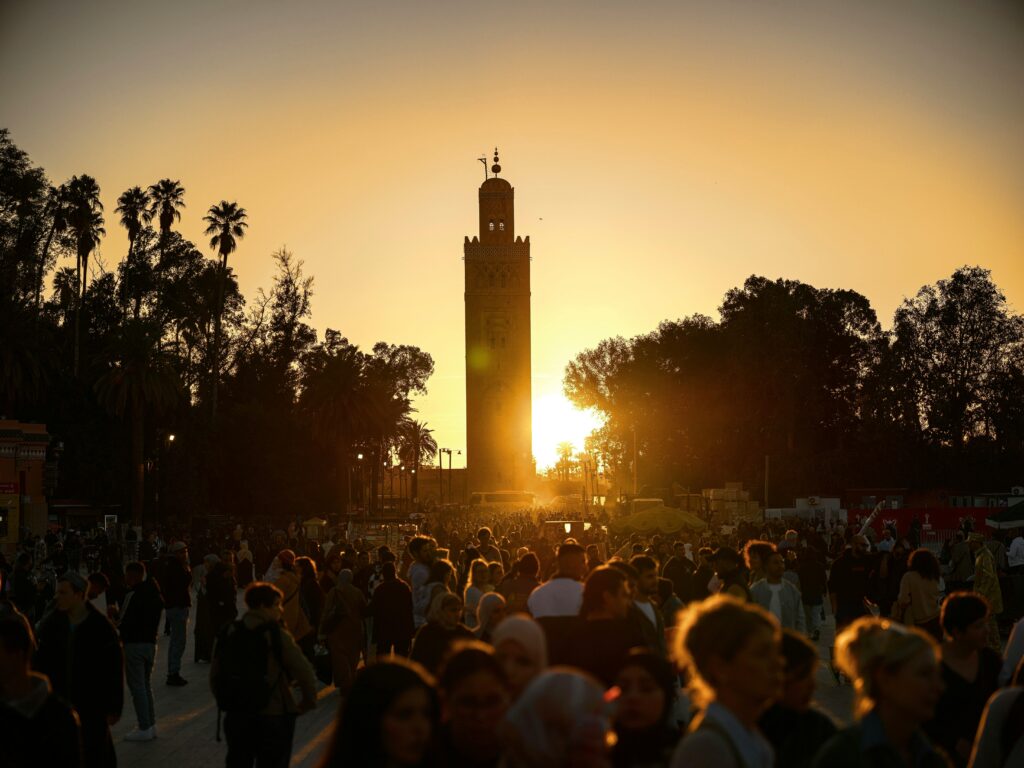
A Strong Start to 2026
Morocco’s early 2026 tourism performance builds on a broader recovery that began after the pandemic.
Key highlights include:
- Increased international arrivals compared to the same period in previous years
- Strong demand from European markets, particularly France and Spain
- Continued interest in cultural, coastal, and desert tourism
This growth reinforces Morocco’s position as a leading tourism destination in Africa and the Mediterranean region.
What’s Driving the Growth?
Several factors are contributing to Morocco’s rising tourism numbers.
1. Improved Air Connectivity
Expanded flight routes and increased capacity from European cities have made Morocco more accessible.
Low-cost carriers and regional airlines are playing a major role in:
- Reducing travel costs
- Increasing frequency of flights
- Connecting secondary cities to international markets
2. Diverse Tourism Offerings
Morocco’s appeal lies in its variety.
Travelers can experience:
- Historic cities like Marrakech and Fez
- Coastal destinations such as Agadir and Essaouira
- Desert adventures in the Sahara
- Mountain tourism in the Atlas region
This diversity attracts a wide range of travelers, from luxury tourists to backpackers.
3. Strategic Government Initiatives
Morocco has been actively investing in tourism through:
- National tourism development plans
- Infrastructure improvements
- Marketing campaigns targeting key markets
The government aims to position tourism as a major driver of economic growth and job creation.
4. Cultural and Experiential Travel Trends
Global travelers are increasingly seeking:
- Authentic cultural experiences
- Local cuisine and traditions
- Unique landscapes
Morocco’s rich heritage and vibrant culture align well with these trends.
Economic Impact of Tourism Growth
Tourism plays a crucial role in Morocco’s economy.
Contribution to GDP
The sector contributes significantly to national income, supporting:
- Hotels and hospitality
- Transportation
- Retail and local businesses
Employment Opportunities
Tourism provides jobs across multiple sectors, including:
- Hospitality and services
- Tour guiding
- Transportation
- Handicrafts and local industries
Foreign Currency Earnings
International tourism is a key source of foreign exchange, helping to stabilize the economy.

Challenges Beneath the Growth
Despite positive figures, Morocco faces several structural challenges.
1. Uneven Regional Development
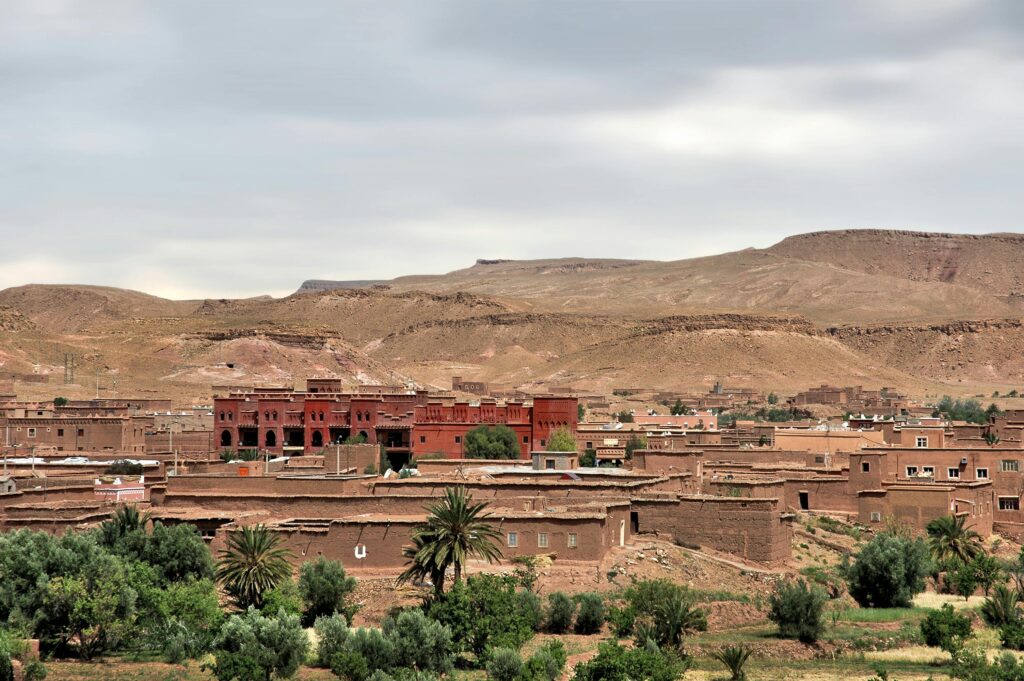
Tourism remains concentrated in a few major destinations, leaving some regions underdeveloped.
2. Infrastructure Gaps
While major cities are well-equipped, smaller المناطق may lack:
- Transportation access
- Accommodation options
- Tourism services
3. Environmental Pressures
Popular destinations face risks such as:
- Overcrowding
- Resource strain
- Environmental degradation
4. Global Economic Uncertainty
Factors such as inflation and currency fluctuations can influence travel demand.
Balancing Growth with Sustainability
Morocco is increasingly focusing on sustainable tourism development.
Eco-Tourism Initiatives
Promoting nature-based tourism in:
- National parks
- Rural and mountain regions
Community-Based Tourism
Encouraging local communities to participate in tourism helps:
- Distribute economic benefits
- Preserve cultural heritage
Responsible Travel Campaigns
Efforts are being made to educate visitors on:
- Respecting local customs
- Protecting natural environments
Opportunities for Future Growth
Morocco has several opportunities to build on its momentum.
Expanding into New Markets
Targeting travelers from:
- Asia
- North America
- The Middle East
can diversify visitor sources.
Developing Niche Tourism Segments
Potential areas include:
- Wellness tourism
- Adventure travel
- Culinary tourism
- Cultural festivals
Leveraging Technology
Digital tools can improve:
- Travel planning
- Marketing
- Visitor experience
Morocco in the Global Tourism Landscape
Morocco’s growth reflects broader global trends.
As travelers seek:
- Authentic experiences
- Diverse destinations
- Affordable travel options
countries like Morocco are well-positioned to compete with more traditional destinations.
Frequently Asked Questions
How much did Morocco’s tourism grow in 2026?
Tourist arrivals increased by approximately 7% in the first quarter of 2026.
Which countries send the most tourists to Morocco?
France and Spain are among the largest source markets, along with other European countries.
What are Morocco’s main tourist attractions?
Key attractions include Marrakech, Fez, the Sahara Desert, and coastal cities like Agadir.
Why is Morocco popular with tourists?
Its combination of culture, history, landscapes, and affordability makes it attractive.
What challenges does Morocco face in tourism?
Challenges include uneven development, infrastructure gaps, and environmental concerns.
Is Morocco focusing on sustainable tourism?
Yes. The country is promoting eco-tourism and community-based tourism initiatives.
What is the future outlook for Morocco tourism?
The outlook is positive, with continued growth expected if challenges are addressed.
Conclusion
Morocco’s 7% increase in tourist arrivals marks a strong start to 2026 and highlights the country’s resilience and appeal as a global travel destination. However, sustaining this growth will require more than rising numbers—it will depend on addressing structural challenges, promoting sustainability, and ensuring that tourism benefits are shared across regions.
As Morocco continues to evolve its tourism strategy, it has the potential not only to grow but to become a model for balanced, inclusive, and sustainable tourism development in the years ahead.
Sources Reuters

