
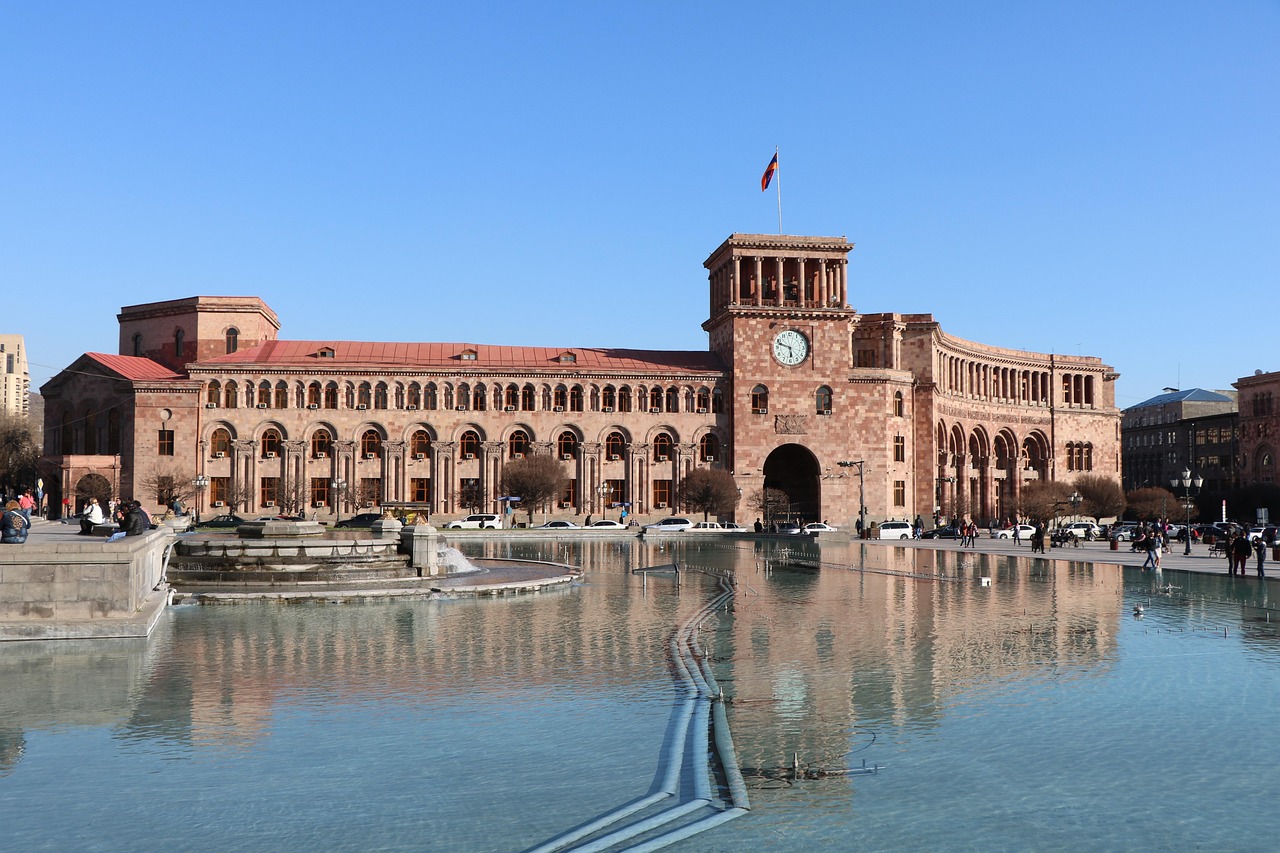
Armenia, a country rich in history, culture, and natural beauty, is increasingly turning to tourism as a powerful driver of economic growth and job creation. With support from international organizations like the World Bank, Armenia is investing in local economies—particularly in rural and underserved regions—to ensure that tourism benefits are widely shared.
This strategy reflects a broader global shift toward inclusive and sustainable tourism, where growth is not measured only by visitor numbers, but by its impact on communities, livelihoods, and long-term development.

Armenia’s Tourism Potential
Armenia offers a unique blend of attractions that appeal to a wide range of travelers:
- Ancient monasteries and UNESCO World Heritage sites
- Scenic landscapes including mountains, lakes, and forests
- Rich culinary traditions and wine culture
- A deep historical identity as one of the world’s oldest civilizations
These assets position Armenia as an emerging destination for cultural, adventure, and experiential tourism.
Tourism as a Catalyst for Local Economies
One of the key goals of Armenia’s tourism strategy is to channel economic benefits directly into local communities.
Job Creation
Tourism supports employment across sectors such as:
- Hospitality (hotels, guesthouses)
- Food and beverage services
- Transportation
- Tour guiding and cultural services
Importantly, many of these jobs are accessible to:
- Women
- Youth
- Rural populations
Supporting Small Businesses
Local entrepreneurs play a crucial role in Armenia’s tourism ecosystem.
Tourism creates opportunities for:
- Family-run guesthouses
- Local craft producers
- Farmers supplying food to restaurants
- Cultural performers and artisans
This helps diversify income sources and strengthen local economies.
Investment in Infrastructure and Accessibility
To unlock tourism potential, Armenia has been investing in infrastructure improvements.
Transportation
- Upgrading roads to connect remote areas
- Improving access to key tourist sites
Public Facilities
- Visitor centers
- Signage and information systems
- Sanitation and safety infrastructure
Digital Connectivity
- Online booking platforms
- Digital marketing tools for local businesses
These investments make destinations more accessible and improve the overall visitor experience.
The Role of the World Bank and Development Programs
International support has been instrumental in advancing Armenia’s tourism sector.
Programs focus on:
- Financing infrastructure projects
- Supporting local entrepreneurship
- Providing training and capacity-building
- Promoting sustainable tourism practices
These initiatives aim to create a self-sustaining tourism ecosystem that continues to grow over time.
Empowering Rural Communities
A major focus of Armenia’s tourism strategy is rural development.
Community-Based Tourism
Local communities are encouraged to:
- Host visitors in guesthouses
- Offer cultural experiences
- Share traditional knowledge and practices
Reducing Urban-Rural Inequality
By directing tourism to rural areas, Armenia can:
- Reduce economic disparities
- Create opportunities outside major cities
- Prevent rural depopulation

Sustainability and Cultural Preservation
Armenia is also emphasizing sustainable tourism practices.
Environmental Protection
Efforts include:
- Promoting eco-friendly tourism
- Protecting natural landscapes
- Encouraging responsible travel behavior
Cultural Heritage Preservation
Tourism revenue can support:
- Restoration of historic sites
- Preservation of traditions and crafts
- Cultural education initiatives
Challenges and Areas for Improvement
Despite progress, Armenia faces several challenges.
Limited Global Awareness
Armenia is still relatively unknown compared to major tourism destinations.
Infrastructure Gaps
Some remote areas require further development to handle increased visitor numbers.
Workforce Skills
Training is needed to ensure high-quality service standards.
Seasonal Tourism
Tourism demand can fluctuate depending on the time of year, affecting income stability.
Opportunities for Future Growth
Armenia has significant potential to expand its tourism sector.
Niche Tourism Segments
- Wine tourism (Armenia is one of the oldest wine-producing regions)
- Adventure tourism (hiking, skiing, outdoor activities)
- Cultural and religious tourism
Digital Promotion
Leveraging social media and online platforms can increase visibility.
Regional Collaboration
Partnerships with neighboring countries can create multi-destination travel experiences.
Global Lessons from Armenia
Armenia’s approach highlights key principles for successful tourism development:
- Focus on local communities
- Invest in infrastructure
- Promote sustainability
- Encourage entrepreneurship
These lessons are relevant for many countries seeking to use tourism as a development tool.
Frequently Asked Questions
Why is tourism important for Armenia?
Tourism generates income, creates jobs, and supports local businesses, especially in rural areas.
How does tourism benefit local communities?
It provides employment, supports small businesses, and promotes cultural preservation.
What role does the World Bank play?
The World Bank supports infrastructure, training, and sustainable tourism initiatives.
What are Armenia’s main tourist attractions?
Historic monasteries, natural landscapes, cultural experiences, and cuisine.
What challenges does Armenia face?
Limited global awareness, infrastructure gaps, and workforce development needs.
Is tourism in Armenia sustainable?
Efforts are being made to promote eco-friendly and community-based tourism.
What is the future outlook?
The outlook is positive, with strong potential for growth and diversification.
Conclusion
Armenia’s investment in tourism demonstrates how the sector can serve as a powerful engine for economic development—especially when it is rooted in local communities. By focusing on inclusivity, sustainability, and strategic investment, the country is building a tourism model that benefits not just visitors, but also the people who call these destinations home.
As global travelers increasingly seek authentic and meaningful experiences, Armenia’s approach offers a compelling example of how tourism can drive growth while preserving culture and supporting communities.
In the years ahead, the success of this strategy will depend on continued investment, innovation, and a commitment to ensuring that tourism remains a force for positive change.

Sources World Bank Group

