
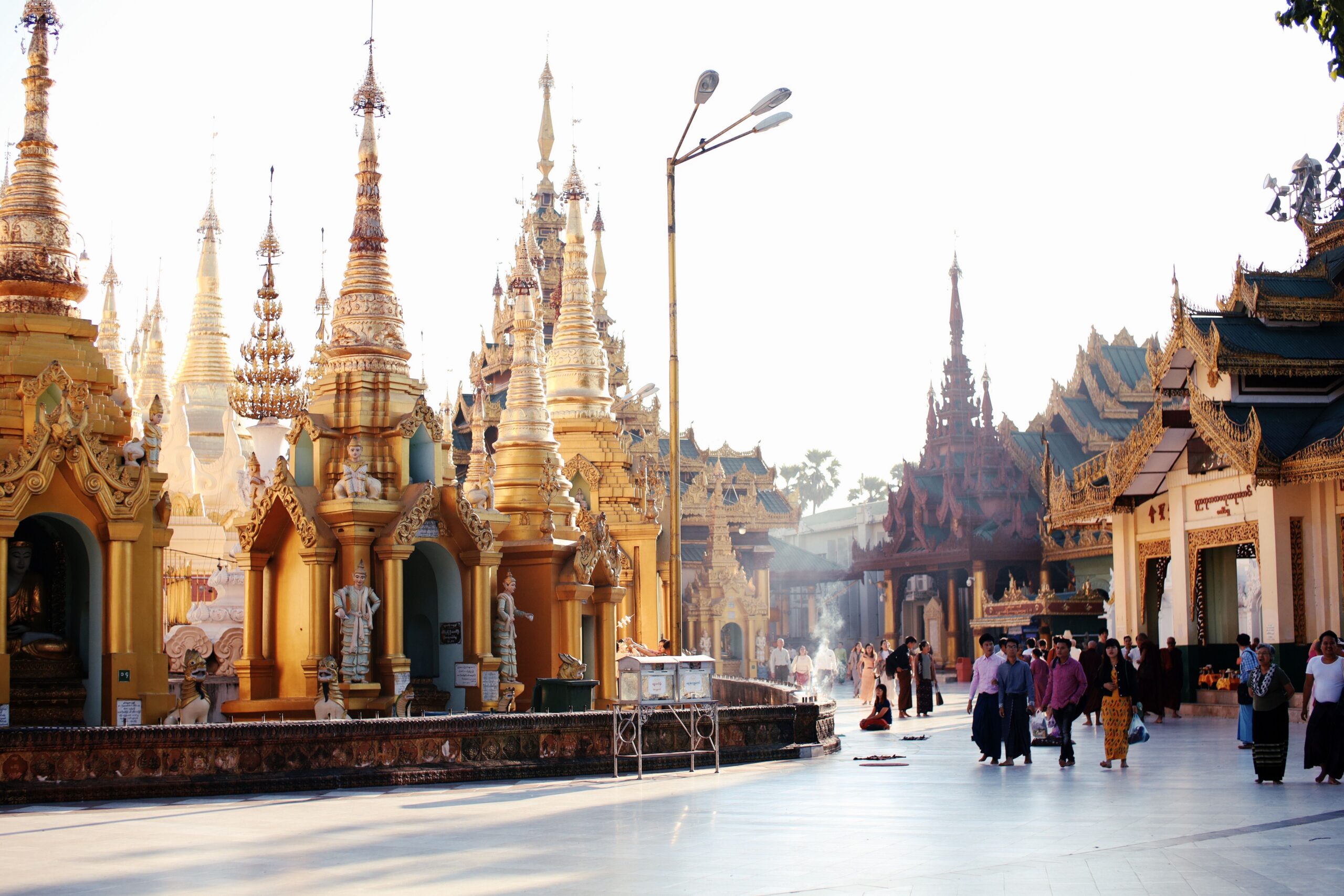
Myanmar, a nation rich in history, spirituality, and architectural wonders, is once again looking to tourism as a pathway to economic recovery. With thousands of ancient temples, sacred Buddhist sites, and centuries-old cultural traditions, the country is placing renewed emphasis on religious and cultural tourism, hoping to attract pilgrims and heritage travelers from across Asia and beyond.
At the heart of this strategy are iconic destinations such as Bagan’s vast temple plains, the golden Shwedagon Pagoda in Yangon, and Mandalay’s revered monasteries. These sites have long been important centers of Buddhist devotion and cultural identity, and officials believe they can help restore international interest in Myanmar’s tourism sector.
However, rebuilding tourism is far more complex than promoting famous landmarks. The industry must also overcome concerns related to political stability, infrastructure, international perceptions, and traveler confidence.

Why Tourism Is So Important to Myanmar
Before recent years of political and economic disruption, tourism played an increasingly significant role in Myanmar’s economy.
The sector supported:
- Hotels and guesthouses
- Restaurants and cafés
- Transportation services
- Tour guides
- Handicraft businesses
- Local markets
- Cultural performers
- Rural communities
Tourism also helped preserve historical monuments by generating funding for conservation efforts.
For many communities surrounding major heritage sites, visitor spending provided an important source of income.
Myanmar’s Extraordinary Religious Heritage
Myanmar is home to one of the world’s richest collections of Buddhist monuments.
Religion is deeply woven into daily life, with Theravāda Buddhism practiced by a large majority of the population.
Among the country’s most significant religious attractions are:
Bagan
Often compared with Cambodia’s Angkor Archaeological Park, Bagan contains more than 2,000 surviving temples, stupas, and monasteries spread across an expansive archaeological plain.
Originally built between the 9th and 13th centuries, Bagan became a UNESCO World Heritage Site in 2019 and remains one of Southeast Asia’s most remarkable archaeological landscapes.
Visitors are drawn by its intricate brick architecture, centuries-old murals, and breathtaking sunrise and sunset views.
Shwedagon Pagoda
Located in Yangon, the Shwedagon Pagoda is Myanmar’s most sacred Buddhist site.
Its golden stupa dominates the city skyline and is believed by many Buddhists to house sacred relics associated with four Buddhas.
Pilgrims gather throughout the year to pray, make offerings, and participate in religious ceremonies.
Mahamuni Buddha Temple
Situated in Mandalay, the Mahamuni Temple is famous for its highly revered Buddha image, which has been covered in layers of gold leaf applied by devotees over many generations.
The temple remains an important pilgrimage destination for Buddhists across the region.
The Growing Importance of Buddhist Pilgrimage Tourism
Unlike conventional sightseeing, pilgrimage tourism is motivated by faith, spirituality, and cultural connection.
Pilgrims often:
- Stay longer.
- Visit multiple religious sites.
- Participate in local ceremonies.
- Support community businesses.
- Return for future religious festivals.
Countries such as Thailand, Sri Lanka, India, Nepal, Bhutan, and Japan have long benefited from religious tourism.
Myanmar hopes to strengthen its position within this broader network of Buddhist pilgrimage destinations.
More Than Ancient Temples
Myanmar’s appeal extends beyond religious monuments.
The country offers remarkable cultural and natural attractions, including:
- Inle Lake and its floating villages.
- Traditional Shan highlands.
- Colonial architecture in Yangon.
- Indigenous cultural communities.
- Local handicrafts.
- Traditional festivals.
- River cruises along the Ayeyarwady (Irrawaddy) River.
These attractions can complement pilgrimage tourism by encouraging longer stays and broader exploration.

Challenges Facing Myanmar’s Tourism Recovery
Although Myanmar possesses extraordinary cultural assets, rebuilding tourism remains difficult.
Several factors continue to influence visitor confidence.
Political Instability
Political developments in recent years have significantly affected international travel demand.
Many governments continue issuing travel advisories for parts of Myanmar.
Travelers should always consult official guidance from their home country’s foreign affairs department before planning a trip.
Infrastructure Development
While major tourist destinations have improved facilities over time, some regions still face challenges related to:
- Transportation
- Road conditions
- Healthcare access
- Internet connectivity
- Tourist services
Continued investment will be important for attracting international visitors.
International Perception
Tourism depends heavily on traveler confidence.
Even when individual destinations remain relatively accessible, international media coverage can influence travel decisions.
Rebuilding trust often requires years of consistent progress.
Balancing Tourism and Heritage Preservation
Myanmar’s ancient monuments require careful protection.
Increasing visitor numbers can create pressures including:
- Structural wear.
- Erosion.
- Waste management.
- Unauthorized climbing.
- Environmental damage.
Conservation experts increasingly promote sustainable tourism practices that balance visitor access with long-term preservation.
Protecting these sites ensures future generations can continue experiencing their historical and spiritual significance.
The Economic Benefits of Religious Tourism
Pilgrimage tourism often generates widespread economic activity.
Visitors spend money on:
- Hotels
- Food
- Local transportation
- Religious offerings
- Handicrafts
- Cultural performances
- Local guides
Unlike large resort developments, pilgrimage tourism frequently benefits small family-owned businesses and rural communities located near sacred sites.

Technology Is Transforming Religious Tourism
Digital technology is changing how pilgrims plan their journeys.
Travelers increasingly use:
- Mobile travel apps.
- Digital maps.
- Online temple information.
- Virtual tours.
- AI-powered translation tools.
- Electronic payments.
- Social media recommendations.
Religious organizations are also using online platforms to promote festivals and cultural events to international audiences.
Technology makes pilgrimage more accessible while helping travelers better understand local traditions.
Responsible Tourism in Sacred Places
Visitors should remember that Myanmar’s temples remain active places of worship.
Respectful behavior includes:
- Wearing modest clothing.
- Removing shoes where required.
- Speaking quietly.
- Asking permission before photographing monks or worshippers.
- Following local customs.
- Respecting restricted areas.
Responsible tourism strengthens relationships between visitors and local communities while preserving the dignity of sacred sites.
Lessons from Other Buddhist Destinations
Countries across Asia have demonstrated that religious tourism can become a sustainable economic driver.
Examples include:
- Bodh Gaya in India.
- Lumbini in Nepal.
- Kandy in Sri Lanka.
- Kyoto in Japan.
- Ayutthaya in Thailand.
These destinations combine heritage preservation, modern visitor facilities, and cultural education.
Myanmar may benefit from adopting similar long-term strategies while preserving its unique identity.
The Future of Tourism in Myanmar
Myanmar’s tourism future will depend on more than the beauty of its ancient temples.
Long-term success requires:
- Political stability.
- Improved infrastructure.
- Heritage conservation.
- International cooperation.
- Sustainable tourism policies.
- Community involvement.
- Visitor confidence.
If these conditions improve, Myanmar’s remarkable cultural heritage could once again attract travelers seeking authentic spiritual and historical experiences.
The country’s temples have stood for centuries through changing dynasties and historical transformations.
Whether they become a catalyst for tourism’s revival will depend on balancing preservation, accessibility, and the trust of international visitors.

Frequently Asked Questions (FAQs)
1. Why is Myanmar promoting Buddhist pilgrimage tourism?
Myanmar hopes to revive its tourism industry by highlighting its world-famous Buddhist temples, sacred sites, and cultural heritage, attracting pilgrims and cultural travelers from across Asia and beyond.
2. What are Myanmar’s most famous religious attractions?
Major attractions include Bagan’s ancient temples, the Shwedagon Pagoda in Yangon, Mahamuni Buddha Temple in Mandalay, and numerous monasteries, pagodas, and archaeological sites throughout the country.
3. Is Myanmar safe for tourists?
Safety conditions vary by region. Travelers should carefully review current travel advisories from their government’s foreign affairs department and monitor local developments before planning a visit.
4. What is pilgrimage tourism?
Pilgrimage tourism involves traveling primarily for religious or spiritual purposes. Visitors often seek to pray, participate in ceremonies, visit sacred places, and deepen their understanding of a particular faith or cultural tradition.
5. How can visitors help protect Myanmar’s heritage sites?
Travelers can support preservation by respecting local customs, following site regulations, avoiding damage to historical structures, supporting local businesses, minimizing waste, and practicing responsible tourism throughout their visit.
Conclusion
Myanmar’s ancient temples are more than architectural masterpieces—they are living symbols of faith, history, and cultural identity. As the country seeks to rebuild its tourism industry through Buddhist pilgrimage and heritage travel, it has an opportunity to showcase one of Southeast Asia’s most remarkable cultural landscapes.
Yet lasting success will depend on more than attracting visitors. Protecting historic monuments, strengthening local communities, improving infrastructure, and fostering international confidence will be essential. If these goals are achieved, Myanmar could once again emerge as one of Asia’s most compelling destinations for travelers seeking both spiritual enrichment and cultural discovery.

Sources Spokesman

