
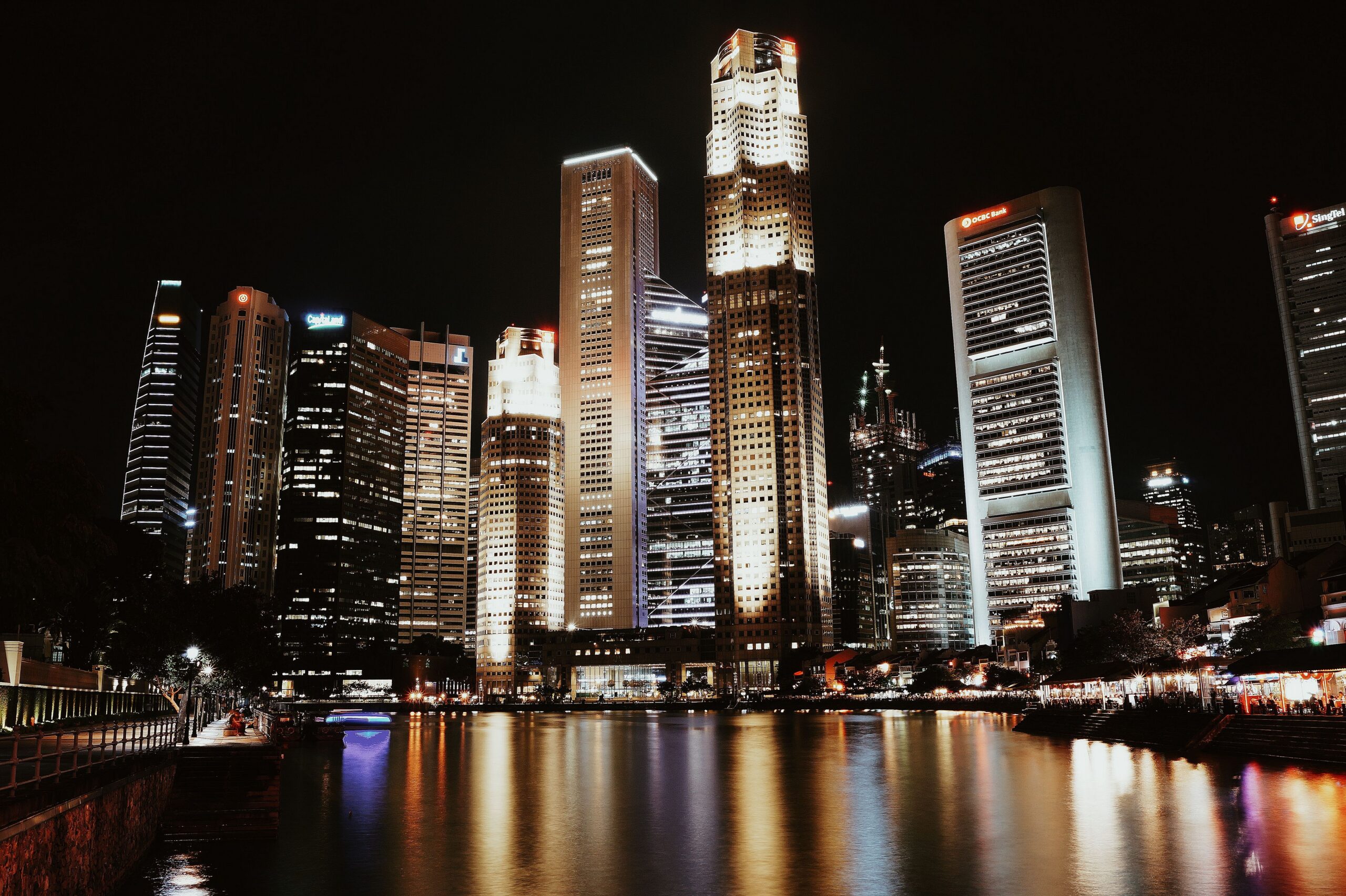
Singapore has long established itself as one of Asia’s premier travel destinations. Known for its world-class airport, efficient transportation, iconic skyline, luxury hotels, multicultural neighborhoods, and thriving business environment, the city-state consistently attracts both leisure and business travelers from around the world.
Following the global recovery of international travel, Singapore’s tourism industry has regained strong momentum. Visitor arrivals are rising, major international events are returning, and hotel occupancy remains healthy. At first glance, the outlook appears exceptionally positive.
However, beneath these encouraging figures lies a more competitive reality. Success in Singapore’s hospitality industry is no longer guaranteed. Hotels now face increasing competition, changing traveler expectations, rising operating costs, labor challenges, and rapid technological transformation.
The future belongs not simply to hotels that attract more guests, but to those that deliver greater value, memorable experiences, and operational excellence.

Singapore’s Tourism Recovery Is Gaining Strength
Singapore has benefited from several trends supporting tourism growth:
- The return of international air travel.
- Expanded airline connectivity through Changi Airport.
- A strong calendar of business conferences and exhibitions.
- Major concerts and sporting events.
- Growing demand for luxury and premium travel.
- Increasing interest in Southeast Asia among global travelers.
The country’s reputation for safety, cleanliness, political stability, and efficient public transportation continues to make it attractive for both first-time visitors and repeat travelers.
Unlike destinations that rely mainly on seasonal tourism, Singapore enjoys a relatively balanced mix of leisure, business, education, and medical travel throughout the year.
Business Travel Remains a Key Advantage
One of Singapore’s greatest strengths is its position as a regional business hub.
Thousands of professionals visit annually for:
- International conferences
- Trade exhibitions
- Corporate meetings
- Financial services
- Technology events
- Government forums
Business travelers often:
- Stay in higher-end hotels.
- Spend more on dining.
- Extend their visits for leisure.
- Return regularly.
This combination provides hotels with a relatively stable source of revenue beyond traditional holiday tourism.
The Meetings, Incentives, Conferences, and Exhibitions (MICE) sector continues to be a major pillar of Singapore’s visitor economy.
Competition Is Increasing Across Every Hotel Segment
While visitor numbers are improving, hotel operators face growing competition.
New properties continue entering the market, while existing hotels invest heavily in renovations and digital transformation.
Competition now exists across multiple categories:
- Luxury hotels
- Boutique hotels
- Business hotels
- Serviced apartments
- Lifestyle hotels
- Budget accommodations
Guests have more choices than ever before, making differentiation increasingly important.

Travelers Expect More Than Comfortable Rooms
Modern travelers are no longer satisfied with simply having a clean room and convenient location.
Today’s guests increasingly value:
- Personalized experiences.
- Fast digital check-in.
- High-speed internet.
- Wellness facilities.
- Sustainable practices.
- Flexible workspaces.
- Local cultural experiences.
- Exceptional customer service.
Hotels must continuously innovate to meet evolving expectations.
The guest experience has become a major competitive advantage.
Rising Operating Costs Create New Challenges
Hotels across Singapore continue facing increasing costs.
Major expenses include:
- Employee wages.
- Energy consumption.
- Food and beverage supplies.
- Property maintenance.
- Technology investments.
- Insurance.
- Marketing.
Higher costs make profitability more challenging, even when occupancy remains strong.
Many operators are therefore focusing on improving efficiency rather than relying solely on higher room rates.
Technology Is Reshaping Hospitality
Digital transformation has become essential rather than optional.
Hotels increasingly use technology to improve both operations and guest satisfaction.
Common innovations include:
AI-Powered Customer Service
Artificial intelligence assists with:
- Reservation management.
- Customer inquiries.
- Personalized recommendations.
- Multilingual support.
- Concierge services.
AI allows staff to focus on more complex guest needs.
Contactless Experiences
Guests increasingly expect:
- Mobile check-in.
- Digital room keys.
- Contactless payments.
- QR-code menus.
- Online concierge services.
These features improve convenience while reducing waiting times.
Smart Hotel Rooms
Modern rooms may include:
- Voice-controlled lighting.
- Smart air conditioning.
- Automated curtains.
- Energy management systems.
- Personalized entertainment.
Technology enhances both comfort and operational efficiency.

Sustainability Has Become a Competitive Advantage
Environmental responsibility is increasingly influencing travel decisions.
Hotels are introducing initiatives such as:
- Energy-efficient lighting.
- Water-saving systems.
- Reduced single-use plastics.
- Food waste reduction.
- Sustainable sourcing.
- Green building certifications.
Corporate clients, in particular, often consider sustainability policies when selecting accommodation for business events.
Responsible operations can improve both environmental performance and brand reputation.
Labor Shortages Continue to Affect Hospitality
Like many countries, Singapore faces workforce challenges.
Hotels compete for skilled employees in:
- Front office operations.
- Housekeeping.
- Food and beverage services.
- Culinary roles.
- Engineering.
- Guest relations.
Recruiting and retaining experienced staff remains difficult.
To address shortages, many hotels invest in:
- Staff training.
- Career development.
- Flexible scheduling.
- Automation for repetitive tasks.
Human service remains one of hospitality’s greatest strengths.
Personalization Is Becoming the New Standard
Artificial intelligence and customer data now allow hotels to personalize guest experiences.
Examples include:
- Remembering room preferences.
- Recommending nearby attractions.
- Offering customized dining suggestions.
- Celebrating birthdays or anniversaries.
- Tailoring loyalty rewards.
Personalization helps create memorable stays while encouraging repeat visits.
Luxury Travel Is Growing
Singapore continues attracting affluent travelers seeking premium experiences.
Luxury guests increasingly prioritize:
- Privacy.
- Wellness.
- Exclusive dining.
- Unique local experiences.
- High-quality service.
- Bespoke travel itineraries.
Hotels that successfully combine luxury with authentic local culture often enjoy stronger customer loyalty.

Singapore’s Expanding Tourism Ecosystem
Hotels benefit from Singapore’s broader tourism strategy.
Major attractions include:
- Marina Bay Sands.
- Gardens by the Bay.
- Sentosa Island.
- Universal Studios Singapore.
- Jewel Changi Airport.
- Singapore Botanic Gardens.
- Chinatown.
- Little India.
- Kampong Glam.
The city also hosts international events ranging from Formula 1 races and global concerts to technology conferences and cultural festivals.
These attractions encourage longer stays and repeat visits.
What Hotels Must Do to Stay Competitive
Future success depends on more than occupancy rates.
Hotels should focus on:
- Delivering exceptional customer service.
- Investing in technology.
- Improving operational efficiency.
- Supporting employee development.
- Strengthening sustainability efforts.
- Offering authentic local experiences.
- Building strong loyalty programs.
Rather than competing solely on price, successful hotels compete on overall value.
The Future of Singapore’s Hospitality Industry
The long-term outlook remains optimistic.
Singapore’s strong infrastructure, global connectivity, stable economy, and reputation for excellence provide a solid foundation for continued tourism growth.
However, the market will become increasingly sophisticated.
Artificial intelligence, sustainability, personalization, and digital innovation will likely shape the next generation of hospitality.
Hotels that adapt quickly to changing traveler expectations will be better positioned to thrive in a highly competitive environment.

Frequently Asked Questions (FAQs)
1. Why is Singapore’s tourism industry expected to grow?
Singapore benefits from strong international connectivity, world-class infrastructure, business travel, major events, and a reputation for safety and high-quality visitor experiences.
2. What challenges do Singapore hotels currently face?
Hotels face rising operating costs, labor shortages, increasing competition, changing guest expectations, and the need for continuous investment in technology and sustainability.
3. How is artificial intelligence changing hotels?
AI helps automate reservations, customer support, personalized recommendations, multilingual communication, and operational management, allowing hotel staff to focus more on guest service.
4. Why is sustainability important for hotels?
Many travelers and corporate clients now consider environmental responsibility when choosing accommodations. Sustainable practices can reduce costs, improve brand reputation, and support long-term tourism growth.
5. What makes Singapore attractive to international travelers?
Singapore offers a unique combination of modern infrastructure, multicultural experiences, excellent public transportation, world-famous attractions, luxury shopping, outstanding food, business opportunities, and one of the world’s best-connected airports.
Conclusion
Singapore’s tourism industry stands at an exciting crossroads. Visitor numbers are climbing, international events are returning, and the nation’s reputation as a premier global destination remains strong.
Yet growth alone is no guarantee of success. Hotels must navigate a landscape shaped by technological disruption, evolving traveler preferences, workforce challenges, and increasing competition.
Those that embrace innovation without losing the personal touch of hospitality will be best positioned to succeed. In the years ahead, Singapore’s strongest hotel brands are likely to be those that blend efficiency with exceptional service, sustainability with profitability, and global standards with authentic local experiences.

Sources The Business Times

