
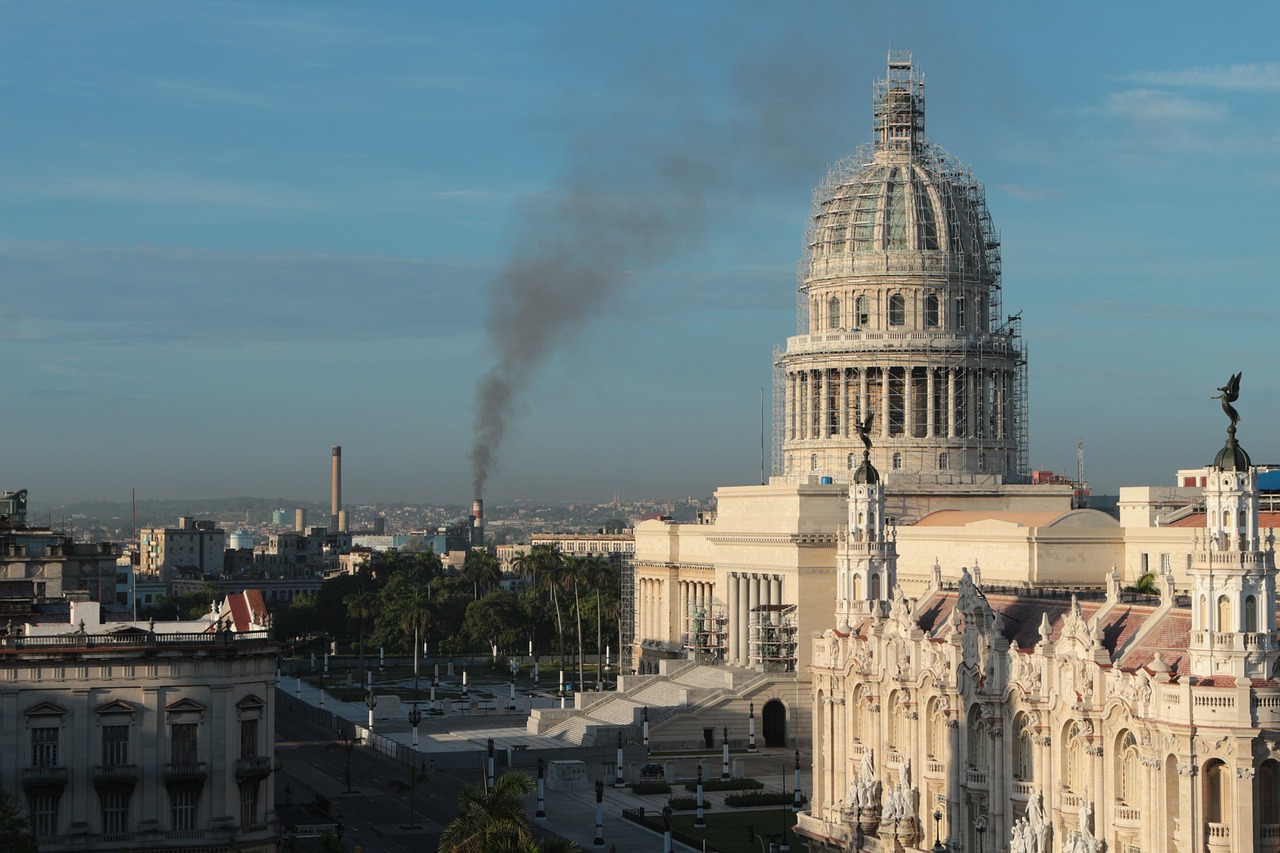
Tourism has long been one of Cuba’s most important economic lifelines, generating foreign currency, supporting employment, and funding a wide range of services. However, the sector has once again found itself at the center of geopolitical tensions following the United States’ decision to impose new sanctions targeting Cuba’s Tourism Ministry and several state-owned companies.
While sanctions are often discussed in political terms, their effects extend far beyond government institutions. They can influence international travel, hotel investments, airline operations, cruise tourism, financial transactions, and the everyday lives of people working in the tourism industry.
Understanding these measures requires looking beyond the headlines. The impact depends not only on the legal restrictions themselves but also on how governments, businesses, travelers, and financial institutions respond over time.

Why Tourism Matters to Cuba
Tourism is one of Cuba’s largest sources of foreign exchange.
The industry supports thousands of jobs across sectors such as:
- Hotels and resorts
- Restaurants and cafés
- Tour operators
- Transportation services
- Cultural attractions
- Local markets
- Entertainment venues
- Small private businesses
Visitor spending also contributes to infrastructure development and helps sustain communities that depend heavily on international tourism.
Because Cuba has faced economic challenges for many years, tourism revenue plays a particularly important role in supporting the country’s broader economy.
Understanding U.S. Sanctions
Sanctions are government measures designed to restrict certain forms of economic activity with specific countries, organizations, or individuals.
Depending on their scope, sanctions may affect:
- Financial transactions
- Business partnerships
- Investments
- Imports and exports
- Travel-related services
- Access to international banking systems
The United States has maintained various sanctions on Cuba for decades, although their scope and enforcement have changed under different administrations.
New measures targeting tourism-related entities represent another development within this long-standing policy framework.
Why the Tourism Sector Is Being Targeted
Tourism occupies a unique position in Cuba’s economy because many hotels, infrastructure projects, and tourism enterprises are connected to state-owned organizations.
As a result, restrictions aimed at government-linked institutions may also influence parts of the broader tourism industry.
Supporters of sanctions generally argue that economic pressure can encourage political or policy changes.
Critics argue that sanctions may also create unintended economic consequences for workers, entrepreneurs, and communities that rely on tourism income.
The effectiveness of sanctions remains a subject of ongoing international debate.
Potential Effects on International Travelers
For many travelers, daily tourism activities may continue much as before.
However, sanctions can create indirect challenges such as:
- Changes in payment options.
- Banking restrictions.
- Hotel booking limitations.
- Additional compliance requirements.
- Greater uncertainty when planning trips.
Travelers should always verify current regulations issued by their own governments before arranging travel to Cuba.
Impact on Hotels and Hospitality
Hotels connected to sanctioned organizations may experience additional operational challenges.
Possible consequences include:
- Reduced access to international investment.
- More complex financial transactions.
- Higher operating costs.
- Slower modernization projects.
- Reduced access to imported equipment.
Independent accommodations, including privately operated guesthouses where permitted under local regulations, may be affected differently depending on their ownership structure and customer base.
Airlines and Cruise Operators
Transportation companies carefully monitor changes in international regulations.
Although flights and cruises are governed by numerous bilateral agreements and commercial considerations, sanctions can influence:
- Route planning.
- Insurance.
- Payment processing.
- Partnerships.
- Operational costs.
Companies typically adapt their operations to remain compliant with applicable laws.
The Role of State-Owned Enterprises
Many sectors of Cuba’s economy include significant state participation.
State-owned enterprises often play major roles in:
- Tourism.
- Transportation.
- Energy.
- Telecommunications.
- Infrastructure.
This structure means that restrictions targeting government entities can have broader economic implications than they might in countries with more privately owned tourism industries.
Economic Challenges Beyond Sanctions
While sanctions receive considerable attention, Cuba’s tourism industry also faces other challenges.
These include:
- Global inflation.
- Rising operating costs.
- Competition from other Caribbean destinations.
- Infrastructure needs.
- Currency issues.
- Supply chain disruptions.
- Recovery from the COVID-19 pandemic.
The overall performance of the tourism sector depends on all of these factors rather than any single issue.

The Importance of International Tourism
Visitors come to Cuba for many reasons.
Popular attractions include:
- Historic Havana.
- Colonial architecture.
- Classic American cars.
- Caribbean beaches.
- Music and dance.
- Tobacco culture.
- UNESCO World Heritage Sites.
- Cultural festivals.
Tourism creates opportunities for cultural exchange while supporting businesses ranging from restaurants to artisan workshops.
Maintaining visitor confidence remains important for long-term industry growth.
How Businesses Adapt to Changing Regulations
Tourism companies often respond to changing regulations by:
- Diversifying customer markets.
- Expanding digital booking systems.
- Strengthening compliance programs.
- Improving operational efficiency.
- Developing new tourism products.
Adaptability has become an increasingly valuable skill in an industry influenced by global politics, economic conditions, and changing traveler preferences.
The Human Side of Tourism
Behind every hotel, restaurant, or guided tour are people whose livelihoods depend on visitors.
Hospitality workers include:
- Hotel employees.
- Tour guides.
- Drivers.
- Musicians.
- Artists.
- Restaurant staff.
- Craftspeople.
Changes affecting tourism revenue can influence employment opportunities and household incomes in communities across the island.
This human dimension is often overlooked in discussions focused primarily on international policy.
Sustainable Tourism and Future Opportunities
Despite current challenges, Cuba continues to possess significant tourism assets.
These include:
- Rich cultural heritage.
- Historic cities.
- Natural landscapes.
- Marine environments.
- Unique architecture.
- Distinctive music and cuisine.
Long-term tourism development may benefit from:
- Heritage conservation.
- Environmental sustainability.
- Infrastructure investment.
- Digital tourism services.
- Community-based tourism.
- Cultural preservation.
Responsible tourism can support both economic development and heritage protection.
Looking Ahead
The future of Cuba’s tourism industry will depend on multiple interconnected factors.
These include:
- International diplomatic relations.
- Global travel demand.
- Economic reforms.
- Infrastructure improvements.
- Business confidence.
- Regional competition.
Political developments may influence tourism policy, but traveler preferences, airline capacity, investment, and broader economic trends will also shape future outcomes.
Regardless of changing regulations, Cuba remains a destination with distinctive cultural, historical, and natural attractions that continue to interest visitors from around the world.

Frequently Asked Questions (FAQs)
1. Why did the United States impose new sanctions on Cuba’s tourism sector?
The measures target Cuba’s Tourism Ministry and certain state-owned entities as part of broader U.S. policy toward Cuba. The stated objectives relate to U.S. foreign policy and sanctions enforcement.
2. Do the sanctions mean people cannot travel to Cuba?
Not necessarily. Travel regulations vary depending on a traveler’s nationality and the laws of their home country. Travelers should review current government guidance and applicable legal requirements before making travel plans.
3. How could sanctions affect Cuba’s tourism industry?
Sanctions may complicate financial transactions, investment, business partnerships, and operations involving targeted entities. The overall impact depends on how businesses and governments respond over time.
4. Will tourists notice changes during their visit?
Many visitors may experience little direct impact, but some could encounter changes related to payment methods, booking procedures, or the availability of certain services depending on evolving regulations.
5. What are Cuba’s main tourism strengths despite current challenges?
Cuba continues to attract visitors with its historic cities, Caribbean beaches, vibrant music, colonial architecture, cultural traditions, classic automobiles, UNESCO World Heritage Sites, and unique local experiences.
Conclusion
The latest U.S. sanctions on Cuba’s tourism sector highlight the close relationship between international politics and global travel. While the measures focus on government-linked institutions, their effects may extend to businesses, workers, investors, and travelers connected to the island’s visitor economy.
At the same time, Cuba’s tourism future will be shaped by more than sanctions alone. Infrastructure development, market demand, regional competition, sustainable tourism initiatives, and international cooperation will all play important roles.
For travelers, understanding these broader dynamics provides valuable context when planning a visit. For the industry, adaptability and resilience will remain essential as Cuba navigates an evolving global tourism landscape.

Sources Alzajeera

