
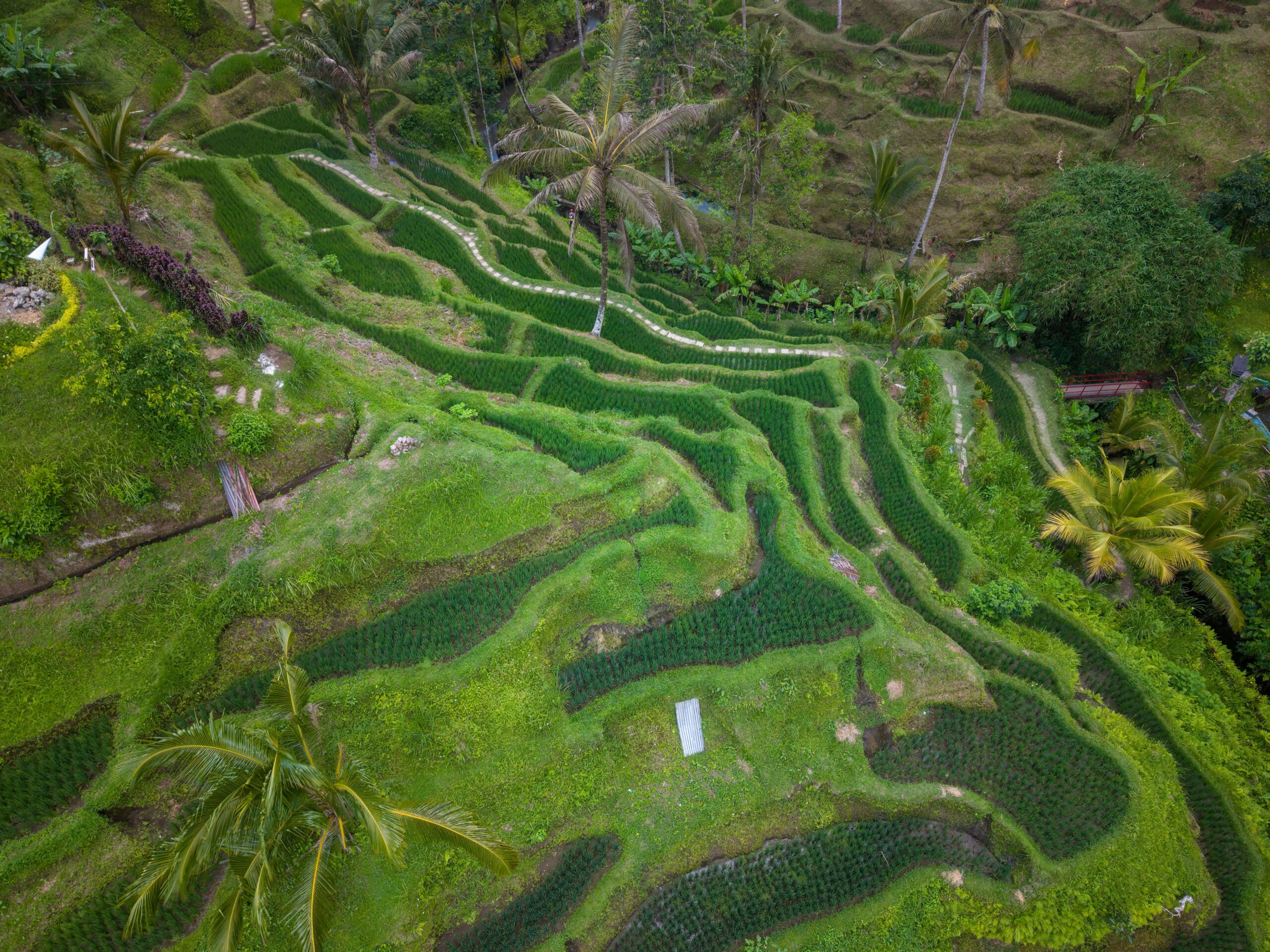
Bali has long been celebrated as one of the world’s most beautiful islands. Its emerald-green rice terraces, sacred water temples, tropical beaches, and vibrant cultural traditions attract millions of visitors every year. Tourism has transformed Bali into a global destination, generating jobs, investment, and economic growth.
However, beneath this success lies an increasingly urgent challenge: water scarcity.
As hotels, luxury villas, restaurants, golf courses, and tourism infrastructure continue to expand, competition for freshwater has intensified. Farmers, local communities, tourism operators, and environmental experts are raising concerns about whether Bali’s natural water resources can continue supporting both residents and a growing visitor economy.
The debate is not simply about who is “stealing” Bali’s water. Instead, it is about how limited resources should be managed fairly, sustainably, and responsibly in an island environment where demand continues to rise while climate conditions become more unpredictable.

Why Water Is So Important in Bali
Freshwater is essential to nearly every aspect of life on the island.
It supports:
- Drinking water for residents.
- Rice farming.
- Religious ceremonies.
- Household use.
- Hotels and resorts.
- Restaurants.
- Swimming pools.
- Landscaping.
- Manufacturing.
- Ecosystems and wildlife.
Unlike larger countries that can transport water across long distances, Bali has limited freshwater resources that depend on rainfall, rivers, lakes, springs, and groundwater aquifers.
When demand grows faster than natural replenishment, shortages become increasingly likely.
Tourism’s Growing Water Demand
Tourism is one of Bali’s largest economic sectors, but it is also one of its most water-intensive industries.
Hotels and tourism facilities consume water for:
- Guest rooms.
- Swimming pools.
- Laundry services.
- Gardens.
- Restaurants.
- Spa facilities.
- Cleaning and maintenance.
Luxury accommodations often require significantly more water per guest than the average local household.
Additional tourism development—including villas, shopping centers, and entertainment venues—further increases daily demand.
As visitor numbers rise, total water consumption grows alongside them.

Rice Farming and Bali’s Cultural Identity
Rice cultivation is more than an agricultural activity in Bali—it is a cornerstone of the island’s cultural and spiritual heritage.
Many of Bali’s famous rice terraces rely on the Subak irrigation system, a centuries-old community-managed network recognized by UNESCO as a World Heritage cultural landscape.
Subak is based on cooperation rather than competition.
Water is shared among farming communities according to traditional rules that balance agricultural needs with environmental stewardship and religious values.
When water becomes scarce, maintaining this delicate balance becomes increasingly difficult.
Reduced irrigation can lower crop yields, increase farming costs, and encourage landowners to sell agricultural land for tourism development.
Groundwater Is Under Pressure
Much of Bali’s freshwater comes from underground aquifers.
As demand increases, groundwater extraction has intensified.
Excessive pumping can lead to several problems:
- Falling groundwater levels.
- Drying wells.
- Saltwater intrusion in coastal areas.
- Land subsidence.
- Reduced river flows.
Saltwater intrusion is particularly concerning because once seawater contaminates freshwater aquifers, restoration can take many years.
Climate Change Is Making the Problem Worse
Climate change adds another layer of uncertainty.
Scientists have observed shifts in weather patterns that may affect:
- Rainfall timing.
- Dry season duration.
- Extreme weather events.
- Water availability.
Longer dry seasons reduce natural groundwater recharge while increasing water demand from agriculture and tourism.
More intense rainfall, meanwhile, does not always improve water supplies because rapid runoff can reduce the amount of water that infiltrates the soil.
Population Growth and Urban Development
Tourism is only one factor contributing to higher water demand.
Bali has also experienced:
- Population growth.
- Urban expansion.
- Residential development.
- Commercial construction.
- Infrastructure projects.
More people mean greater demand for housing, sanitation, transportation, and public services—all of which require reliable water supplies.
Managing water sustainably therefore requires looking beyond tourism alone.
The Hidden Water Footprint of Tourism
Visitors often notice obvious water uses such as hotel pools or lush gardens, but tourism also has an indirect water footprint.
Water is required to produce:
- Food served in restaurants.
- Hotel linens and towels.
- Electricity generation in some regions.
- Construction materials.
- Landscaping plants.
Every tourism-related product or service carries embedded water consumption.
Understanding this broader footprint helps explain why tourism affects local water resources in ways that are not immediately visible.
Environmental Consequences
Water shortages can affect far more than human activities.
Reduced freshwater availability may impact:
- Wetlands.
- Rivers.
- Coral reef ecosystems.
- Mangrove forests.
- Wildlife habitats.
Healthy ecosystems provide natural services such as flood control, biodiversity conservation, and water purification.
Protecting water resources therefore supports both environmental health and long-term tourism.
Can Technology Help?
Modern technology offers several solutions for reducing water consumption.
Hotels increasingly adopt:
Smart Water Monitoring
Digital sensors can detect leaks, monitor consumption, and identify inefficient equipment.
Water-Efficient Fixtures
Low-flow showers, faucets, and dual-flush toilets significantly reduce water use without affecting guest comfort.
Greywater Recycling
Water from sinks, showers, and laundry can be treated and reused for irrigation or toilet flushing.
Rainwater Harvesting
Capturing rainwater during the wet season reduces dependence on groundwater.
Stored rainwater can support landscaping and other non-drinking purposes.

Sustainable Tourism Is Becoming Essential
Many hotels now recognize that protecting water resources is not only environmentally responsible but also good business.
Travelers increasingly prefer accommodations with strong sustainability practices.
Examples include:
- Linen and towel reuse programs.
- Native landscaping that requires less irrigation.
- Water-efficient swimming pool management.
- Staff training on conservation.
- Public reporting of sustainability goals.
Certification programs for sustainable tourism often evaluate water management alongside energy use and waste reduction.
What Visitors Can Do
Individual travelers also play an important role.
Simple actions include:
- Taking shorter showers.
- Reusing towels when appropriate.
- Reporting water leaks.
- Choosing eco-certified accommodations.
- Avoiding unnecessary water waste.
- Supporting local businesses committed to sustainability.
Small actions become significant when multiplied across millions of visitors.
Balancing Tourism and Local Communities
Tourism provides employment and economic opportunities for many Balinese families.
Hotels, restaurants, transport operators, artisans, and farmers all benefit from visitor spending.
The challenge is therefore not choosing between tourism and local communities.
Instead, it is about ensuring that tourism develops in ways that do not undermine the very natural resources that attract visitors in the first place.
Good water governance requires cooperation among:
- Government agencies.
- Tourism businesses.
- Local communities.
- Farmers.
- Environmental organizations.
- Researchers.
Shared responsibility offers the best chance of achieving long-term sustainability.
Lessons for Other Destinations
Bali is not alone.
Many popular destinations—including parts of Spain, Greece, Thailand, Mexico, and Hawaii—face similar tensions between tourism growth and freshwater availability.
These destinations demonstrate that sustainable water management is becoming an essential part of responsible tourism planning worldwide.
As climate pressures intensify, water may become one of the most important resources shaping the future of global travel.
The Future of Bali’s Water
The future of Bali depends on finding a balance between economic prosperity and environmental protection.
Tourism will likely remain a vital pillar of the island’s economy, but its long-term success depends on preserving the landscapes, cultural traditions, and natural resources that make Bali unique.
Protecting freshwater requires more than technical solutions. It also demands thoughtful planning, stronger regulations, community participation, and a commitment to sustainable development.
If these efforts succeed, Bali can continue welcoming visitors while safeguarding its most precious resource for future generations.

Frequently Asked Questions (FAQs)
1. Why is Bali facing water shortages?
Water demand has increased due to tourism development, population growth, urban expansion, and agriculture, while climate change is making rainfall patterns less predictable and placing additional pressure on freshwater resources.
2. How does tourism affect Bali’s water supply?
Hotels, resorts, villas, restaurants, swimming pools, and landscaped properties consume significant amounts of water, increasing competition for limited freshwater resources, particularly in popular tourist areas.
3. What is the Subak irrigation system?
Subak is Bali’s traditional community-managed irrigation system used for rice farming. It emphasizes cooperation, equitable water sharing, and harmony between agriculture, religion, and nature, and is recognized as a UNESCO World Heritage cultural landscape.
4. What can tourists do to conserve water while visiting Bali?
Visitors can take shorter showers, reuse towels, choose environmentally responsible accommodations, report leaks, avoid unnecessary water waste, and support businesses that prioritize sustainable water management.
5. Can Bali continue growing its tourism industry sustainably?
Yes, but long-term success depends on balancing tourism development with responsible water management, environmental conservation, modern water-saving technologies, effective regulations, and collaboration among government, businesses, and local communities.
Conclusion
Bali’s water challenges highlight a broader question facing many of the world’s most popular destinations: how can economic growth coexist with finite natural resources?
The island’s tourism industry has brought prosperity and global recognition, yet it has also increased pressure on freshwater systems that support local communities, agriculture, and ecosystems.
The path forward is not about assigning blame but about embracing shared responsibility. Through smarter water management, sustainable tourism practices, technological innovation, and respect for Bali’s cultural heritage, the island can protect its most valuable resource while continuing to inspire travelers from around the world.

Sources The Guardian

