
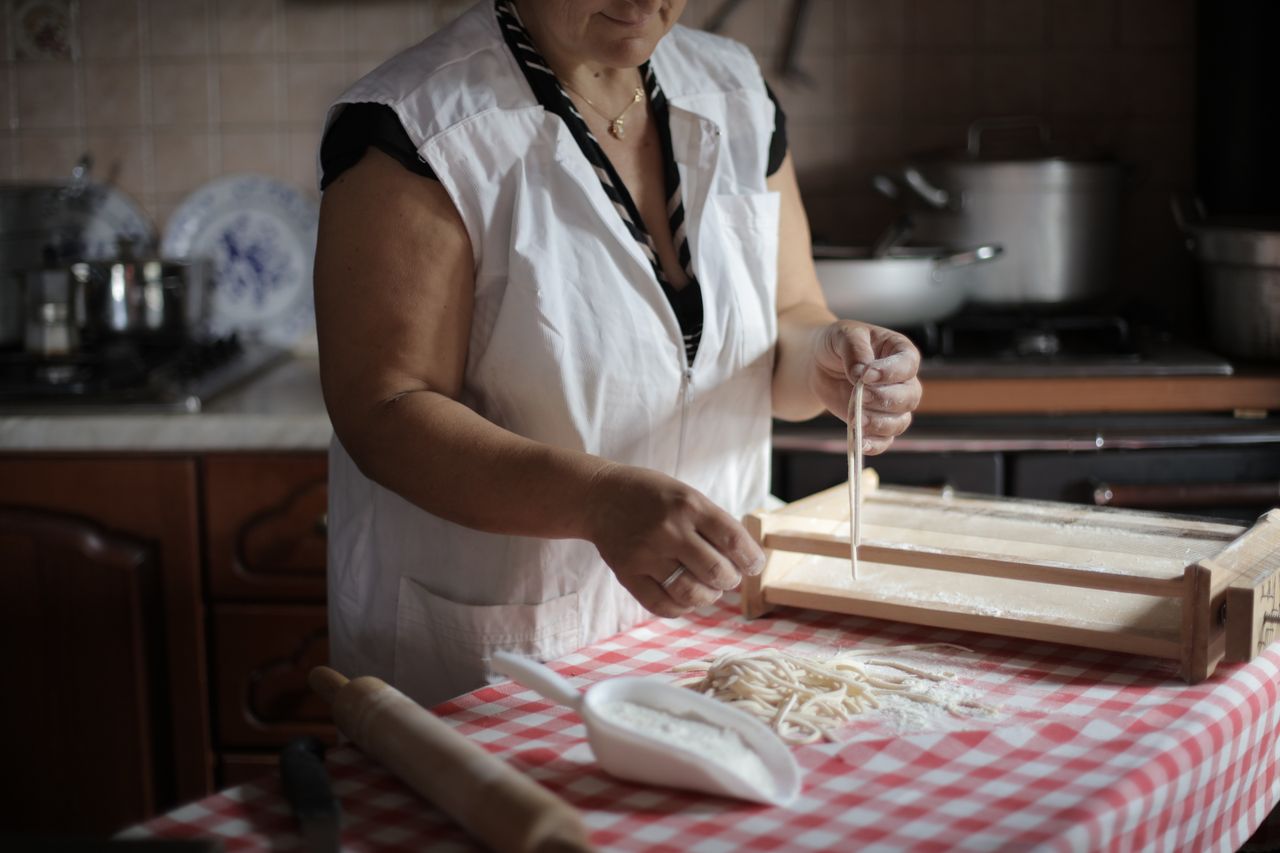
Luxury hotels, fast-paced sightseeing, and packed itineraries have long dominated the travel industry. But a growing trend is encouraging travelers to slow down, embrace simple pleasures, and experience destinations through the eyes of older generations. The latest movement, often called “nonnamaxxing,” is inspired by the traditional lifestyle of grandmothers—particularly the Italian nonna—and focuses on comfort, homemade food, craftsmanship, meaningful conversations, and a slower pace of life.
Rather than chasing famous landmarks or social media hotspots, travelers are paying for experiences that revolve around cooking family recipes, gardening, knitting, baking bread, strolling through quiet villages, and spending time with local communities. The trend reflects a broader shift toward mindful, authentic, and sustainable tourism.

What Is Nonnamaxxing?
The term nonnamaxxing combines the Italian word nonna (grandmother) with the internet slang suffix “maxxing,” which refers to maximizing or fully embracing a particular lifestyle.
In travel, nonnamaxxing means intentionally adopting habits often associated with grandmothers, including:
- Preparing homemade meals
- Baking traditional recipes
- Gardening
- Knitting and sewing
- Visiting local markets
- Spending afternoons reading
- Enjoying slow walks
- Drinking tea or coffee with friends
- Preserving family traditions
- Living at a relaxed pace
The emphasis is not on age but on appreciating timeless routines that prioritize wellbeing, creativity, and human connection.
Why the Trend Is Growing
Several cultural shifts have contributed to the popularity of nonnamaxxing.
Escaping Burnout
Many people feel overwhelmed by busy work schedules, constant digital notifications, and fast-paced lifestyles.
Travel has become an opportunity to slow down rather than cram as many activities as possible into a few days.
Instead of rushing between attractions, travelers are choosing quality over quantity.
The Rise of Slow Tourism
Slow tourism encourages visitors to spend more time in one destination instead of visiting multiple cities in a short period.
Benefits include:
- Reduced travel stress
- Lower environmental impact
- Deeper cultural experiences
- Better support for local businesses
- More meaningful memories
Nonnamaxxing fits naturally into this philosophy by encouraging immersion rather than hurried sightseeing.
Social Media Fatigue
Ironically, although social media helped popularize the trend, many travelers are seeking vacations that involve less screen time.
Rather than searching for the perfect Instagram photo, they want experiences that feel personal and genuine.
Simple moments—kneading dough, harvesting vegetables, or chatting with local residents—often become the highlights of the trip.
What Does a Nonnamaxxing Vacation Look Like?
Unlike conventional vacations focused on sightseeing, a nonnamaxxing itinerary may include:
- Learning traditional pasta-making
- Baking bread in a wood-fired oven
- Visiting weekly farmers’ markets
- Making homemade preserves
- Knitting workshops
- Cheese-making demonstrations
- Herbal gardening
- Flower arranging
- Embroidery classes
- Local storytelling evenings
These activities emphasize learning practical skills while connecting with local traditions.

The Importance of Food
Food lies at the heart of many nonnamaxxing experiences.
Instead of dining exclusively in famous restaurants, travelers often participate in:
- Family cooking classes
- Farm-to-table meals
- Seasonal harvests
- Olive oil tastings
- Cheese production tours
- Traditional baking sessions
Preparing meals together creates opportunities for cultural exchange that restaurant dining alone cannot always provide.
Many travelers leave with recipes passed down through generations.
Rural Communities Benefit
Nonnamaxxing is helping direct tourism toward smaller towns and villages that often receive fewer visitors than major cities.
These communities benefit through:
- Guesthouse bookings
- Farm stays
- Local artisans
- Family-owned restaurants
- Craft workshops
- Agricultural tourism
The economic benefits are spread more evenly rather than concentrating solely in famous tourist destinations.
Traditional Skills Are Making a Comeback
Many activities once viewed as old-fashioned are attracting renewed interest.
Popular workshops include:
- Knitting
- Crochet
- Pottery
- Basket weaving
- Bread baking
- Candle making
- Soap making
- Textile weaving
- Woodworking
- Home gardening
These hands-on experiences offer a refreshing alternative to screen-based entertainment.
Mental Health Benefits
One reason for the trend’s popularity is its focus on wellbeing.
Gentle, repetitive activities such as gardening, knitting, and baking may help reduce stress by encouraging mindfulness and sustained attention.
Travelers often report benefits such as:
- Reduced anxiety
- Better work-life balance
- Increased creativity
- Improved relaxation
- Greater appreciation of simple routines
While these activities are not a substitute for professional mental health care, many people find them calming and restorative.

Sustainability and Responsible Travel
Nonnamaxxing naturally aligns with sustainable tourism.
Common practices include:
- Buying local ingredients
- Supporting family businesses
- Walking instead of driving
- Reducing food waste
- Choosing seasonal produce
- Staying in locally owned accommodations
These choices reduce environmental impact while strengthening local economies.
Technology Still Has a Place
Although the trend encourages slowing down, technology continues to play a supportive role.
Travelers often use:
- Booking platforms for farm stays
- Translation apps
- Digital maps
- Cooking tutorials
- Language-learning tools
The goal is to use technology to enhance the experience without allowing it to dominate the vacation.
Why Younger Generations Are Interested
Despite its nostalgic inspiration, nonnamaxxing has gained popularity among Millennials and Generation Z.
Many younger travelers are seeking:
- Authenticity over luxury
- Experiences over possessions
- Local culture over tourist attractions
- Wellness over constant activity
- Meaningful memories over social media validation
The movement reflects changing values around travel and lifestyle.
A Different Definition of Luxury
Luxury travel is no longer defined only by five-star hotels or exclusive resorts.
For many people, true luxury now means:
- Time to relax
- Homemade meals
- Fresh local ingredients
- Peaceful surroundings
- Meaningful conversations
- Learning traditional skills
- Connecting with local communities
This shift highlights the growing demand for experiences that feel personal rather than extravagant.
The Future of Slow, Experience-Based Tourism
As travelers increasingly seek authenticity, trends like nonnamaxxing are expected to continue growing.
Tourism providers are expanding offerings such as:
- Farm holidays
- Cooking retreats
- Craft workshops
- Heritage experiences
- Wellness-focused village stays
- Cultural immersion programs
These experiences appeal to visitors who want to return home with new skills, stronger memories, and a deeper appreciation for local traditions.
Slowing Down to Discover More
Nonnamaxxing is about more than imitating the routines of grandmothers. It represents a broader cultural shift toward slowing down, embracing craftsmanship, enjoying homemade food, and valuing genuine human connection.
In a world where travel is often measured by how many attractions are visited or photos are posted online, this movement reminds us that some of the most meaningful experiences happen around a kitchen table, in a village garden, or during a quiet afternoon spent learning a tradition that has been passed down for generations.
Sometimes, the most memorable journey is not the one filled with the most destinations—but the one that teaches us to appreciate life’s simplest moments.

Frequently Asked Questions (FAQs)
1. What is nonnamaxxing?
Nonnamaxxing is a lifestyle and travel trend inspired by the traditional routines of grandmothers, emphasizing slow living, homemade food, craftsmanship, relaxation, and meaningful cultural experiences.
2. Why has nonnamaxxing become popular?
The trend has grown as more people seek relief from busy lifestyles, value authentic travel experiences, embrace slow tourism, and prioritize wellbeing over packed itineraries.
3. What activities are common during a nonnamaxxing vacation?
Popular activities include cooking traditional recipes, gardening, knitting, pottery, bread baking, shopping at local markets, staying on farms, and participating in craft workshops.
4. Is nonnamaxxing considered sustainable tourism?
Yes. It often supports local communities, encourages slower travel, reduces environmental impact, and promotes spending at family-owned businesses and small-scale producers.
5. Who is attracted to nonnamaxxing travel?
Although inspired by older generations, the trend is especially popular among younger travelers looking for authentic cultural experiences, wellness-focused vacations, and opportunities to learn traditional skills.

Sources BBC

