
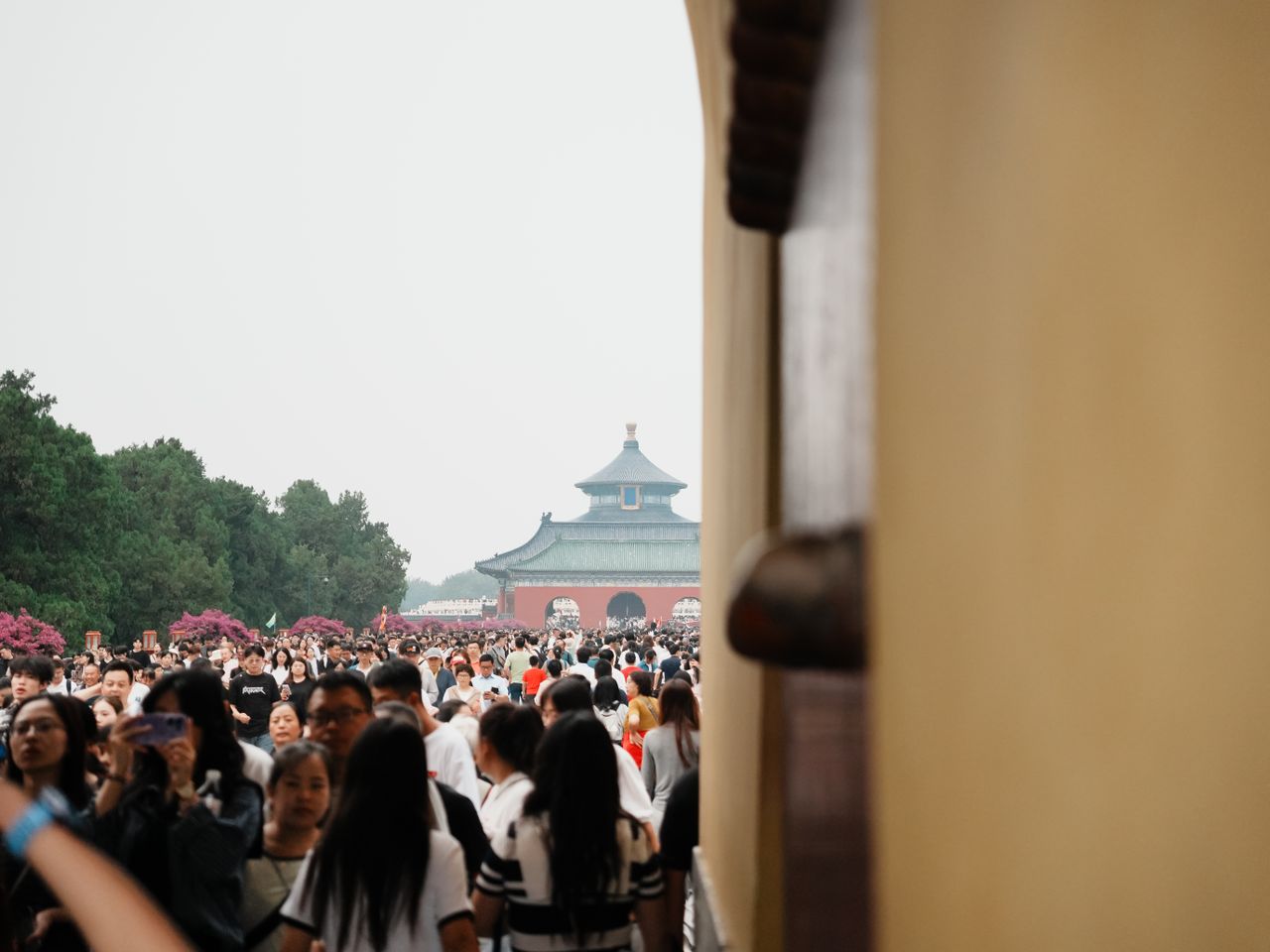
For decades, China has been one of the world’s most visited countries, attracting travelers with its ancient civilization, modern megacities, breathtaking natural landscapes, and rich cultural heritage. Yet in recent years, international tourism has not fully returned to pre-pandemic levels, prompting Chinese authorities and businesses to make renewed efforts to welcome visitors from around the globe.
As the world’s second-largest economy seeks new sources of economic growth, tourism has become more than just a leisure industry—it is increasingly viewed as a driver of consumer spending, international exchange, regional development, and global engagement.
China’s push to attract more overseas visitors reflects broader changes in its economy and in the way countries compete for global tourism.

Tourism as an Economic Growth Engine
Tourism contributes to far more than hotel bookings and sightseeing.
Every international visitor typically spends money on:
- Hotels and accommodations
- Restaurants and cafés
- Local transportation
- Shopping
- Entertainment
- Museums and attractions
- Guided tours
- Cultural performances
This spending supports millions of jobs across sectors including hospitality, retail, aviation, transportation, and food services.
As China’s economy adjusts to slower growth in some traditional industries, expanding inbound tourism offers an opportunity to stimulate domestic consumption and support small and medium-sized businesses.
Why China Is Encouraging More Overseas Visitors
Several factors explain China’s renewed focus on international tourism.
Economic Diversification
Tourism provides revenue across a wide range of industries rather than concentrating benefits in a single sector.
A growing tourism industry can stimulate local economies, particularly in regions that depend on hospitality and cultural attractions.
International Image
Welcoming visitors allows countries to strengthen cultural diplomacy and improve international understanding.
Travelers who experience China firsthand often gain perspectives that differ from what they see through international media or online discussions.
Supporting Local Businesses
Restaurants, hotels, retail stores, transportation providers, museums, and entertainment venues all benefit from increased visitor spending.
Small businesses, in particular, often rely on tourism to generate steady income.

What Makes China Attractive to Travelers?
China offers remarkable diversity that few countries can match.
Ancient History
China is home to thousands of years of civilization.
Popular historical attractions include:
- The Great Wall
- The Forbidden City
- The Terracotta Army
- Ancient water towns
- Historic temples
- Imperial palaces
These landmarks attract history enthusiasts from around the world.
Modern Cities
Cities such as Beijing, Shanghai, Shenzhen, and Guangzhou showcase China’s rapid modernization.
Visitors experience:
- Futuristic skylines
- High-speed rail networks
- Smart city technology
- Luxury shopping
- Contemporary architecture
- World-class dining
The contrast between ancient heritage and cutting-edge innovation is one of China’s unique attractions.
Natural Landscapes
China’s geography ranges from deserts to tropical beaches.
Visitors can explore:
- Zhangjiajie National Forest Park
- Jiuzhaigou Valley
- Guilin’s karst mountains
- Tibet’s high plateau
- Yunnan’s ethnic villages
- Hainan Island’s beaches
Nature tourism continues growing alongside cultural tourism.
Culinary Tourism
Chinese cuisine extends far beyond the dishes commonly found overseas.
Regional specialties include:
- Sichuan cuisine
- Cantonese dim sum
- Beijing roast duck
- Xi’an noodles
- Xinjiang barbecue
- Yunnan mushroom dishes
Food tourism has become one of the strongest motivations for international visitors.
Easier Travel Policies
China has introduced measures aimed at making travel more convenient for international visitors.
These efforts have included:
- Expanded visa-free entry for selected countries
- Simplified visa procedures
- Improved international flight connectivity
- Enhanced multilingual tourism services
- Digital tourism information
- Better payment options for foreign visitors
Reducing travel barriers plays an important role in increasing visitor numbers.
The Importance of Digital Convenience
Modern travelers expect seamless digital experiences.
International visitors increasingly look for:
- Mobile payment compatibility
- Online ticket reservations
- Digital translation tools
- Multilingual maps
- AI-powered travel assistance
- Reliable internet access
As digital ecosystems become central to everyday life, making these services accessible to foreign travelers is becoming increasingly important.

Challenges Facing China’s Tourism Industry
Despite its enormous potential, China still faces several challenges.
International Competition
Countries across Asia, Europe, and the Middle East are aggressively competing for international tourists through marketing campaigns, visa reforms, and new attractions.
China must continue improving the visitor experience to remain competitive.
Language Barriers
Although multilingual services are expanding, travelers may still encounter communication challenges outside major tourist areas.
Improving English-language signage and digital translation support can enhance accessibility.
Payment Systems
Many daily transactions in China rely heavily on mobile payment platforms.
Ensuring foreign visitors can easily use international bank cards and digital wallets is essential for a smooth travel experience.
Sustainable Tourism
Popular destinations must balance increasing visitor numbers with environmental conservation and cultural preservation.
Managing overtourism is becoming an important priority.
The Role of Technology
China is already a global leader in digital innovation.
Tourism is increasingly benefiting from technologies such as:
- Artificial intelligence travel assistants
- Smart hotel services
- Facial recognition check-in systems
- Digital museum experiences
- Virtual tourism previews
- Smart transportation networks
These innovations help create more efficient and personalized travel experiences.
Benefits Beyond Economics
Tourism also strengthens international understanding.
Face-to-face experiences often help people appreciate different cultures, traditions, and perspectives.
Visitors gain firsthand exposure to Chinese society, while local communities interact with people from around the world.
Such exchanges contribute to cultural appreciation and global dialogue.
The Future of Tourism in China
China’s tourism strategy is likely to focus on both increasing visitor numbers and improving visitor quality.
Future priorities may include:
- Sustainable tourism
- Regional tourism development
- Luxury travel
- Eco-tourism
- Cultural heritage preservation
- Smart tourism technologies
- Greater accessibility for international travelers
Rather than concentrating solely on famous destinations such as Beijing and Shanghai, authorities are also promoting lesser-known provinces and rural regions to distribute tourism benefits more evenly.
More Than a Vacation Destination
China’s renewed interest in attracting international tourists reflects broader economic and cultural ambitions.
Tourism generates jobs, supports local businesses, promotes regional development, and encourages cross-cultural understanding. It also allows travelers to experience one of the world’s oldest civilizations alongside one of its most technologically advanced societies.
As global travel continues to recover and evolve, China is positioning itself not only as a destination rich in history and natural beauty but also as a modern, connected, and increasingly accessible place for visitors from around the world.
Whether travelers come to walk along the Great Wall, explore ancient temples, sample regional cuisines, or experience futuristic cities, they contribute to an industry that benefits communities while fostering stronger international connections.
Frequently Asked Questions (FAQs)
1. Why is China encouraging more international tourists?
China sees tourism as a way to stimulate economic growth, support local businesses, create jobs, strengthen cultural exchanges, and diversify sources of consumer spending.
2. What are the most popular tourist attractions in China?
Major attractions include the Great Wall, the Forbidden City, the Terracotta Army, Zhangjiajie National Forest Park, The Bund in Shanghai, Guilin, and numerous historic temples and cultural sites.
3. What challenges do foreign tourists face when visiting China?
Some visitors may encounter language barriers, unfamiliar mobile payment systems, visa requirements, and navigation challenges outside major tourist destinations, although improvements are ongoing.
4. How is technology improving tourism in China?
China is expanding the use of AI travel assistants, smart transportation, digital ticketing, multilingual services, online booking platforms, and mobile technologies to improve visitor experiences.
5. Is China focusing only on major cities for tourism?
No. While cities such as Beijing and Shanghai remain key attractions, China is increasingly promoting rural destinations, cultural heritage sites, natural landscapes, and lesser-known regions to encourage more balanced tourism development.

Sources The Guardian

