
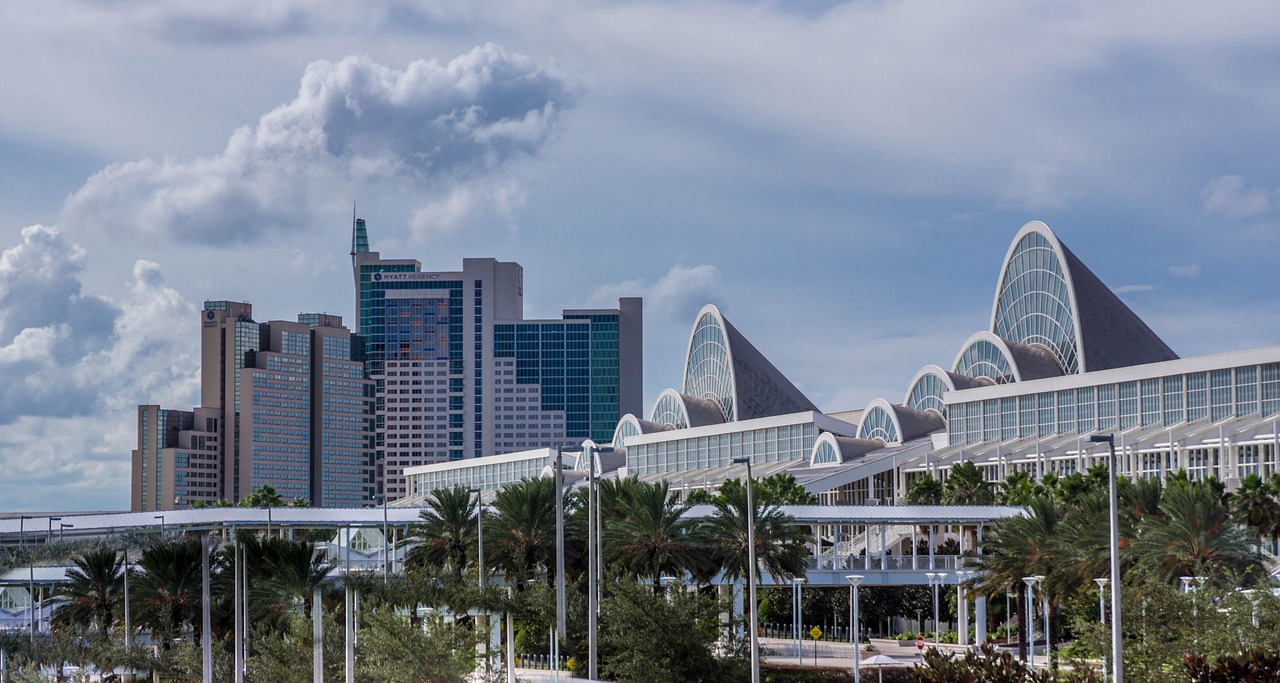
Orlando is one of the world’s most tourism-dependent cities. Home to globally recognized theme parks, convention centers, and family attractions, it relies heavily on international visitors for jobs, tax revenue, and long-term growth. That’s why proposals tied to political social media strategies aimed at tourists—particularly those associated with former President Donald Trump and his media ecosystem—have sparked concern among tourism leaders, local officials, and international travel experts.
At the heart of the debate is a broader question: what happens when tourism, politics, and social media intersect in highly visible destinations?
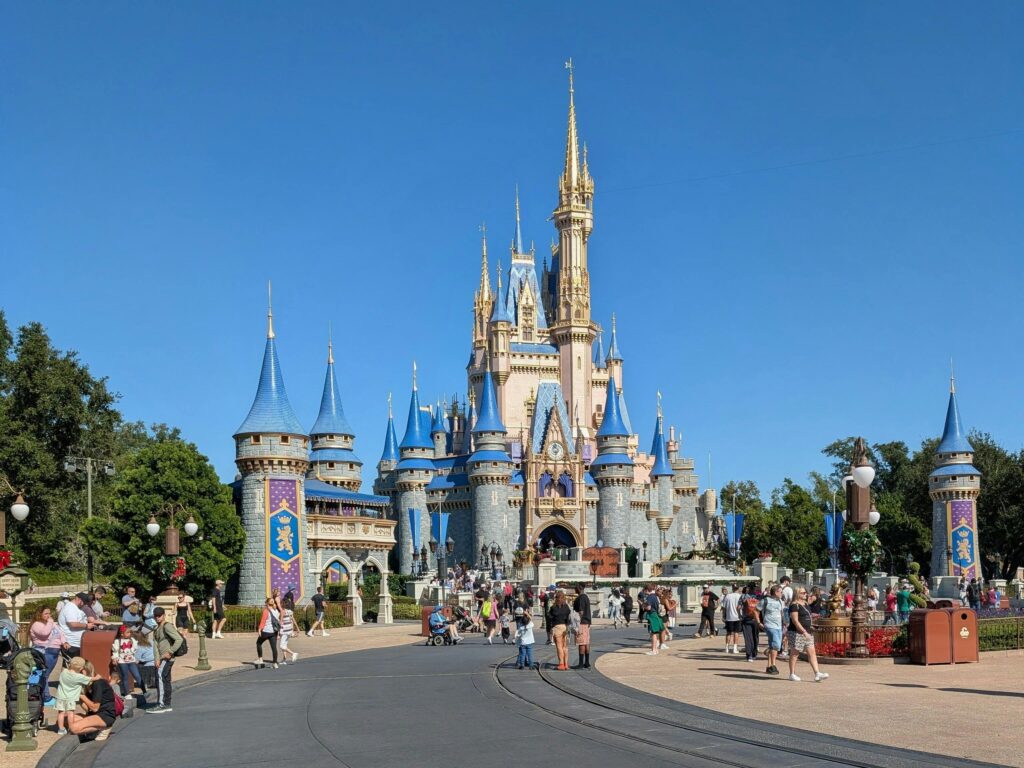
What Is the Social Media Plan Raising Concerns?
The plan under discussion centers on using politically branded social media platforms and messaging strategies to engage tourists, including international visitors, during travel to Orlando and its surrounding theme parks.
While details vary, the core ideas reportedly include:
- Encouraging tourists to engage with or download politically affiliated social media platforms
- Promoting politically themed messaging or content during visits
- Leveraging high-traffic tourist zones as visibility hubs for digital engagement
Supporters frame this as a free-speech and innovation issue. Critics see it as a risk to Orlando’s carefully cultivated image as a neutral, family-friendly, globally welcoming destination.
Why Orlando Is Especially Sensitive to Political Tourism Messaging
1. International Tourism Is Central to the Economy
Before the pandemic, Orlando welcomed tens of millions of visitors annually, with a large share coming from:
- Europe
- Latin America
- Canada
- Asia
International travelers are particularly sensitive to political climate, social stability, and perceived hostility. Even small signals can influence destination choice.
2. Theme Parks Thrive on Escapism
Theme parks succeed by offering:
- Fantasy
- Family-friendly environments
- Emotional neutrality
Introducing overt political messaging—especially through digital platforms—risks breaking that sense of escape that visitors expect.
3. Florida’s Politicized Reputation
Florida has increasingly been associated with national political debates. Tourism leaders worry that additional politicization could amplify negative perceptions, especially among travelers seeking stress-free vacations.
Concerns Raised by Tourism and Business Leaders
Brand Risk
Orlando’s brand is built on inclusivity and fun. Political messaging can:
- Alienate visitors from certain countries
- Trigger online backlash
- Create confusion about the city’s identity
Once a destination becomes politically polarized in public perception, it can take years to recover.
Economic Impact
Tourism is a volume-driven industry. Even a small decline in international bookings can lead to:
- Job losses in hospitality
- Reduced convention traffic
- Lower tax revenue for local services
Business leaders worry that uncertainty alone—regardless of actual implementation—can discourage planners and tour operators.
Data Privacy and Trust Issues
International tourists may be wary of:
- Downloading unfamiliar apps
- Sharing personal data
- Engaging with politically affiliated platforms while abroad
Privacy standards differ globally, and perceived risk can deter participation.
The Role of Social Media in Modern Tourism
Social media already plays a massive role in travel:
- Trip planning
- Navigation
- Reviews and recommendations
- Real-time communication
However, most tourism marketing platforms are politically neutral. Introducing overt political branding into travel-related digital engagement is largely untested—and potentially volatile.
Legal and Ethical Considerations
Free Speech vs. Commercial Impact
Supporters argue that political messaging is protected speech. Critics counter that:
- Public tourism infrastructure should remain neutral
- Government-aligned promotion risks crossing ethical lines
- Visitors should not feel pressured to engage politically while traveling
International Perception Matters
What plays as domestic political messaging in the U.S. can be interpreted very differently abroad. In some countries, political neutrality is expected in tourism spaces.
Potential Long-Term Implications for Orlando
If political social media strategies become visible in tourist areas, Orlando could face:
- Reduced appeal as a family destination
- Hesitation from international tour operators
- Increased scrutiny from global media
- Difficulty attracting global conventions
Conversely, a clear reaffirmation of neutrality could help stabilize confidence.
How Other Global Destinations Handle Politics and Tourism
Successful global destinations generally:
- Separate tourism promotion from domestic politics
- Emphasize cultural openness and safety
- Avoid partisan messaging in visitor spaces
- Protect brand consistency above short-term visibility gains
These strategies help insulate tourism from political volatility.
What Travelers Are Saying
Travel sentiment analysis shows that many visitors:
- Want vacations free from political messaging
- Value predictability and comfort
- Prefer destinations that feel universally welcoming
Even travelers with strong political views often want their holidays to remain apolitical.
Frequently Asked Questions (FAQs)
1. Is Orlando banning political social media platforms?
No. There is no ban. Concerns relate to how and where politically branded platforms or messaging are promoted within tourism-focused spaces.
2. Why are tourism leaders worried about social media plans?
Because political branding can affect international perception, visitor comfort, and Orlando’s reputation as a neutral, family-friendly destination.
3. Does this affect theme parks directly?
Theme parks are privately operated and set their own rules, but broader destination perception can still influence visitor numbers and experience expectations.
4. Is political messaging common in tourist destinations?
Most major destinations avoid overt political messaging in tourism zones to protect brand neutrality and visitor comfort.
5. Could this impact international travel to Florida?
Potentially. Even perceived politicization can influence destination choice, especially among international travelers who have many alternatives.
Conclusion
Orlando’s unease over politically affiliated social media strategies reflects a larger global challenge: how to protect tourism from political polarization in the digital age. While social media is an essential tool for engagement, its use in tourism requires careful consideration of neutrality, trust, and international perception.
For destinations like Orlando—built on imagination, inclusivity, and escape—the stakes are high. The path forward likely lies in reinforcing a simple message: tourism spaces should unite people, not divide them.

Sources Tampabay

